
Driving in snowy or icy conditions can be risky if you’re not prepared. Using snow chains is one of the best ways to keep your vehicle steady and safe on slippery roads.
But do you know how to put them on correctly and use them without damaging your tires or car? You’ll discover simple, clear steps to use snow chains safely. By the end, you’ll feel confident and ready to face winter roads without worry.
Keep reading to protect yourself and your loved ones every time you drive in snow.
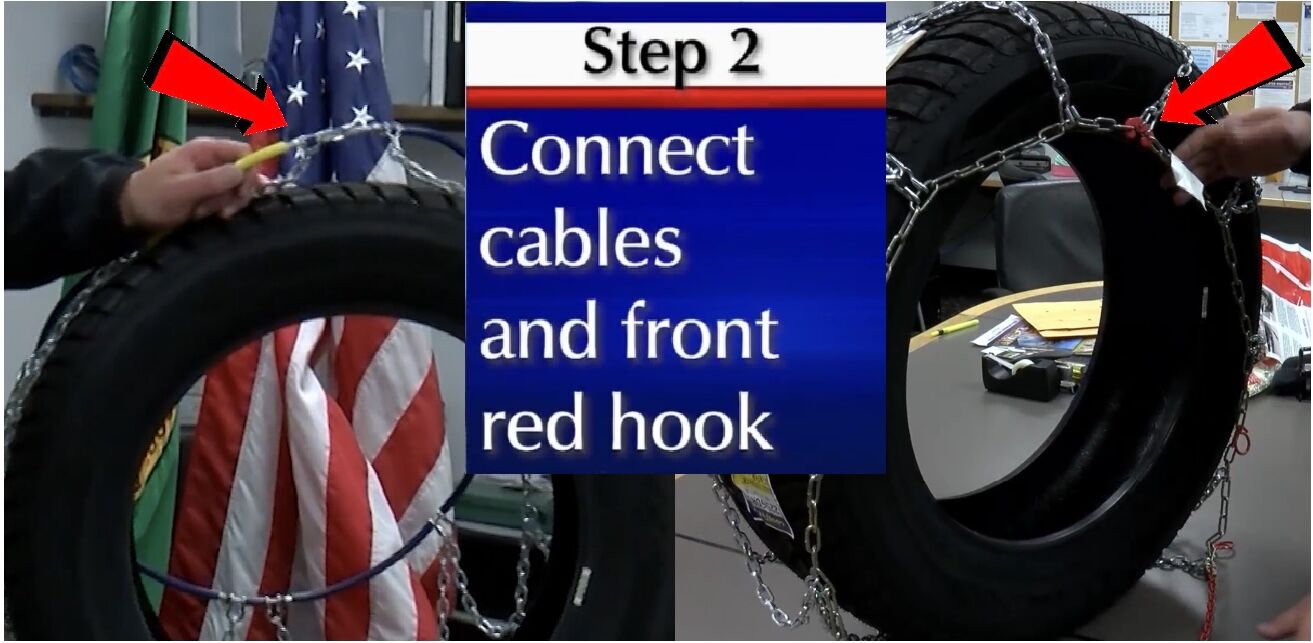
Credit: www.nbcrightnow.com
Choosing The Right Snow Chains
Snow chains help your vehicle drive safely on icy roads. Picking the right chains is important for good grip and safe driving.
This guide explains how to choose snow chains by looking at types, size, and material.
Types Of Snow Chains
There are different snow chains for various needs. Some fit better on certain tires and roads.
- Link Chains: Made of metal links, good for deep snow.
- Cable Chains: Made of steel cables, lighter and easier to install.
- Composite Chains: Made of plastic or fabric, best for short use and light snow.
- Diamond Pattern Chains: Cover more tire surface for better traction.
Sizing And Fit
Choosing the right size is key. Chains that are too tight or too loose can cause damage.
| Tire Size | Chain Size Needed | Notes |
|---|---|---|
| 195/65 R15 | Size 8 | Common size for small cars |
| 225/70 R16 | Size 10 | Fits many SUVs |
| 265/75 R16 | Size 12 | Used for trucks |
| 275/65 R18 | Size 14 | For larger vehicles |
Always check your tire sidewall for exact numbers. Use manufacturer charts to match chains.
Material And Durability
Snow chains come in different materials that affect strength and wear.
- Steel: Very strong and durable but heavy.
- Alloy Steel: Lighter than steel but still strong.
- Cable: Thin steel cables, lighter and easier to store.
- Plastic: Less durable, good for short trips on light snow.
Choose chains that match your driving conditions and how often you will use them.
Preparing Your Vehicle
Using snow chains helps your vehicle drive safely on snowy roads. Before you put them on, you must prepare your vehicle properly.
Good preparation saves time and keeps you safe during winter driving. Follow these steps to get ready.
Check Tire Condition
Make sure your tires are in good shape before fitting snow chains. Worn or damaged tires can cause problems with the chains.
Look for enough tread depth and no cracks or bulges. Proper tire pressure is also important for safe use of chains.
- Check tire tread depth (at least 4mm is safe)
- Look for cuts, cracks, or bulges on tires
- Inflate tires to the recommended pressure
Gather Necessary Tools
Have all tools ready before you start installing the snow chains. This makes the process faster and easier.
You will need the chains, gloves to protect your hands, and a flashlight if it is dark outside.
- Snow chains that fit your tire size
- Protective gloves to avoid cuts
- Flashlight for low light conditions
- Flat surface or parking brake to keep the car stable
Practice Installation Beforehand
Try putting on the snow chains before you need them on the road. Practice helps you learn the correct way to install them.
Follow the instructions step-by-step and check that the chains fit well. This will reduce stress during snowy weather.
- Lay out the chains on a flat surface
- Fit the chains around the tire as shown in the instructions
- Adjust the tension and secure the fasteners
- Drive a short distance and recheck the fit
Installing Snow Chains Correctly
Using snow chains helps your vehicle grip the road in icy conditions. Proper installation is key to safety and performance. Incorrect fitting can cause damage or accidents.
This guide explains how to install snow chains safely and avoid common mistakes. Follow the steps carefully to ensure your chains work well.
Step-by-step Installation
- Park your car on a flat surface and turn off the engine.
- Lay the chains flat on the ground to untangle them.
- Drape the chains over the drive wheels, making sure the fasteners are on the outside.
- Drive forward slowly about 2 feet to position the chains evenly.
- Connect the chains securely, tightening the fasteners as instructed by the manufacturer.
- Check that chains are centered and cover the tires evenly.
Ensuring Proper Tension
Proper tension keeps the chains tight on the tires. Loose chains can slip or damage your vehicle. Tight chains improve safety and help chains last longer.
| Tension Level | Effect |
|---|---|
| Too Loose | Chains slip or fall off |
| Proper Tension | Chains fit snugly and stay in place |
| Too Tight | May damage tires or chains |
After installation, drive a short distance and stop to recheck the tension. Adjust if needed to keep chains firm but not overstretched.
Common Installation Mistakes
- Not laying chains flat before installation
- Placing chains on non-drive wheels
- Failing to center chains on tires
- Not tightening chains enough
- Driving too fast with chains installed
- Ignoring manufacturer instructions
Avoid these errors to keep your trip safe and prevent damage. Always check your chains and adjust before driving on snow or ice.
Driving With Snow Chains
Snow chains help your tires grip icy and snowy roads. Using them correctly keeps you safer while driving.
It is important to learn how to drive carefully with snow chains. This guide covers key tips for safe use.
Adjusting Speed And Handling
Drive slower when using snow chains. High speeds can cause chains to break or slip off.
Handle the steering gently. Avoid sharp turns and sudden stops to keep control on slippery roads.
- Keep your speed below 30 mph (50 km/h)
- Accelerate and brake slowly
- Turn smoothly and avoid quick maneuvers
- Watch for road signs about chain use limits
Recognizing Chain Damage
Check your snow chains before and during trips. Look for broken links or loose parts.
Damaged chains can harm your tires or car. Replace or fix chains if you find damage.
- Inspect for cracks, rust, or bent links
- Listen for unusual noises while driving
- Feel for vibrations or pulling when driving
- Stop and check chains if you notice any problem
When To Remove Chains
Remove snow chains when roads are clear or dry. Chains can damage the road and your tires on bare pavement.
Taking chains off at the right time helps keep them in good condition for future use.
- Remove chains when ice and snow are gone
- Avoid driving on dry roads with chains
- Take off chains before entering highways without snow
- Store chains in a dry place after removal
Maintenance And Storage
Taking care of snow chains after using them keeps them safe and ready. Proper maintenance helps prevent damage and extends their life.
Good storage also stops rust and tangling. Follow simple steps to clean, inspect, and store your snow chains.
Cleaning After Use
Clean snow chains right after you take them off. Dirt, salt, and moisture can cause rust and damage if left on.
- Use warm water to rinse off mud and salt.
- Scrub gently with a soft brush if needed.
- Dry the chains completely with a cloth or air dry.
- Avoid harsh chemicals that can weaken the metal.
Inspecting For Wear
Check your snow chains carefully before storage and before use. Look for broken links, rust, or loose parts.
| What to Check | Signs of Wear |
|---|---|
| Links and Connectors | Cracks, bends, or missing pieces |
| Fastening Hooks | Loose or damaged hooks |
| Rust | Heavy rust spots or corrosion |
| Elastic Parts | Stretched or torn bands |
Proper Storage Tips
Store chains in a dry place to avoid rust and tangling. Keep them away from direct sunlight and moisture.
Follow these tips for safe storage:
- Coil chains loosely to prevent kinks.
- Place chains in a storage bag or box.
- Keep them off cold floors to avoid moisture buildup.
- Store in a cool, dry, and dark area.

Credit: sightseeingtoursaustralia.com.au
Legal Requirements And Safety Tips
Driving in snowy conditions can be challenging. Snow chains are vital for safety.
Understanding legal requirements and safety tips is essential. It ensures a safe journey.
Local Regulations On Snow Chains
Rules on snow chains vary by location. Knowing the local laws is important.
- Check if snow chains are mandatory in your area.
- Ensure your chains meet legal standards.
- Keep documentation for proof of compliance.
Safety Gear To Carry
Carrying the right safety gear is crucial. It keeps you prepared for emergencies.
| Item | Purpose |
| Snow Chains | Improve tire grip |
| Flashlight | Visibility in dark |
| Blanket | Warmth if stranded |
Emergency Preparedness
Being ready for emergencies can save lives. Prepare before you hit the road.
- Carry a fully charged phone.
- Keep a first aid kit in your vehicle.
- Pack non-perishable snacks and water.

Credit: www.youtube.com
Frequently Asked Questions
How Do I Install Snow Chains Safely?
First, park on a flat surface and turn off the engine. Lay the chains flat and drape them over the tires. Connect the chains securely, ensuring a snug fit. Drive slowly for a short distance, then retighten for safety.
When Should I Use Snow Chains On My Vehicle?
Use snow chains when driving on icy or snowy roads. Check local laws as some areas require chains during winter. Chains improve traction and control, reducing the risk of slipping or accidents in harsh conditions.
Can I Drive Fast With Snow Chains On?
No, driving fast with snow chains is unsafe. Keep your speed below 30 mph (50 km/h). Slow speeds prevent chain damage and maintain vehicle control on slippery roads.
Are Snow Chains Compatible With All Tire Types?
Most snow chains fit standard tires but check compatibility first. Some tires, like low-profile or run-flat, may not support chains. Always consult your vehicle and chain manufacturer guidelines before installation.
Conclusion
Using snow chains correctly keeps you safe on icy roads. Always check the fit before driving. Drive slowly and avoid sharp turns. Remove chains when you reach clear pavement. Practice installing chains in dry conditions first. These steps help protect your car and passengers.
Stay calm and take your time. Safe driving with snow chains means less risk of accidents. Remember, preparation is key for winter travel.







