
Imagine being trapped in a car after an accident, and your seatbelt won’t release. What would you do?
Knowing how to use a seatbelt cutter tool can make all the difference in those critical moments. This simple device is designed to help you escape quickly and safely when every second counts. You’ll learn exactly how to use a seatbelt cutter tool step by step, so you’re ready if an emergency ever strikes.
Don’t wait until it’s too late—understand this life-saving skill now and protect yourself and your loved ones. Keep reading to master this essential safety tool.

Credit: trueprepper.com
Choosing The Right Seatbelt Cutter
Knowing how to use a seatbelt cutter tool can save lives during emergencies. Picking the right tool is very important. The right seatbelt cutter must be easy to use and reliable.
This guide helps you choose a seatbelt cutter that fits your needs. It covers key features and types of cutters available.
Key Features To Look For
Look for features that make the cutter quick and safe to use. A good cutter should be sharp, durable, and comfortable to hold.
- Sharp Blade:Cuts seatbelts easily without extra force.
- Safety Guard:Protects your fingers from the blade.
- Ergonomic Handle:Fits well in your hand for a strong grip.
- Compact Size:Easy to store and carry in your car.
- Durable Material:Made from strong metal or plastic to last long.
Types Of Seatbelt Cutters
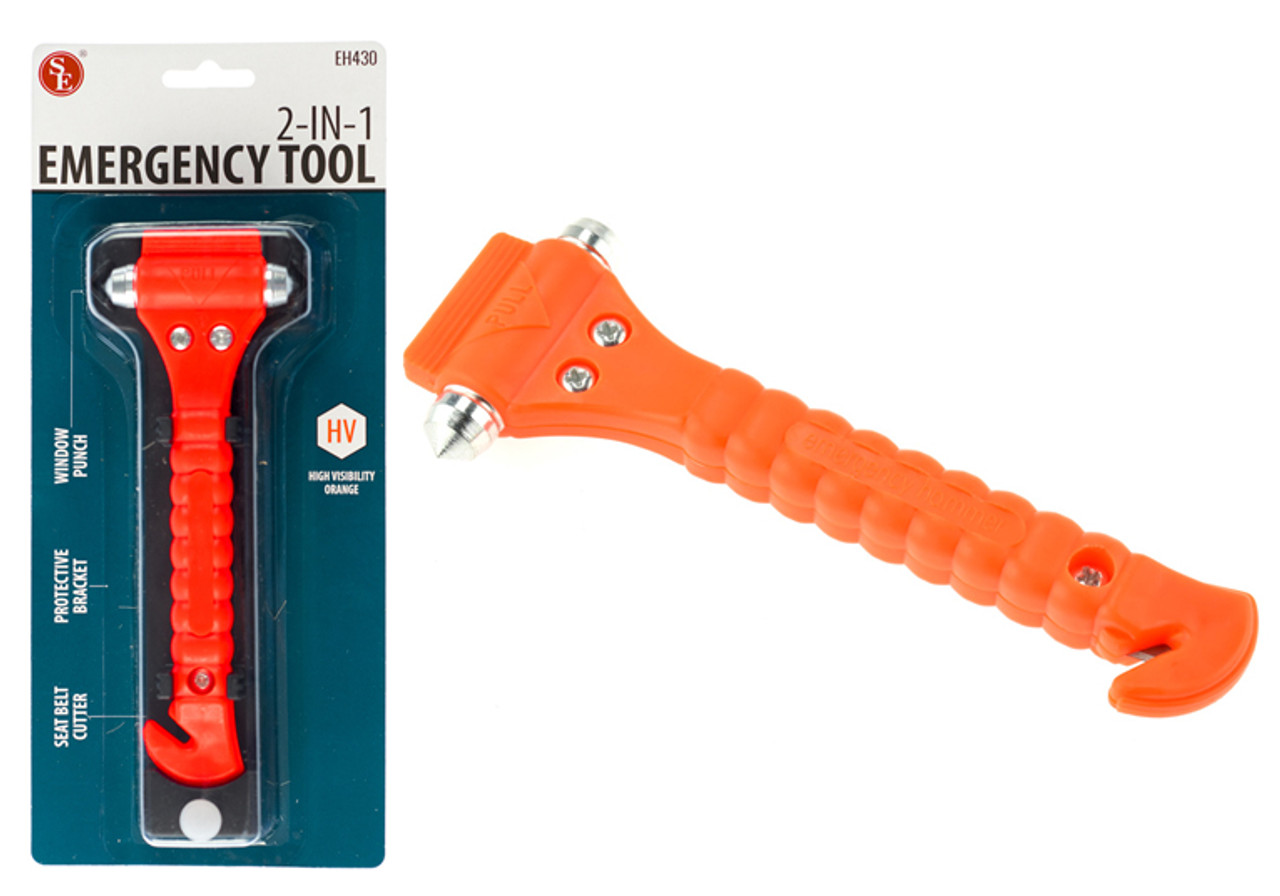
Seatbelt cutters come in many designs. Some are simple, while others include extra tools like window breakers.
| Type | Description | Best Use |
| Handheld Cutter | Small tool with a sharp blade and handle. | Easy to carry and use quickly. |
| Keychain Cutter | Compact cutter attached to your keys. | Always with you for emergencies. |
| Multitool Cutter | Includes cutter and other tools like a glass breaker. | Useful for complete emergency kits. |
| Seatbelt Knife | A small knife designed specifically to cut seatbelts. | Good for precise cutting in tight spaces. |
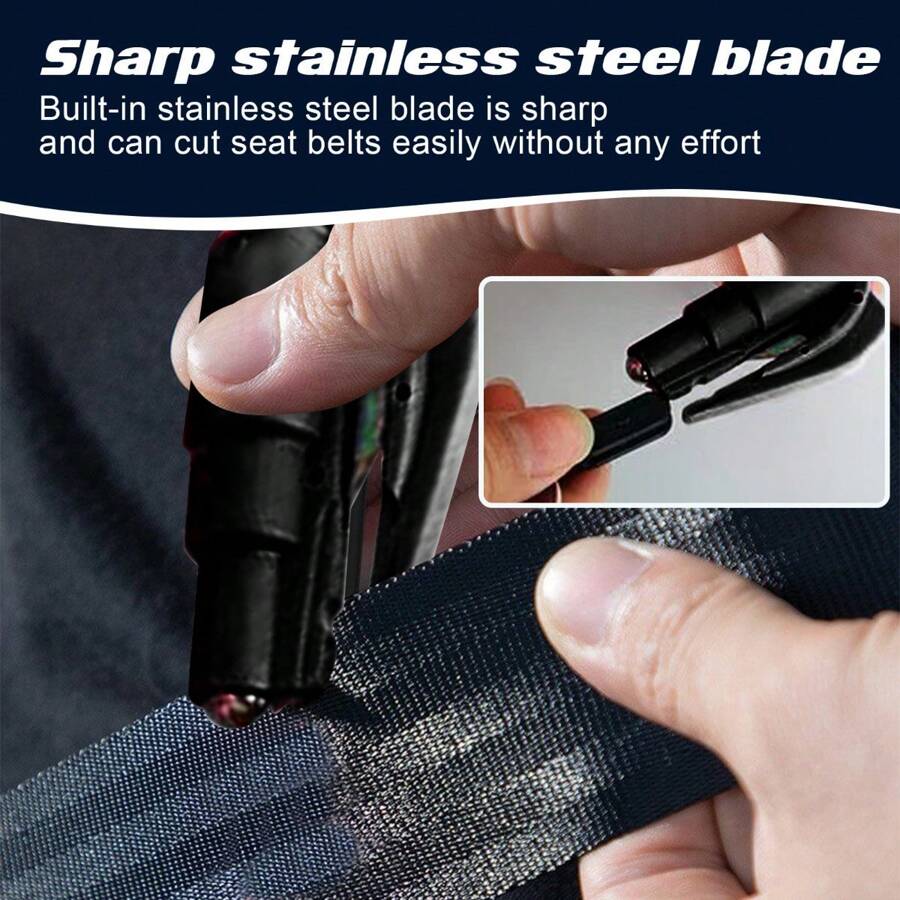
Credit: finelinesdesignstudio.com
Proper Handling Techniques
Using a seatbelt cutter tool correctly can save lives in emergencies. Proper handling ensures quick and safe cutting.
Learn the right grip and cutting motion to use the tool effectively and avoid injury.
Safe Grip And Positioning
Hold the seatbelt cutter firmly with your dominant hand. Keep your fingers away from the blade opening.
- Grip the handle tightly to prevent slipping.
- Position your hand so the blade faces the seatbelt.
- Keep your other hand clear of the cutting path.
- Maintain a comfortable wrist angle for control.
Effective Cutting Motion
Use smooth and steady motions to cut through the seatbelt. Avoid jerky or forceful movements.
| Motion | Purpose | Tips |
| Pull | Draw the cutter through the seatbelt | Keep a steady speed |
| Push | Apply pressure on the belt | Use controlled force |
| Slide | Move blade along the seatbelt | Maintain contact with the belt |
Step-by-step Use In Emergencies
Using a seatbelt cutter tool in an emergency can save lives. You need to act fast and stay calm.
This guide shows how to use the tool safely and quickly to free yourself or others.
Assessing The Situation
Look around to check for dangers before using the seatbelt cutter. Make sure it is safe to move.
- Check for fire, smoke, or spilled fuel nearby
- See if the vehicle is stable and not at risk of rolling
- Look for injured passengers who need help
- Plan your exit route after cutting the seatbelt
Cutting The Seatbelt Quickly
Use the cutter tool to slice through the seatbelt fast. Hold the tool firmly and cut near the buckle.
- Grip the cutter with your dominant hand
- Place the blade edge against the seatbelt strap
- Pull the strap tight and draw the cutter swiftly
- Make sure the strap is fully cut before pulling free
- Assist others if they need help cutting their belts
Ensuring Passenger Safety
After cutting the seatbelt, check the condition of all passengers. Help them leave the vehicle safely.
| Action | Details |
| Check for injuries | Look for cuts, bruises, or pain |
| Assist passengers | Help those who cannot move on their own |
| Move to safety | Guide everyone away from the vehicle |
| Call emergency services | Contact help if needed immediately |
Maintenance And Storage Tips
Seatbelt cutters are essential for safety. Proper care ensures they work when needed. Here are some tips on maintenance and storage.
Learn how to clean, sharpen, and store your seatbelt cutter effectively. This will keep it in top condition.
Cleaning And Sharpening
Regular cleaning prevents rust and keeps the cutter sharp. Sharpening ensures it slices through seatbelts easily.
- Use a soft cloth to wipe the blade after use.
- Apply a drop of oil to prevent rust.
- Sharpen the blade with a whetstone if needed.
Best Places To Keep Your Cutter
Storing your seatbelt cutter in the right place ensures quick access during emergencies. Keep it within easy reach.
Consider these locations for storing your seatbelt cutter:
- Glove compartment
- Center console
- Driver-side door pocket
- Attached to your keychain
Common Mistakes To Avoid
Using a seatbelt cutter tool can save lives in emergencies. It is important to use it correctly to avoid accidents or damage. Learning common mistakes helps you stay safe and keep the tool working well.
This guide explains risks of improper use and how to protect the seatbelt cutter from damage. Follow these tips to use the tool effectively.
Improper Use Risks
Using a seatbelt cutter incorrectly can cause injury or fail to cut the seatbelt. Pressing the blade too hard or at the wrong angle can slip and hurt your hand. Not holding the seatbelt tight may stop the blade from cutting through.
Trying to cut other materials like thick fabric or plastic can dull the blade quickly. Using the tool without practice may waste precious time during an emergency.
- Do not force the blade at sharp angles
- Keep fingers clear of the cutting edge
- Only cut seatbelts, not other objects
- Practice using the cutter to improve skill
- Ensure the seatbelt is pulled tight before cutting
Avoiding Damage To Seatbelt Cutter
Seatbelt cutters last longer if you handle them with care. Dropping the tool can break the blade or casing. Leaving it in wet places may cause rust or corrosion on the blade.
Using the cutter for tasks other than cutting seatbelts can damage the blade. Regularly check the blade for dullness and replace it if needed. Store the tool in a dry, safe spot for easy access in emergencies.
- Do not drop or throw the cutter
- Keep the blade clean and dry
- Use the tool only for cutting seatbelts
- Check blade sharpness often
- Store in an accessible, dry place
Training And Practice Suggestions
Using a seatbelt cutter tool correctly can save lives in emergencies. Training helps you act fast and safely.
Practice builds confidence and skill. Regular drills prepare you for real situations.
Simulating Emergency Scenarios
Practice with a seatbelt cutter by creating fake emergency situations. This helps you get used to using the tool under pressure.
Use old seatbelts or straps for safe cutting practice. Time yourself to improve speed.
- Set up a pretend car accident scene
- Have someone wear a seatbelt tightly
- Practice cutting the belt quickly and safely
- Repeat with different angles and positions
Regular Skill Refreshing
Check your seatbelt cutter often to make sure it works. Practice using it every few months to keep skills sharp.
Review safety tips and tool handling steps regularly. This helps avoid mistakes in real emergencies.
- Inspect the cutter blade for sharpness
- Practice cutting seatbelts or similar materials
- Recall safety steps before using the tool
- Store the tool where you can reach it easily
Credit: www.jamtkrogen.com
Frequently Asked Questions
What Is A Seatbelt Cutter Tool Used For?
A seatbelt cutter tool is designed to quickly cut through a seatbelt in emergencies. It helps free trapped passengers when seatbelt release mechanisms fail or are hard to reach.
How Do You Safely Use A Seatbelt Cutter Tool?
Hold the tool firmly and slide the blade under the seatbelt. Pull the cutter toward you in a steady motion to slice through the belt safely and efficiently.
Where Should I Store My Seatbelt Cutter Tool?
Store the seatbelt cutter tool within easy reach in your vehicle. Common places include the glove box, center console, or attached to the sun visor.
Can A Seatbelt Cutter Tool Cut Other Materials?
Yes, many seatbelt cutters can also cut rope, fabric, and thin straps. However, they are specifically designed for seatbelt webbing for quick emergency use.
Conclusion
Using a seatbelt cutter tool can save lives in emergencies. Keep it within reach in your car at all times. Practice using it so you feel confident and ready. Remember, quick action matters during accidents. Always check your tool to ensure it works well.
Stay safe by knowing how to use this simple device. It’s a small tool with a big impact. Be prepared, stay calm, and act fast if needed. Safety starts with awareness and readiness every time you drive.







