
Imagine being trapped in your car after an accident, with your seatbelt stuck and precious seconds slipping away. Knowing how to use a seatbelt cutter correctly could be the difference between getting out safely or facing a dangerous delay.
You’ll learn simple, clear steps to handle this lifesaving tool with confidence. By the end, you’ll feel ready to act quickly and protect yourself and your loved ones when it matters most. Keep reading—your safety depends on it.
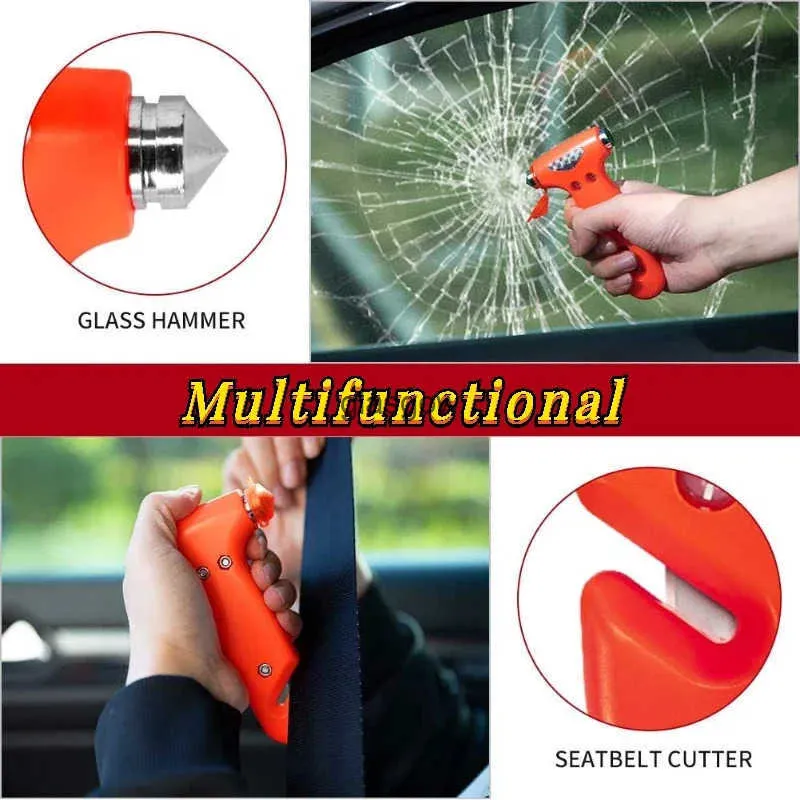
Credit: ie.dhgate.com
Choosing The Right Seatbelt Cutter
Having a seatbelt cutter in your car can help you escape quickly in emergencies. Choosing the right one is important for safety and ease of use.
This guide explains different types of seatbelt cutters and key features to consider before buying one.
Types Of Seatbelt Cutters
Seatbelt cutters come in many designs. Each type has benefits for different situations.
- Keychain Cutters:Small and easy to carry on your keys.
- Handle Cutters:Have a strong grip for quick cutting.
- Multi-Tools:Combine a cutter with other emergency tools.
- Hammer and Cutter Combos:Include a glass breaker with the cutter.
Key Features To Look For
Look for features that make the cutter safe and effective. Some features help you use it faster in an emergency.
| Feature | Why It Matters |
| Sharp Blade | Cuts seatbelts quickly without much force |
| Safety Guard | Prevents accidental cuts when not in use |
| Ergonomic Handle | Easy to hold and use even with wet hands |
| Compact Size | Easy to store and reach in emergencies |
| Durable Material | Lasts long and works in different conditions |
| Additional Tools | Glass breaker or flashlight adds extra safety |

Credit: www.amazon.ca
Proper Grip And Handling
Using a seatbelt cutter correctly can save precious time in emergencies. Holding the tool right ensures a quick and safe cut.
Learn the best grip and handling tips to use the cutter effectively and avoid injury.
Safe Holding Techniques
Hold the seatbelt cutter firmly with your dominant hand. Your fingers should wrap around the handle tightly but not too hard.
Keep your thumb on top or along the side for extra control. This grip helps you guide the blade smoothly through the seatbelt.
- Grip the handle firmly but comfortably
- Keep your thumb steady for control
- Avoid placing fingers near the blade
- Use your dominant hand for better strength
Positioning For Effective Cutting
Place the seatbelt cutter blade against the belt at a slight angle. This position helps the blade slice through the material easily.
Make sure the seatbelt is taut but not stretched too tight. Pull the cutter steadily along the belt to avoid slipping.
- Align the blade at about a 30-degree angle to the belt
- Hold the belt tight but avoid overstretching
- Pull the cutter smoothly across the belt
- Keep your other hand clear of the cutting path
Steps To Cut A Seatbelt Quickly
Using a seatbelt cutter can save lives in emergencies. Knowing how to cut a seatbelt fast is important for safety.
This guide shows simple steps to use a seatbelt cutter correctly and quickly.
Locating The Seatbelt
First, find the seatbelt you need to cut. Look for the belt across your body or around the passenger.
If the belt is twisted or stuck, straighten it before cutting. This makes the cut easier and faster.
Applying Pressure Correctly
Hold the cutter firmly in your hand. Place the blade edge against the seatbelt near the buckle or where it tightens.
Press the cutter blade hard into the belt. Strong pressure helps the blade cut through the material quickly.
- Keep your hand steady
- Push the blade edge firmly
- Avoid slipping by holding tight
Pulling The Cutter Smoothly
After pressing the cutter into the belt, pull it smoothly along the belt’s width. Use a steady motion for a clean cut.
Do not jerk or twist the cutter. A smooth pull cuts the seatbelt quickly and reduces the risk of injury.
- Hold the cutter handle firmly
- Pull in one steady motion
- Cut across the belt, not lengthwise
Credit: www.ascentforums.com
Common Mistakes To Avoid
Using a seatbelt cutter correctly can save lives in emergencies. Many people make simple mistakes that reduce its effectiveness.
Knowing what to avoid helps you use the cutter safely and quickly. The following sections explain common errors and how to prevent them.
Using The Wrong Angle
Holding the cutter at the wrong angle can make cutting the seatbelt hard or slow. The blade needs to slice through the belt smoothly.
- Do not hold the cutter flat against the belt.
- Keep the blade edge at about a 45-degree angle.
- Cut in a quick, steady motion to avoid slipping.
- Practice the angle to gain confidence before an emergency.
Applying Excessive Force
Using too much force can damage the cutter or cause injury. The seatbelt cutter blade is sharp enough to cut with moderate pressure.
| Common Error | Correct Practice |
| Pushing too hard | Use firm but controlled pressure |
| Forcing the blade through | Slice smoothly at the right angle |
| Rushing the cut | Stay calm and steady |
Ignoring Safety Precautions
Ignoring safety rules can cause harm during use. Always handle the cutter with care to protect yourself and others.
- Keep your fingers away from the blade.
- Do not point the cutter at anyone.
- Store the cutter in an accessible but safe place.
- Practice using it in a safe environment.
- Check the cutter regularly for damage.
Maintaining Your Seatbelt Cutter
Keeping your seatbelt cutter in good shape helps it work well in emergencies. Regular care makes sure it is ready when needed.
This guide covers simple ways to clean and store your cutter. It also explains how to check it for damage safely.
Cleaning And Storage Tips
Clean your seatbelt cutter after use or at least once every few months. Dirt and grime can dull the blade and reduce its effectiveness.
- Use a soft cloth to wipe the blade and handle.
- Apply a small amount of oil to the blade to stop rust.
- Keep the cutter dry and avoid water exposure.
- Store it in a dry place away from direct sunlight.
- Use a protective case or cover to avoid damage.
Checking For Damage Regularly
Inspect your seatbelt cutter often to ensure it is not damaged. A broken blade or loose handle can make it unsafe to use.
| What to Check | Signs of Damage | Action to Take |
| Blade | Dull, chipped, or rusted edges | Sharpen or replace the cutter |
| Handle | Cracks, looseness, or breaks | Secure or replace the handle |
| Safety Cover | Missing or damaged cover | Replace or repair the cover |
| Attachment | Broken clips or straps | Fix or replace attachments |
Incorporating Seatbelt Cutters In Safety Kits
Seatbelt cutters are essential tools for emergencies. They help you escape from a vehicle quickly. Including them in safety kits is important for safety.
Knowing how to use a seatbelt cutter correctly can save lives. Ensure you have one in your safety kit at all times.
Essential Items To Include
A good safety kit contains various tools. These tools help in emergencies. Make sure your kit is complete and ready for use.
- Seatbelt Cutter
- First Aid Kit
- Flashlight
- Emergency Blanket
- Multi-tool
Accessibility During Emergencies
Keeping your safety kit accessible is vital. Store it where you can reach it quickly in your vehicle. Proper placement can be crucial in emergencies.
| Item | Recommended Location |
| Seatbelt Cutter | Glove Compartment |
| First Aid Kit | Under the Seat |
| Flashlight | Center Console |
| Emergency Blanket | Trunk |
Frequently Asked Questions
What Is The Correct Way To Use A Seatbelt Cutter?
Hold the cutter firmly, place the blade against the seatbelt, and pull it swiftly. Ensure the blade faces the belt for a clean cut. Practice caution to avoid injury and always keep the cutter accessible in emergencies.
Where Should I Keep My Seatbelt Cutter In The Car?
Store the seatbelt cutter within easy reach, such as the glove box or center console. Make sure it’s visible and accessible to all passengers. Avoid placing it where it may be hard to find during emergencies.
Can A Seatbelt Cutter Cut Through Any Seatbelt Material?
Most seatbelt cutters are designed to cut through standard nylon seatbelts quickly. However, some reinforced or thicker seatbelts may require a sharper blade. Always test your cutter to ensure it works effectively before an emergency occurs.
How Do I Maintain My Seatbelt Cutter For Optimal Use?
Keep the blade clean and free from rust. Regularly check for dullness and replace the cutter if it becomes less effective. Store it in a dry place to prevent corrosion and ensure readiness in emergencies.
Conclusion
Using a seatbelt cutter can save lives in emergencies. Keep it within easy reach inside your car. Practice how to hold and use it safely. Remember to cut the belt, not your skin. Stay calm and act quickly if trapped.
Regularly check the cutter’s blade for sharpness. Knowing this simple skill helps you stay prepared. Safety tools work best when you know how to use them well. Always prioritize your safety and the safety of others. Ready to use a seatbelt cutter?
It’s a small step that makes a big difference.







