
Imagine being caught in an unexpected emergency where every second counts. Do you know how to use simple tools like rope or bungee cords to make a real difference?
Whether it’s securing items, creating a makeshift shelter, or even helping someone in need, these everyday items can become lifesavers if you know the right tricks. You’ll discover easy, practical ways to use rope and bungee cords when it matters most—skills that could turn a tough situation around.
Keep reading, because the knowledge you gain here might just be the key to staying safe and prepared.
Choosing The Right Rope Or Bungee Cord
Ropes and bungee cords are useful tools in emergencies. Picking the right one can keep you safe and help you act fast.
Knowing the types, strengths, and limits helps you choose the best option for your needs.
Types Of Rope And Their Strengths
Ropes come in different materials. Each type has a strength level suited for specific tasks.
- Nylon Rope:Strong and stretchy. Good for heavy loads and rescue.
- Polypropylene Rope:Lightweight and floats on water. Best for wet conditions.
- Manila Rope:Natural fiber, sturdy but less durable in wet weather.
- Polyester Rope:Strong and resists UV damage. Good for outdoor use.
Selecting Suitable Bungee Cords
Bungee cords stretch to hold things tightly. Pick cords with the right length and thickness.
Look for cords with strong hooks. This ensures they stay secure during use.
- Choose cords with thick, durable rubber strands.
- Check that hooks are rust-resistant and firmly attached.
- Use cords that fit the size of your emergency gear.
Safety Ratings And Load Limits
Every rope and bungee cord has a load limit. This is the maximum weight it can hold safely.
Check the safety ratings before use. Using a cord beyond its limit can cause accidents.
| Item | Typical Load Limit | Safety Tips |
|---|---|---|
| Nylon Rope | Up to 4000 lbs | Inspect for cuts or frays before use |
| Polypropylene Rope | Up to 2000 lbs | Avoid sharp edges to prevent damage |
| Bungee Cord | Varies, usually 100-300 lbs | Do not overstretch beyond limit |
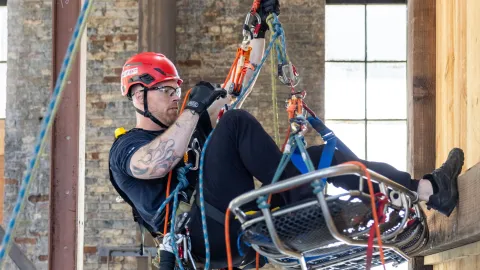
Credit: sanfordlab.org
Essential Knots For Emergency Use
Rope and bungee cords can be lifesavers in emergencies. Knowing the right knots makes them reliable and safe. This guide covers knots you should know for basic use, securing loads, and rescue situations.
Each knot has a purpose. Practice these knots to be ready when time is critical.
Basic Knots Everyone Should Know
Basic knots are easy to tie and untie. They are useful for everyday tasks and emergency fixes.
- Square Knot:Joins two ropes of equal thickness. Good for tying bandages or packages.
- Bowline:Creates a fixed loop at the rope end. Useful for rescue and climbing.
- Clove Hitch:Fast to tie around poles or posts. Great for securing items quickly.
Knots For Securing Loads
Securing loads prevents accidents and keeps gear safe. Use knots that hold tight and do not slip.
| Knot | Use | Features |
| Truckers Hitch | Tighten loads on trucks or backpacks | Creates strong tension, easy to adjust |
| Double Fisherman’s Knot | Join two ropes securely | Very strong, hard to untie after heavy load |
| Taut-Line Hitch | Adjust tension on rope lines | Slips when not under load, holds tight when pulled |
Knots For Rescue Situations
Rescue knots must be reliable and safe under pressure. They often form loops or attach ropes securely to people and objects.
- Figure Eight Follow Through:Strong loop knot used to tie a person into a safety rope.
- Water Knot:Joins flat webbing or tape safely for harness or anchor.
- Prusik Knot:Creates a loop that grips a rope and slides when not weighted. Used in climbing and rescue.
Securing Loads And Gear
Using rope or bungee cords can keep your equipment safe in emergencies. These tools help stop gear from moving or falling.
Knowing how to use them properly can save time and prevent damage. Below are key ways to use them effectively.
Tying Down Equipment
Tying down equipment with rope keeps items secure during transport or storage. Use strong knots to hold the load tight.
- Wrap rope around the equipment firmly.
- Tie a secure knot like a bowline or trucker’s hitch.
- Check the tension and adjust as needed.
- Ensure no loose ends can catch or unravel.
Creating Makeshift Handles
Ropes can form handles for carrying heavy or awkward gear. A well-made handle improves grip and control.
| Method | Description |
|---|---|
| Loop Handle | Create a loop with rope, knot ends securely for a handhold. |
| Wrap Handle | Wrap rope around the item multiple times and tie off to form a grip. |
| Figure-Eight Handle | Make a figure-eight knot to provide a strong, easy-to-hold handle. |
Using Bungee Cords For Stability
Bungee cords add stability by holding items tightly and absorbing shocks. They stretch to fit different sizes.
- Hook bungee ends to secure points on your gear or vehicle.
- Use multiple cords for larger or heavier loads.
- Check cords for wear before use to avoid breakage.
- Avoid overstretching cords beyond their limit.
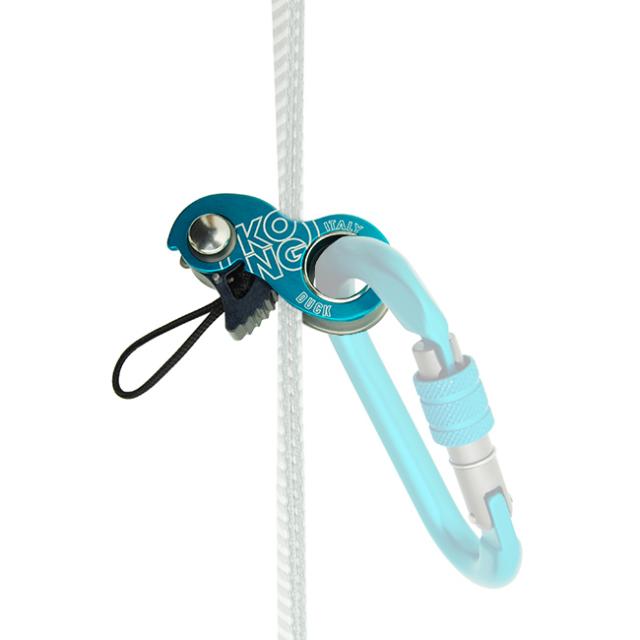
Credit: bexcodeservices.com
Emergency Rescue Applications
Rope and bungee cords are useful tools in emergencies. They help in rescue and first aid situations. Knowing how to use them can save lives.
This guide explains how to use rope for climbing and descending, bungee cords in first aid, and making stretchers or supports.
Using Rope For Climbing And Descending
Ropes are strong and reliable for climbing or lowering people safely. Use knots and secure anchor points to avoid accidents. Always check the rope for damage before use.
- Find a sturdy anchor like a tree or rock.
- Tie a secure knot, such as a figure-eight knot.
- Wear a harness or wrap the rope safely around the body.
- Climb or descend slowly, keeping tension on the rope.
- Have a partner hold or guide the rope for extra safety.
Bungee Cord Uses In First Aid
Bungee cords stretch and return to shape. They work well as tourniquets or to hold splints in place. Use caution to avoid cutting off blood flow too long.
- Apply a bungee cord above a bleeding wound to slow blood flow.
- Use a cord to secure a splint on a broken or injured limb.
- Create a sling by looping the cord around the arm and neck.
- Check circulation often to avoid damage from tight cords.
Improvised Stretchers And Supports
You can use rope or bungee cords with sticks or poles to build stretchers. These help carry injured people safely. Stretchers support the body and keep it steady.
| Material | Purpose | Notes |
| Two strong sticks | Frame | Should be long and sturdy |
| Rope or bungee cords | Binding | Secure frame tightly |
| Blanket or cloth | Support surface | Place between sticks for comfort |
| Additional cords | Handles | Make carrying easier |
Safety Precautions And Maintenance
Using rope or bungee cords during emergencies needs care. Safety is key to avoid injuries.
Proper maintenance keeps your cords strong and ready for use anytime.
Inspecting For Wear And Damage
Always check cords before use. Look for cuts, frays, or weak spots on the rope.
Bungee cords can lose stretch or have broken hooks. Replace any damaged parts.
- Check rope fibers for fraying or cuts
- Look for rust or damage on hooks
- Test bungee cords for good elasticity
- Do not use cords with visible damage
Proper Storage Tips
Store cords in a cool, dry place. Avoid direct sunlight and moisture to prevent damage.
Keep cords untangled and coiled neatly. This stops kinks and weak spots from forming.
- Use hooks or racks to hang cords
- Keep cords away from sharp objects
- Store in a dry container if possible
- Do not leave cords outside for long periods
Avoiding Common Mistakes
Do not overload cords beyond their limit. This can cause sudden breaks and accidents.
Avoid tying knots that weaken the rope. Use proper knots designed for safety.
- Never use damaged or worn cords
- Do not stretch bungee cords too far
- Use cords only for their intended purpose
- Replace cords regularly after heavy use
Practical Tips For Everyday Carry
Rope and bungee cords can be lifesavers in emergencies. They are versatile and easy to carry. Here are some practical tips for everyday carry.
Whether you are hiking or just running errands, having these items can make a big difference. Learn how to pack, deploy, and combine them effectively.
Packing Rope And Bungee Cords Efficiently
Efficient packing is crucial. It helps you save space and ensures quick access. Choose the right size and type of rope for your needs.
Bungee cords should be packed in a way that prevents tangling. Consider using a small pouch or bag.
- Roll rope tightly to save space
- Use zip ties to secure bungee cords
- Label bags for easy identification
Quick Deployment Techniques
Speed is key in emergencies. Practice deploying your rope and bungee cords quickly. Familiarity with knots can also be helpful.
Consider pre-tying loops in your rope for fast use. Keep bungee cords within reach for immediate access.
- Use carabiners for fast attachment
- Keep rope ends accessible
- Practice common knots regularly
Combining With Other Emergency Gear
Rope and bungee cords work well with other gear. They can secure tarps, hold items together, or even serve as makeshift leashes.
Think about how these items can complement your existing emergency kit. They are great for securing loose objects or creating shelters.
- Use with tarps for emergency shelters
- Secure first aid kits in place
- Tie gear to backpacks for hands-free carry

Credit: www.aliexpress.com
Frequently Asked Questions
What Are The Best Ropes For Emergency Use?
The best ropes for emergencies are strong, durable, and weather-resistant. Nylon and polyester ropes are ideal. They offer excellent strength and flexibility. Avoid cheap or thin ropes as they may break under stress. Always choose ropes with a high tensile strength rating for safety.
How To Safely Use Bungee Cords In Emergencies?
Secure bungee cords by hooking them onto stable anchor points. Avoid overstretching to prevent snapping. Inspect cords for wear before use. Use multiple cords for heavier loads. Never use damaged cords as they can cause injury. Always wear eye protection during handling.
Can Rope And Bungee Cords Help In Vehicle Emergencies?
Yes, ropes and bungee cords can assist in vehicle emergencies. Use ropes to tow or secure loads. Bungee cords can hold items in place or create makeshift repairs. However, they are not substitutes for proper towing equipment. Always prioritize safety and call for professional help if needed.
How To Store Ropes And Bungee Cords Properly?
Store ropes and bungee cords in a cool, dry place. Avoid direct sunlight to prevent material degradation. Coil ropes neatly to avoid tangling and kinks. Keep bungee cords away from sharp objects. Proper storage extends their lifespan and maintains strength.
Conclusion
Rope and bungee cords can help in many emergency situations. Keep them in your car or home for quick use. Practice using them safely to avoid accidents. Remember, simple tools can solve big problems. Stay calm and think clearly during emergencies.
Preparedness makes a difference. Use these tips to stay ready and safe. Emergencies are easier when you have the right tools. Rope and cords are small but very useful. Keep learning and stay cautious.







