
Are you looking for a simple way to boost your safety when walking, running, or cycling at night? Reflective bands might be the answer you need.
These small, lightweight accessories can make a big difference by making you more visible to drivers and others around you. You’ll discover how to use reflective bands effectively to protect yourself and stay safe in low-light conditions. Keep reading to learn easy tips that can help you shine bright and avoid accidents.
Benefits Of Reflective Bands
Reflective bands help people stay visible in low light. They improve safety for walkers, runners, and cyclists.
These bands are simple to use and add an extra layer of protection at night or in poor weather.
Enhancing Nighttime Visibility
Reflective bands shine brightly when light hits them. This makes the wearer easier to see in the dark.
- Increase visibility from far distances
- Help drivers notice pedestrians and cyclists
- Boost safety during early mornings and late evenings
Reducing Accident Risks
Wearing reflective bands lowers the chance of accidents. They alert others to your presence on the road or path.
| Risk Factor | With Reflective Band | Without Reflective Band |
| Visibility to Drivers | High | Low |
| Chance of Collision | Reduced | Increased |
| Safety Confidence | Improved | Lower |
Versatile Usage Scenarios
Reflective bands work well in many situations. They fit all ages and can be worn on arms, legs, or backpacks.
- Jogging or walking at night
- Riding a bike on busy streets
- Working in construction or road repair
- Walking pets after dark
- Camping or hiking in low light

Credit: www.amazon.ca
Types Of Reflective Bands
Reflective bands help keep people safe by making them more visible. They come in different types based on materials, designs, and sizes. Understanding these types helps you pick the right band for your needs.
This guide explains the main differences in reflective bands. It covers material types, design styles, and size choices.
Material Differences
Reflective bands use various materials that affect comfort, durability, and reflectivity. Common materials include polyester, silicone, and elastic fabrics. Each material has unique features for different activities.
- Polyester:Lightweight and breathable. Good for sports and outdoor use.
- Silicone:Flexible and water-resistant. Often used in wristbands.
- Elastic Fabric:Stretchy and adjustable. Offers a snug fit for active wear.
- Vinyl:Durable and easy to clean. Suitable for industrial settings.
Design Variations
Reflective bands come in many designs. Some focus on style, while others prioritize function. Designs vary in color, pattern, and closure type.
| Design Type | Description | Best Use |
| Solid Color | Simple and clear reflective surface | Everyday visibility |
| Patterned | Reflective patterns with stripes or dots | Sports and casual wear |
| Buckle Closure | Secure lock with easy release | Work environments |
| Slip-On | Elastic band without clasps | Running and cycling |
Size And Fit Options
Choosing the right size and fit ensures comfort and safety. Reflective bands come in adjustable and fixed sizes. Some are designed for wrists, arms, or ankles.
- Adjustable Bands:Use Velcro or buckles to fit different sizes.
- Fixed Size Bands:Stretch to fit but come in small, medium, and large sizes.
- Multi-Position Bands:Designed to fit on wrists, arms, or ankles.
- Child Sizes:Smaller bands made to fit children safely.
Choosing The Right Reflective Band
Reflective bands keep you visible and safe in low light. Choosing the right one depends on your needs and environment.
Consider factors like your activity, weather, and budget before buying a reflective band.
Assessing Your Needs
Think about why you need the reflective band. Different activities require different types of bands.
- For running or walking, choose lightweight and flexible bands.
- If you work near traffic, pick wide and highly visible bands.
- For cycling, use bands that fit securely and do not slip.
- Consider if you need a band with extra features like LED lights.
Considering Weather Conditions
Weather can affect the band’s performance and comfort. Choose bands that suit your climate.
| Weather Condition | Recommended Band Features |
| Rainy | Water-resistant material and secure fit |
| Cold | Bands that fit over gloves or thick clothing |
| Hot | Breathable and lightweight materials |
| Windy | Adjustable bands that stay tight |
Budget Vs Quality
Price matters, but quality is key for safety. Choose a band that balances cost and durability.
Here are tips to help you decide:
- Low-cost bands may wear out quickly.
- Higher quality bands reflect better and last longer.
- Look for bands with good reviews and safety certifications.
- Think about how often you will use the band before buying.
Proper Placement For Maximum Safety
Reflective bands increase your visibility in low light. Proper placement is key to getting the most safety from them.
Placing reflective bands on the right spots helps drivers and others see you clearly. This guide shows the best ways to wear them.
Wrist And Ankle Positions
Wear reflective bands on your wrists and ankles to catch light from all angles. These spots move naturally with your body and catch attention easily.
- Place bands snugly around your wrists to avoid slipping.
- Wrap ankle bands above your shoes for clear visibility.
- Choose bright colors to increase contrast in dim areas.
- Use adjustable bands to fit securely on different sizes.
Arm And Leg Bands
Arm and leg bands work well for runners and cyclists. They add extra reflective surfaces on moving limbs.
| Band Location | Safety Benefit |
| Upper arm | Increases visibility from the side |
| Lower arm | Shows movement to drivers |
| Thigh | Highlights leg motion during activity |
| Calf | Improves rear visibility |
Attaching To Backpacks Or Clothing
Reflective bands can attach to backpacks or clothing for added safety. Choose spots that face traffic or light sources.
- Clip bands onto backpack straps near your shoulders.
- Attach bands to jacket sleeves or pant legs.
- Use bands on belts or waistbands for extra visibility.
- Make sure attachments do not restrict movement.
Maintenance And Care Tips
Reflective bands help keep you visible and safe. Proper care keeps them working well. Follow simple steps to maintain them.
Cleaning, storing, and inspecting your bands regularly will extend their life. This guide shows you how to do it right.
Cleaning Instructions
Clean reflective bands with mild soap and water. Avoid harsh chemicals that can damage the material.
- Use a soft cloth or sponge to wipe the bands gently.
- Rinse with clean water to remove soap residue.
- Air dry the bands completely before using or storing.
- Do not use bleach or strong detergents.
- Avoid machine washing or drying, which can harm the reflective surface.
Storage Guidelines
Store reflective bands in a dry, cool place away from direct sunlight. Proper storage prevents damage and fading.
| Storage Tip | Reason |
|---|---|
| Keep away from sharp objects | Prevents cuts or tears |
| Store flat or rolled loosely | Avoids creasing or bending |
| Avoid humid areas | Stops mold and material breakdown |
| Use a clean container or bag | Keeps dust and dirt off |
Inspecting For Wear And Tear
Check your reflective bands before each use. Look for signs that they may not work well anymore.
- Look for cracks, tears, or frayed edges on the band.
- Check that the reflective surface is not scratched or dull.
- Ensure the band’s fasteners or closures work properly.
- Replace bands that show heavy damage or wear.
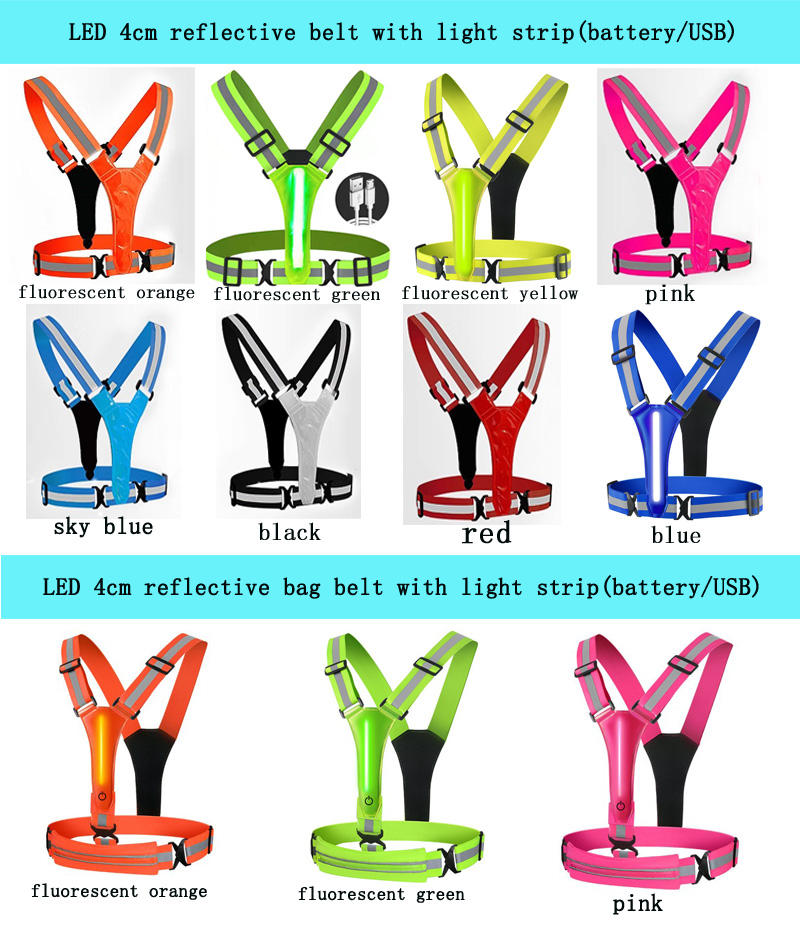
Credit: www.alibaba.com
Additional Safety Gear To Pair With
Reflective bands are great for staying visible. They are even better with other safety gear. Here are some ideas to enhance your safety.
Combining different safety items can make you more visible. It is important to choose the right gear for your needs.
Reflective Vests And Jackets
Reflective vests and jackets are perfect for low-light conditions. They cover more of your body than bands alone.
These clothes are often bright and have reflective strips. They are good for night walks or cycling.
- Easy to wear over regular clothes
- Available in various sizes and styles
- Lightweight and comfortable
Helmet Reflectors
Helmet reflectors make you visible from a higher angle. They are great for cyclists and skaters.
These reflectors attach easily to any helmet. They do not affect the fit or comfort of the helmet.
- Simple to attach and remove
- Lightweight and durable
- Improves visibility from all directions
Led Lights
LED lights are bright and eye-catching. They work well with reflective bands for maximum visibility.
These lights can be clipped onto clothes or bags. They are great for jogging or biking in the dark.
- Rechargeable and long-lasting
- Water-resistant options available
- Various modes like steady and flashing
Common Mistakes To Avoid
Reflective bands are important for staying safe. They help you be seen, especially at night. But, people often make mistakes using them.
Here are some common mistakes to avoid with reflective bands. Staying aware can keep you safer on the road.
Ignoring Band Placement
Where you place the reflective band matters. If it is too low or too high, it may not be seen. Make sure to place the band where it catches light easily.
Proper placement helps drivers notice you. Always check if the band is visible from different angles.
Using Worn-out Bands
Worn-out bands do not reflect light well. This reduces visibility, making them less effective. Check your bands regularly for wear and tear.
If a band looks faded or damaged, replace it. New bands ensure you stay visible to others.
Overlooking Visibility In Daylight
Reflective bands are not just for nighttime. They can also help in daylight. Bright sunlight can create shadows, making you hard to see.
Choose bands that are visible in both day and night. This way, you stay safe at all times.

Credit: www.amazon.ca
Frequently Asked Questions
What Are Reflective Bands Used For In Safety?
Reflective bands increase visibility in low-light conditions. They help pedestrians, cyclists, and workers stay safe by reflecting light from vehicles. Wearing them reduces accident risks by making you more noticeable at night or in poor weather.
How Do I Properly Wear Reflective Bands?
Wear reflective bands on wrists, ankles, or arms for maximum visibility. Ensure they fit snugly but comfortably. Position them where light can easily reflect, like above shoes or on sleeves, to alert drivers and others to your presence.
Can Reflective Bands Improve Night-time Safety?
Yes, reflective bands significantly improve night-time safety. They reflect headlights and streetlights, making you visible from a distance. This visibility helps prevent accidents, especially when walking, running, or cycling in dark or poorly lit areas.
Are Reflective Bands Suitable For All Outdoor Activities?
Reflective bands are versatile and suitable for many outdoor activities. Use them while jogging, cycling, walking, or working outdoors. They enhance safety by increasing visibility regardless of the activity or environment.
Conclusion
Reflective bands help keep you safe by making you visible. Wear them on your arms, legs, or backpack at night. Drivers notice you from far away. This small step can prevent accidents. Use them during walks, runs, or bike rides.
They are lightweight and easy to carry. Safety does not have to be hard. Stay bright, stay seen, and protect yourself. Reflective bands are a simple way to stay safe outdoors. Don’t forget to use them every time you go out.







