
Imagine you’re driving on a quiet road, and suddenly you feel your car pulling to one side. Your tire pressure is low, and you don’t have time to wait for help.
What do you do? Knowing how to use a portable tire inflator in emergencies can save you time, stress, and even money. You’ll learn simple, step-by-step tips to get your tire back to the right pressure quickly and safely. Keep reading—because when you’re stuck, the right knowledge can make all the difference.

Credit: www.youtube.com
Choosing The Right Inflator
Using a portable tire inflator during emergencies can save time and keep you safe. Choosing the right one is important to ensure it works when needed.
This guide explains the types of inflators, key features, and compares battery and corded models.
Types Of Portable Tire Inflators
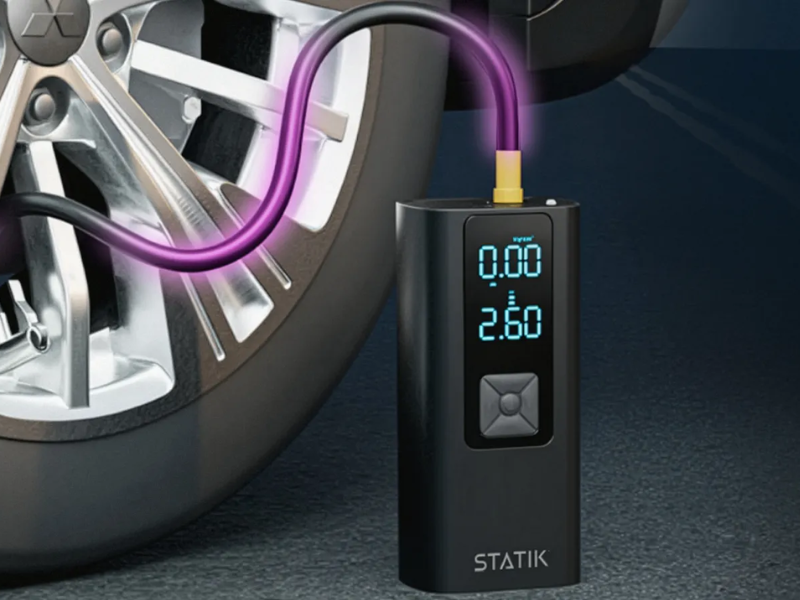
There are mainly three types of portable tire inflators: manual pumps, electric inflators, and CO2 inflators. Manual pumps require physical effort and take longer. Electric inflators are faster and easier to use. CO2 inflators use gas cartridges for quick inflation but need refills.
Key Features To Look For
- Pressure gauge accuracy to avoid overinflation
- Automatic shut-off feature for safety
- Lightweight and compact design for easy storage
- Built-in LED light for use in the dark
- Multiple nozzle adapters for different tire types
Battery Vs. Corded Models
| Feature | Battery-Powered Inflators | Corded Inflators |
|---|---|---|
| Portability | Highly portable, no cords needed | Limited by power outlet location |
| Power Source | Rechargeable or replaceable batteries | Direct electric power from car or wall |
| Usage Time | Depends on battery life | Unlimited while plugged in |
| Inflation Speed | Varies, often slower than corded | Usually faster and consistent |
| Convenience | Good for quick, remote use | Best for longer use near power |
Credit: www.newswire.com
Preparing For Inflation
Using a portable tire inflator in emergencies requires some preparation. Knowing how to check and prepare your tire helps make inflation easier. This guide shows you the key steps to get ready.
Before you start inflating, make sure you understand your tire’s current condition. This can save time and avoid mistakes during the process.
Checking Tire Pressure
Check your tire pressure with a gauge before using the inflator. This helps you know how much air to add.
- Remove the valve cap from the tire.
- Press the tire pressure gauge onto the valve stem.
- Read the pressure displayed on the gauge.
- Compare the reading to the recommended tire pressure in your car’s manual.
Locating The Valve Stem
The valve stem is where you attach the inflator hose. It is usually a small rubber or metal tube on the tire rim.
Look for a cap on the valve stem. Unscrew it and keep it safe while inflating your tire.
Gathering Necessary Tools
| Tool | Purpose |
| Portable Tire Inflator | Inflates the tire with air |
| Tire Pressure Gauge | Measures tire pressure |
| Valve Stem Cap | Keeps valve clean and protected |
| Power Source (Car Battery or Plug) | Supplies power to the inflator |
Having all tools ready saves time and helps avoid mistakes during inflation.
Step-by-step Inflation Process
Using a portable tire inflator during emergencies is quick and easy. This guide shows the simple steps to inflate your tire safely.
Follow each step carefully to avoid damage and ensure your tire is inflated to the right pressure.
Connecting The Inflator To The Tire
First, locate the tire valve stem. Remove the cap from the valve. Attach the inflator’s nozzle firmly onto the valve stem. Make sure it is secure to prevent air leaks.
- Check the nozzle for dirt or debris before attaching.
- Push the nozzle straight onto the valve stem.
- Listen for any hissing sounds that show air escaping.
- Tighten the connection if needed.
Setting The Desired Pressure
Look at your vehicle’s tire pressure recommendation. This is usually on the door frame or in the owner’s manual. Set the inflator to this pressure using the controls.
| Recommended Tire Pressure | Inflator Setting |
| Car Tires | 30-35 PSI |
| SUV Tires | 35-40 PSI |
| Truck Tires | 40-45 PSI |
Operating The Inflator Safely
Turn on the inflator and watch the pressure gauge. Stop the inflator once the set pressure is reached. Remove the nozzle carefully and replace the valve cap.
- Place the inflator on a flat surface.
- Avoid holding the inflator while it runs.
- Do not overinflate the tire.
- Check the tire pressure again after a few minutes.
- Keep the inflator away from water.
Safety Tips During Use
Using a portable tire inflator can help in emergencies. It is important to follow safety tips. This keeps you and your device safe while inflating tires.
Pay close attention to how you use the inflator. Avoid risks by following simple rules. This guide covers key safety areas to watch for.
Avoiding Overinflation
Do not inflate the tire beyond the recommended pressure. Overinflation can cause tire damage or accidents. Always check the tire’s pressure limit first.
- Find the tire pressure number on the tire sidewall or vehicle manual.
- Use the inflator’s gauge to watch the pressure as you pump air.
- Stop inflating once you reach the recommended pressure.
- If unsure, check the pressure again with a separate gauge.
Handling Electrical Components
Portable inflators use electricity and need careful handling. Avoid water or wet surfaces to prevent electric shock. Unplug the device before cleaning or storing it.
| Do | Don’t |
| Keep the inflator dry | Use in rain or wet areas |
| Inspect cables before use | Use if cables are damaged |
| Unplug after use | Leave plugged in unattended |
| Use correct power source | Force plug into wrong socket |
Ensuring Proper Ventilation
Use the inflator in a well-ventilated area. This helps avoid overheating and prevents fumes from building up. Keep the device clear of any blocks or covers.
- Place the inflator on a flat, open surface.
- Do not use inside closed garages or rooms.
- Keep vents on the inflator free from dust and dirt.
- Allow the device to cool if it feels hot.
Maintaining Your Inflator
Keeping your portable tire inflator in good shape helps it work well during emergencies. Regular care extends its life and keeps it ready to use.
Learn simple ways to clean, store, check, and care for your inflator’s battery. These tips help you avoid problems on the road.
Regular Cleaning And Storage
Clean your inflator after each use. Dirt and dust can block vents and damage parts.
Store the inflator in a dry, cool place. Avoid places with high heat or moisture.
- Wipe the surface with a dry cloth
- Check and clean the air hose and nozzle
- Keep the inflator in its original case or a sealed bag
- Store away from direct sunlight
Checking For Wear And Tear
Look over your inflator regularly for cracks, loose parts, or damaged cords. These can cause it to fail.
Replace any worn parts as soon as you find them. Using a damaged inflator can be unsafe.
- Inspect the power cord and plug for frays
- Check the air hose for holes or cracks
- Make sure buttons and switches work properly
- Test the pressure gauge for accuracy
Battery Care And Replacement
Keep the battery charged according to the instructions. Avoid letting it drain completely often.
Replace the battery if it no longer holds a charge or shows damage. A bad battery can stop the inflator from working.
- Charge the battery after every use or monthly
- Store the inflator with a partial charge if unused long
- Use only the recommended charger and battery type
- Dispose of old batteries safely at recycling centers

Credit: www.amazon.com
Troubleshooting Common Issues
Using a portable tire inflator can be tricky during emergencies. Knowing how to troubleshoot common issues can save time and stress.
Here are some tips to help you solve problems with your tire inflator.
Inflator Not Starting
Sometimes, the inflator may not start at all. This can be due to several reasons. Checking a few things can help you fix the issue.
- Ensure the power source is connected properly.
- Check if the power switch is in the “On” position.
- Inspect the fuse and replace if necessary.
Slow Inflation Problems
If the tire inflates slowly, it can be frustrating. Here are some steps to identify the cause and improve performance.
| Possible Cause | Solution |
| Low battery power | Recharge or replace the battery |
| Air leaks | Tighten connections and check hose for damage |
| Blocked air intake | Clear any debris from the intake area |
Pressure Gauge Malfunctions
The pressure gauge is essential for accurate inflation. If it malfunctions, you might overinflate or underinflate your tire.
Frequently Asked Questions
How Do I Use A Portable Tire Inflator Safely?
First, park your vehicle on a flat surface and turn off the engine. Attach the inflator nozzle securely to the tire valve. Set the recommended pressure and turn on the inflator. Monitor the pressure gauge and stop when the desired pressure is reached.
Can A Portable Tire Inflator Fix All Flat Tires?
A portable tire inflator helps only with low tire pressure or slow leaks. It does not repair large punctures or blowouts. For severe tire damage, you need a tire repair kit or professional assistance.
How Long Does It Take To Inflate A Tire With A Portable Inflator?
Inflation time depends on the tire size and inflator power. On average, it takes 3 to 5 minutes to reach proper pressure. Always monitor the pressure gauge to avoid overinflation.
What Power Source Do Portable Tire Inflators Use?
Most portable tire inflators use 12V DC power from your vehicle’s cigarette lighter socket. Some models come with rechargeable batteries or can connect to a USB power source for convenience.
Conclusion
A portable tire inflator helps you stay safe on the road. It fills tires quickly during emergencies. Carry it in your car at all times. Practice using it before you really need it. This small tool saves time and stress.
Knowing how to use it builds confidence. Keep your tires properly inflated for better driving. Don’t wait for a flat tire to act. Stay prepared and avoid getting stranded. Portable tire inflators are simple and useful tools. Use them wisely and drive with peace of mind.







