
Imagine you’re stuck with a dead car battery, and no one is around to help. Frustrating, right?
But what if you had a simple device that could get your engine running again in minutes? That’s exactly what a portable jump starter does. It’s small, easy to use, and can save you from stressful situations. You’ll learn exactly how to use your portable jump starter quickly and safely.
By the end, you’ll feel confident and ready to tackle any unexpected battery trouble on your own. Keep reading to discover the step-by-step guide that could make all the difference when you need it most.
Choosing The Right Jump Starter
Picking the right portable jump starter is important for safety and performance. You need one that fits your car and your needs.
This guide covers key points to help you choose the best jump starter for your vehicle.
Battery Capacity And Power
Battery capacity shows how much power the jump starter holds. Higher capacity means more starts before recharging.
Power is measured in peak amps. Your jump starter needs enough amps to start your vehicle’s engine.
| Vehicle Type | Recommended Peak Amps |
| Small Cars | 200-400 Amps |
| Mid-size Cars | 400-600 Amps |
| Trucks and SUVs | 600-1000 Amps |
Safety Features To Consider
Safety features protect you and your vehicle during jump starting. Look for these important ones.
- Reverse polarity protection stops damage if clamps connect wrong
- Short circuit protection prevents sparks and fire risks
- Overcharge protection keeps the battery safe from too much power
- Automatic shutoff stops the jump starter after use
Portability And Size
Choose a jump starter that is easy to carry and store. Size and weight matter for convenience.
Smaller models fit in glove boxes but may have less power. Larger models hold more power but weigh more.
- Check weight before buying
- Look for compact design
- Consider if it fits your car space

Credit: www.youtube.com
Preparing For Jump Starting
Using a portable jump starter is easy if you prepare properly. Preparation helps you avoid damage and keep safe.
Start by checking the battery and knowing where to connect the jump starter. Follow safety rules to protect yourself.
Checking Battery Condition
Look at the car battery before jump starting. Check for cracks, leaks, or corrosion on the terminals. If the battery is damaged, do not try to jump start.
Locating Battery Terminals
Find the battery under the hood or sometimes in the trunk. Identify the positive terminal marked with a “+” and the negative terminal marked with a “−”.
- The positive terminal usually has a red cover.
- The negative terminal is often black or unmarked.
- Clean terminals if they have dirt or corrosion.
Safety Precautions
| Precaution | Reason |
|---|---|
| Wear safety glasses | Protect eyes from sparks or acid |
| Do not smoke or use open flames | Battery gases can ignite |
| Connect cables in correct order | Prevent short circuits and sparks |
| Keep metal objects away | Avoid accidental contact causing sparks |
Step-by-step Jump Starting
Using a portable jump starter is a safe way to start a dead car battery. Follow the steps carefully to avoid damage.
Make sure you read your jump starter’s manual before you begin. Keep the area clear and work in a well-ventilated space.
Connecting The Clamps Correctly
Attach the jump starter clamps to the battery terminals with care. Correct connection prevents sparks and damage.
- Connect the red clamp to the positive (+) terminal of the dead battery.
- Connect the black clamp to a metal ground on the car, away from the battery.
- Do not connect the black clamp to the negative (-) battery terminal.
- Make sure clamps are secure and not touching each other.
Powering On The Jump Starter
Turn on your portable jump starter after clamps are connected. This allows it to deliver power to the battery.
| Action | Details |
| Check battery charge | Ensure jump starter is fully charged before use |
| Turn on device | Press the power button to activate |
| Confirm connection | Look for indicator lights or sounds |
Starting The Vehicle
Start the car engine after the jump starter is powered on. This will use the stored power to turn the engine.
- Insert the key or press the start button as usual.
- Wait for the engine to start running smoothly.
- If the engine does not start within 10 seconds, wait a few minutes and try again.
- Do not crank the engine for more than 15 seconds at a time.
Disconnecting Safely
Remove the clamps carefully after the vehicle starts. Follow the correct order to avoid sparks or damage.
| Order | Clamp | Where to Remove From |
|---|---|---|
| 1 | Black clamp | Metal ground on the car |
| 2 | Red clamp | Positive (+) battery terminal |
Turn off the jump starter and store it safely after use. Keep clamps away from each other to avoid short circuits.
After Jump Starting Care
After you jump start your vehicle, proper care of your portable jump starter is important. This helps keep the device ready for future use and extends its life.
Follow these simple guidelines to maintain your jump starter and know when to get help if problems arise.
Charging The Jump Starter
Charge your jump starter as soon as possible after use. This restores the battery and ensures it will work next time you need it.
- Connect the jump starter to its charger.
- Plug the charger into a power outlet.
- Allow it to charge fully before storing.
- Do not overcharge the device; unplug when done.
Maintaining Your Device
Regular maintenance keeps your jump starter in good condition. Check it monthly to prevent issues.
- Store in a cool, dry place away from direct sunlight.
- Keep the terminals clean and free of corrosion.
- Inspect cables and clamps for damage before use.
- Charge the battery every 3 to 6 months if unused.
When To Seek Professional Help
If your jump starter does not hold a charge or fails to start a vehicle, it may need repair.
| Problem | Possible Cause | Action |
|---|---|---|
| Won’t charge | Battery fault or charger issue | Contact a technician |
| Does not start vehicle | Low battery power or faulty cables | Have device checked professionally |
| Damaged cables | Wear or accidental damage | Replace or repair cables |
Common Mistakes To Avoid
Using a portable jump starter can save time and trouble. Many people make simple mistakes that cause problems. Avoid these errors to use your jump starter safely and correctly.
Knowing what not to do is as important as knowing how to use the device. This guide shows common mistakes to avoid for better results.
Wrong Clamp Connections
Connecting the clamps to the wrong battery terminals can cause sparks or damage. Always connect the red clamp to the positive (+) terminal. The black clamp goes to the negative (-) terminal or a metal ground.
Never attach clamps to the wrong spots. This can lead to electric shocks or harm the car’s electrical system.
- Red clamp → Positive (+) battery terminal
- Black clamp → Negative (-) terminal or metal ground
- Do not touch clamps together while connected
Ignoring Safety Guidelines
Safety rules protect you and your vehicle. Read the jump starter manual before use. Wear gloves and eye protection if possible. Keep sparks and flames away from the battery.
Do not use the jump starter if the battery is cracked or leaking. Always turn off the vehicle and the jump starter before connecting or disconnecting clamps.
- Wear safety gear like gloves and goggles
- Keep open flames and sparks away
- Do not use damaged batteries
- Turn off devices before clamping
Using In Extreme Weather
Extreme cold or heat can reduce the jump starter’s performance. Avoid using it in very low or high temperatures. Store the device in a dry, moderate place.
Cold weather can make batteries weaker. Heat can damage the jump starter’s internal parts. Check the device’s temperature limits in the manual before use.
- Do not use below freezing temperatures
- Avoid using in very hot conditions
- Store in dry and cool places
- Check device temperature limits
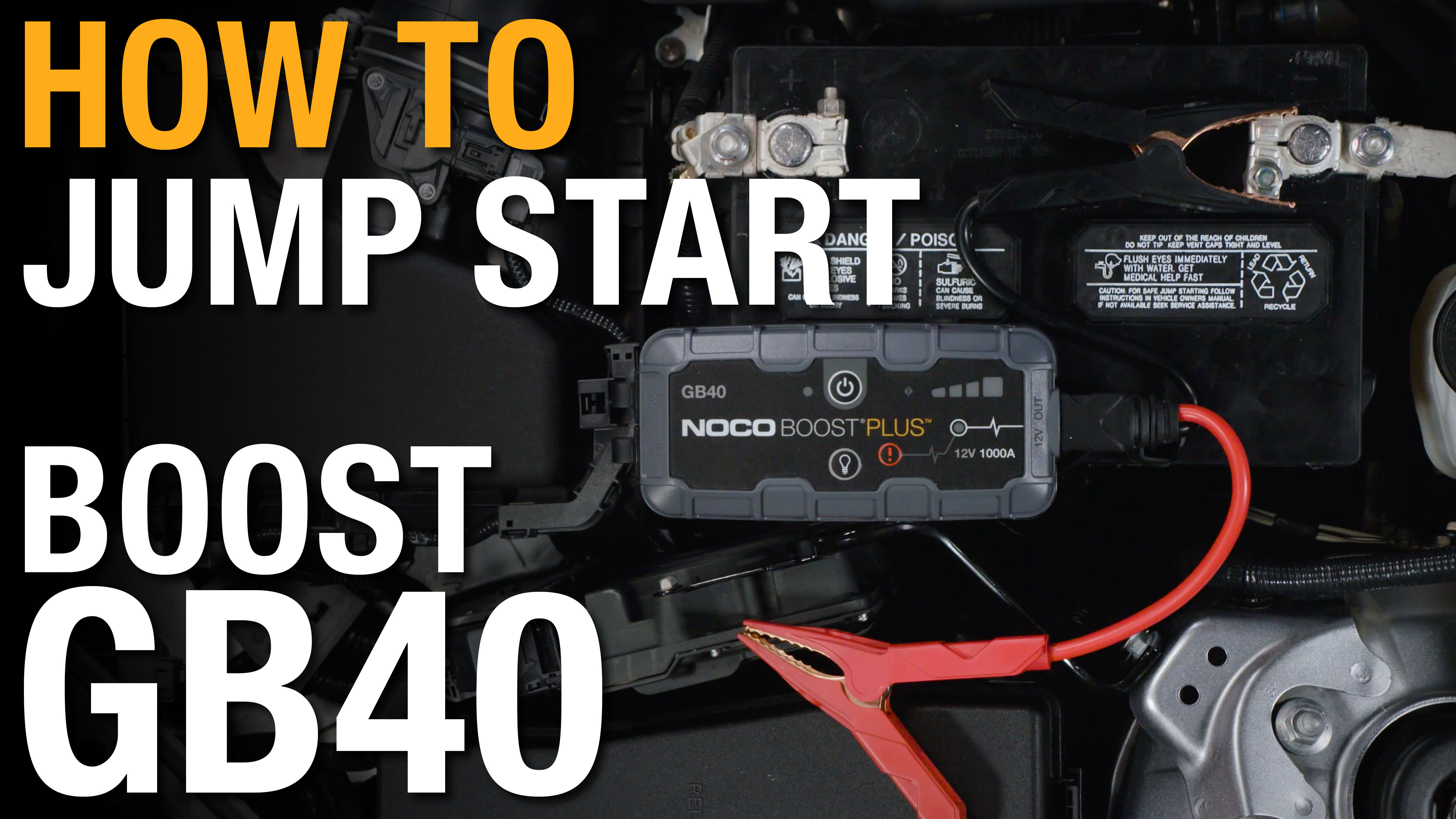
Credit: no.co
Extra Uses For Portable Jump Starters
Portable jump starters are not just for cars. They have many other uses that can be very handy. Knowing these extra uses can help you in daily life.
From powering small gadgets to providing emergency lighting, portable jump starters are useful. They can also be great for outdoor and camping adventures.
Powering Small Electronics
Portable jump starters can charge small electronics. They come with USB ports to power devices like phones and tablets.
This feature is helpful when you are away from an electrical outlet. You can keep your gadgets running with ease.
- Charge your smartphone
- Power up your tablet
- Keep your camera ready for photos
Emergency Lighting
In a power outage, portable jump starters are useful. They can power emergency lights, helping you see in the dark.
Many jump starters have built-in flashlights. This makes them perfect for unexpected situations where light is needed.
- Use the built-in flashlight
- Connect to portable lamps
- Light up your path during a blackout
Outdoor And Camping Uses
Outdoor adventures are more fun with portable jump starters. They can power small camping gear and other devices.
Whether camping in the woods or having a picnic, these devices keep your electronics charged. They make outdoor activities more convenient.
- Power portable fans
- Charge camping lanterns
- Keep your GPS device active

Credit: www.amazon.com
Frequently Asked Questions
How Do I Safely Connect A Portable Jump Starter?
Connect the red clamp to the positive battery terminal first. Then attach the black clamp to a metal ground. Avoid sparks by ensuring clamps do not touch each other. Always follow the jump starter’s manual for safe use.
How Long Does A Portable Jump Starter Last?
Most portable jump starters hold a charge for about 3 to 6 months. Regularly recharge it every few months to maintain battery life. Usage frequency and storage conditions can affect how long it stays charged.
Can I Use A Portable Jump Starter On Any Vehicle?
Portable jump starters generally work on cars, trucks, motorcycles, and boats. Check the jump starter’s power rating to ensure compatibility with your vehicle’s battery. Always verify the voltage matches your vehicle’s system.
What Should I Do If The Jump Starter Doesn’t Work?
If it doesn’t start your vehicle, check all connections first. Ensure the jump starter is fully charged and clamps are secure. If it still fails, your vehicle’s battery or starter might need professional attention.
Conclusion
Using a portable jump starter keeps you ready for car troubles anytime. Always follow safety steps to avoid accidents. Keep the device charged and store it in your car. It saves time and helps in emergencies without needing another vehicle.
Practice using it at home to feel confident. A small tool that offers big peace of mind. Stay prepared and drive with less worry. Portable jump starters make roadside problems easier to handle. Simple, quick, and helpful—just what every driver needs.







