
Have you ever noticed a small scratch or chip on your car’s paint and wondered how to fix it without spending a fortune? You’re not alone.
These little blemishes can make your car look older and less cared for, but the good news is you don’t need to be a professional to repair them. With the right paint touch-up techniques, you can restore your car’s shine and protect it from further damage.
You’ll learn simple, step-by-step tips to use paint touch-up on your car effectively—saving you time, money, and frustration. Keep reading to discover how easy it is to make your car look like new again.
Choosing The Right Paint
Using the right paint for car touch up is important. It helps keep the car looking good and protects it from rust.
Picking the right paint needs care. You must know your car’s exact color and paint type.
Matching Your Car’s Color
Every car has a color code. This code helps find the exact paint shade for your car.
You can find the color code inside the driver’s door frame or in the owner’s manual. Use this code to get a perfect match.
- Locate the color code on your car
- Use the code to find matching paint
- Test the paint on a small area first
Types Of Touch-up Paint
There are many types of touch-up paint. Choose one that fits your car’s paint type and damage size.
Touch-up paint can be in pens, bottles, or spray cans. Each type works best for different touch-up jobs.
- Paint Pens:Good for small scratches and chips
- Bottle with Brush:Best for larger chips or small dents
- Spray Cans:Ideal for bigger areas and blending
Where To Buy Quality Paint
Buy paint from trusted sources. Quality paint lasts longer and looks better after drying.
Look for authorized dealers, car brand stores, or certified auto parts shops. They offer paint that matches your car’s color code.
- Car manufacturer dealerships
- Authorized auto parts stores
- Online stores with verified products
- Automotive paint specialists

Credit: www.youtube.com
Preparing The Surface
Preparing your car’s surface is key before using paint touch up. It helps the paint stick and look smooth. This guide covers cleaning, sanding, and rust removal.
Take your time with each step. A clean and smooth surface makes your touch-up paint last longer and look better.
Cleaning The Area
Start by washing the damaged area with soap and water. This removes dirt and grease that block paint adhesion. Dry the area completely before moving on.
- Use a mild car soap and warm water.
- Gently scrub the spot with a soft cloth or sponge.
- Rinse thoroughly to remove all soap.
- Dry with a clean towel or let air dry.
Sanding For Smoothness
Sanding creates a smooth base for paint. It removes rough edges and old paint flakes. Use fine-grit sandpaper and work gently.
| Sandpaper Grit | Purpose |
|---|---|
| 400-600 | Remove rust spots and old paint |
| 800-1000 | Smooth the surface before painting |
| 1500-2000 | Final smoothing after paint dries |
Removing Rust And Debris
Rust and debris can ruin your paint job. Use a wire brush or rust remover to clear these away. Make sure the surface is clean and dry afterward.
- Scrub rust spots with a wire brush.
- Apply rust remover according to instructions.
- Wipe the area clean with a cloth.
- Let the surface dry fully before painting.
Applying The Touch-up Paint
Applying touch-up paint on your car fixes small scratches and chips. It helps keep your car looking good.
Using the right technique can make the repair less visible. Be patient and careful while applying the paint.
Using A Brush Or Pen
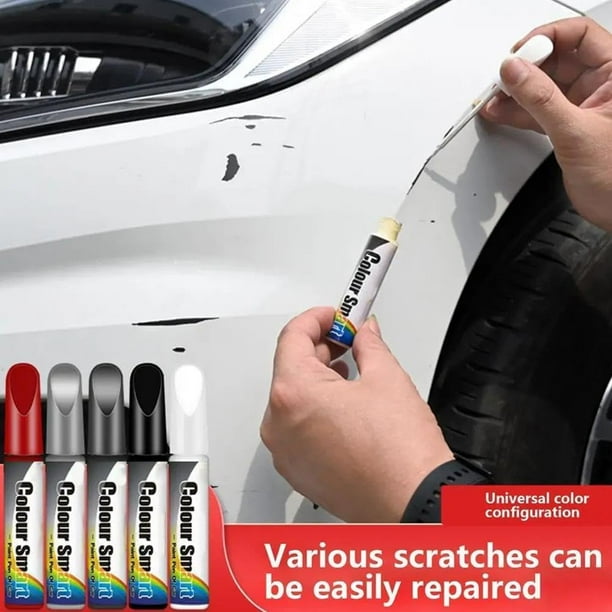
Choose a fine brush or paint pen for precise application. These tools help you control the amount of paint.
Dip the brush or pen lightly into the paint. Apply gently to cover only the damaged area without spreading.
Layering Thin Coats
Apply the paint in thin layers instead of one thick coat. Thin coats dry faster and look smoother.
Wait for each layer to dry before adding the next. Repeat until the damaged spot is fully covered.
- Thin layers prevent drips and bubbles
- Multiple coats build up color gradually
- Better color match and finish
Allowing Proper Drying Time
Let the paint dry completely between coats and after the final layer. This avoids smudging and uneven texture.
Drying time depends on paint type and weather. Usually, wait at least 20 to 30 minutes for each coat.
- Dry paint sticks better to the car surface
- Prevents dust and dirt from sticking
- Ensures a smooth, long-lasting finish
Credit: www.walmart.ca
Finishing Touches
After applying paint touch up on your car, the final steps matter a lot. These steps help the paint blend and last longer. Proper finishing gives your car a clean, smooth look.
Focus on sanding, clear coating, and polishing. These make the repair less visible and protect the paint from damage.
Sanding Between Coats
Light sanding helps smooth the paint after each coat. Use fine-grit sandpaper to avoid damage. Sanding removes bumps and dust spots, making the surface ready for the next layer.
- Wait for the paint to dry completely before sanding.
- Use 1000 to 1500 grit sandpaper for light sanding.
- Sand gently with circular motions.
- Clean the area with a damp cloth after sanding.
Applying Clear Coat
The clear coat protects the paint and adds shine. Apply it evenly to cover the repaired area fully. The clear coat also helps the paint resist scratches and fading.
| Clear Coat Tips | |
| Use a spray or brush as recommended | Apply thin, even layers |
| Allow each layer to dry before applying next | Avoid thick coats to prevent runs |
| Work in a dust-free area | Use proper ventilation |
Polishing For Shine
Polishing removes minor imperfections and brings out the shine. Use a fine polishing compound and a soft cloth. Polish gently to avoid removing too much clear coat.
- Wait at least 24 hours after the clear coat dries.
- Apply a small amount of polish on a soft cloth.
- Rub the polish on the repaired area in small circles.
- Buff the area with a clean cloth to a glossy finish.
Tips For Best Results
Using paint touch up on your car can fix small scratches and chips. It helps keep your car looking good and protects it from rust.
Follow simple tips to get the best results and make the repair last longer.
Working In Ideal Conditions
Paint touch up works best in a clean, dry place. Avoid windy or dusty areas that can ruin the finish.
Choose a day with mild temperatures. Too hot or too cold weather can affect how the paint dries.
- Work in shade to stop direct sunlight
- Keep the area dust-free and clean
- Use a garage or covered space if possible
- Avoid humidity or rain during the process
Avoiding Common Mistakes
Many people make errors that affect the paint touch up quality. Take your time and follow the steps carefully.
Do not rush applying the paint. Thin layers dry better and look smoother than thick ones.
- Clean the area before painting
- Use the correct paint color for your car
- Apply thin coats, let each dry before next
- Avoid touching the wet paint
- Do not skip sanding if the surface is rough
Maintaining Your Car’s Finish
After painting, protect the area to keep it looking new. Regular care helps your repair last longer.
Wash your car gently and apply wax to shield the paint. Check the repaired spot often for damage.
- Wash the car with mild soap and water
- Use soft cloths to avoid scratches
- Apply car wax every few months
- Park in shade to prevent fading
- Fix new chips quickly to prevent rust

Credit: www.youtube.com
Frequently Asked Questions
How Do I Prepare My Car For Paint Touch Up?
Clean the area thoroughly with soap and water. Dry it completely. Lightly sand the damaged spot to smooth the surface. Remove dust before applying paint. Proper preparation ensures better adhesion and a seamless finish.
What Type Of Paint Should I Use For Touch Ups?
Use OEM-matched touch-up paint for best results. Check your car’s paint code for accuracy. This ensures color consistency and professional-looking repairs. Avoid generic paints, as they may not match your car’s original shade.
How Long Does Paint Touch Up Take To Dry?
Touch-up paint usually dries to the touch within 20-30 minutes. Full curing can take 24-48 hours depending on conditions. Avoid washing or polishing the area during this time to prevent damage.
Can Paint Touch Up Fix Deep Scratches?
Yes, paint touch up can cover deep scratches if properly prepped. Fill deeper scratches with primer first. Multiple layers may be needed for a smooth finish. However, very deep damage might require professional repair.
Conclusion
Using paint touch up on your car helps keep it looking fresh. Small scratches and chips do not need costly repairs. Take your time and follow the steps carefully. Clean the area well before applying the paint. Let the paint dry completely for best results.
Regular touch ups protect your car’s finish and value. Keep your car looking good with simple care. Now, you can fix minor paint damage yourself. A little effort goes a long way in car care.







