
Imagine being in a dark, unfamiliar place with no way to call for help. What if your phone dies or you have no signal?
Your flashlight can become your lifeline. Knowing how to use flashlight signaling in emergencies could save your life or the life of someone you care about. You’ll learn simple, effective techniques that anyone can use to send clear signals when it matters most.
Keep reading, because these easy steps might be the key to getting help faster than you ever thought possible.
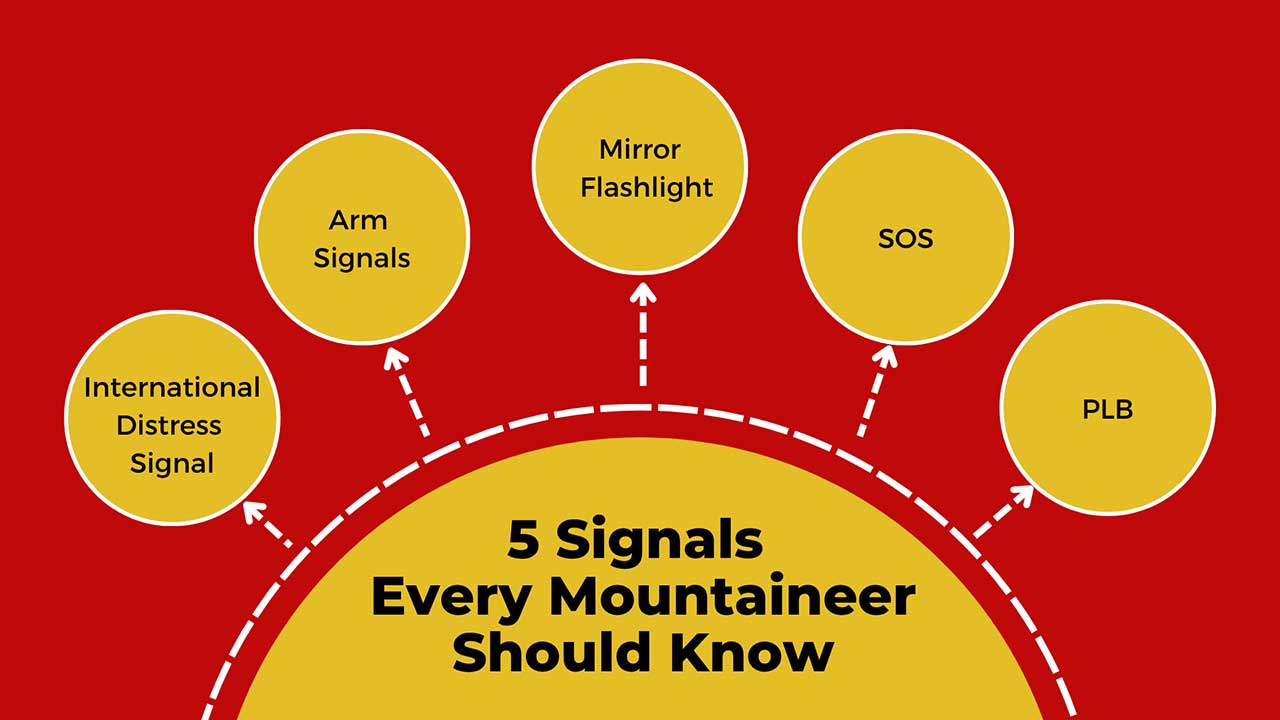
Credit: ascentdescentadventures.com
Basics Of Flashlight Signaling
Flashlight signaling helps you send messages when you need help. It works well at night or in dark places. You can use simple light signals to get attention from rescuers.
Knowing how to use a flashlight for signaling can increase your chances of being found. It is a useful skill in many emergency situations.
Types Of Flashlights Suitable For Signaling
Not all flashlights work well for signaling. Brightness, size, and beam focus matter. Choose a flashlight that is easy to carry and use in emergencies.
- LED flashlights: Bright and use less battery power.
- Tactical flashlights: Durable and designed for outdoor use.
- Headlamps: Hands-free and good for continuous signaling.
- Signal flashlights: Some have built-in SOS modes for emergencies.
Essential Signaling Techniques
Using the right signaling techniques helps you send clear messages. Keep your signals simple and repeat them to attract attention.
- Use short flashes for dots and long flashes for dashes to send Morse code.
- Flash the light three times to signal help or distress.
- Point the light towards the direction of rescue teams or searchers.
- Use a mirror or shiny surface to reflect the flashlight beam.
- Repeat your signals at regular intervals to maintain visibility.
Advantages Of Flashlight Signals In Emergencies
| Advantage | Description |
| Visibility | Flashlights can be seen from far away at night. |
| Battery Life | Many flashlights use energy-efficient LEDs that last long. |
| Portability | Flashlights are small and easy to carry. |
| Easy Use | Simple on/off controls allow quick signaling. |
| Multi-Purpose | Flashlights provide light and signal help at the same time. |
Common Emergency Signals
Flashlight signaling is a useful way to send messages when voice or radio is not possible. It can attract help or communicate with others during emergencies.
Knowing common signals helps you send clear messages quickly. This guide covers Morse code, international distress signals, and how to make your own signals.
Morse Code Basics For Flashlight
Morse code uses short and long flashes to represent letters and numbers. A short flash is called a “dot,” and a long flash is called a “dash.”
- A dot (.) is a quick flash.
- A dash (-) is a flash three times longer than a dot.
- Pause briefly between dots and dashes in a letter.
- Pause longer between letters.
- Pause even longer between words.
International Distress Signals
Several flashlight signals are recognized worldwide as calls for help. These signals can save lives by alerting rescuers.
| Signal | Meaning | How to Signal |
|---|---|---|
| SOS | Help, emergency | Three short flashes, three long flashes, three short flashes |
| Continuous Flashing | Attention needed | Flash on and off repeatedly at a steady pace |
| One Long Flash | Stop or wait | Flash light on for a long time, then off |
Creating Custom Signals
You can make your own signals with a flashlight. Keep them simple and agreed upon by your group before use.
- Use a set number of flashes for specific messages.
- Try patterns like two flashes for “yes,” one flash for “no.”
- Keep signals short to avoid confusion.
- Practice your signals regularly.
Preparing Your Flashlight For Emergencies
Having a ready flashlight can save lives in emergencies. Proper preparation ensures it works when you need it most.
This guide covers battery care, key features to choose, and how to keep your flashlight accessible.
Battery Maintenance Tips
Good battery care keeps your flashlight reliable. Check batteries regularly and replace them when weak.
- Test batteries monthly to ensure full power.
- Remove batteries if you do not plan to use the flashlight for a long time.
- Store spare batteries in a cool, dry place.
- Use the battery type recommended by the manufacturer.
- Keep battery contacts clean and free of corrosion.
Choosing The Right Flashlight Features
Select a flashlight with features that match emergency needs. Brightness, size, and durability matter most.
| Feature | Why It Matters |
| Brightness (Lumens) | Higher lumens light up larger areas. |
| Size and Weight | Small and light flashlights are easy to carry. |
| Water Resistance | Protects flashlight in wet conditions. |
| Multiple Modes | Allows signal and low light settings. |
| Battery Type | Rechargeable or replaceable batteries offer options. |
Carrying And Accessibility
Keep your flashlight where you can grab it fast. It should be easy to reach in dark or stressful situations.
Tips for carrying your flashlight:
- Store it near your bed or exit doors.
- Use a belt clip or carabiner to attach it to your bag or clothes.
- Keep a flashlight in your car’s glove box.
- Make sure all household members know its location.
Executing Flashlight Signals Effectively
Using a flashlight to signal in emergencies can save lives. It helps rescuers find you faster. Knowing how to do it right increases your chances of being seen.
This guide covers where to send signals, how to make them clear, and mistakes to avoid. Follow these tips to use your flashlight well in urgent situations.
Choosing The Right Location And Timing
Pick a place where your light can be seen clearly. Open areas with little cover work best. Avoid bright lights nearby that can hide your signal.
- Find high ground like a hill or rooftop.
- Stay away from dense trees or buildings.
- Signal during dark hours for better visibility.
- Use signals when rescuers are likely searching.
- Avoid fog or heavy rain if possible.
Techniques To Maximize Visibility
Use clear and strong flashes to catch attention. The SOS signal is a good standard: three short, three long, three short flashes.
| Signal Pattern | Duration | Description |
| Short Flash | 1 second | Quick blink to startle attention |
| Long Flash | 3 seconds | Hold the light steady |
| Pause | 1 second | Wait between flashes |
Keep your arm steady. Aim the beam where people can see it. Repeat signals in cycles to increase chances of notice.
Avoiding Common Mistakes
Some errors reduce signal effectiveness. Avoid these to improve your rescue chances:
- Do not wave the light too fast or too slow.
- Never shine the light directly in eyes; use gentle flashes.
- Do not use random flashing; stick to simple patterns.
- Avoid covering the light accidentally with your hand.
- Do not stop signaling too soon; wait for help.
Using Flashlight Signals In Different Environments
Flashlight signaling is a simple and effective way to call for help. It works in many places and situations. Knowing how to use signals in different environments can save lives.
Each setting needs a different approach. Light signals must be clear and easy to see. This guide explains how to use flashlight signals in urban, wilderness, and marine areas.
Urban Settings
In cities, light pollution can make signals hard to see. Use bright, short flashes to get attention quickly. Flash your light at windows or reflective surfaces to increase visibility.
Stay near open areas like streets or parks. Avoid signaling near other lights that can confuse people. Use a steady on-off pattern to show you need help.
- Use bright, short flashes
- Signal near open spaces
- Avoid other bright lights
- Use clear on-off patterns
Wilderness And Remote Areas
In the wilderness, darkness helps your flashlight stand out. Use the SOS signal with three short, three long, and three short flashes. Repeat this pattern to attract rescuers.
Make sure to point your light towards open spaces like clearings or trails. Avoid shining it directly at trees or bushes. Use reflective objects if possible to increase your signal range.
- Use the SOS signal pattern
- Point light to open spaces
- Avoid shining into dense foliage
- Use reflectors to boost signal
Marine And Water-based Situations
On water, darkness and open views help signals show well. Use a strong flashlight or a waterproof one. Flash three short bursts to signal distress or attract attention.
Wave the light slowly from side to side. This movement helps rescuers spot you from a distance. Avoid pointing the light directly at water to reduce glare.
- Use a strong or waterproof flashlight
- Flash three short bursts for distress
- Wave light side to side
- Avoid pointing light at water surface
Additional Tools To Enhance Signaling
Flashlight signaling is vital in emergencies. Tools can help signals be noticed faster. Enhancing visibility and sound can ensure help arrives sooner.
Different tools can make signals clearer. Here are some tools that can be used alongside flashlights to improve emergency signaling.
Reflective Surfaces And Mirrors
Reflective surfaces help flashlights signal across long distances. Mirrors can bounce light to areas not directly reachable.
Use a small mirror to reflect sunlight. This can catch the attention of people far away. Reflective surfaces are easy to carry and very effective.
Whistles And Other Audio Signals
Whistles are loud and can be heard when visibility is low. Audio signals can reach rescuers even when obstacles block light.
Blow a whistle in regular intervals to create a pattern. This helps distinguish your sound from natural noises. Other tools like air horns can also be helpful.
Combining Signals For Greater Effectiveness
Combining light and sound signals increases chances of being noticed. Use both flashlight and whistle together for maximum impact.
Flash the light and blow the whistle simultaneously. This can alert both visual and audio senses of people nearby. Combining signals is a smart way to ensure rescue.
- Flashlight plus mirror for long-distance signals
- Whistle for audio alerts
- Use both for the best chance of rescue
Training And Practice Tips
Using a flashlight for signaling can be vital in emergencies. Training helps you stay ready. Practice ensures you know what to do when it matters.
Build skills to communicate effectively with a flashlight. Regular drills and learning are key components.
Regular Drills To Improve Skills
Practicing regularly improves your flashlight signaling skills. Drills help you remember the steps during an emergency.
Schedule practice sessions monthly. Use different scenarios to challenge yourself.
- Practice in low-light conditions
- Signal to a partner at a distance
- Use different flashlight modes
Learning Morse Code Efficiently
Morse code is a key part of flashlight signaling. Learning it helps you send clear messages.
Start with simple letters. Practice daily to remember the codes. Use apps or online tools for fun learning.
- Learn basic SOS signals
- Practice common letters like E and T
- Use flashcards for quick recall
Simulating Real Emergency Scenarios
Simulations prepare you for real emergencies. They teach you how to stay calm and use your skills under pressure.
Create different scenarios with friends or family. Include obstacles to make it realistic.
- Signal across a field or room
- Communicate during a power outage
- Use signals to guide someone to safety

Credit: grimworkshop.com

Credit: www.youtube.com
Frequently Asked Questions
What Is Flashlight Signaling In Emergencies?
Flashlight signaling is using light flashes to communicate distress or important messages during emergencies. It helps rescuers locate you quickly. Learning basic signals, like SOS, enhances safety in low visibility situations.
How Do I Send An Sos With A Flashlight?
To send SOS, use three short flashes, three long flashes, then three short flashes again. This Morse code signal universally means distress and alerts rescuers to your emergency.
When Should I Use Flashlight Signaling?
Use flashlight signaling when stranded, lost, or in danger during nighttime or low visibility. It’s effective for attracting attention from rescuers or nearby people without verbal communication.
What Are The Best Flashlight Signaling Techniques?
Use Morse code signals, steady flashes, or rhythmic patterns. Short, long, and repeated flashes convey specific messages. Practice these techniques before emergencies for efficient communication.
Conclusion
Using a flashlight to signal can save lives in emergencies. Keep your light ready and know simple signals. Practice sending clear, quick flashes to catch attention. Stay calm and use the flashlight to guide rescuers. Remember, even small signals can make a big difference.
Always carry a reliable flashlight on trips or hikes. Being prepared helps you stay safe and found fast. Flashlight signaling is a simple skill everyone should learn. It can turn a scary moment into hope and help.







