
Imagine you’re driving on a quiet road when suddenly your tire goes flat. You might feel stranded, stressed, or unsure about what to do next.
But what if you had a simple tool right in your car that could get you back on the road quickly and safely? Knowing how to use a car tire inflator in an emergency can save you time, money, and a lot of hassle.
You’ll learn easy steps to handle your tire inflator like a pro, even if you’ve never used one before. Keep reading—your next roadside problem could be solved faster than you think.

Credit: www.amazon.ca
Choosing The Right Inflator
Car tire inflators are useful tools for fixing flat tires quickly. Picking the right inflator helps you stay safe during emergencies.
Different inflators work best for different needs. Learn about types, key features, and power sources to choose well.
Types Of Car Tire Inflators
There are several types of tire inflators. Each one has its own use and benefits.
- Portable Air Compressors:Small and easy to carry. Plug into your car’s 12V socket.
- CO2 Inflators:Use carbon dioxide cartridges to inflate tires fast. Good for quick fixes.
- Manual Pumps:Hand or foot pumps that don’t need power. Require physical effort.
- Electric Inflators:Use battery or plug-in power. Inflate tires without much effort.
Key Features To Look For
| Feature | Why It Matters |
|---|---|
| Pressure Gauge | Shows tire pressure to avoid over or under inflation |
| Auto Shutoff | Stops inflator at set pressure to prevent damage |
| Portability | Easy to carry and store in your vehicle |
| Durability | Lasts long and works under rough conditions |
| Multiple Nozzle Attachments | Fits different tire valves and other inflatables |
Power Sources Explained
Inflators need power to work. They use different sources depending on the type.
- Car Battery (12V Outlet):Common for portable compressors. Easy to use in your car.
- Rechargeable Batteries:Provide cordless use. Check battery life before trips.
- CO2 Cartridges:Compact and fast. Limited use per cartridge.
- Manual Power:No electricity needed. Good backup option.

Credit: www.discountdelights.co.uk
Preparing For Inflation
Knowing how to use a car tire inflator helps you fix flat tires fast. It is important to prepare well before starting.
Preparing your tire and inflator correctly keeps you safe and saves time. Follow these tips for good results.
Checking Tire Pressure
First, check the current tire pressure with a gauge. Compare it to the recommended pressure in your car manual or door sticker.
- Remove the valve cap from the tire.
- Press the pressure gauge firmly on the valve.
- Read the pressure displayed on the gauge.
- Write down the pressure for reference.
Safety Precautions
Safety is important when inflating tires. Make sure to keep yourself and others safe near the car.
- Park your car on a flat surface away from traffic.
- Turn on hazard lights to alert other drivers.
- Wear gloves to protect your hands.
- Do not stand directly in front of the tire while inflating.
- Check for any visible tire damage before inflating.
Setting Up The Inflator
Prepare the inflator before use. Connect it properly and check its settings to avoid errors.
| Step | Action |
| 1 | Plug the inflator into the car’s power outlet. |
| 2 | Attach the hose nozzle to the tire valve tightly. |
| 3 | Set the desired tire pressure on the inflator. |
| 4 | Turn on the inflator and monitor the pressure. |
Step-by-step Inflation Process
Using a car tire inflator in an emergency can save you time and keep you safe. It helps restore proper tire pressure quickly. Follow these simple steps to use the inflator correctly.
Make sure you understand how to connect, operate, and monitor the inflator. This will ensure your tire is inflated to the right level.
Connecting The Inflator To The Tire
First, locate the tire valve stem on your flat tire. Remove the valve cap by twisting it counterclockwise. Attach the inflator hose securely to the valve stem. Make sure it fits tight to avoid air leaks.
- Find the tire valve stem
- Remove the valve cap
- Attach the inflator hose firmly
Operating The Inflator
Turn on the inflator using its power button or switch. Some models run on your car’s 12V socket. Let the inflator fill the tire with air. Keep it running until the tire reaches the needed pressure.
- Power on the inflator
- Connect to car power if needed
- Allow the tire to fill with air
Monitoring Pressure Levels
Watch the pressure gauge on the inflator. Check the tire’s recommended pressure in your car manual or on the door sticker. Stop the inflator once the correct pressure is reached. Disconnect the hose and replace the valve cap.
- Check the pressure gauge regularly
- Know the correct tire pressure
- Stop inflating at the right pressure
- Remove hose and replace valve cap
Troubleshooting Common Issues
Car tire inflators help you quickly fill tires during emergencies. Sometimes, they may not work properly. Knowing how to fix common problems saves time and stress.
This guide covers three frequent issues: inflator not starting, slow inflation, and pressure gauge errors. Follow simple steps to troubleshoot each problem.
Inflator Not Starting
If your inflator does not start, check the power source first. Make sure it is plugged in or the battery is charged. Look for a blown fuse or a loose connection.
- Verify the power outlet or car socket is working.
- Inspect the power cord for damage or loose plugs.
- Replace blown fuses if needed.
- Charge or replace the battery if the inflator is cordless.
- Press the power button firmly and hold it for a few seconds.
Slow Inflation
Slow tire inflation can happen due to several reasons. The inflator may be too small for your tire size. Check the hose and valve for leaks or blockages.
- Small or low-power inflator for large tires
- Leaking hose or damaged valve connection
- Dirty or clogged air filter inside the inflator
- Overheating causing the inflator to slow down
Try these fixes: switch to a higher power inflator, tighten all connections, clean or replace filters, and allow the device to cool if it overheats.
Pressure Gauge Errors
Pressure gauge errors can show wrong readings. This may lead to over or under-inflated tires. Make sure the gauge is properly attached and calibrated.
| Issue | Cause | Solution |
| Gauge shows no reading | Loose connection | Secure the gauge firmly |
| Gauge shows too high or low | Calibration error | Reset or replace the gauge |
| Gauge needle stuck | Dirt or damage inside gauge | Clean or replace gauge |
| Fluctuating readings | Air leaks at valve | Tighten valve connection |
Maintaining Your Tire Inflator
Keeping your car tire inflator in good shape is important. Proper care helps it work well when you need it most. Regular maintenance can extend its life and save you trouble.
Follow simple steps to clean, store, test, and replace parts. This guide covers easy ways to keep your tire inflator ready for emergencies.
Cleaning And Storage Tips
Clean your tire inflator after every use. Dirt and dust can clog the device and damage it. Use a soft cloth to wipe down the exterior and nozzle.
- Unplug the device before cleaning
- Remove any dirt from the air filter
- Keep the hose free from cracks and debris
- Store in a dry, cool place away from sunlight
- Keep all parts in the storage case if available
Regular Testing
Test your tire inflator at least once a month. This helps you know it works properly. Check the pressure gauge and power source during the test.
| Test Item | What to Check | Frequency |
| Power Source | Battery charge or car adapter | Monthly |
| Pressure Gauge | Accurate reading | Monthly |
| Hose and Nozzle | No leaks or cracks | Monthly |
Replacing Parts When Needed
Replace worn or broken parts quickly. This keeps the inflator safe and effective. Common parts to check include the hose, nozzle, and air filter.
- Replace cracked or damaged hoses
- Change clogged air filters
- Swap out faulty pressure gauges
- Use only manufacturer-recommended parts
Credit: www.discountdelights.co.uk
Emergency Tips For Roadside Use
Car tire inflators are handy in emergencies. They help you get back on the road quickly. Knowing how to use them can save you time and stress.
Here are some tips for using tire inflators during roadside emergencies. These tips will help ensure your safety and get you back on your journey.
Using Inflators In Low Visibility
Low visibility can make using an inflator tricky. Always turn on your hazard lights. They help other drivers see you while you work on your tire.
Keep a flashlight in your car. It helps you see the tire valve clearly. This makes connecting the inflator easier and safer.
- Use hazard lights for safety
- Keep a flashlight handy
- Wear a reflective vest if available
Dealing With Severe Tire Damage
Sometimes a tire is too damaged for a quick fix. Check the tire for large cuts or bulges. If you see these, a tire inflator may not help.
In such cases, it’s safer to use a spare tire. If you don’t have one, call for roadside assistance. Continuing on a damaged tire can be dangerous.
| Check for large cuts |
| Look for bulges |
| Consider using a spare tire |
When To Call For Professional Help
If you are unsure about using an inflator, it’s best to call for help. Professionals can fix or replace your tire safely and efficiently.
Always prioritize your safety. If the road conditions are bad or you feel unsafe, wait for help. It’s better to be safe than sorry.
- Call for help if unsure
- Prioritize personal safety
- Wait for assistance in unsafe conditions
Frequently Asked Questions
What Is A Car Tire Inflator And How Does It Work?
A car tire inflator is a portable device that pumps air into flat tires. It uses an electric motor to compress air and fill the tire quickly. It’s ideal for emergencies, helping you avoid long waits for roadside assistance.
How To Use A Car Tire Inflator Safely In Emergencies?
First, park your car safely and turn off the engine. Connect the inflator’s nozzle to the tire valve. Turn on the device and monitor the pressure gauge. Stop inflating once the recommended tire pressure is reached to avoid overinflation.
Can Car Tire Inflators Fix All Types Of Tire Punctures?
No, tire inflators only add air and do not repair punctures. They are useful for slow leaks or flat tires caused by minor air loss. For serious punctures, seek professional tire repair or replacement immediately.
How Long Does It Take To Inflate A Tire With An Inflator?
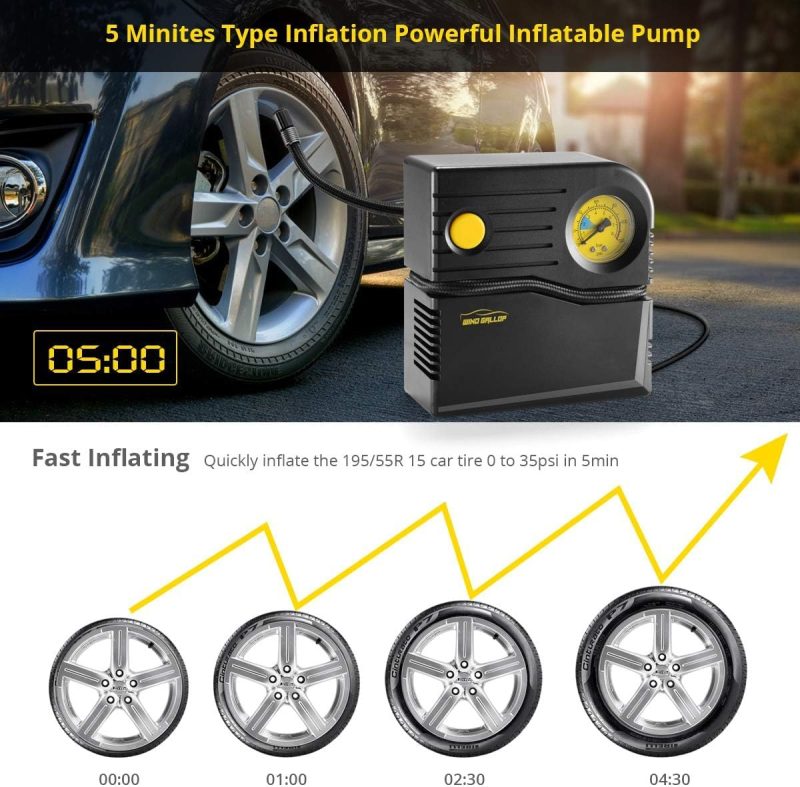
Inflation time varies but usually takes 3 to 5 minutes per tire. This depends on the tire size and the inflator’s power. Always monitor the pressure gauge to ensure you reach the correct tire pressure safely.
Conclusion
Car tire inflators help you fix flats quickly and safely. Keep one in your car for emergencies. Always check the tire pressure before and after inflating. Follow the instructions to avoid damage or injury. Using an inflator saves time and keeps you on the road.
Practice using it at home to feel confident later. Stay prepared, stay safe, and drive with peace of mind.







