
Have you ever wondered if your tires are properly inflated? Using a tire pressure gauge is one of the simplest ways to keep your vehicle safe and running smoothly.
But if you’re not sure how to use one, it can feel confusing or even frustrating. This guide will walk you through every step, making it easy for you to check your tire pressure like a pro. Keep reading, and you’ll save money, improve your car’s performance, and avoid unexpected problems on the road.

Credit: simpletire.com
Choosing The Right Gauge
Checking your tire pressure is important for safety and car performance. A good tire pressure gauge helps you get accurate readings.
There are different types of gauges and features to consider. Picking the right one makes checking tires easier and more reliable.
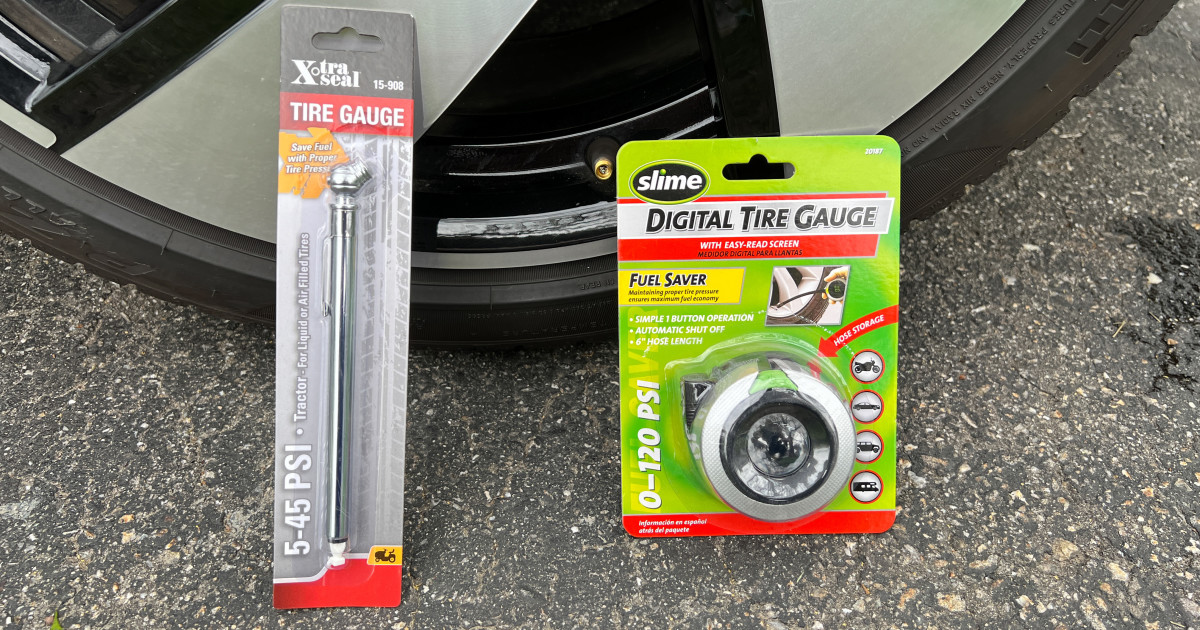
Types Of Tire Pressure Gauges
Tire pressure gauges come in many styles. Each type has its own way of showing pressure and ease of use.
Here are the most common types:
- Stick Gauge:Simple and small. A rod slides out to show pressure.
- Dial Gauge:Has a round dial with a needle. Easy to read but bigger in size.
- Digital Gauge:Shows pressure on a screen. Very clear and quick to use.
Features To Look For
Look for features that make the gauge easy and accurate to use. Good features save time and give better results.
- Accuracy:Choose a gauge with precise readings.
- Easy to Read:Large numbers or a clear screen help you see pressure quickly.
- Durability:A strong case or cover protects the gauge from damage.
- Pressure Range:Make sure the gauge covers the tire pressure of your vehicle.
- Comfortable Grip:A good grip helps you hold the gauge steady.
- Automatic Shutoff (Digital):Saves battery when not in use.
Preparing Your Vehicle
Before using a tire pressure gauge, you need to prepare your vehicle properly. This helps you get an accurate reading.
Preparation includes checking the tire temperature and finding the valve stem. These steps are simple but important.
Check Tire Temperature
Tires should be cool before you check their pressure. Heat makes the air inside expand, giving a wrong reading.
Check tire pressure before driving or at least three hours after driving. This ensures the tires are cool enough.
Locate The Valve Stem
Find the valve stem on each tire. It is a small rubber or metal tube sticking out from the wheel.
The valve stem is where you attach the tire pressure gauge. Make sure it is clean and free from dirt.
Measuring Tire Pressure
Checking tire pressure keeps your car safe and saves fuel. A tire pressure gauge helps you get the right reading.
Use the gauge when tires are cold for the best accuracy. Follow these steps to measure tire pressure correctly.
Remove The Valve Cap
Find the valve stem on the tire. It looks like a small metal or rubber tube sticking out.
Turn the valve cap counterclockwise to take it off. Keep the cap safe so you don’t lose it.
Position The Gauge Correctly
Place the tire pressure gauge firmly on the valve stem. Make sure it makes a tight seal to avoid air leaks.
Hold the gauge straight and steady. Press it down until you hear no hissing sound from escaping air.
Read The Pressure
Look at the gauge display or dial to see the pressure. It shows the pressure in PSI or bar units.
Compare the reading with your car’s recommended tire pressure. Add or release air if needed for the right level.

Credit: www.youtube.com
Interpreting Results
Using a tire pressure gauge gives you a number that shows your tire’s air pressure. You need to know what this number means. This helps you keep your tires safe and working well.
Reading the gauge is just the first step. You must compare the number to the right pressure for your tires. Then, you can tell if your tires need more or less air.
Compare With Recommended Psi
Every vehicle has a recommended tire pressure, shown in PSI (pounds per square inch). You can find this number on a sticker inside the driver’s door or in the owner’s manual. Check your gauge reading against this number.
| Source | Recommended PSI |
| Driver’s door sticker | 32 PSI |
| Owner’s manual | 30-35 PSI |
| Tire sidewall (max pressure) | 44 PSI |
Identify Underinflation And Overinflation
If your tire pressure is below the recommended PSI, the tire is underinflated. If it is above, the tire is overinflated. Both can cause problems with driving and tire wear.
- Underinflation causes poor fuel economy and tire wear on the edges.
- Overinflation leads to a harsh ride and wear in the tire center.
- Both can reduce tire life and affect vehicle handling.
- Check pressure when tires are cold for accurate results.
Maintaining Accurate Readings
Using a tire pressure gauge correctly helps keep your tires safe and your ride smooth. Accurate readings show the true pressure inside your tires.
To get the best results, you need to care for your gauge. Follow simple steps to keep it working right every time.
Calibrate Your Gauge Regularly
Calibration means checking if your gauge reads pressure correctly. Over time, it can lose accuracy. Regular calibration keeps it reliable.
Check your gauge against a trusted pressure source. If it shows wrong numbers, adjust or replace it. Doing this every few months is best.
- Use a professional calibration device if possible
- Compare readings with a known accurate gauge
- Replace the gauge if it cannot be calibrated
Store Your Gauge Properly
How you store your tire pressure gauge affects its lifespan. Keep it safe from dirt, moisture, and heat to avoid damage.
Store the gauge in a dry, cool place. Avoid leaving it in the car under the sun. Use a protective case if you have one.
- Keep the gauge away from extreme temperatures
- Protect it from dust and dirt
- Use a case or pouch for extra protection
- Do not drop or hit the gauge
Credit: www.autoblog.com
Tips For Consistent Tire Care
Taking care of your tires keeps your vehicle safe and efficient. Regular checks and adjustments help in maintaining optimal performance.
Using a tire pressure gauge is simple yet vital for consistent tire health. Follow these steps to ensure your tires are always in top condition.
Check Pressure Monthly
Monthly checks are essential for keeping your tires in good shape. Use a reliable tire pressure gauge for accurate readings.
- Park the car on a flat surface.
- Remove the valve cap from the tire.
- Press the gauge onto the valve stem firmly.
- Read the pressure on the gauge.
- Compare with the recommended pressure in your car’s manual.
Adjust Pressure For Load And Weather
Tire pressure changes with load and weather conditions. Adjusting pressure helps in preventing wear and improving fuel efficiency.
Consider these adjustments:
- Increase pressure for heavier loads to avoid tire damage.
- Decrease pressure slightly in hot weather to prevent over-inflation.
- In cold weather, check pressure more often as it drops.
| Condition | Pressure Adjustment |
| Heavy Load | +2 PSI |
| Hot Weather | -1 PSI |
| Cold Weather | Check frequently |
Frequently Asked Questions
How Do I Use A Tire Pressure Gauge Correctly?
To use a tire pressure gauge, remove the valve cap from the tire. Press the gauge firmly onto the valve stem. Read the pressure displayed and compare it to the recommended PSI. Replace the valve cap after checking.
When Should I Check My Tire Pressure?
Check your tire pressure at least once a month and before long trips. Tires lose air naturally over time. Also, check when temperatures drop, as cold weather reduces tire pressure.
What Is The Ideal Tire Pressure For My Car?
The ideal tire pressure is usually found in the car’s owner manual or on a sticker inside the driver’s door. It varies by vehicle but typically ranges between 30 and 35 PSI.
Can I Rely On A Digital Tire Pressure Gauge?
Yes, digital tire pressure gauges are accurate and easy to use. They provide quick, clear readings and often have backlighting for low-light conditions.
Conclusion
Checking tire pressure keeps your car safe and saves fuel. Use the gauge often to catch low or high pressure early. Always check tires when they are cold for the best reading. Keep the gauge clean and store it in a safe place.
Small steps like these help your tires last longer. Drive with confidence knowing your tires are properly inflated. Regular checks make a big difference in car care. Simple, quick, and important—never skip using your tire pressure gauge.







