
Have you ever found yourself struggling to figure out how to turn on your car lights, especially when it’s getting dark or during sudden weather changes? Knowing how to quickly and correctly switch on your car lights isn’t just about convenience—it’s about your safety and the safety of others on the road.
You’ll discover simple, clear steps to master your car’s lighting system. By the end, you’ll feel confident and ready to handle any lighting situation behind the wheel without hesitation. Keep reading to learn the easy tricks that every driver should know!
Locate The Light Controls
Car lights help you see and be seen on the road. Before driving at night, find your car’s light controls. They are easy to use once you know where to look.
Light controls turn on headlights, parking lights, and sometimes fog lights. Knowing their location helps you stay safe and legal.
Common Positions In Different Cars
Light controls are usually near the steering wheel. Most cars place them on the dashboard or the steering column. Some cars use a knob, others a switch or a lever.
- Left side of the dashboard, near the door
- On the turn signal stalk on the steering column
- On the center console near the gear shift
- As a dial or a push-button switch
Check your car manual if you cannot find the controls. The manual shows exact locations for your model.
Symbols To Look For
Symbols on light controls tell you their function. Learning them helps you use lights correctly without guessing.
| Symbol | Meaning |
| Circle with rays | Headlights |
| Empty circle or “O” | Lights off |
| Small light with lines | Parking lights |
| Arrow with light rays | Turn signals |
| Fog light icon (wavy lines) | Fog lights |
Look for these symbols near knobs or switches. Turn or press the control to switch lights on or off.

Credit: www.youtube.com
Types Of Car Lights
Car lights help drivers see the road and other vehicles. They also make cars visible to others. Different lights have different uses and features.
Understanding the types of car lights will help you use them safely. Each light type serves a specific purpose for driving conditions.
Headlights
Headlights are the main lights at the front of a car. They help you see the road at night and in bad weather. There are usually two settings: low beam and high beam.
Parking Lights
Parking lights are small lights used when the car is parked in dark places. They make the car visible without using full headlights. These lights help prevent accidents when the car is stopped.
Fog Lights
Fog lights are special lights placed low on the car. They help you see the road in fog, rain, or snow. These lights spread light wide and low to reduce glare.
- Placed near the front bumper
- Used in foggy or poor visibility conditions
- Emit a wide, low beam of light
- Do not blind other drivers
High Beams
High beams are bright headlights for open roads at night. They shine far and wide to improve visibility. Use them only when no other cars are nearby to avoid blinding others.
| Light Type | Main Use | When to Use |
| Headlights | See road ahead | Night, bad weather |
| Parking Lights | Make car visible when parked | Parking in dark places |
| Fog Lights | Improve visibility in fog | Fog, heavy rain, snow |
| High Beams | See far on open roads | Dark roads, no oncoming traffic |
Steps To Turn On Car Lights
Car lights help you see the road and let others see you. Knowing how to turn them on is important for safety.
This guide shows how to use headlights, fog lights, and high beams correctly.
Switching On Headlights
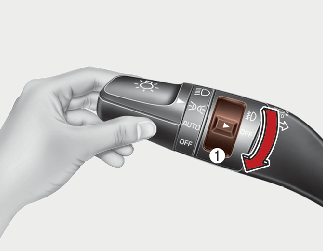
Headlights light your path during night or low visibility. Most cars have a switch or dial on the dashboard or steering column.
- Locate the headlight switch or dial.
- Turn the switch to the “headlight” position. This usually shows a small light icon.
- Check that the headlights turn on by looking at the front of the car or the dashboard indicator.
- Use automatic headlights if your car has this feature. They turn on by themselves when it gets dark.
Activating Fog Lights
Fog lights help you see better in fog, rain, or snow. They are usually lower on the front bumper.
Follow these steps to turn on fog lights:
- Make sure your headlights are on, as fog lights often only work then.
- Find the fog light button or switch. It may have a symbol showing a lamp with three wavy lines.
- Press or turn the switch to activate the fog lights.
- Turn them off when visibility improves to avoid blinding other drivers.
Using High Beams Safely
High beams give extra light on dark roads but can blind other drivers. Use them wisely.
| Situation | Action |
|---|---|
| Driving on a dark road with no cars ahead | Turn on high beams for better visibility |
| Approaching another vehicle from behind | Switch back to low beams |
| Meeting an oncoming vehicle | Dim your high beams to avoid blinding the other driver |
| Driving in fog, rain, or snow | Avoid high beams; use low beams or fog lights instead |
Adjusting Lights For Optimal Visibility
Car lights help you see clearly in the dark and in bad weather. Adjusting them well makes driving safer for you and others.
Proper light adjustment reduces glare and improves road visibility. Learn how to set your lights correctly.
Proper Headlight Alignment
Headlights must be aligned to show the road clearly without blinding other drivers. Check alignment regularly.
- Park your car on a flat surface facing a wall about 25 feet away.
- Turn on your low beams and mark the light center on the wall with tape.
- Adjust the headlights so the light beams hit the marks at the correct height.
- Consult your car manual for exact alignment measurements.
- Test the lights on the road to ensure proper visibility.
When To Dim High Beams
High beams help you see farther, but they can blind other drivers. Use them wisely for safety.
| Situation | Use High Beams? | Reason |
| Driving on an empty road at night | Yes | Better visibility of the road ahead |
| Approaching another vehicle from behind | No | Prevent blinding the driver ahead |
| Meeting oncoming traffic | No | Reduce glare for the other driver |
| In fog, rain, or snow | No | High beams reflect light and reduce visibility |
Troubleshooting Common Issues
Car lights are essential for safe driving. Sometimes, they may not turn on as expected. Knowing how to fix common problems helps you stay safe on the road.
This guide covers two common issues: lights not turning on and replacing burnt-out bulbs. Follow the tips to solve these problems easily.
Lights Not Turning On
If your car lights do not turn on, several things could be wrong. First, check if the light switch is in the correct position. If the switch is fine, the problem might be with the fuse or wiring.
- Check the light switch and make sure it is turned on.
- Inspect the fuse box for blown fuses related to the lights.
- Look for loose or damaged wiring near the headlights.
- Test the battery to ensure it has enough power.
- Visit a mechanic if you cannot find the cause.
Replacing Burnt-out Bulbs
Burnt-out bulbs are a common reason headlights or taillights stop working. Replacing them is simple with the right tools and safety steps.
| Tools Needed | Steps to Replace |
| New bulb | Turn off the car and open the hood or trunk. |
| Screwdriver (if needed) | Remove the light cover or housing carefully. |
| Gloves (optional) | Take out the old bulb by twisting or pulling gently. |
| Insert the new bulb without touching the glass. | |
| Secure the cover and test the light. |
Credit: ownersmanual.kia.com
Tips For Safe Night Driving
Driving at night can be challenging. Proper use of car lights helps you see better. It also helps others see you.
Knowing how to use your car lights safely is important. It keeps you and others safe on the road.
Using Lights In Different Weather Conditions
Weather can change how you use car lights. Different conditions need different light settings.
- Foggy weather: Use fog lights to see better. Avoid high beams.
- Rainy weather: Use low beams. High beams can reflect off rain.
- Snowy weather: Use low beams for better visibility.
Maintaining Clear Windshields And Mirrors
Clear windshields and mirrors are essential. They help you see clearly at night.
Keep them clean to avoid glare from lights. This improves your night driving safety.
- Clean windshields regularly to remove dirt and streaks.
- Adjust mirrors to reduce glare from other cars.
- Use anti-fog solutions for better clarity.

Credit: www.youtube.com
Frequently Asked Questions
How Do I Turn On Car Headlights?
To turn on car headlights, locate the headlight switch, usually on the dashboard or steering column. Rotate or pull the switch to activate low beams. For high beams, push or pull the lever near the steering wheel.
When Should I Use Car Fog Lights?
Use fog lights in low visibility conditions like fog, heavy rain, or snow. They improve road visibility without blinding other drivers. Turn them off when visibility improves to avoid distracting others.
How To Switch Between Low And High Beam Headlights?
Switch from low to high beams by pushing or pulling the lever near the steering wheel. High beams provide better visibility on dark roads but should be dimmed when approaching other vehicles.
What To Do If Car Lights Don’t Turn On?
Check the car’s fuse box for blown fuses related to the lights. Inspect bulbs for damage and replace if necessary. If problems persist, consult a mechanic for electrical system inspection.
Conclusion
Turning on car lights is simple and important for safety. Always know the location of your light controls. Use headlights at night or in poor weather. Parking lights help others see your car when stopped. Fog lights improve visibility in foggy conditions.
Practice switching lights on and off before driving. This helps you feel confident and safe. Staying visible keeps you and others protected on the road. Remember, good lighting shows you care about safety. Keep your lights working well and check them often.







