
Have you ever wondered if your tires are truly gripping the road like they should? Knowing how well your tires hold onto the surface can make a huge difference in your safety and driving confidence.
You don’t need fancy equipment or a trip to the mechanic to check this. You’ll discover simple, effective ways to test your tire grip right at home. By the time you finish reading, you’ll feel more in control and ready to keep your rides safer, no matter the road conditions.
Keep reading to learn how easy it is to protect yourself and your loved ones with just a few quick tests.
Tools Needed
Testing tire grip at home requires some basic tools. These tools help you check traction safely and effectively.
Gathering the right tools makes the test easier and gives better results. Safety gear is also important to protect you during the process.
Basic Equipment
You need a few items to test tire grip properly. These tools help measure and observe tire performance on different surfaces.
- Tire pressure gauge to check air pressure
- Measuring tape to mark test distances
- Water spray bottle to wet the surface for grip tests
- Chalk or marker to mark tire contact points
- Stopwatch to time stopping distances
Safety Gear
Safety gear protects you while testing tire grip. It reduces the risk of injury during the test.
| Safety Gear | Purpose |
| Helmet | Protects your head from impact |
| Gloves | Improves grip and protects hands |
| Closed-toe shoes | Protect feet from injury |
| Reflective vest | Makes you visible to others |

Credit: yorkautoservice.com
Visual Inspection
Checking your tire grip at home starts with a visual inspection. This helps you spot obvious problems that affect safety.
Look carefully at the tire surface. Small details can show if your tires still hold well on the road.
Tread Depth Check
The tread is the part of the tire that touches the road. It needs enough depth to grip well, especially on wet roads.
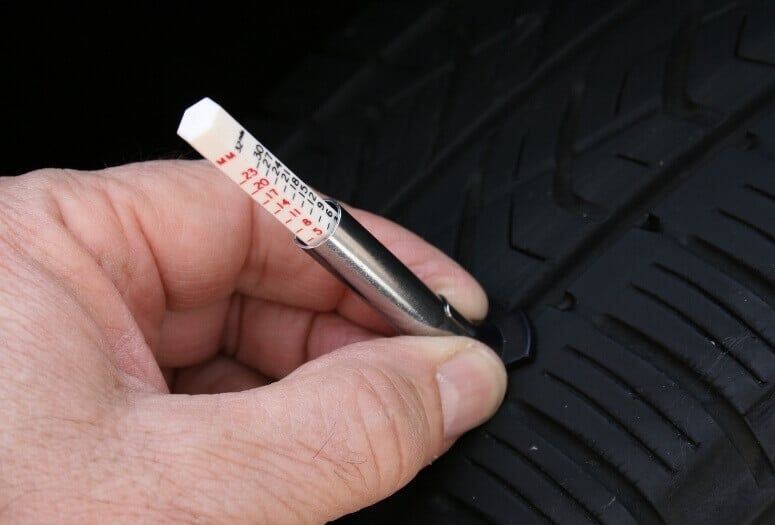
Use a tread depth gauge or a simple coin test to measure it. If the tread is too shallow, the tire may slip easily.
- Insert a coin into the tread grooves.
- If you see the top of the coin, tread is too low.
- Check multiple spots around the tire.
- Replace tires if tread depth is below 2/32 inch (1.6 mm).
Look For Damage
Inspect the tire surface for cracks, cuts, or bulges. These signs mean the tire may fail soon.
Also check the sidewalls for any bubbles or splits. Damage here can cause sudden tire blowouts.
- Look for cracks in the rubber surface.
- Find any cuts or punctures on the tire.
- Check sidewalls for bulges or bubbles.
- Remove debris stuck in the tread grooves.
Wet Surface Test
Testing tire grip on wet surfaces helps check how well tires hold the road. Wet conditions can make driving risky.
This test shows if your tires can keep control when the road is slippery. You can do this test safely at home.
Creating A Safe Wet Area
Find a flat, smooth driveway or parking spot to test your tires. Avoid busy streets or hills for safety.
Use a hose or buckets to wet the surface evenly. The water should cover a large area to simulate rain.
- Choose a quiet, flat place
- Wet the surface well but avoid puddles
- Clear the area of obstacles and debris
- Ensure there is enough space to stop safely
Performing The Slip Test
Drive your car slowly over the wet area. Pay attention to how the tires grip the surface.
Try gentle braking and light turns. Notice if the tires slip or slide easily under these conditions.
- Start at low speed (around 10 mph)
- Apply gentle brakes and feel for skidding
- Turn the steering wheel slowly to test grip
- Stop if tires lose traction or slip
Dry Surface Test
Testing tire grip on a dry surface helps check your tires’ performance. You can do this safely at home with simple methods.
Good tire grip means better control and shorter stopping distances. This test shows how well your tires hold on dry roads.
Measuring Braking Distance
Find a flat, dry road with little traffic to test braking distance. Use a tape measure or mark points on the road to measure.
- Drive at a steady speed, around 20 mph (30 km/h).
- Apply the brakes firmly and note where the car stops.
- Measure the distance from the starting point to the stopping point.
- Repeat the test several times for accuracy.
- Compare distances to the vehicle’s manual or safe benchmarks.
Observing Tire Response
Watch how your tires react during quick turns or sudden stops. This helps you see if the grip is steady or slipping.
| Test Action | What to Watch For |
| Sharp Turn | Tires should hold without sliding |
| Hard Brake | Car should stop smoothly without skidding |
| Acceleration | Tires should not spin excessively |
Diy Grip Test Methods
Testing your tire grip at home helps you understand how safe your tires are. You do not need special tools to check grip.
Simple tests can show if your tires hold well on the road. Try these easy ways to test tire grip yourself.
Paper Slip Test
Place a piece of paper under your tire on a flat surface. Slowly push the car forward a little bit.
If the paper slides out easily, your tire may lack grip. If the paper stays or tears, the tire holds well.
- Use plain white paper
- Test on dry, flat ground
- Push gently to avoid damage
- Repeat test on each tire
Incline Test
Drive your car slowly on a small hill or ramp. Watch how the tires grip the surface as you move up.
If the tires slip or spin, their grip may be weak. If the car moves steadily without sliding, the grip is good.
- Choose a gentle, clean incline
- Drive at low speed
- Check all tires one by one
- Do not test on wet or icy surfaces
Credit: www.blackcircles.ca
Interpreting Results
Understanding tire grip is crucial for safety. You can test it at home. Check the results carefully to know if your tires are still reliable.
Good grip means better handling and shorter stopping distances. Let’s see what indicates good grip and signs of tire wear.
What Indicates Good Grip
Tires with good grip improve your car’s performance. They ensure safety even in wet or slippery conditions.
- Consistent tread depth across the tire
- Strong sidewalls without visible damage
- Good traction on different surfaces
Signs Of Tire Wear
Worn tires can be dangerous. They reduce traction and increase the risk of accidents.
| Sign | Description |
| Cracks | Visible splits in the sidewall |
| Bald spots | Areas with no tread |
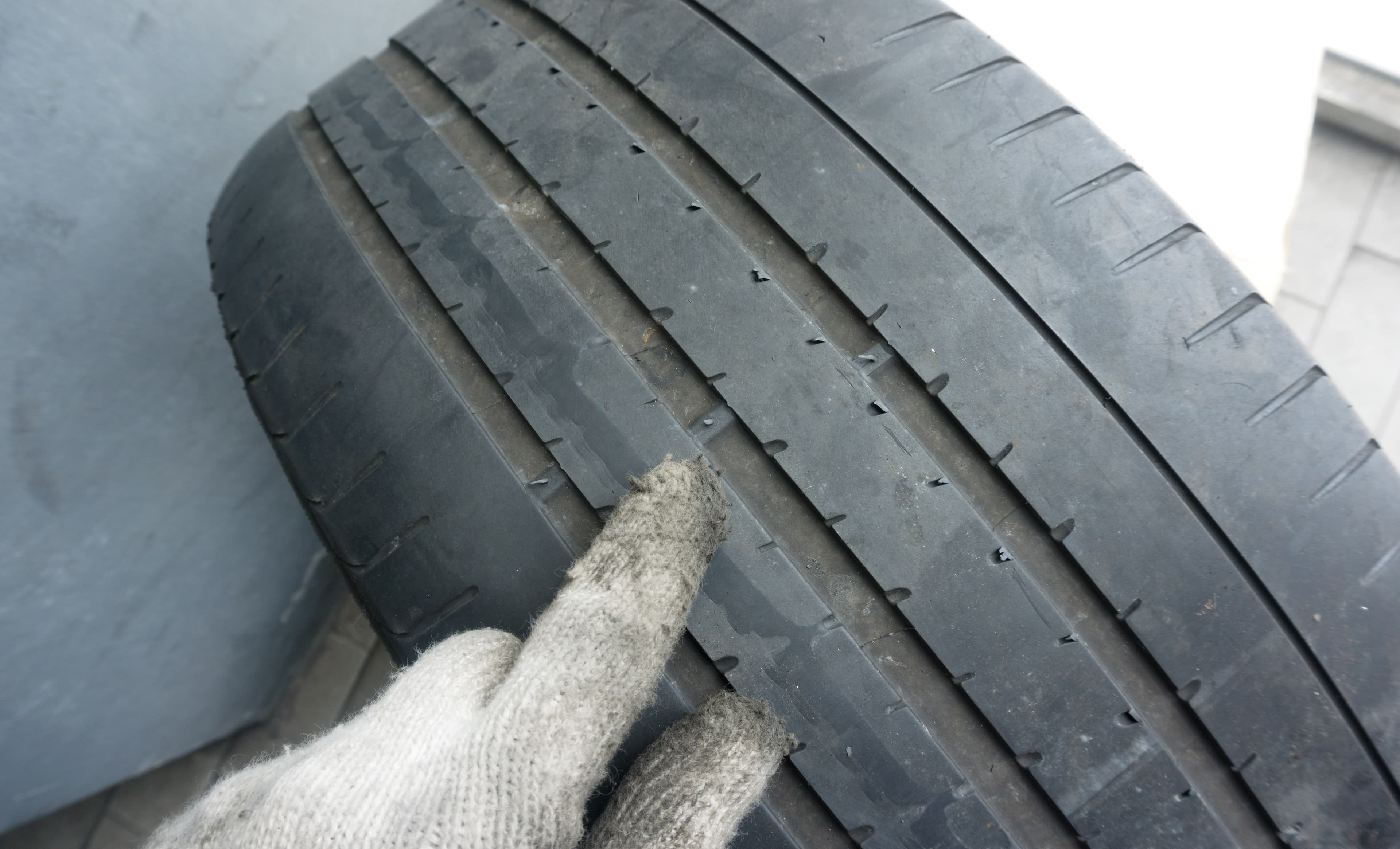
| Cupping | Uneven patches on the tread |
When To Replace Tires
Knowing when to replace tires is crucial for safety. Tires wear down over time and lose their grip.
Testing tire grip at home can help you decide when it’s time for new tires. Let’s explore key indicators.
Tread Depth Limits
Tread depth is essential for tire grip. Shallow tread can be dangerous on wet roads.
- Use a penny to measure tread depth.
- Place the penny in the tread with Lincoln’s head down.
- If you see his whole head, replace the tire.
Performance Warning Signs
Watch out for signs of poor tire performance. These can indicate a need for replacement.
- Vibration while driving
- Increased stopping distance
- Uneven tread wear
- Punctures or cracks
| Sign | Action |
| Vibration | Check tire balance |
| Uneven wear | Align tires |
| Cracks | Inspect for damage |
Credit: simpletire.com
Frequently Asked Questions
How Can I Safely Test Tire Grip At Home?
Test tire grip on dry, flat pavement using slow acceleration and gentle braking. Avoid sharp turns or high speeds. Use a safe, empty parking lot or driveway to prevent accidents.
What Tools Do I Need To Test Tire Grip?
No special tools are needed. You only require a safe, flat surface and your vehicle. Optionally, a tire pressure gauge helps ensure proper inflation, which affects grip.
How Does Tire Pressure Affect Grip Testing?
Proper tire pressure ensures maximum tire contact with the road. Over- or under-inflated tires reduce grip and skew test results. Always check and adjust tire pressure before testing.
Can I Test Tire Grip In Wet Conditions At Home?
Yes, but with caution. Wet surfaces reduce tire traction significantly. Perform slow acceleration and gentle braking on a wet, flat area to safely assess wet grip.
Conclusion
Testing tire grip at home helps keep you safe on the road. Simple steps can show how well your tires hold. Regular checks can find problems early. Good grip means better control and less chance of slipping. Try these easy tests often to stay confident while driving.
Remember, safe tires make every trip smoother and safer. Don’t wait for trouble—check your tire grip today. Your safety matters most.







