
When winter ends, your trusty snow tires need a safe place to rest until the cold returns. But how you store your winter tires during summer can make a big difference in how well they perform next season.
If you want to keep your tires in top shape and save money on replacements, you need to know the right way to store them. You’ll discover simple and effective tips to protect your winter tires from damage, so they’re ready to grip the road when winter comes again.
Keep reading—you’ll thank yourself later!

Credit: www.amazon.ca
Prepare Tires For Storage
Storing winter tires properly keeps them safe and ready for next season. Preparing tires before storage helps prevent damage.
Follow simple steps to clean, check, and dry your tires. This protects their quality during summer months.
Clean Thoroughly
Wash tires and rims with soap and water. Remove all dirt, salt, and brake dust to stop corrosion.
Use a soft brush to clean hard spots. Avoid harsh chemicals that can harm rubber or metal.
Inspect For Damage
Look closely for cuts, cracks, or bulges on the tires. Check rims for dents or rust spots.
Damaged tires or rims can cause problems later. Mark any issues and plan for repair or replacement.
Remove Excess Moisture
Dry tires completely before storing them. Moisture can cause rust on rims and promote mold on rubber.
- Use a clean towel to wipe tires and rims.
- Let them air dry in a shaded area.
- Store tires in a dry, cool place away from sunlight.
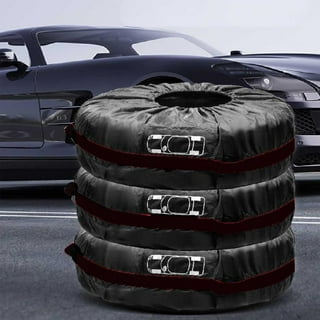
Credit: www.walmart.ca
Choose The Right Storage Location
Storing winter tires properly during summer keeps them in good shape. The right place protects tires from damage. Choose a spot with care to extend tire life.
Good storage avoids heat, moisture, and sunlight. These factors can cause cracks and wear. Follow simple rules for the best results.
Cool And Dry Environment
A cool and dry place stops tires from aging fast. Moisture can cause rust on rims. Heat can make rubber dry and brittle.
- Find a basement or garage with good air flow.
- Keep tires off the floor on a pallet or shelf.
- Use a dehumidifier if the air feels damp.
- Avoid places near water heaters or pipes.
Avoid Sunlight Exposure
Sunlight damages tires by breaking down rubber. UV rays cause cracks and make tires less safe. Store tires away from windows and doors.
Tips to block sunlight:
- Cover tires with a thick cloth or tire bag.
- Keep tires inside a closed cabinet or closet.
- Do not place tires on balconies or open patios.
Control Temperature Fluctuations
Big temperature changes can harm tires. Warm days and cold nights cause rubber to expand and contract. This weakens the tire over time.
| Temperature Range | Ideal for Storage |
| Below 50°F (10°C) | Too Cold |
| 50°F – 77°F (10°C – 25°C) | Best Range |
| Above 77°F (25°C) | Too Warm |
Proper Tire Positioning
Storing winter tires correctly during summer keeps them safe. Proper positioning helps avoid damage.
Place your tires carefully to keep their shape and quality. This guide explains how.
Store Upright Or Stack Carefully
Store tires upright if possible. Upright tires keep their shape better.
If you stack tires, do it gently. Avoid heavy piles that can cause pressure damage.
Use Tire Racks Or Pallets
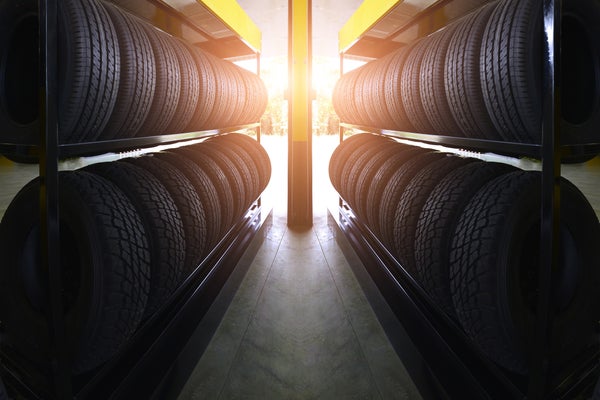
Tire racks keep tires off the ground. Pallets work well if you don’t have racks.
- Keep tires dry by storing them on racks or pallets
- Elevate tires to prevent moisture buildup
- Use racks to keep tires in place and avoid rolling
Prevent Deformation
| Tip | Reason |
|---|---|
| Keep tires upright | Maintains proper shape and prevents flat spots |
| Store in cool, dry place | Stops heat damage and rubber aging |
| Use tire covers | Protects from dust and sunlight |
Protect Tires From Harmful Elements
Properly storing winter tires during summer keeps them safe and ready. Tires face damage from sunlight, heat, and other elements.
Taking simple steps can extend tire life and maintain performance for the next winter season.
Use Tire Bags Or Covers
Cover tires with special bags or covers to protect them. These covers block sunlight and dust.
- Choose breathable tire bags to avoid moisture build-up.
- Seal the bags tightly to keep out dirt and insects.
- Use covers made of thick material for better protection.
Avoid Contact With Chemicals
Keep tires away from oils, solvents, and cleaning agents. Chemicals can damage rubber and cause cracks.
| Common Harmful Chemicals | Effect on Tires |
| Gasoline | Softens rubber and weakens structure |
| Brake Fluid | Causes swelling and cracks |
| Cleaning Solvents | Dries out rubber, leading to brittleness |
Keep Away From Ozone Sources
Ozone from electrical devices harms tires. It can cause surface cracks and damage tread.
Common ozone sources to avoid:
- Electric motors
- Generators
- High voltage equipment
Maintain Tire Condition During Storage
Storing winter tires properly during summer helps keep them safe and ready to use. Good storage keeps tires in shape and stops damage.
Follow simple tips to protect your tires from drying out or losing pressure. This will make them last longer and perform well next winter.
Rotate Tires Periodically
Turn your stored tires every few weeks. This prevents flat spots from forming on the tire tread. Flat spots can cause a bumpy ride later.
- Mark the top side of each tire before storage.
- Lift and turn each tire 180 degrees every month.
- Store tires on a clean, dry surface off the ground.
Check For Pressure Loss
Keep an eye on the air pressure if your tires are on rims. Low pressure can cause damage and make tires less safe to use.
| Action | Recommended Frequency |
| Measure tire pressure | Every 2 weeks |
| Inflate tires to correct pressure | As needed |
| Inspect valve stems for leaks | Monthly |
Monitor For Signs Of Aging
Look closely for cracks, dry spots, or unusual wear. These signs show your tires may be weakening and unsafe to use.
Here are signs to watch for:
- Cracks in sidewalls or tread
- Discoloration or fading
- Bulges or deformities
- Hard or brittle rubber
Tips For Reinstalling Tires
Proper storage of winter tires ensures they remain in good condition. Before reinstalling them, it’s important to conduct a few checks to ensure safety and performance.
Reinstalling tires correctly can prevent unexpected issues on the road. Follow these tips to make sure your tires are ready for the winter season.
Inspect Before Use
Before putting your winter tires back on, inspect them carefully. Look for any visible damage such as cuts, cracks, or bulges.
Check for any punctures or embedded objects. These could lead to a flat tire or loss of air pressure.
- Check tire sidewalls for cracks
- Look for any foreign objects
- Ensure there are no visible punctures
Check Tread Depth
Tread depth is important for grip on icy roads. Use a tread depth gauge to ensure your tires have enough depth.
If the tread is too low, consider replacing the tires. Adequate tread depth helps maintain traction and safety.
- Use a tread depth gauge
- Replace tires if tread is worn
- Maintain at least 4/32 inch depth
Balance And Align Wheels
Proper balance and alignment of wheels are crucial for smooth driving. Unbalanced tires can cause vibrations and uneven wear.
Have a professional check your wheel alignment. This ensures the tires wear evenly and you get the best performance.
- Get wheels balanced by a professional
- Check alignment to prevent uneven wear
- Ensure smooth and safe driving
Credit: www.continental-tires.com
Frequently Asked Questions
How Should I Clean Winter Tires Before Storing?
Clean tires thoroughly to remove dirt, salt, and grime. Use mild soap and water. Dry completely to prevent mold and corrosion.
Where Is The Best Place To Store Winter Tires?
Store tires in a cool, dry, and dark place. Avoid direct sunlight, heat sources, and damp areas to protect rubber quality.
Should Winter Tires Be Stored On Or Off Rims?
Store tires on rims if possible to maintain shape. If off rims, stack them flat to avoid deformation.
How Can I Protect Winter Tires From Damage During Summer?
Use tire bags or covers to shield tires from dust and UV rays. Avoid placing heavy items on stored tires.
Conclusion
Storing winter tires properly protects them during warm months. Keep tires in a cool, dry place away from sunlight. Clean and dry tires before storage to avoid damage. Use tire bags or covers to keep dirt and moisture out. Avoid stacking tires too high to prevent deformation.
Check tires occasionally to ensure they stay in good shape. Proper storage saves money and extends tire life. Simple steps make a big difference in tire care. Follow these tips for safe and easy tire storage.







