
Are you wondering how to keep your tires in great shape when you’re not using them? Proper tire storage is more important than you might think.
If you don’t store your tires the right way, they can crack, lose pressure, or even become unsafe to use. But don’t worry—this guide will show you simple, effective steps to protect your tires and make them last longer. Keep reading to learn how easy it is to save money and stay safe by storing your tires properly.

Credit: www.youtube.com
Choosing The Right Storage Space
Storing tires properly helps them last longer and stay safe. The right place keeps tires in good shape. It protects them from damage and wear.
Focus on temperature, light, and chemicals when picking a storage spot. Each factor can affect your tires over time.
Ideal Temperature And Humidity
Tires do best in cool, dry places. High heat or moisture can cause rubber to break down fast. Aim for a temperature between 50°F and 70°F.
Keep humidity low. Too much moisture can cause mold and rust on metal parts inside tires. A dry basement or garage works well.
Avoiding Sunlight And Heat Sources
Sunlight and heat make tires age faster. UV rays cause cracking and dry out the rubber. Keep tires away from windows and heaters.
- Store tires in a shaded area
- Use tire covers if needed
- Keep tires away from radiators or furnaces
- Do not place tires near hot pipes
Keeping Tires Away From Chemicals
Chemicals can damage tires by softening or cracking rubber. Avoid storing tires near oils, solvents, or cleaning products.
| Common Chemicals | Effect on Tires |
| Gasoline | Softens rubber, causes damage |
| Oils | Breaks down rubber structure |
| Cleaning solvents | Cracks and weakens tires |
| Paint | Can cause rubber discoloration |
Credit: www.continental-tires.com
Preparing Tires For Storage
Proper tire storage keeps your tires safe and extends their life. Preparing tires well is important before storing them.
This guide covers cleaning, inspecting, and protecting your tires before storage.
Cleaning And Drying Tires
Clean your tires to remove dirt, brake dust, and road grime. Use water and mild soap with a soft brush or cloth.
- Rinse tires with water first
- Apply mild soap and scrub gently
- Rinse off all soap residue
- Dry tires completely with a clean towel
Inspecting For Damage
Check tires carefully for cracks, cuts, or bulges. Look inside the tread and sidewall areas.
| Inspection Area | What to Check |
| Tread | Uneven wear, deep cuts, embedded objects |
| Sidewall | Cracks, bulges, dry rot signs |
| Bead Area | Damage or tears around the edges |
Applying Protective Coatings
Use a tire protectant to shield rubber from cracking and drying out. Choose a product made for tire care.
- Apply protectant evenly on the tire surface
- Let the coating dry before storing
- Avoid products with petroleum or silicone
Storing Tires With Rims
Storing tires with rims properly keeps them in good shape. It also helps prevent damage and extends their life.
Use the right methods to store tires with rims. This guide covers stacking, pressure care, and covering.
Stacking Vs Hanging
Stacking tires with rims is usually better than hanging them. Hanging can stress the tire and rim over time.
- Stack tires flat on top of each other
- Do not stack too high to avoid warping
- Use a clean, dry surface to avoid dirt buildup
- Rotate the bottom tire to the top every month
Maintaining Tire Pressure
Keep tires inflated to the recommended pressure. This helps maintain shape and prevents rim damage.
| Action | Reason |
| Inflate tires to correct pressure | Prevents tire deformation |
| Check pressure monthly | Maintains proper air level |
| Use a pressure gauge | Ensures accuracy |
Covering And Sealing
Cover tires with rims to protect from dust, dirt, and sunlight. Use airtight bags or tire covers.
- Use plastic bags sealed tightly
- Store in a cool, dry place
- Avoid exposure to direct sunlight
- Label tires for easy identification
Storing Tires Without Rims
Storing tires without rims needs special care to keep them in good shape. Proper storage stops damage and extends tire life.
This guide covers how to store tires safely by standing them upright, rotating them, and avoiding deformation.
Standing Upright
Store tires vertically to keep their shape. Lying tires flat can cause flat spots and weaken the sidewalls.
- Place tires on a clean, dry surface.
- Keep them away from direct sunlight and heat sources.
- Use a tire rack or stand to hold tires upright.
- Do not stack tires on top of each other if stored upright.
Rotating Tires Regularly
Turn tires every few weeks to prevent pressure points. This helps avoid flat spots and keeps tires balanced.
- Mark each tire to remember its position.
- Rotate tires clockwise or counterclockwise.
- Check tires for damage or cracks during rotation.
- Keep a record of rotation dates.
Avoiding Deformation
Deformation happens when tires bear uneven pressure or weight. Avoid this with proper storage methods.
| Cause | How to Avoid |
|---|---|
| Stacking tires too high | Store tires upright or limit stack height to two tires |
| Contact with harsh chemicals | Keep tires away from solvents and oils |
| Exposure to heat and sunlight | Store in a cool, dark place |
| Uneven weight on tires | Use tire racks or stands |
Using Tire Storage Accessories
Storing tires properly helps keep them safe and in good shape. Using the right accessories can make this task easier and more effective.
Tire storage accessories protect tires from dirt, damage, and weather. They also help save space and keep your storage area neat.
Tire Bags And Covers
Tire bags and covers protect tires from dust, moisture, and sunlight. They stop tires from drying out or cracking over time.
Many bags are made of plastic or fabric and fit tightly around the tire. Covers work well for tires stored outdoors or in damp places.
- Keep tires clean and dry
- Prevent exposure to UV rays
- Reduce the chance of tire damage
- Help organize tires during storage
Racks And Shelving Options
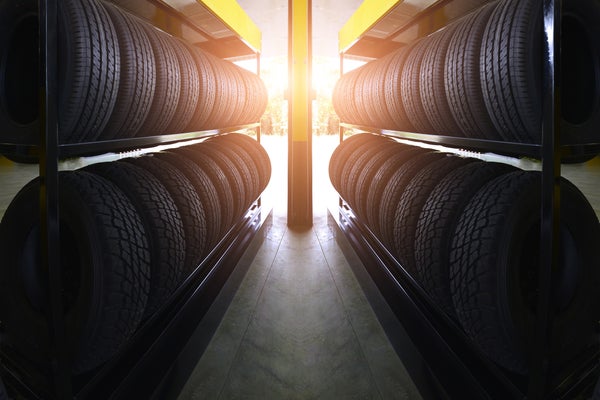
Tire racks and shelves keep tires off the floor. This prevents flat spots and protects tires from dirt and moisture.
There are wall-mounted racks, free-standing shelves, and stackable racks. Choose one based on your space and how many tires you have.
- Save floor space
- Keep tires organized and easy to access
- Allow air circulation around tires
- Reduce risk of tire damage from weight
Climate-controlled Storage Solutions
Climate-controlled storage keeps tires at a steady temperature and humidity. This helps prevent tire rubber from drying out or cracking.
These storage spaces avoid extreme heat, cold, and moisture. They are ideal for long-term tire storage in any climate.
- Protect tires from temperature changes
- Maintain proper humidity levels
- Extend tire life and performance
- Reduce risk of tire aging and damage
Credit: www.blackcircles.ca
Tips For Seasonal Tire Storage
Storing your tires correctly extends their life and keeps them safe. Follow these simple tips to ensure your tires are ready when you need them.
Proper storage prevents tire damage and maintains performance. Let’s explore how to store them effectively.
Switching Between Summer And Winter Tires
Switching tires is crucial for safety and performance. Use the right tires for each season to ensure the best grip on the road.
Store the off-season tires in a cool, dry place. Avoid direct sunlight and heat sources to prevent rubber damage.
- Label each tire with its position on the vehicle
- Clean tires thoroughly before storage
- Use tire bags to protect them from dust
Timing And Frequency Of Storage
Change tires at the right time to keep your vehicle safe. Pay attention to the weather forecast to know when to switch.
Store tires during off-season months. Do not leave them unused for too long to avoid flat spots.
| Season | Recommended Tires | Storage Time |
| Winter | Winter Tires | April to October |
| Summer | Summer Tires | October to April |
Checking Tires Before Reuse
Always inspect tires before putting them back on your vehicle. This ensures they are in good condition and safe to use.
Look for cracks, bulges, or any signs of wear. These can affect tire performance and safety.
- Check tire pressure regularly
- Ensure tread depth is sufficient
- Remove any debris stuck in the tire grooves
Frequently Asked Questions
How Should I Prepare Tires For Storage?
Clean tires thoroughly to remove dirt and debris. Dry them completely to prevent moisture damage. Store in a cool, dry place away from direct sunlight and heat sources.
Can Tires Be Stored Outdoors Safely?
Storing tires outdoors is not recommended due to exposure to sunlight and weather. If necessary, cover them with a UV-resistant tarp and elevate off the ground.
What Is The Best Position To Store Tires?
Store tires upright if possible to maintain shape. If stacking, avoid heavy loads on the bottom tires to prevent deformation. Rotate tires periodically during long storage.
How Long Can Tires Be Stored Without Damage?
Tires can be safely stored for up to six months. For longer storage, inspect regularly for cracks or dry rot to ensure safety when reused.
Conclusion
Proper tire storage helps keep tires safe and lasting longer. Keep tires clean and dry before storing. Store them in a cool, dark place away from sunlight. Avoid stacking tires too high to prevent damage. Check tires regularly during storage for any changes.
Following these simple steps saves money and ensures safety on the road. Good tire care means better performance and fewer problems later. Taking a little time now helps your tires stay in great shape. Simple habits make a big difference.







