
Lifting your car with a jack might seem simple, but doing it the wrong way can put you at serious risk. Whether you need to change a tire or check something underneath, knowing how to safely lift your car is crucial.
In this guide, you’ll learn easy-to-follow steps that protect you and your vehicle. Keep reading to discover practical tips that make this task safer and less stressful every time you use a jack.
Choosing The Right Jack
Using a jack to lift your car is important for safety. Picking the right jack makes the job easier and safer.
There are different types of jacks. You should also check the weight it can lift and inspect it before use.
Types Of Car Jacks
Several jacks can lift a car. Each type works best in different situations. Choose one that suits your needs.
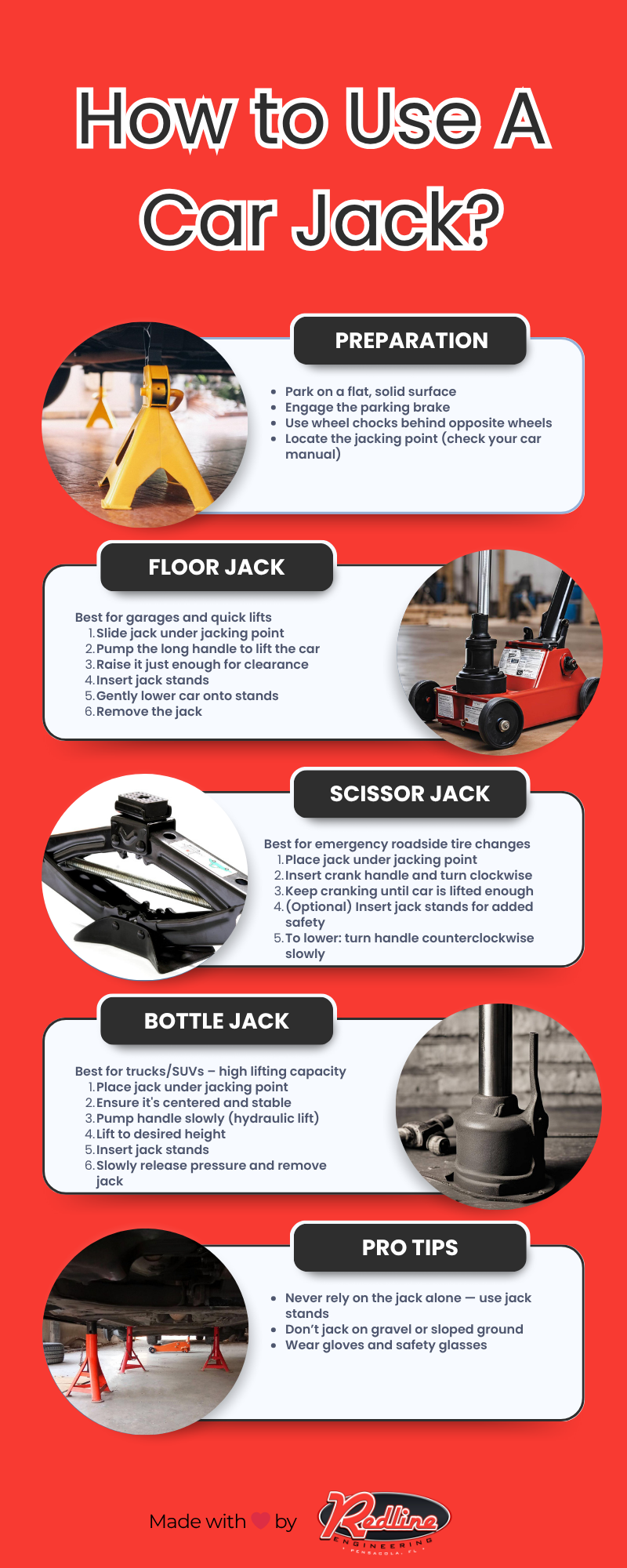
- Scissor Jack:Small and easy to store. Good for light cars.
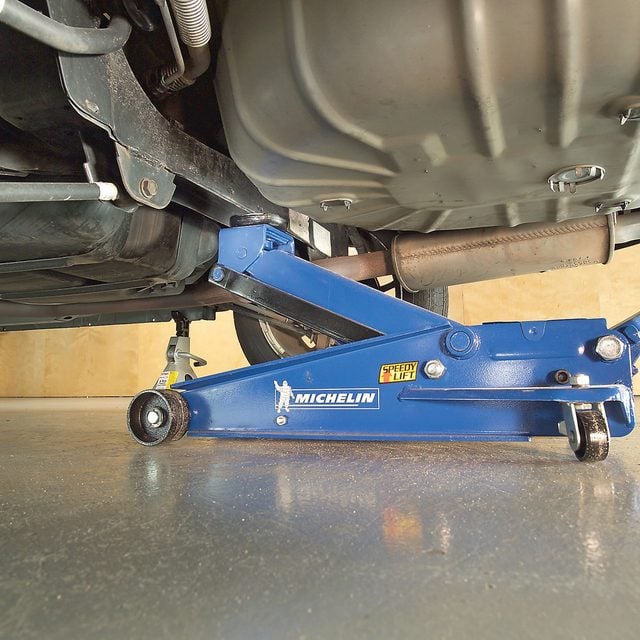
- Hydraulic Floor Jack:Uses fluid to lift heavy cars. Offers smooth lifting.
- Bottle Jack:Compact and strong. Works well on trucks and SUVs.
Weight Capacity Matters
Always check the jack’s weight limit. It must hold your car’s weight safely. Using a weak jack is risky.
The weight capacity is on the jack label. Pick a jack with a capacity higher than your car’s weight.
Inspecting Your Jack
Look over your jack before using it. Check for cracks, leaks, or rust. These can cause the jack to fail.
- Test the jack by lifting a small weight first.
- Ensure the handle and moving parts work well.
- Keep the jack clean and store it dry.
Preparing Your Car
Before lifting your car with a jack, you need to prepare it properly. This keeps you safe and prevents damage to the vehicle.
Follow these steps carefully to get your car ready for lifting.
Find A Flat Surface
Park your car on a flat, hard surface. Avoid slopes or soft ground.
A flat surface stops the car from rolling or slipping while it is lifted.
Engage Parking Brake
Set the parking brake firmly. This locks the wheels in place.
Engaging the parking brake helps keep your car steady during lifting.
Chock The Wheels
Use wheel chocks or blocks to stop the car from moving. Place them on the wheels that stay on the ground.
- Put chocks behind the wheels if lifting the front.
- Put chocks in front of the wheels if lifting the rear.
- Use strong blocks to hold the car safely.
Locating Jack Points
Lifting a car with a jack needs careful planning. Knowing the right jack points keeps you safe. It also protects the car from damage.
Jack points are strong spots on the car frame. They hold the weight when the car is lifted. Finding these spots is the first step to safe lifting.
Consulting The Owner’s Manual
The owner’s manual tells you exactly where jack points are. Each car model may differ. The manual includes pictures and warnings.
Look for the section about jacking or changing tires. Follow the instructions carefully. This helps you avoid mistakes and damage.
Common Jacking Spots
- Near the front and rear wheels, under the car’s frame.
- Along the rocker panels, which are the sides below the doors.
- Under reinforced metal plates designed for lifting.
- Avoid flat body panels or plastic parts.
These spots are built to hold the jack’s pressure. Use them to keep the car stable during lifting.
Avoiding Damage
| Common Mistake | Why It Causes Damage | How to Avoid |
|---|---|---|
| Placing jack on plastic parts | Plastic can crack or break under pressure | Use only metal jack points shown in manual |
| Using wrong jack type | Jack may slip or bend, causing damage | Match jack type to your vehicle’s weight and design |
| Ignoring uneven ground | Car may tip or jack may slip | Always park on flat, firm ground before lifting |
Careful use of the jack prevents costly repairs. Always double-check jack points before lifting.

Credit: www.youtube.com
Lifting The Car Safely
Lifting a car with a jack needs care. Safety must be your top priority. Knowing how to lift the car safely helps prevent accidents.
This guide covers key points to lift your car safely. Learn how to position the jack, lift slowly, and use jack stands.
Positioning The Jack
Place the jack on a flat, hard surface. Find the car’s lifting points in the owner’s manual. These spots are strong and safe for lifting.
- Clean the area around the lifting point.
- Align the jack with the lifting point carefully.
- Make sure the jack is stable before lifting.
Slow And Steady Lifting
Lift the car slowly to avoid sudden movements. A steady pace keeps the car balanced on the jack. Stop if the car shifts or feels unstable.
- Turn the jack handle slowly.
- Watch the car’s movement closely.
- Pause if you see any wobbling.
- Lift until the tire is off the ground enough for your task.
Using Jack Stands
Never rely on the jack alone to hold the car. Always use jack stands to support the weight. Place them under strong parts of the car frame.
| Tip | Details |
|---|---|
| Place Jack Stands | Under the frame near the lifted wheel |
| Check Stability | Make sure the stands do not wobble |
| Lower Car Carefully | Slowly lower the jack until the car rests on stands |
| Test Support | Gently shake the car to confirm support |
Lowering The Car
Lowering a car safely after using a jack is very important. It helps avoid damage and keeps you safe. Follow each step carefully to lower the car smoothly.
This guide covers removing jack stands, lowering the car slowly, and doing final safety checks.
Removing Jack Stands
Before you lower the car, remove the jack stands carefully. Make sure the jack supports the car fully before taking out the stands.
- Check that the jack is stable and holding the car.
- Remove any tools or objects near the jack stands.
- Slowly lift the car a little with the jack to take weight off the stands.
- Pull the jack stands out from under the car.
- Make sure nothing is under the car before lowering it.
Lowering Slowly
Lower the car slowly to avoid sudden drops. Use the jack handle to control the descent carefully.
| Action | Tip |
| Turn the jack handle slowly | Lower the car gently to prevent damage |
| Keep hands clear of the car’s underside | Avoid injury by staying clear |
| Watch the car’s movement | Stop if the car shifts unexpectedly |
| Lower until the tires touch the ground | Ensure full support before removing the jack |
Final Safety Checks
Once the car is lowered, do these safety checks to confirm it is secure.
- Make sure the car rests on a flat, stable surface.
- Check the parking brake is engaged.
- Look around the car for any tools or objects left behind.
- Remove the jack and store it safely.
- Double-check that the car does not wobble or move.
Common Mistakes To Avoid
Lifting a car with a jack can be risky if not done properly. Avoid these common mistakes to ensure your safety and the safety of your vehicle.
Understanding the correct techniques and precautions will help prevent accidents. Let’s explore these mistakes in detail.
Improper Jack Placement
Placing the jack incorrectly can lead to car damage or personal injury. Always consult your vehicle’s manual for correct jack points.
Ensure the jack is on a flat surface and not on loose ground. This provides stability and prevents the car from slipping.
- Find the designated jack points under your car.
- Avoid placing the jack on plastic or weak parts.
- Use a jack stand for added safety.
Overloading The Jack
Using a jack that cannot support your car’s weight is dangerous. Check the jack’s weight capacity before use.
Overloading can cause the jack to fail, resulting in sudden drops. Always ensure the jack is suitable for your vehicle.
- Read the jack’s weight limit before lifting.
- Never exceed the maximum load capacity.
- Distribute weight evenly to avoid tipping.
Ignoring Safety Gear
Ignoring safety gear can lead to serious injuries. Always use gloves and protective eyewear when lifting a car.
Safety gear can protect you from unexpected incidents. Make it a habit to have these items ready before starting.
- Wear sturdy gloves for better grip.
- Use safety glasses to protect your eyes.
- Keep a fire extinguisher nearby in case of emergencies.
Essential Safety Tips
Lifting a car with a jack requires careful attention. Safety is the top priority.
Use the right tools and follow safety guidelines. This helps prevent accidents.
Wearing Protective Equipment
Wear protective gear to stay safe. This includes gloves and safety glasses.
Gloves protect your hands from sharp edges. Safety glasses shield your eyes from debris.
- Gloves for hand protection
- Safety glasses for eye protection
- Steel-toed boots for foot safety
Working In Well-lit Areas
Good lighting helps you see clearly. This reduces mistakes and accidents.
Use bright lights or work during the day. Shadows can hide potential hazards.
- Use portable lights if necessary
- Ensure no shadows obscure your work
- Check lights before starting
Never Working Alone
Have someone with you when lifting a car. They can assist in emergencies.
A helper can watch for dangers. They can call for help if needed.
- Choose a reliable helper
- Discuss safety signals beforehand
- Keep a phone nearby for emergencies
Credit: www.redlinestands.com
Credit: www.familyhandyman.com
Frequently Asked Questions
What Is The Safest Way To Position A Car Jack?
Always place the jack on a flat, stable surface. Use the vehicle’s designated lifting points. Avoid soft or uneven ground to prevent slipping or tipping. This ensures stability and reduces the risk of accidents while lifting your car.
How High Should I Lift My Car With A Jack?
Lift the car just enough to remove the tire or perform the needed task. Avoid raising the vehicle too high to maintain stability. Always follow your car manufacturer’s recommended lifting height to ensure safety.
Can I Use Any Jack To Lift My Car?
No, use a jack suitable for your car’s weight and type. Hydraulic jacks are common and reliable. Always check the jack’s weight capacity before use to avoid accidents or equipment failure.
Should I Use Jack Stands After Lifting The Car?
Yes, always use jack stands after lifting the car. They provide additional support and prevent the car from falling. Never rely solely on the jack for safety during repairs.
Conclusion
Lifting a car with a jack can be safe and simple. Always check your jack and car before starting. Place the jack on a flat, strong surface. Lift slowly and watch for any movement. Never go under the car without using jack stands.
Follow these steps to protect yourself and your vehicle. Practice caution and stay calm during the process. This way, you can handle car lifting with confidence and care. Safety first, every time.







