
If you’ve ever struggled with stubborn or damaged wheel lug nuts, you know how frustrating it can be. Replacing them the right way isn’t just about tightening bolts—it’s about keeping your wheels secure and your drives safe.
In this guide, you’ll learn simple, step-by-step tips to replace your wheel lug nuts properly. By the end, you’ll feel confident handling this essential task yourself, saving time and avoiding costly mistakes. Ready to take control of your vehicle’s safety?
Let’s get started.

Credit: www.reddit.com
Tools Required
Replacing wheel lug nuts needs the right tools to do the job safely and well. Using proper tools helps you avoid damage and injury.
Here is a list of the tools and safety gear you need to replace wheel lug nuts properly. Make sure you have them ready before you start.
Essential Tools List
- Lug wrench or tire iron to loosen and tighten lug nuts
- Torque wrench to apply correct tightness to lug nuts
- Car jack to lift the vehicle off the ground
- Jack stands to support the vehicle safely
- Wheel chocks to block the wheels and prevent rolling
- Socket set with correct sizes for your lug nuts
Using these tools properly will help you remove and install lug nuts without hurting yourself or your vehicle.
Safety Equipment
| Equipment | Purpose |
| Gloves | Protect hands from dirt and sharp edges |
| Safety glasses | Shield eyes from debris and dust |
| Closed-toe shoes | Protect feet from falling objects |
| Reflective vest | Increase visibility if working near traffic |
Wearing safety equipment keeps you safe during the task. Always use gloves and glasses to protect yourself.
Preparing The Vehicle
Before replacing wheel lug nuts, prepare your vehicle carefully. This ensures safety and makes the process easier.
Follow these steps to get your car ready for changing the lug nuts properly.
Park On A Level Surface
Park the vehicle on flat ground to keep it stable. Avoid hills or uneven areas to prevent the car from rolling or shifting.
Engage Parking Brake
Set the parking brake firmly. This holds the vehicle in place and stops any movement while you work on the wheels.
Loosen Lug Nuts Slightly
Before lifting the car, loosen the lug nuts a little. This makes them easier to remove after the wheel is off the ground.
- Use a lug wrench to turn each nut counterclockwise.
- Do not remove the nuts completely yet.
- Loosen them just enough to break the tight seal.
Lifting The Vehicle
Lifting your vehicle safely is important before replacing wheel lug nuts. It helps you reach the wheel easily and avoid accidents.
Use the right tools and follow safety steps to lift the car properly. This guide explains how to position the jack, raise the car safely, and use jack stands.
Positioning The Jack
Place the jack at the correct spot under the vehicle. Look for the jack point near the wheel you want to lift. This is usually marked in the owner’s manual or on the car frame.
Make sure the jack is on a flat, solid surface. Avoid soft ground or slopes. Positioning the jack wrong can damage the car or cause it to fall.
- Find the car’s designated jack point
- Place the jack on a flat, hard surface
- Align the jack firmly under the jack point
- Check the jack is stable before lifting
Raising The Car Safely
Slowly pump the jack handle to raise the vehicle. Watch the car as it lifts. Stop if the car feels unstable or the jack slips.
Lift the car just enough to remove the wheel. Avoid raising it too high, which can be unsafe and harder to control.
- Lift the vehicle slowly and steadily
- Stop if the car or jack moves
- Raise the car enough to remove the wheel
- Keep your hands and feet clear of the jack
Using Jack Stands
After lifting, place jack stands under the car. Jack stands hold the vehicle securely and prevent it from falling.
Lower the car slightly onto the stands. Do not rely on the jack alone to hold the vehicle while you work.
- Place jack stands near the lifting point
- Make sure stands are on a solid surface
- Lower the car onto the stands slowly
- Check the car is stable before removing the jack
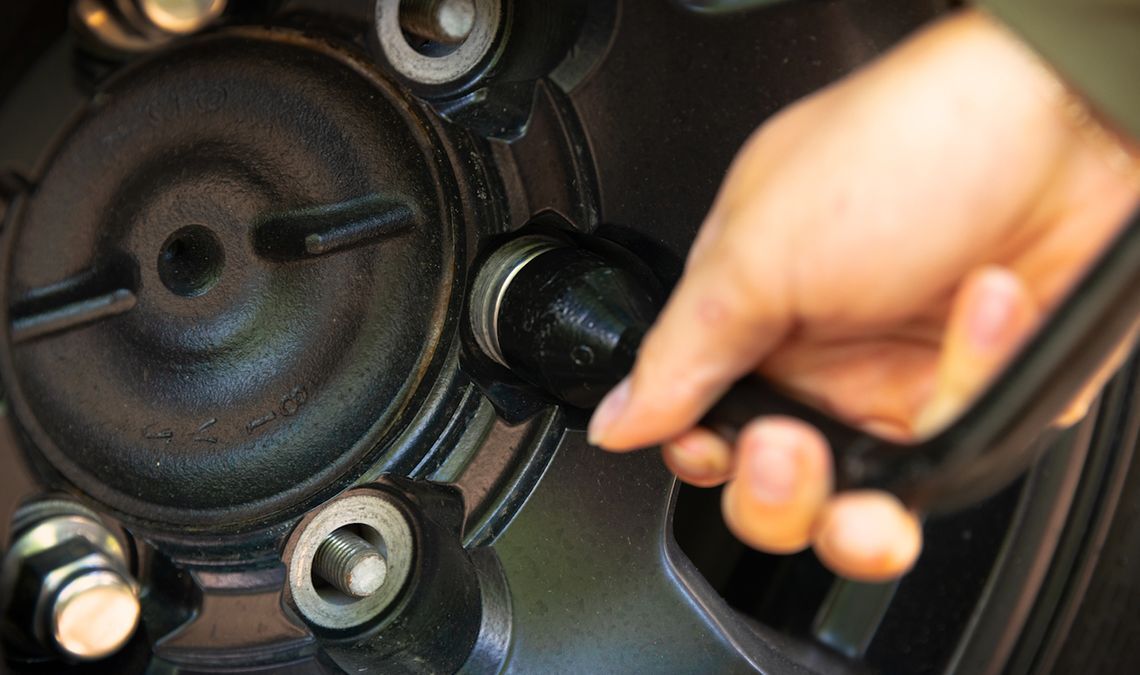
Credit: www.bfgoodrichtires.com
Removing Old Lug Nuts
Removing old lug nuts is a key step before replacing them. Doing it right keeps you safe and avoids damage.
Use the correct tools and follow a good method to loosen and remove the nuts easily.
Fully Unscrewing Nuts
Start by placing the wrench on a lug nut. Turn it counterclockwise to loosen. You may need to apply strong force if the nuts are tight.
- Use a breaker bar for extra leverage if needed.
- Loosen each lug nut a little at a time, moving across the wheel.
- Once all nuts are loose, turn them completely by hand.
Removing The Wheel
After the nuts are removed, carefully pull the wheel away from the hub. It might be stuck from rust or dirt.
| Tip | Reason |
|---|---|
| Tap the back of the wheel gently | Loosens rust or dirt holding the wheel |
| Wear gloves | Protects your hands from sharp edges |
| Keep the nuts in a safe place | Prevents losing them before replacement |
Inspecting Wheel Components
Before replacing wheel lug nuts, check the wheel parts carefully. This helps keep your vehicle safe and running well.
Inspecting the studs and hub can stop problems later. Always look for damage or dirt that can cause issues.
Checking Lug Studs
Look at the lug studs for any cracks or bends. Damaged studs can make the wheel loose or unsafe.
Make sure the studs are not worn down. Worn studs may not hold the lug nuts tightly.
- Check for rust or corrosion on the studs
- Look for any signs of bending or cracking
- Ensure the studs are clean and free of debris
- Replace any damaged or worn studs before installing nuts
Cleaning The Hub
Clean the wheel hub surface before putting on new lug nuts. Dirt or rust can stop the nuts from fitting well.
Use a wire brush or cloth to remove rust, dirt, and old grease. A clean hub helps the wheel sit tight and secure.
- Remove any rust using a wire brush
- Wipe off dirt and grease with a clean cloth
- Check the hub for damage or wear
- Make sure the surface is dry before placing the wheel
Installing New Lug Nuts
Replacing wheel lug nuts is important for safety and vehicle performance. Proper installation keeps your wheels secure and functioning well.
In this guide, learn how to install new lug nuts properly, focusing on aligning the wheel and hand-tightening nuts.
Aligning The Wheel
Before installing new lug nuts, make sure the wheel is aligned correctly. This ensures the wheel sits flush against the hub.
- Raise the vehicle using a jack, ensuring it is stable.
- Remove the old lug nuts and take off the wheel.
- Place the wheel back onto the hub, aligning the holes.
- Hold the wheel steady as you prepare to hand-tighten the new lug nuts.
Hand-tightening Nuts
Once the wheel is aligned, begin hand-tightening the lug nuts. This step ensures they start threading correctly without cross-threading.
Use a crisscross pattern to evenly distribute pressure:
- Start with one nut, then move across to the opposite.
- Continue this pattern until all nuts are snug.
After hand-tightening, use a wrench to secure each lug nut further. Ensure each nut is tightened to the vehicle manufacturer’s specifications.
Securing Lug Nuts
Securing lug nuts properly is essential for safe driving. Loose lug nuts can lead to serious accidents.
It’s important to know the right way to secure them. Let’s explore some key techniques.
Using A Cross Pattern
Using a cross pattern when tightening lug nuts is important. This method ensures even pressure on the wheel.
Start by tightening one nut. Then, move across to the opposite nut. Continue this pattern until all nuts are secure.
- Begin with one lug nut
- Move to the opposite nut
- Repeat for all nuts
Applying Correct Torque
Applying the correct torque is crucial for lug nut security. Too much torque can damage the wheel. Too little can cause it to loosen.
Use a torque wrench to apply the right amount of force. Check your car’s manual for the recommended torque settings.
| Car Type | Recommended Torque (ft-lbs) |
| Sedan | 80-100 |
| SUV | 100-120 |
Lowering The Vehicle
After replacing the wheel lug nuts, you need to lower the vehicle safely. This step helps you remove the jack and jack stands without damage.
Lowering the vehicle carefully keeps you safe and protects the car parts. Follow each step closely to avoid accidents.
Removing Jack Stands
Before lowering the jack, remove the jack stands that hold the vehicle up. Make sure the car is stable and will not move suddenly.
Stand clear of the vehicle. Slowly lift the vehicle a little with the jack to take weight off the stands. Then carefully pull the stands away.
- Lift the car slightly with the jack
- Pull the jack stands out from under the car
- Make sure the vehicle is fully supported by the jack
Lowering The Jack
Once the jack stands are removed, lower the vehicle slowly with the jack. Turn the jack handle carefully to bring the car down.
Lower the jack until the tires touch the ground fully. Take your time to avoid sudden drops that can damage the car or hurt you.
- Turn the jack handle slowly to lower the car
- Stop lowering once the wheel touches the ground
- Remove the jack from under the vehicle
Final Checks
After replacing the wheel lug nuts, it is important to complete final checks. These checks ensure your safety and the proper function of the wheel.
Taking the time to perform these checks helps avoid problems while driving. Pay attention to the tightness of the lug nuts and how the vehicle handles.
Rechecking Lug Nut Tightness
Once you finish tightening the lug nuts, double-check each one. Use a torque wrench to confirm they are secure at the correct torque setting.
Check the lug nuts again after driving a short distance. Heat and vibrations can cause them to loosen slightly.
- Use the vehicle’s manual for the correct torque value
- Tighten nuts in a star or crisscross pattern
- Recheck tightness after 25-50 miles of driving
Test Driving Safely
After completing the lug nut checks, take a slow test drive. Drive carefully to see if the wheel feels stable and secure.
Listen for unusual noises and feel for vibrations. Stop immediately if you notice anything odd and inspect the wheel again.
- Drive at low speed for the first few miles
- Avoid sharp turns or sudden stops
- Check the lug nuts again after the test drive
Credit: www.focusst.org
Frequently Asked Questions
What Tools Do I Need To Replace Wheel Lug Nuts?
You need a lug wrench, torque wrench, and possibly a breaker bar. These tools help loosen and tighten lug nuts safely and accurately. Using the correct tools prevents damage and ensures proper installation.
How Tight Should Wheel Lug Nuts Be?
Lug nuts should be tightened to the manufacturer’s specified torque. Over-tightening can damage the wheel or studs, while under-tightening risks wheel loosening. Use a torque wrench to achieve the correct tightness for safety.
Can I Reuse Old Wheel Lug Nuts?
Reusing old lug nuts is possible if they are undamaged and not worn out. Inspect for rust, stripping, or cracks. Replace any lug nuts that show signs of damage to maintain wheel safety.
Why Is Proper Lug Nut Tightening Important?
Proper tightening ensures the wheel stays securely attached during driving. It prevents vibrations, wheel damage, and potential accidents. Correct torque also protects the wheel studs and nuts from premature wear.
Conclusion
Replacing wheel lug nuts takes care and attention. Tighten them evenly to keep your wheels safe. Use the right tools and check the torque. Double-check your work before driving away. Regularly inspect lug nuts for any signs of wear. A small effort can prevent big problems later.
Stay safe on the road with proper maintenance. Simple steps keep your vehicle running smoothly. Easy to do, but important for your safety.







