
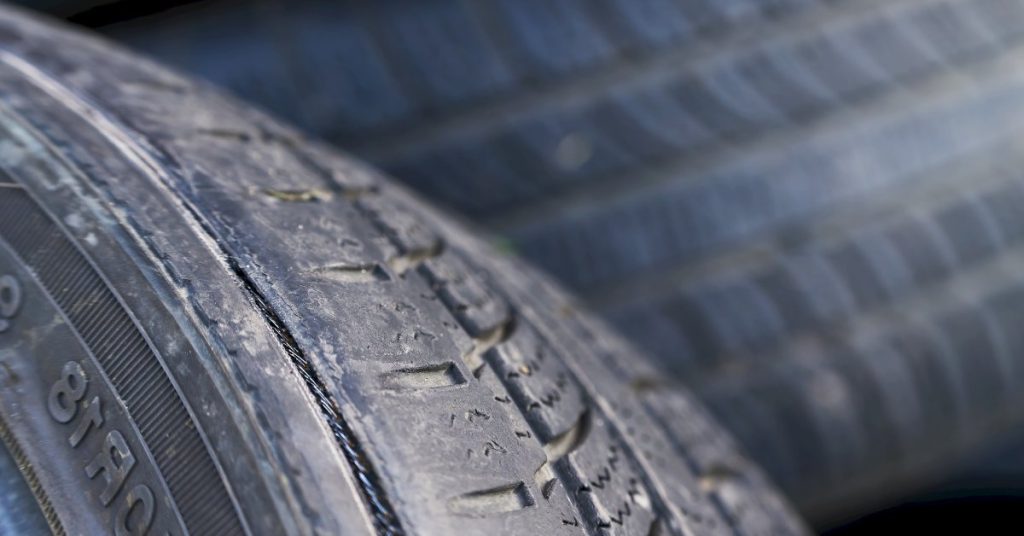
Have you noticed small cracks forming on your tire sidewalls? These tiny cracks might seem harmless, but they can affect your safety and the life of your tires.
The good news is that you don’t always need to replace the tire right away. With the right steps, you can repair those small sidewall cracks and keep your tires in better shape. You’ll discover simple, effective ways to fix those cracks and protect your vehicle.
Keep reading to learn how to save your tires and drive with confidence.
Causes Of Sidewall Cracks
Small cracks on tire sidewalls can weaken your tires. These cracks often happen because of several common reasons. Knowing what causes them helps you prevent damage.
Sidewall cracks reduce tire life and can lead to tire failure. It is important to spot the causes early and take care of your tires.
Exposure To Sunlight And Heat
Sunlight and heat cause tires to dry out. The rubber loses its natural oils and becomes brittle. This brittleness leads to cracks on the sidewall.
UV rays break down the tire’s surface. Hot weather speeds up this damage. Cars parked outside all day face more cracking risks.
- UV rays cause rubber to dry and crack
- High temperatures speed up tire aging
- Covered or shaded parking reduces damage
Aging And Wear
All tires age over time, even if not used much. The rubber hardens and loses flexibility. This aging causes small cracks to form on the sidewall.
Worn tires are more likely to crack. Older tires need regular checks for signs of wear and cracks.
- Tires lose flexibility as they age
- Wear from driving causes surface damage
- Replace tires older than six years
Improper Inflation
Too much or too little air pressure stresses the tire sidewall. Low pressure makes the sidewall flex more, causing cracks. High pressure stretches the tire, leading to damage.
Keep tires inflated to the recommended pressure. Check pressure regularly to avoid sidewall damage.
- Low pressure increases sidewall movement
- High pressure overstretches tire rubber
- Use a reliable gauge to check pressure
Road Hazards
Sharp objects and rough roads cause sidewall cracks. Hitting potholes or curbs can damage the tire’s sidewall. This leads to cracks and weak spots.
Drive carefully on rough roads and avoid sharp debris. Regular tire inspections help catch damage early.
- Potholes can cause sidewall impact damage
- Sharp debris cuts or cracks the rubber
- Slow down on rough or uneven roads
Assessing Crack Severity
Small cracks in a tire sidewall can affect safety. It is important to check how serious these cracks are before fixing them.
Understanding crack severity helps decide if you can repair the tire or need a replacement.
Identifying Minor Vs. Major Cracks
Minor cracks are thin and shallow. They often appear on the surface and do not go deep into the rubber.
Major cracks are wide, deep, or long. They may expose the inner layers of the tire and weaken it.
- Minor cracks: less than 1/8 inch wide, surface level
- Major cracks: wider than 1/8 inch, deep into the sidewall
- Minor cracks do not show cords or fabric inside
- Major cracks may reveal tire cords or fabric layers
- Minor cracks are usually isolated spots
- Major cracks often cover larger areas or multiple spots
When To Replace Instead Of Repair
Replace the tire if cracks are deep or expose inner layers. Repairing such tires is unsafe.
Also replace tires with many cracks spread over the sidewall. This means the tire is weak.
- Deep cracks showing cords or fabric inside
- Cracks longer than 1 inch or very wide
- Multiple cracks covering most of the sidewall
- Tire age over six years combined with cracking
- Visible bulges or deformities near cracks
Tools And Materials Needed
Fixing small tire sidewall cracks can save money. You need the right tools and materials to do it properly.
Make sure you gather all the necessary items before starting the repair. This will make the process smoother and more efficient.
Cleaning Supplies
Cleaning the tire is the first step. It is important to remove all dirt and debris.
- Soap and water
- Rag or sponge
- Dry cloth
Rubber Cement And Patch Kits
Rubber cement is crucial for sealing cracks. Patch kits provide extra strength.
- Rubber cement tube
- Tire patch kit
Sandpaper And Applicators
Sanding the surface helps the patch stick better. Applicators ensure even coating.
- Fine-grit sandpaper
- Applicator brush
Credit: www.toyotanation.com
Preparing The Tire Surface
Before fixing small cracks on the tire sidewall, you must prepare the surface. This step helps the repair last longer. Cleaning and sanding the area makes the patch stick better.
Take your time to do these tasks carefully. A clean and rough surface improves the bond of the repair materials.
Cleaning The Area
Remove dirt and grime from the cracked area. Use water and mild soap to wash the tire surface. This removes oils and dust that can stop the repair from sticking well.
After washing, dry the area completely. Use a clean cloth to wipe off water. Do not skip drying because moisture can weaken the repair.
- Use a brush to scrub off dirt gently
- Rinse with clean water
- Dry with a soft cloth or let air dry
Sanding The Crack
Lightly sand the cracked area to roughen the surface. This helps the repair material stick better. Use fine-grit sandpaper for this step.
Be careful not to damage the tire further. Sand only the area around the crack, not the whole tire sidewall.
- Choose 180 to 220 grit sandpaper
- Sand in small, gentle circles
- Remove sanding dust with a clean cloth
Step-by-step Repair Process
Small cracks on a tire sidewall can cause air leaks and reduce tire life. Fixing these cracks quickly helps keep your tire safe and strong. This guide shows you how to repair small sidewall cracks in a few simple steps.
Gather your materials and follow each step carefully. The process includes applying rubber cement, adding a patch for support, and sealing the repair.
Applying Rubber Cement
Clean the cracked area with a cloth to remove dirt and dust. Then, apply rubber cement evenly over the cracks. This glue helps fill the cracks and bonds the patch to the tire.
Using A Patch For Support
After the rubber cement is sticky but not wet, place a tire patch over the cracks. Press the patch firmly to make sure it sticks well. The patch adds strength to the weak area and stops cracks from growing.
- Cut the patch to the right size for your crack.
- Remove the patch backing carefully.
- Place the patch over the glued area.
- Press down hard for about 2 minutes.
- Check for air bubbles and smooth them out.
Sealing And Drying
Seal the edges of the patch with extra rubber cement. Let the repair dry fully before using the tire. Drying time is usually about 30 minutes but check the instructions on your glue.
| Step | Action | Time |
| 1 | Apply rubber cement | 5 minutes |
| 2 | Place and press patch | 2 minutes |
| 3 | Seal edges | 3 minutes |
| 4 | Dry repair | 30 minutes |
Credit: rnrtires.com
Post-repair Checks
After repairing small tire sidewall cracks, it’s important to ensure the repair is successful. Follow these steps to check your tire effectively.
These checks will help you confirm the tire is safe to use and will last longer on the road.
Inspecting For Air Leaks
Check for air leaks to ensure the tire holds pressure. Use soapy water to identify any bubbling, which indicates a leak.
- Mix soap with water in a spray bottle
- Spray the solution on the repaired area
- Look for bubbles forming, indicating a leak
Reinflating The Tire
Once you are sure there are no leaks, reinflate the tire to the recommended pressure. This will help maintain the tire’s shape and function.
Monitoring The Repair Over Time
Keep an eye on the tire over the next few weeks. This will help you notice any issues early.
| Week | Check |
| 1 | Verify pressure weekly |
| 2 | Look for new cracks |
| 3 | Reassess for air leaks |
Preventing Future Cracks
Small cracks on tire sidewalls can get worse if not cared for. Preventing future cracks is important for your safety and tire life.
Simple habits and checks help keep tires strong. Follow these tips to avoid more damage.
Proper Tire Maintenance
Keep tires in good shape with regular care. Proper maintenance stops cracks from spreading.
- Check tire pressure monthly and keep it at the recommended level.
- Rotate tires every 5,000 to 7,000 miles to ensure even wear.
- Balance tires to avoid uneven stress on sidewalls.
- Use the correct tire size and type for your vehicle.
- Clean tires regularly to remove dirt and chemicals that can dry out rubber.
Regular Inspections
Look at your tires often to catch cracks early. Early detection helps prevent bigger problems.
| What to Check | Why It Matters |
| Sidewall cracks | Stop cracks before they grow |
| Uneven wear | May cause more sidewall stress |
| Bulges or blisters | Indicate weak spots |
| Foreign objects | Can cause punctures or damage |
Avoiding Harsh Conditions
Avoid tough conditions that dry or damage tires. Harsh environments speed up cracking.
Protect your tires by:
- Parking in shaded or covered areas to avoid sun damage.
- Keeping tires away from oil, grease, and other chemicals.
- Driving carefully on rough or rocky roads.
- Not overloading your vehicle beyond tire limits.
- Using tire covers if storing tires long-term.

Credit: www.reddit.com
Frequently Asked Questions
How Can I Safely Repair Small Tire Sidewall Cracks?
To safely repair small sidewall cracks, clean the area first. Use a flexible tire repair sealant or rubber cement. Avoid harsh chemicals and inspect tires regularly. For deep or large cracks, consult a professional to ensure safety and prevent blowouts.
What Materials Are Best For Fixing Tire Sidewall Cracks?
The best materials include flexible rubber sealants, tire repair kits, and rubber cement. These products restore elasticity and seal cracks effectively. Avoid rigid adhesives as they can worsen damage. Always choose products designed specifically for tire repairs to ensure durability and safety.
Are Small Sidewall Cracks Dangerous For Driving?
Small sidewall cracks may not be immediately dangerous but can worsen over time. They reduce tire strength and increase blowout risk. Regular inspection and timely repair are crucial. If cracks deepen or spread, replace the tire to maintain safe driving conditions.
How Often Should I Check Tires For Sidewall Cracks?
Check your tires for sidewall cracks monthly and before long trips. Regular inspections help catch early damage and prevent accidents. Look for visible cracks, bulges, or dry rot signs. Early detection allows for timely repairs or replacements.
Conclusion
Small tire sidewall cracks can cause trouble if ignored. Fixing them early keeps your tire safe and strong. Use the right tools and materials for the repair. Check your tires often for new cracks or damage. Drive carefully to avoid making cracks worse.
Taking care of small cracks saves money and stress. Keep your tires in good shape for a safer ride. Simple steps make a big difference in tire health. Stay alert and act fast to protect your tires.







