
Have you noticed small paint chips on your car and wondered how to fix them before they turn into bigger problems? Those tiny spots might seem harmless, but they can quickly lead to rust and damage if left untreated.
The good news is, repairing paint chips is easier than you think—and you don’t need to spend a fortune at the shop. In this guide, you’ll discover simple, step-by-step methods to restore your car’s look and protect its value. Keep reading to learn how you can make your car look smooth and fresh again, all on your own.
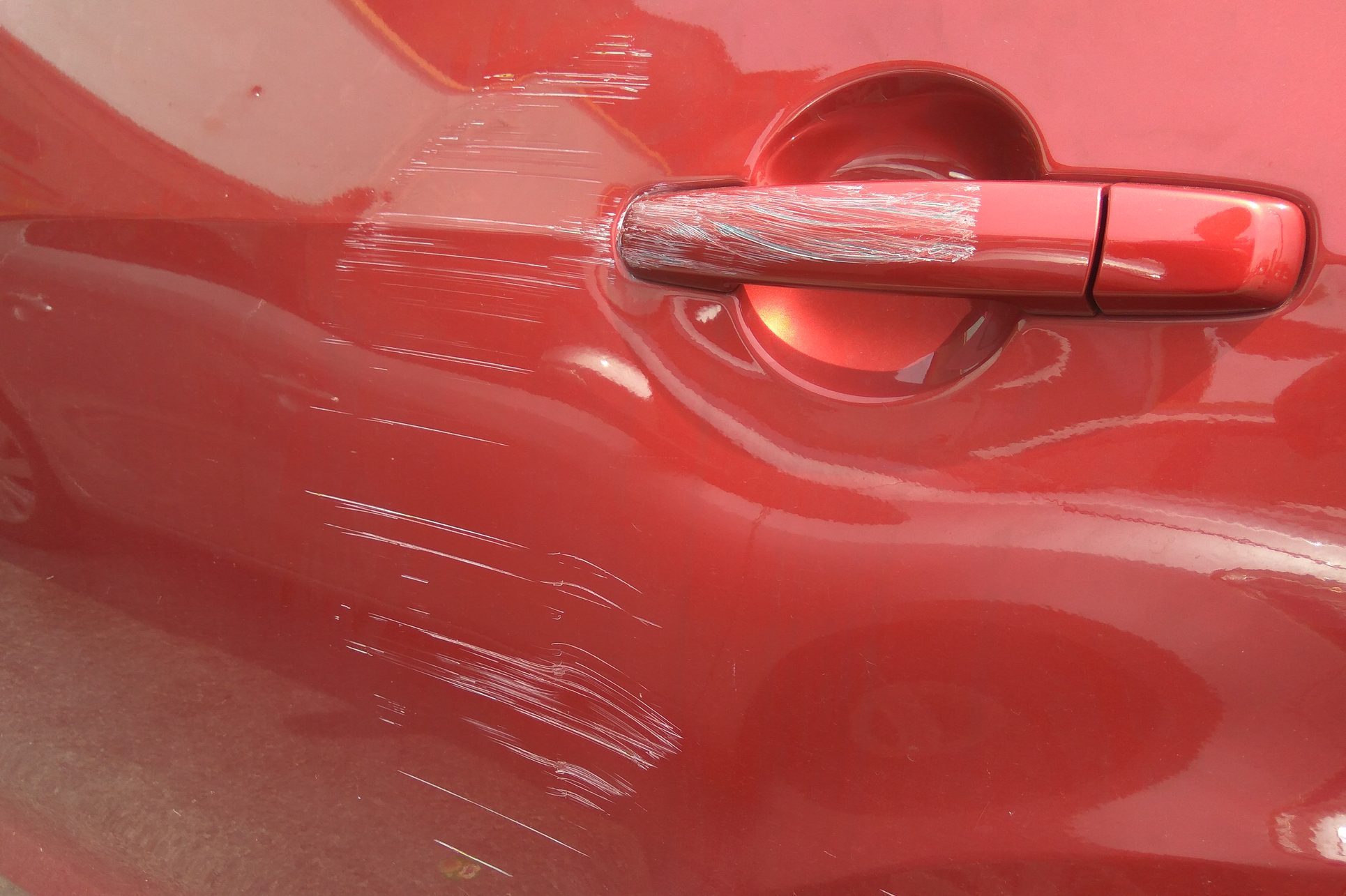
Credit: www.familyhandyman.com
Assess The Damage
Before fixing paint chips on your car, you need to check the damage carefully. This helps you decide the right repair method.
Look closely at the chip to understand how big and deep it is. Also, check if there is any rust or corrosion under the paint.
Identify Chip Size And Depth
Look at the paint chip to see how large it is. Small chips are easier to fix than big ones. Measure the width if you can.
Check how deep the chip goes. Is it just the paint or does it reach the metal? Deep chips need more care to prevent damage.
- Small chips are less than 1/4 inch wide
- Medium chips are 1/4 to 1/2 inch wide
- Large chips are more than 1/2 inch wide
- Shallow chips affect only the paint layer
- Deep chips expose the metal underneath
Check For Rust Or Corrosion
Look inside the chip for any signs of rust. Rust can form if the metal is exposed to air and water.
If you see rust, you need to remove it before you paint. Rust can spread and cause more damage over time.
- Rust appears as orange or brown spots
- Check edges of the chip for rough or flaky metal
- Clean rust off with a wire brush or sandpaper
- Use rust remover if needed
Gather Necessary Tools
Fixing paint chips on your car needs the right tools. Gather all supplies before you start.
Having everything ready helps the repair go smoothly. It also saves time and effort.
Essential Repair Supplies
You need certain supplies for a good paint chip repair. These include cleaning, sanding, and painting tools.
- Soap and water to clean the area
- Fine-grit sandpaper to smooth the chip
- Primer to prepare the surface
- Touch-up paint that matches your car
- Clear coat for a shiny finish
- Small brushes or applicators for painting
- Masking tape to protect nearby areas
- Microfiber cloths for drying and wiping
Choosing The Right Paint
Picking the right paint color is key. Use paint made for cars and match your car’s exact color code.
You can find your car’s color code inside the driver’s door or in the manual. Matching paint ensures a clean look.
- Check your car’s color code label
- Buy paint from a trusted automotive supplier
- Use touch-up paint pens or bottles
- Test paint on a small hidden area first
Prepare The Area
Fixing paint chips on your car starts with preparing the area well. This step ensures the repair looks smooth and lasts long.
Cleaning and sanding the damaged spot helps the new paint stick properly. Take your time on this part for best results.
Clean The Surface
Remove dirt, grease, and dust from the chipped area. Use soap and water or a special cleaner made for cars.
Dry the surface completely before moving to the next step. A clean surface helps the paint stick better.
- Wash with car soap and water
- Use a clean cloth or sponge
- Let the area dry fully
Sand The Damaged Spot
Lightly sand the chipped area with fine sandpaper. This removes rough edges and creates a smooth base.
Be gentle to avoid making the damage worse. Sand until the edges of the chip are smooth and blend with the surrounding paint.
- Use 600-grit sandpaper
- Sand only the damaged spot
- Wipe away dust after sanding
Apply Primer And Paint
Repairing paint chips on your car can make it look new again. Learn how to apply primer and paint for a smooth finish.
Following these steps will help protect your car’s surface. You will also ensure the paint lasts longer.
Use Primer For Better Adhesion
Primer prepares the car’s surface for paint. It helps the paint stick better and prevents rust.
Before applying primer, clean the chipped area thoroughly. This removes dirt and ensures a strong bond.
- Clean the chip with soap and water
- Sand the area to smooth rough edges
- Apply a thin layer of primer
Layer Paint Carefully
Paint should be applied in layers for a smooth finish. Start with a thin layer and let it dry before adding more.
Use a small brush or spray for even coverage. This helps blend the new paint with the car’s existing color.
| First Layer | Apply thinly and wait to dry |
| Second Layer | Build coverage without excess |
| Final Touch | Ensure smooth finish and blend |
Smooth And Blend The Repair
Repairing paint chips on your car needs careful work. You must ensure the repair blends well with the rest of the paint.
The process involves smoothing out the area and making it shine. Proper techniques will help you achieve a flawless finish.
Wet Sanding Techniques
Wet sanding helps smooth the repaired paint area. Use fine-grit sandpaper to avoid scratches.
Always keep the sandpaper wet. This reduces friction and prevents damage to the paint.
- Use 1500-2000 grit sandpaper
- Dip sandpaper in water frequently
- Sand gently in circular motions
Apply Clear Coat For Shine
After sanding, apply a clear coat to the area. This makes the repair shine like the rest of the car.
Ensure the clear coat is applied evenly. Let it dry completely for the best results.
- Shake the clear coat spray can well
- Hold the can 6-8 inches from the surface
- Apply in thin, even layers
Final Touches
After fixing paint chips on your car, some final steps help the area look smooth. These steps also protect the repair and keep your car shiny.
Taking time for these last touches improves the repair’s strength and appearance. Let’s explore how to polish and protect the spot.
Polish The Area
Polishing removes rough spots and blends the repaired area with the car’s paint. Use a gentle polish made for cars.
Apply the polish with a soft cloth using small, circular motions. Keep polishing until the surface feels smooth and shines evenly.
- Choose a fine polish for clear coat finishes
- Use a soft microfiber cloth to avoid scratches
- Work in small sections for better control
- Do not press too hard to protect the paint
Protect With Wax
Waxing the repaired area adds a protective layer. It guards against dirt, water, and sun damage.
Use car wax and apply it evenly over the polished area. Let it dry, then buff it with a clean cloth for a nice shine.
- Select a wax suitable for your car’s paint type
- Apply wax in thin, even layers
- Allow wax to haze before buffing
- Use a soft cloth for best results
Prevent Future Paint Chips
Paint chips can make your car look old and worn. Fixing them is important. You can also stop new chips from forming.
Taking care of your car helps keep its paint smooth and strong. This lowers the chance of chips and scratches.
Safe Driving Tips
Driving carefully reduces the risk of paint chips. Avoiding rough roads and debris helps protect your car’s paint.
Keep a safe distance from other vehicles. Stones and dirt can fly up and hit your car’s surface.
- Drive slower on gravel or dirt roads
- Keep distance from trucks carrying loose materials
- Avoid sudden stops near construction sites
- Watch for loose rocks on the road
Regular Maintenance
Wash your car often to remove dirt and salt. These can wear down the paint over time.
Apply wax every few months. Wax adds a protective layer that shields paint from chips and scratches.
- Use gentle car wash soap
- Dry car with soft towels
- Wax your car at least twice a year
- Check paint for small chips and fix them quickly

Credit: www.youtube.com

Credit: www.youtube.com
Frequently Asked Questions
What Tools Are Needed To Repair Car Paint Chips?
You need touch-up paint, primer, fine sandpaper, a clear coat, and a brush. Clean the area first. These tools help fill and seal the chip properly, restoring the car’s appearance and protecting it from rust.
How Long Does It Take To Fix Paint Chips On A Car?
Repairing paint chips usually takes 30 minutes to an hour. Drying times vary by product. Allow paint and clear coat to fully dry for best results. This ensures a smooth, durable finish that blends well with existing paint.
Can I Repair Paint Chips Myself At Home?
Yes, you can repair paint chips at home with the right tools. Follow steps carefully: clean, sand, prime, paint, and seal. DIY repairs save money and keep your car looking good when done properly.
Will Fixing Paint Chips Prevent Rust Formation?
Yes, repairing paint chips prevents rust by sealing exposed metal. Paint chips expose metal to moisture and air, causing rust. Proper repair protects your car’s body and extends its lifespan. Early repair is key to avoiding costly damage.
Conclusion
Fixing paint chips on your car protects it from rust and damage. Small repairs keep your vehicle looking clean and fresh. Use the right tools and take your time for best results. Regular checks help catch new chips early. Simple steps can save you money on costly repairs later.
A little care goes a long way in maintaining your car’s value. Try these tips and keep your car’s paint smooth and shiny. Your car will thank you with a better look and longer life.







