
Has your alloy wheel taken a hit and ended up bent? You might think fixing it means costly trips to the mechanic or buying a new one.
But what if you could repair your bent alloy wheel right at home, saving both time and money? In this guide, you’ll discover simple, step-by-step methods to restore your wheel’s shape using tools you likely already have. Keep reading, and by the end, you’ll have the confidence to handle this repair yourself—and get your ride back on the road looking great.
Tools Needed For Wheel Repair
Fixing a bent alloy wheel at home requires the right tools. Using proper equipment makes the repair easier and safer.
This guide covers the basic tools and safety gear you need before starting the repair process.
Essential Equipment
To repair a bent alloy wheel, gather these essential tools. Each tool helps with a specific part of the repair.
- Jack and jack stands to lift and secure the vehicle
- Rubber mallet for gently tapping the wheel back into shape
- Adjustable wrench for removing and tightening bolts
- Wheel balancer or bubble level to check wheel alignment
- Heat gun to warm the metal before bending
- File or sandpaper to smooth rough edges
- Wheel cleaner to remove dirt and grease
Safety Gear
Wearing safety gear protects you during the repair. Always use the right protection to avoid injuries.
| Safety Item | Purpose |
| Safety glasses | Protect eyes from metal shards and dust |
| Work gloves | Protect hands from cuts and heat |
| Long sleeves | Protect skin from burns and scratches |
| Dust mask | Prevent inhaling dust and particles |

Credit: www.thetimes.com
Identifying The Damage
Bent alloy wheels can cause problems with driving and tire wear. It is important to find the damage early. This helps you decide if you can fix it at home.
Look closely at the wheel to spot any bends or cracks. Use good light and clean the wheel first to see the damage better.
Types Of Bends
There are different types of bends that can happen to alloy wheels. Knowing the type helps you choose the right fix.
- Radial Bend:This bend is on the edge of the wheel and looks like a ripple or wave.
- Lateral Bend:This bend makes the wheel tilt to one side. It affects how the wheel spins.
- Cracks:These are breaks in the metal. Cracks are serious and need careful checking.
Assessing Severity
Check how deep and wide the bend is. Small bends are easier to fix at home. Large bends may need a professional.
Spin the wheel and watch for wobbling. Wobble means the bend is severe and could cause safety issues.
- Minor bends: Less than 1 inch deep, no cracks, slight wobble or none.
- Moderate bends: 1 to 2 inches deep, small cracks, noticeable wobble.
- Severe bends: More than 2 inches deep, big cracks, strong wobble.
Preparing The Wheel
Repairing a bent alloy wheel at home needs careful preparation. You must clean and inspect the wheel well before starting any repair work.
Removing the wheel properly is also important. It helps you work safely and prevents further damage to the wheel or your vehicle.
Cleaning And Inspection
First, wash the wheel using soap and water. Remove all dirt, brake dust, and grease. Dry the wheel with a clean cloth.
Check the wheel carefully for cracks, deep scratches, or bends. A magnifying glass can help you see small cracks. Mark any damage with a pencil.
- Clean wheel surface with soap and water
- Dry with a soft cloth
- Inspect for cracks and bends
- Mark damaged areas clearly
- Use a magnifying glass for small cracks
Removing The Wheel
Park your vehicle on a flat surface and apply the parking brake. Loosen the lug nuts slightly before lifting the car with a jack. Remove the lug nuts completely and take off the wheel.
| Tool | Use |
| Jack | Lift the vehicle |
| Lug wrench | Loosen and remove lug nuts |
| Wheel chocks | Prevent vehicle movement |
| Gloves | Protect your hands |
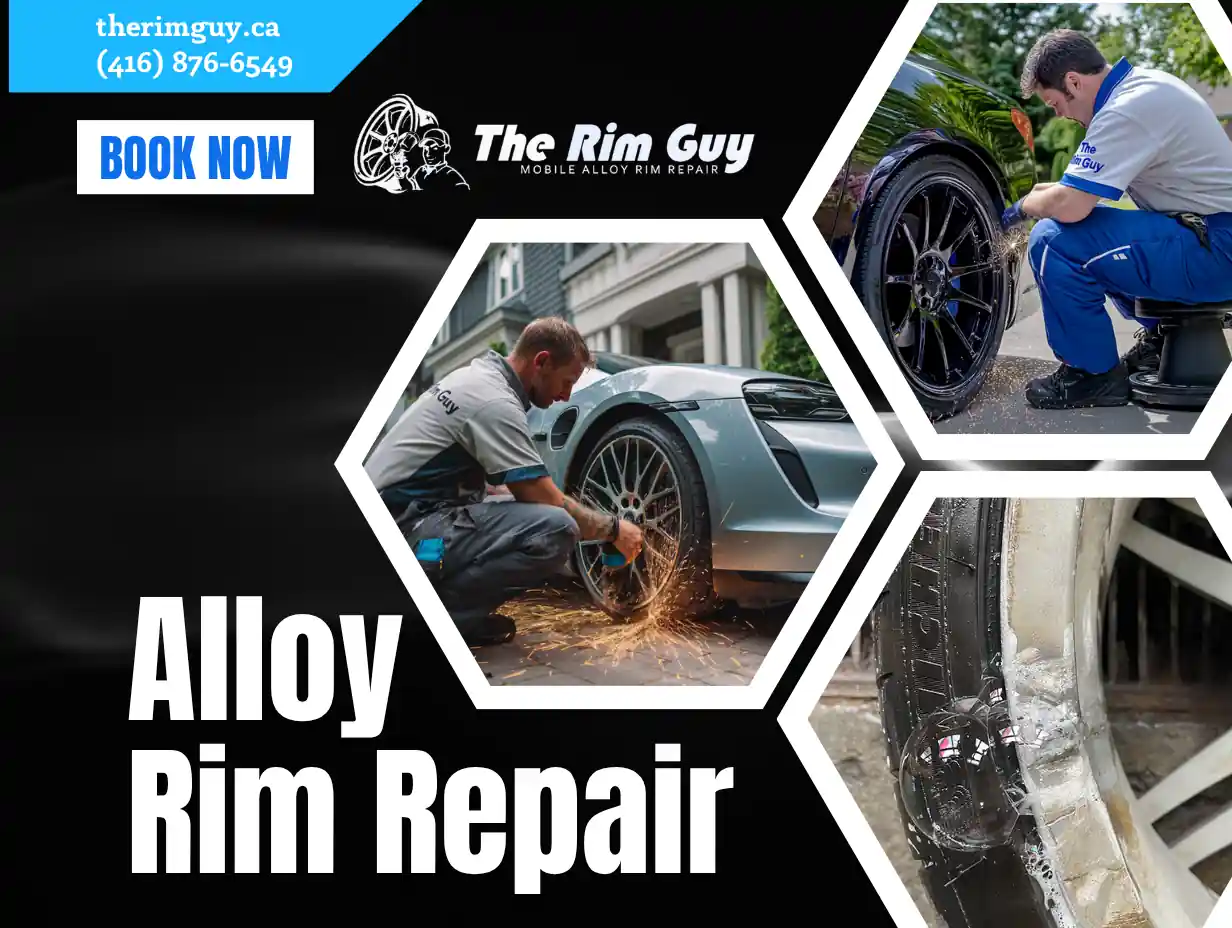
Credit: therimguy.ca
Diy Repair Methods
Bent alloy wheels can cause driving problems. You can fix minor bends at home with simple tools.
These DIY methods help restore the wheel shape safely. Always check your work before driving.
Using Heat And Pressure
Heat softens the metal, making it easier to bend back. Use a heat gun or propane torch carefully.
After heating, apply steady pressure to reshape the wheel. Use a clamp or press for even force.
- Heat the bent area evenly for 5-10 minutes
- Wear heat-resistant gloves for safety
- Use a hydraulic press or clamp to push the bend out
- Cool the wheel slowly to avoid cracks
Hammer And Wooden Block Technique
This method uses a wooden block to protect the wheel surface. Gently tap the bent area with a hammer.
The wood spreads the hammer’s force evenly. This helps reshape the alloy without causing damage.
- Place the wooden block on the bent spot
- Tap lightly with a rubber or plastic hammer
- Check the wheel shape often to avoid overbending
- Repeat until the wheel looks straight
Using A Wheel Repair Kit
Wheel repair kits include tools designed for alloy wheel fixes. They are easy to use at home.
Kits may have a puller, hammer, or filler material. Follow the instructions carefully for best results.
- Clean the wheel before starting repair
- Use the puller tool to pull out dents
- Apply filler if there are cracks or deep scratches
- Sand and paint the repaired area if needed
Checking Wheel Alignment
When you repair a bent alloy wheel at home, checking the wheel alignment is important. Proper alignment keeps your car safe and improves driving.
Bad wheel alignment can cause uneven tire wear and poor handling. You can check alignment with simple steps.
Visual Inspection
Start by looking at the wheel and tire closely. Check if the wheel looks tilted or crooked compared to the others.
Also, check the tire for uneven wear patterns. Uneven wear can show that the wheel is not aligned properly.
- Look for bends or dents on the rim
- Check if the tire sidewall has bulges
- Compare the wheel position with other wheels
- Inspect tire tread for uneven wear
Balancing The Wheel
Balancing the wheel helps it spin smoothly without vibrations. Unbalanced wheels can worsen alignment problems.
You can balance the wheel at home using simple tools or seek professional help for best results.
- Use a wheel balancer or a simple balancing stand
- Spin the wheel and see if it stops at the same point
- Add wheel weights opposite the heavy spot
- Recheck until the wheel spins evenly

Credit: www.thetimes.com
Post-repair Maintenance
After fixing your bent alloy wheel, it’s important to maintain it properly. Regular care helps the wheel stay in good condition and prevents future issues.
Follow these tips to ensure your wheel remains safe and functional. This guide will cover inspections and ways to avoid damage.
Regular Inspections
Check your wheels regularly for any signs of damage. This can prevent bigger problems later.
- Look for cracks or chips in the alloy.
- Ensure the wheel is still round and not warped.
- Verify that the wheel is securely attached to the car.
- Inspect the tire pressure and tread depth.
Preventing Future Damage
Take steps to avoid damage to your alloy wheels. Being careful can save you time and money.
- Avoid potholes and rough terrains when driving.
- Do not overload your vehicle to prevent stress on wheels.
- Clean your wheels regularly to remove dirt and debris.
- Use protective coatings to safeguard against corrosion.
| Maintenance Task | Frequency |
| Check for damage | Monthly |
| Clean wheels | Bi-weekly |
| Inspect tire pressure | Weekly |
| Apply protective coating | Quarterly |
Frequently Asked Questions
How Can I Fix A Bent Alloy Wheel At Home?
You can repair a bent alloy wheel by cleaning the wheel, heating the bent area, and gently reshaping it with a rubber mallet. Always wear safety gear and work slowly to avoid further damage. This DIY method works best for minor bends.
What Tools Do I Need To Repair Alloy Wheels?
Essential tools include a rubber mallet, heat gun or torch, sandpaper, wheel cleaner, and safety gloves. These tools help reshape, smooth, and clean the wheel properly during the repair process. Having the right tools ensures effective and safe repairs.
Is It Safe To Drive With A Bent Alloy Wheel?
Driving on a bent alloy wheel is unsafe as it can cause vibrations, poor handling, and tire damage. Minor bends may be repaired, but significant damage requires professional assessment or replacement to ensure your safety on the road.
How Long Does It Take To Repair A Bent Alloy Wheel?
DIY alloy wheel repairs usually take 30 minutes to an hour, depending on damage severity. Proper cleaning, heating, reshaping, and finishing all affect repair time. Patience is key for a successful fix without causing more damage.
Conclusion
Repairing a bent alloy wheel at home can save time and money. Use the right tools and work carefully for best results. Take safety steps to avoid injury during the process. Small bends are easier to fix, while big damage may need pros.
Regular checks help catch problems early and keep wheels safe. Practice patience and follow each step slowly. This way, your wheels stay strong and your ride smooth. Keep learning and improving your skills with each repair. You can handle simple wheel fixes confidently at home.







