
A punctured tire can stop you in your tracks at the worst possible moment. But what if you could fix it yourself, right at home, without waiting for help?
Imagine saving time, money, and the hassle of a trip to the repair shop. In this guide, you’ll discover simple steps to repair your tire quickly and safely. By the end, you’ll feel confident handling a flat tire on your own—ready to get back on the road fast.
Keep reading, and let’s get your tire fixed today!
Tools And Materials Needed
Fixing a punctured tire at home is easier when you have the right tools. Gathering these items before you start saves time and effort.
This guide covers essential repair kit items and optional tools that make the process smoother and safer.
Essential Repair Kit Items
You need some basic tools to fix a tire puncture. These items help you find and seal the hole quickly.
- Tire Repair Kit:Includes plugs, rasp tool, and insertion tool.
- Air Pump or Compressor:To refill the tire with air after repair.
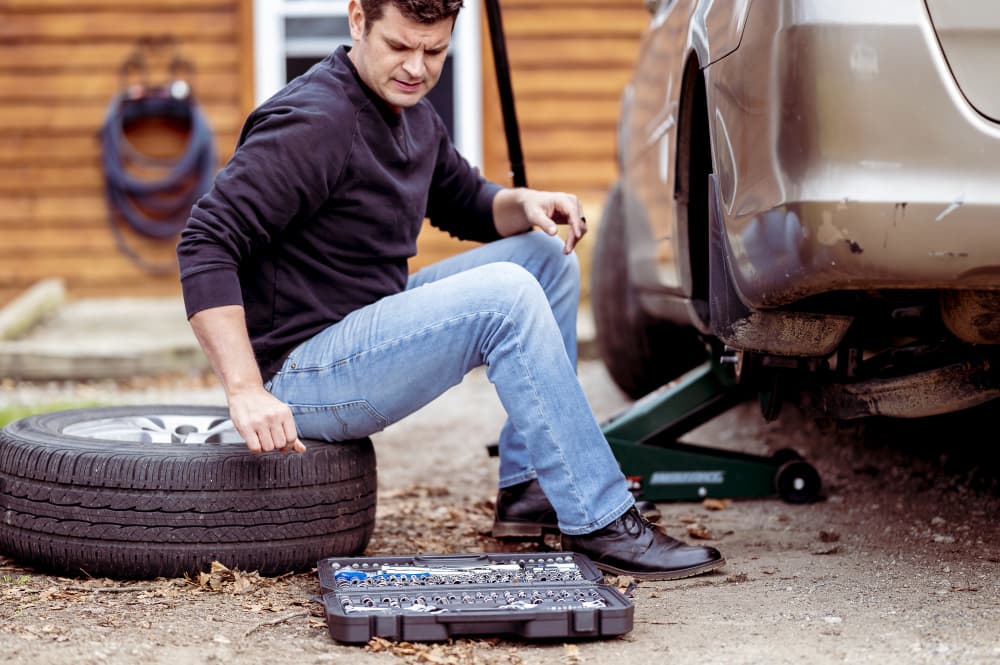
- Jack and Lug Wrench:For removing the wheel from your vehicle.
- Soapy Water or Leak Detector:To spot the exact puncture location.
- Gloves:Protect your hands during the repair.
Optional Tools For Convenience
These extra tools are not required but can make fixing a tire easier and faster.
- Pressure Gauge:To check tire pressure accurately before and after repair.
- Tire Iron:Helps in removing the tire from the rim if needed.
- Work Light or Flashlight:Useful for repairs in low light conditions.
- Portable Air Compressor:Handy for inflating tires without external help.
- Rubber Mallet:To tap plugs firmly without damaging parts.
Preparing The Tire
Fixing a punctured tire starts with proper preparation. You need to get the tire ready before you can repair it.
Careful steps here make the repair easier and safer. Let’s look at how to prepare the tire.
Removing The Wheel
First, remove the wheel from your vehicle. This gives you full access to the tire.
Make sure the car is on a flat surface. Use a jack to lift the car safely before loosening the lug nuts.
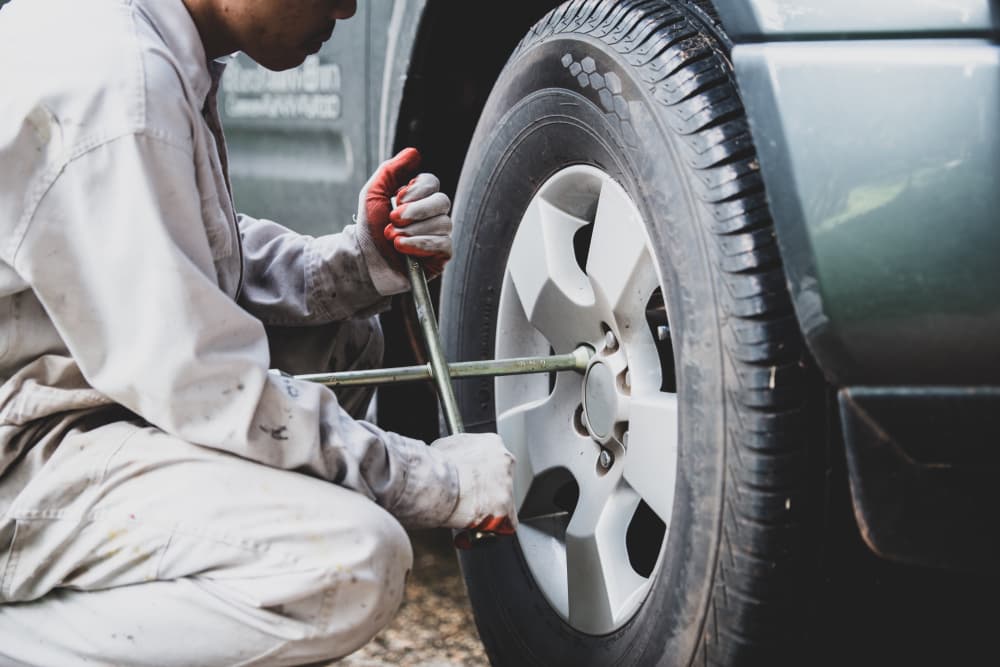
- Loosen lug nuts slightly while the wheel is on the ground
- Use a jack to lift the vehicle off the ground
- Remove the lug nuts completely
- Take the wheel off carefully
Locating The Puncture
Next, find the exact spot where the tire is punctured. This is key to a proper repair.
Look for nails, screws, or sharp objects stuck in the tire. You can also listen for air leaks or use soapy water.
- Inspect the tire carefully for visible damage
- Spray soapy water on the tire surface
- Watch for bubbles that show escaping air
- Mark the puncture spot with chalk or a marker
Cleaning The Damaged Area
Cleaning the punctured tire area is important before fixing it. Dirt and debris can stop the patch from sticking well.
Take your time to clean the area properly. This makes the repair stronger and lasts longer.
Remove Loose Dirt And Debris
Start by wiping the damaged spot with a dry cloth. This removes dust and loose dirt from the surface.
You can also use a brush to clear away small stones or bits stuck in the tire hole.
Use Soapy Water To Clean The Area
Mix mild soap with water to make soapy water. Use it to wash the punctured area gently.
Rinse the area with clean water after washing. This removes any soap residue that could weaken the patch.
Dry The Area Completely
Use a dry cloth to wipe the cleaned area. Make sure no moisture remains on the tire surface.
Let the tire air dry if needed. Patching a wet surface can cause the repair to fail.
Credit: www.crossroadshelpline.com
Applying The Patch
Fixing a punctured tire at home can save time and money. Applying a patch is an effective way to repair the hole.
This guide explains how to apply a patch using either a plug kit or a patch kit. Follow the steps carefully for a safe repair.
Using A Plug Kit
A plug kit repairs punctures in the tread area quickly. It seals the hole with a sticky plug that fills the gap.
- Locate the puncture and remove the object.
- Use the reamer tool to clean and widen the hole.
- Thread the plug through the insertion tool.
- Push the plug firmly into the hole.
- Pull the insertion tool out, leaving the plug in place.
- Trim excess plug material sticking out.
- Check for leaks by inflating the tire.
Using A Patch Kit
A patch kit works by sealing the inner tire surface. It requires removing the tire from the rim to access the inside.
| Step | Action | Notes |
|---|---|---|
| 1 | Remove the tire from the rim. | Use tire levers to avoid damage. |
| 2 | Locate and mark the puncture inside the tire. | Use chalk or marker. |
| 3 | Roughen the puncture area with sandpaper. | Helps glue stick better. |
| 4 | Apply vulcanizing glue around the hole. | Spread evenly and wait until tacky. |
| 5 | Place the patch firmly on the glued area. | Press down and hold for a few minutes. |
| 6 | Reinstall the tire and inflate it. | Check for air leaks to confirm repair. |
Sealing And Securing
Fixing a punctured tire at home needs careful sealing and securing. This keeps air inside and stops leaks.
Using the right tools and methods ensures the repair lasts longer. It also helps you stay safe on the road.
Cleaning The Puncture Area
Clean the tire surface around the hole before sealing. Dirt and debris can stop the patch from sticking well.
- Remove stones or sharp objects from the puncture.
- Use a cloth to wipe dirt away.
- Dry the area completely before applying sealant or patch.
Applying Sealant Or Patch
Choose either a liquid sealant or a patch to close the hole. Both methods stop air from escaping.
| Method | How to Apply | Pros | Cons |
| Liquid Sealant | Inject inside the tire through valve | Quick, fills small holes | Temporary fix, may damage tire pressure sensor |
| Patch | Apply on cleaned puncture surface | Strong, lasts longer | Needs more time and tools |
Securing The Repair
After sealing, press the patch firmly or shake the tire to spread sealant. This helps the repair hold well.
- Use a roller to press the patch for tight bonding.
- Check for any bubbles or gaps around the sealant.
- Let the patch or sealant cure as per instructions before use.
Reinstalling The Tire
After fixing a punctured tire, reinstalling it is the next step. Make sure everything is secure before you continue driving.
Follow these steps to ensure your tire is properly reinstalled. Safety is always important when working on your vehicle.
Mounting The Wheel Back
Mounting the wheel back onto the car is crucial. Align the wheel with the hub carefully.
- Lift the tire and slide it onto the hub.
- Make sure the holes align with the bolts.
- Hand-tighten each lug nut onto the bolts.
- Use a wrench to tighten the nuts in a criss-cross pattern.
- Ensure each lug nut is secure before lowering the car.
Inflating The Tire
Inflating the tire to the correct pressure is vital for a smooth ride. Check the recommended pressure in your car manual.
Use a reliable air compressor or visit a nearby gas station for inflation. Monitor the tire pressure gauge to ensure it meets the recommended PSI.
| Vehicle Type | Recommended PSI |
| Car | 30-35 PSI |
| Truck | 35-45 PSI |
| Motorcycle | 28-40 PSI |
Testing The Repair
Once you have repaired the punctured tire, it’s important to test it. Testing ensures your repair is safe for driving.
Follow these steps to make sure the tire is fixed properly and ready to use on the road.
Checking For Leaks
After repairing the tire, you need to check for any leaks. A leak test will confirm if the seal is tight.
- Fill a spray bottle with soapy water.
- Spray the soapy water around the repaired area.
- Look for bubbles forming, which indicate a leak.
- If bubbles appear, more repair may be needed.
Ensuring Proper Pressure
Correct tire pressure is crucial for safety and efficiency. After ensuring no leaks, check the tire pressure.
| Recommended Pressure | Measured Pressure |
| 32 PSI | 30 PSI |
| Check and adjust as necessary | Inflate to meet recommended level |
Regular checks can prevent future issues and keep your vehicle running smoothly.
Credit: www.crossroadshelpline.com
Tips For Preventing Future Punctures
Fixing a punctured tire at home is useful, but preventing new punctures saves time. Small changes can protect your tires and keep you safe on the road.
Use these tips to avoid sharp objects and damage that cause tire punctures. Proper care helps your tires last longer.
Check Tire Pressure Regularly
Keep your tires inflated to the correct pressure. Low pressure makes tires easier to puncture. High pressure can cause uneven wear. Use a tire gauge once a week to check.
Avoid Rough Roads And Debris
Drive carefully on roads with potholes, glass, or nails. Avoid construction zones and areas with trash. Slow down to reduce tire damage from rough surfaces.
Use Tire Sealants And Protectors
Tire sealants can help seal small holes automatically. Tire protectors add a layer between the tire and sharp objects. These options add extra protection and reduce puncture risks.
Inspect Tires Before And After Trips
- Look for embedded nails or glass pieces
- Check for cuts or cracks on the tire surface
- Remove any small stones stuck in the tire grooves
- Replace tires that show signs of heavy wear
Rotate Tires Regularly
Rotating tires every 5,000 to 8,000 miles helps them wear evenly. Even wear lowers the chance of weak spots that cause punctures. Follow your vehicle’s manual for rotation patterns.
Store Tires Properly When Not In Use
| Storage Tip | Reason |
| Keep tires in a cool, dry place | Prevents cracking from heat and moisture |
| Avoid direct sunlight | Sunlight breaks down rubber quickly |
| Store tires upright | Stops flat spots and shape damage |
| Cover tires with a cloth | Keeps dust and dirt away |

Credit: www.crossroadshelpline.com
Frequently Asked Questions
How Do I Find The Puncture In My Tire?
To find a puncture, inflate the tire fully. Submerge it in water and watch for bubbles. Bubbles indicate the air leak location. Alternatively, listen for a hissing sound. Mark the spot for repair.
What Tools Are Needed To Repair A Tire Puncture?
You need a tire repair kit, including a reamer, plug insertion tool, rubber plugs, and adhesive. Also, have a tire pressure gauge and an air pump or compressor for inflation after repair.
Can I Repair A Tire Puncture Without Removing The Tire?
Yes, small punctures on the tread can be repaired without removal. Use a plug kit to seal the hole. However, sidewall damage or large punctures require tire removal and professional repair.
How Long Does A Home Tire Repair Last?
A properly done home repair can last several months. It depends on the puncture size and location. For safety, monitor tire pressure regularly and consider professional inspection after repair.
Conclusion
Repairing a punctured tire at home saves time and money. You only need a few simple tools and steps. Carefully follow the instructions for the best results. Always check your tire pressure after the repair. Stay safe by inspecting the tire regularly.
This skill helps you avoid roadside troubles. Practice makes the process easier each time. Keep your vehicle ready and running smoothly. A small effort can prevent bigger problems later. Try this fix confidently to maintain your tire’s health.







