
Have you noticed those annoying scratches on your car’s paint and wondered how to get rid of them? Scratches can make your car look old and worn out, even if it’s otherwise in great shape.
The good news is, you don’t have to live with them or spend a fortune at a repair shop. With the right approach, you can restore your car’s shine and make those scratches disappear. Keep reading, and you’ll discover simple, effective ways to remove scratches from your car paint—step by step.
Your car deserves to look its best, and you’re just moments away from making that happen.
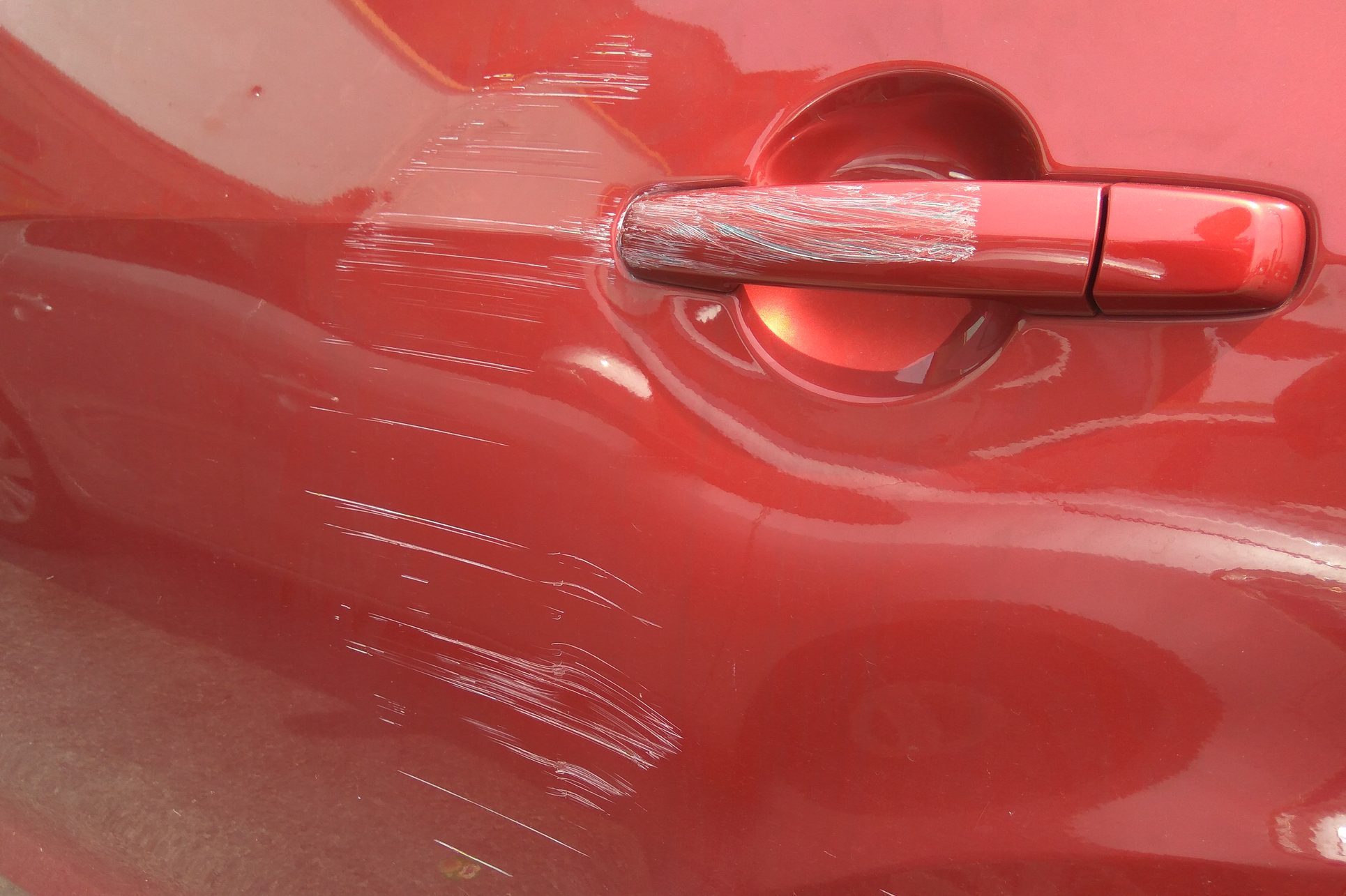
Credit: www.familyhandyman.com
Types Of Car Paint Scratches
Car paint scratches come in different types. Each type affects the car’s surface differently.
Knowing the type helps you choose the right way to fix the scratch.
Surface Scratches
Surface scratches are the lightest scratches on your car. They only affect the very top layer.
These scratches don’t reach the paint or clear coat layer. They usually come from dust or small debris.
- Can be felt with a fingernail but not deep
- Often fixable with simple polishing
- Do not expose the underlying paint
Clear Coat Scratches
Clear coat scratches go deeper than surface scratches. They damage the clear protective layer.
This type of scratch may dull the shine and cause rough spots on the paint.
- May show white or light marks
- Can be repaired with rubbing compounds
- Needs careful treatment to protect paint
Deep Paint Scratches
Deep paint scratches cut through the clear coat and paint. They may reach the metal under the paint.
These scratches are serious and often need professional repair to avoid rust.
- Visible color difference or bare metal spots
- Can cause rust if not fixed soon
- May need touch-up paint or repainting

Credit: www.amazon.ca
Tools And Materials Needed
Removing scratches from car paint requires the right tools. Using proper materials helps avoid further damage. Gather everything before you start the process.
This guide covers four main tools and materials. Each plays a key role in scratch removal. Understanding them makes the job easier.
Scratch Removal Kits
Scratch removal kits include all you need in one package. They have special compounds and tools for small to medium scratches. Kits are good for beginners and quick fixes.
Polishing Compounds
Polishing compounds help smooth out scratches by removing a thin layer of paint. They come in different grades, from fine to coarse. Choose the right grade for your scratch depth.
- Fine compound for light scratches
- Medium compound for moderate scratches
- Coarse compound for deep scratches
Microfiber Cloths
Microfiber cloths are soft and gentle on car paint. They help apply compounds and wipe off residue without causing new scratches. Use clean cloths for best results.
Sandpaper And Buffers
Sandpaper and buffers work on deeper scratches. Sandpaper removes rough edges, while buffers polish the surface smooth. Use wet sandpaper with care to avoid damage.
| Tool or Material | Purpose | Notes |
| Scratch Removal Kits | Complete scratch repair | Good for beginners |
| Polishing Compounds | Remove thin paint layers | Choose grade by scratch depth |
| Microfiber Cloths | Apply and clean compounds | Soft and non-abrasive |
| Sandpaper and Buffers | Fix deep scratches | Use wet sandpaper carefully |
Preparing The Car Surface
Removing scratches from car paint starts with a clean and well-prepared surface. Dirt and grime can hide the scratches and cause more damage during repair.
Proper preparation helps you see the scratches clearly and fixes them safely. Follow the steps below to get the best results.
Cleaning The Area
Use a mild car wash soap and water to clean the scratched area. This removes dirt, wax, and grease that may block your view of the damage.
- Rinse the area with clean water first
- Apply car wash soap with a soft sponge or cloth
- Gently scrub to avoid adding new scratches
- Rinse off all soap thoroughly
- Dry the surface with a clean microfiber towel
Drying And Inspecting Scratches
After cleaning, dry the surface completely. Use a soft, lint-free towel to prevent new marks. Once dry, check the scratches closely.
| Scratch Type | How It Looks | Depth Level |
|---|---|---|
| Surface Scratch | Light marks on clear coat only | Very shallow |
| Clear Coat Scratch | Visible but no color change | Moderate depth |
| Base Coat Scratch | Color visible or missing | Deep, needs more repair |

Credit: www.youtube.com
Removing Light Scratches
Light scratches on car paint are common and can be removed at home. They do not go deep into the paint layers.
Removing these scratches improves your car’s look without costly repairs. Simple tools and products can help fix them.
Using Toothpaste Or Baking Soda
Toothpaste and baking soda work as mild abrasives to remove light scratches. They smooth the paint surface gently.
Apply a small amount on a soft cloth. Rub the scratched area in small circles. Clean off with water afterward.
- Use plain, non-gel toothpaste or mix baking soda with water into a paste
- Test on a small area first to avoid damage
- Rub gently to avoid making scratches worse
- Rinse and dry the area after treatment
Applying Scratch Removal Creams
Scratch removal creams contain fine abrasives that polish out scratches. They are easy to use and safe for paint.
Apply the cream to a clean cloth. Rub it on the scratch using circular motions. Wipe off the excess with a clean cloth.
- Choose a scratch remover suitable for your car’s paint type
- Follow the product instructions carefully
- Do not apply too much pressure during rubbing
- Use a microfiber cloth for best results
Polishing Techniques
Polishing removes a very thin layer of paint to hide scratches. It restores shine and smoothness to the surface.
Use a polishing compound and a soft cloth or a polisher machine. Work on small areas at a time with light pressure.
- Clean the car surface before polishing
- Apply the polish evenly in circular motions
- Remove polish residue with a clean microfiber cloth
- Repeat if needed but avoid over-polishing
Fixing Deeper Scratches
Deeper scratches on car paint need careful repair steps. Simple cleaning is not enough to fix them.
Using the right methods helps restore your car’s surface smoothly and protects it from rust.
Wet Sanding Method
Wet sanding smooths the area around the scratch. It removes rough edges and prepares the paint for repair.
- Use fine-grit sandpaper (1500-2000 grit).
- Soak the sandpaper in water for 10 minutes.
- Gently sand the scratched area in a circular motion.
- Keep the surface wet to avoid heat damage.
- Wipe the area clean with a soft cloth.
Touch-up Paint Application
Applying touch-up paint fills the scratch and matches the car’s color. Use paint made for your car model.
| Tool | Purpose |
|---|---|
| Fine brush | Apply paint precisely |
| Paint pen | Fill small scratches |
| Mixing stick | Mix paint before use |
| Gloves | Protect your hands |
Apply thin layers of paint and let each dry fully. Avoid thick coats that can peel later.
Clear Coat Sealing
Clear coat seals the paint and gives a glossy finish. It protects against weather and dirt.
- Choose a clear coat compatible with your paint.
- Apply in thin, even layers over the dried paint.
- Allow proper drying time between layers.
- Use a polishing compound after drying for extra shine.
Preventing Future Scratches
Car scratches can be annoying and costly. Protect your car by learning how to prevent them. Regular care and smart habits can keep your car looking new.
Simple steps can make a big difference. Let’s explore ways to prevent future scratches.
Regular Washing And Waxing
Wash your car often to remove dirt and debris. These can scratch the paint if left too long. Use a soft sponge and mild soap for best results.
Waxing adds a protective layer. It helps guard against small scratches. Wax your car every three months.
- Wash every two weeks
- Use microfiber cloths
- Apply wax quarterly
Using Protective Films
Protective films shield your car’s paint from scratches. They are clear and do not change the car’s look. Apply them to areas that scratch easily.
Films are ideal for doors and bumpers. They can be replaced if they get damaged. This keeps the paint beneath safe.
- Install on high-risk areas
- Choose quality films
- Replace when worn
Safe Parking Habits
Park your car in a safe place to avoid scratches. Choose spots away from other cars. Look for spaces with plenty of room.
At home, park in a garage if possible. This protects your car from the elements. Avoid parking under trees to prevent bird droppings and falling branches.
- Park away from other vehicles
- Use covered parking areas
- Avoid tree-lined spots
When To Seek Professional Help
Removing scratches from car paint can be tricky. Sometimes, it’s best to call a professional. They have the right tools and expertise to do it safely.
Consider professional help if the scratches are deep or you lack experience. This can save time and prevent further damage to your car.
Severe Paint Damage
Deep scratches can expose the metal under the paint. This can lead to rust if not fixed properly. Professionals know how to address these issues without causing more harm.
If the scratch is wide or long, it may need special equipment. This is often beyond the capability of at-home fixes.
Cost Considerations
Professional repairs can be more expensive than DIY methods. However, they often provide better results and are worth the cost for severe damage.
Compare prices from different auto shops. Make sure to ask for a detailed estimate before committing to any service.
- Minor scratch repair: $50 – $150
- Severe scratch repair: $200 – $500
- Full paint job: $1,000 – $3,500
Finding Reliable Auto Shops
Look for shops with good reviews and ratings. Ask friends and family for recommendations. This helps ensure you get quality service.
Visit the shop before deciding. Check if they have the right equipment and skilled technicians. A clean and organized workspace is a good sign.
- Read online reviews
- Check for certifications
- Visit the shop for a consultation
Frequently Asked Questions
How Can I Remove Light Scratches From Car Paint?
Light scratches can be removed using a scratch remover or polishing compound. Apply gently with a microfiber cloth in circular motions. Finish by waxing to protect the paint and restore shine.
What Tools Do I Need To Fix Car Paint Scratches?
You need a scratch remover, microfiber cloth, polishing compound, and wax. Optional tools include sandpaper for deeper scratches and a buffer for even application.
Can Car Paint Scratches Be Fixed At Home?
Yes, many light and moderate scratches can be fixed at home using DIY kits. For deep or extensive damage, professional help is recommended.
How Long Does It Take To Remove Scratches From Car Paint?
Removing light scratches usually takes 15-30 minutes. Deeper scratches may require more time and multiple treatments for best results.
Conclusion
Removing scratches from car paint takes patience and care. Use the right products and follow steps carefully. Small scratches often fix with simple methods at home. Deep scratches may need professional help to avoid damage. Regular car washing and waxing protect your paint from future scratches.
Keep tools clean and work gently to get the best results. Taking care of your car’s paint keeps it looking fresh and new. A little effort can save money and keep your car shining. Try these tips to restore your car’s beauty today.







