
Have you noticed an annoying paint scuff on your car that just won’t go away? It’s frustrating to see your vehicle’s shine spoiled by those ugly marks.
But don’t worry—you don’t have to live with them or rush to the repair shop. You’ll discover simple, effective ways to remove paint scuffs yourself. Imagine restoring your car’s smooth, flawless look quickly and easily. Keep reading, and you’ll learn the best tips and tricks to make your car look like new again.
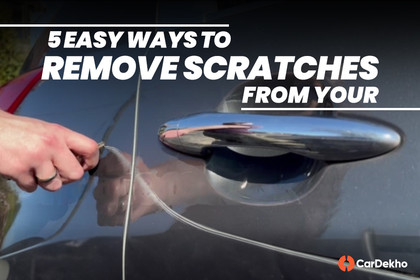
Credit: www.cardekho.com
Identify The Paint Scuff
Paint scuffs on a car can look like scratches or marks. Finding them early helps prevent more damage.
Knowing what kind of scuff it is can guide you on how to fix it properly.
Types Of Paint Scuffs
Paint scuffs vary by how deep they are and what caused them. Some are easy to clean, while others need repair.
- Surface Scuffs:Light marks that only affect the clear coat.
- Paint Transfer:Color from another object left on your car’s paint.
- Deeper Scratches:Scuffs that cut through the paint layers.
Assessing Damage Severity
Check how deep the scuff is by rubbing it gently with your fingernail. If it catches, the damage is more serious.
Surface scuffs can usually be removed with cleaning or polishing. Deeper damage might need professional help.
- Light scuffs: No paint removal, only dirt or clear coat damage.
- Medium scuffs: Paint transfer or small scratches in paint.
- Severe scuffs: Paint chips or deep scratches reaching metal.
Gather Necessary Supplies
Removing paint scuffs from your car needs the right tools. Having proper supplies makes the job easier and safer.
Prepare everything before you start. This helps prevent damage to your car’s paint.
Cleaning Materials
Cleaning the area first removes dirt and debris. This stops scratches while fixing the scuff.
- Car wash soap or mild detergent
- Clean microfiber cloths or soft towels
- Bucket with water
- Spray bottle with water for rinsing
Polishing Compounds
Polishing compounds help remove scuffs from the paint surface. Use one made for cars to avoid damage.
- Rubbing compound for deep scuffs
- Fine polish for light scuffs and shine
- Applicator pads or soft cloths for applying
Protective Gear
Protective gear keeps you safe and clean during the process. It also prevents skin irritation from chemicals.
- Rubber gloves to protect your hands
- Safety glasses to shield your eyes
- Old clothes or apron to avoid stains
Prepare The Car Surface
Before removing paint scuffs, prepare the car surface well. Proper preparation helps avoid further damage. It also makes the scuff removal easier and more effective.
Start by focusing on cleaning the area. Dirt or grime can scratch your car’s paint during the process. Take time to wash and dry the area carefully.
Wash And Dry The Area
Use clean water and car soap to wash the scuffed area. Avoid household detergents as they may harm the paint. Rinse the area well to remove all soap residue.
- Use a soft sponge or microfiber cloth
- Rinse with clean water after washing
- Dry the area with a clean microfiber towel
- Check for any remaining dirt or spots
Remove Loose Dirt
Removing loose dirt prevents scratches during scuff removal. Use a gentle touch to avoid pushing dirt deeper into the paint. A soft brush can help reach small crevices.
| Tool | Use |
|---|---|
| Soft Brush | Clean tight spots and edges |
| Microfiber Cloth | Remove surface dust and dirt |
| Water Hose | Rinse away loosened dirt |

Credit: www.youtube.com
Use Soap And Water For Light Scuffs
Light paint scuffs on your car can often be cleaned easily. Soap and water are safe and gentle options.
This method helps remove dirt and minor marks without harming the car’s paint.
Gentle Cleaning Method
Start by rinsing the scuffed area with clean water. This removes loose dirt and dust.
Mix mild car soap with warm water in a bucket. Use a soft cloth or sponge to clean the scuff.
- Dip the cloth in soapy water
- Gently rub the scuffed area in small circles
- Rinse the cloth often to avoid scratching
- Wash until the scuff looks lighter or gone
After cleaning, rinse the area with clean water. Dry it with a soft towel to prevent water spots.
When To Stop And Move On
If the scuff does not fade after gentle cleaning, stop scrubbing. Scrubbing too hard can damage paint.
At this point, consider other options like polish or professional help for deeper scuffs.
- Stop if paint starts to look dull
- Avoid strong rubbing or harsh tools
- Use soap and water only for light scuffs
- Consult a professional for tough marks
Apply A Scratch Remover
Removing paint scuffs from your car is easy with the right scratch remover. This product helps restore your car’s paint surface.
Using a scratch remover correctly will improve the look of your car. It can make minor scratches less visible or disappear.
Choosing The Right Product
Select a scratch remover made for car paint. Some products work better on light scuffs, while others handle deeper scratches.
Look for a product that matches your car’s paint type. Read the label to find out if it is safe for clear coats or special finishes.
- Choose a scratch remover suited for your paint type
- Check if it works on clear coat finishes
- Pick a product for the scratch depth you have
- Read reviews or ask for advice if unsure
Proper Application Technique
Start by cleaning the area around the scratch. Dirt can cause more damage if you skip this step.
Apply a small amount of scratch remover to a clean, soft cloth. Rub the product gently over the scuff in circular motions.
- Clean the area thoroughly
- Use a soft, clean cloth for application
- Rub gently in small circles
- Wipe off excess product with a new cloth
- Repeat if needed, but do not overuse
Polish The Affected Area
Removing paint scuffs from a car requires careful polishing. This helps restore the car’s surface to its original shine. Using the right materials makes the job easier and more effective.
Polishing the affected area not only removes the scuff but also protects the paint underneath. It’s important to use gentle, circular motions to prevent any further damage to the car’s finish.
Using A Microfiber Cloth
Microfiber cloths are ideal for polishing car surfaces. They are soft and non-abrasive, which protects the car’s paint. Always use a clean, dry cloth to avoid spreading any dirt.
Gently apply a small amount of polish to the cloth. Rub the cloth in a circular motion over the scuffed area. This helps to evenly distribute the polish and remove the scuff mark.
- Use a clean microfiber cloth
- Apply polish in small amounts
- Rub in a circular motion
- Check progress frequently
Buffing Tips For Best Results
Buffing is the final step to make your car shine. Use a separate microfiber cloth to buff the polished area. This helps to remove any excess polish and enhances the shine.
Apply gentle pressure and move the cloth in a circular motion. This ensures that the polish is evenly distributed and the surface looks smooth. Avoid pressing too hard to prevent scratches.
- Use a clean cloth for buffing
- Buff in circular motions
- Apply gentle pressure
- Check for a smooth finish
Try Diy Remedies
Paint scuffs on your car can be annoying. Thankfully, there are simple DIY remedies to help remove them. Using items you probably already have at home, you can make your car look better in no time.
Let’s explore two popular methods to tackle these pesky marks. Each method is straightforward and cost-effective, making it easy for anyone to try at home.
Toothpaste Method
Toothpaste is not just for teeth. It can also help remove scuffs from your car’s paint. The mild abrasives in toothpaste make it a great option for this purpose.
- First, clean the affected area with soap and water.
- Apply a small amount of toothpaste to a soft cloth.
- Gently rub the toothpaste onto the scuff mark in circular motions.
- Wipe off the excess with a damp cloth and dry the area.
Baking Soda Paste
Baking soda paste is another effective way to remove paint scuffs. It is a gentle abrasive that can lift scuffs without damaging the paint.
Once the paste is ready, apply it to the scuffed area. Use a soft cloth to gently rub the paste in circular motions. Rinse with water and dry the area with a clean towel.
Consider Professional Help
Removing paint scuffs from a car can be tricky. Sometimes, the damage looks worse than it is. Other times, it needs special care to avoid more harm.
Knowing when to get expert help can save you time and money. Professionals have tools and skills to fix paint scuffs safely.
When To See A Specialist
Some scuffs need more than home remedies. Look for these signs to decide if you need a pro:
- The scuff is deep and shows the metal or primer underneath.
- DIY cleaning does not remove the mark.
- There are many scuffs spread over a large area.
- The car’s paint has special coatings like clear coats or metallic finishes.
- You want to keep your car’s warranty intact.
Cost Factors
Professional paint scuff removal costs vary. Many things affect the price. Here is a simple table showing common factors:
| Factor | Effect on Cost |
| Size of the scuff | Large scuffs cost more to fix |
| Depth of damage | Deeper damage needs more work |
| Type of paint | Special paints may increase price |
| Labor rates | Prices differ by location and shop |
| Additional repairs | Other damages raise the total cost |
Prevent Future Paint Scuffs
Paint scuffs can spoil your car’s look. You can protect your car’s paint by taking simple steps. These steps help keep the paint smooth and damage-free.
Two main ways to prevent scuffs are using protective coatings and practicing safe parking habits. Both work well together to keep your car looking good.
Protective Coatings
Protective coatings create a barrier on your car’s paint. This barrier stops small scratches and scuffs from reaching the paint layer. Some coatings also make cleaning easier.
- Wax: Applies a thin layer that protects paint from dirt and light scuffs.
- Sealant: A longer-lasting coating that shields paint from harsher damage.
- Ceramic Coating: A strong, durable layer that guards against scratches and chemicals.
- Paint Protection Film (PPF): A clear film that covers the paint and absorbs scuffs.
Safe Parking Habits
Parking your car carefully reduces the chance of paint scuffs. Some simple habits help avoid damage from other cars and objects.
| Parking Tip | Reason |
|---|---|
| Park away from crowded areas | Less chance of doors hitting your car |
| Avoid parking near shopping carts | Carts can roll and scratch your paint |
| Choose spots with wide space | More room to open doors safely |
| Use covered parking when possible | Protects paint from weather and debris |
| Check surroundings before parking | Avoid tight spots near poles or walls |

Credit: www.youtube.com
Frequently Asked Questions
How Can I Remove Paint Scuff From My Car Easily?
Use a gentle rubbing compound or a specialized car scratch remover. Apply with a microfiber cloth and rub gently until the scuff fades. Always test on a small area first to avoid damage. Follow with a wax coat to protect the paint.
What Household Items Remove Paint Scuff From Cars?
Toothpaste or baking soda mixed with water can help remove minor scuffs. Apply gently with a soft cloth, rub in circular motions, then rinse. These methods work best for light scuffs and should be used cautiously to avoid paint damage.
Can Professional Products Remove Tough Paint Scuffs?
Yes, professional products like rubbing compounds, scratch removers, and polishing kits effectively remove tough paint scuffs. They are designed to restore the car’s paint without damaging it. Always follow the product instructions carefully for the best results.
How Long Does It Take To Remove Paint Scuffs From A Car?
Removing paint scuffs usually takes 10 to 30 minutes depending on the scuff severity. Light scuffs may require just a few minutes, while deeper ones need more careful treatment and multiple applications.
Conclusion
Removing paint scuff from your car is easier than it seems. Start with gentle cleaning and use the right products carefully. Small scratches can disappear with simple tools at home. Take your time and avoid rushing the process. Clean and smooth surfaces look better and protect your car’s paint.
Regular care helps keep your car’s finish fresh and neat. A little effort goes a long way in maintaining your vehicle’s appearance. Keep your car looking its best with simple steps anyone can do.







