
Have you ever wondered if someone could be tracking your car without your knowledge? Finding a hidden GPS tracker can feel like a serious invasion of your privacy.
But don’t worry—removing it is easier than you might think. You’ll learn simple, step-by-step methods to locate and safely remove a GPS tracker from your vehicle. By the end, you’ll regain control over your privacy and drive with confidence again.
Keep reading to protect what’s yours.

Credit: spacehawkgps.com
Signs Of A Gps Tracker
Finding a GPS tracker on your car can feel like an invasion of privacy. These devices are often small and hidden well. Knowing the signs helps you spot them quickly.
This guide covers common signs to watch for. Pay attention to unusual device locations, battery drain issues, and electronics interference.
Unusual Device Locations
GPS trackers are hidden in places that seem normal but are unusual for other devices. Check these spots carefully.
- Under the car’s bumper or wheel well
- Inside the dashboard or under seats
- In the trunk or near the spare tire
- Attached to metal parts with magnets
- Inside the engine compartment
Battery Drain Issues
Some GPS trackers run on your car battery or have their own battery. Notice if your car battery drains faster than usual. This can be a sign of a hidden tracker.
| Symptom | Possible Cause |
| Car battery dies quickly | Tracker drawing power |
| Car won’t start easily | Battery weakened by tracker |
| Battery warning light on dashboard | Electrical drain from device |
Interference With Electronics
GPS trackers can cause interference with your car’s electronics. You might hear strange noises or see odd behavior in your devices.
- Radio static or unusual sounds
- GPS or navigation system malfunctions
- Unexpected battery light flickers
- Problems with car alarms or remote locks

Credit: www.reddit.com
Types Of Car Gps Trackers
Car GPS trackers come in different types based on how they connect to your vehicle. Each type has unique features and ways to install.
Knowing the types helps you find and remove a tracker if needed. Here are the main kinds of car GPS trackers.
Hardwired Trackers
Hardwired trackers connect directly to your car’s electrical system. They need wires to get power and send location data.
These trackers are often hidden inside the car, like under the dashboard or near the fuse box. They work all the time if the car has power.
- Installed by tapping into car wires
- Hard to detect without checking wiring
- Works continuously with car power
Battery-powered Trackers
Battery-powered trackers run on their own batteries. They do not need to connect to the car’s power system.
These devices can be attached anywhere on the car, like under the bumper or inside the trunk. The battery lasts for days or weeks depending on use.
- Easy to move and hide
- Need battery changes or charging
- Can be stuck with magnets or tape
Obd-ii Port Trackers
OBD-II port trackers plug into the car’s diagnostic port. This port is usually under the dashboard on the driver’s side.
These trackers draw power from the car and send data through the port. They are easy to install and remove without tools.
- Plug directly into OBD-II port
- No wiring needed for installation
- Can be quickly unplugged or found
Tools Needed For Removal
Removing a GPS tracker from your car needs the right tools. These tools help you find and safely take out the device.
Using proper tools keeps the process simple and avoids damage to your vehicle.
Basic Hand Tools
Basic hand tools help you open panels and access hidden areas where trackers might be placed. These tools make removal easier and safer.
- Screwdrivers (flathead and Phillips)
- Pliers for gripping and pulling
- Trim removal tools to open plastic covers
- Socket wrench set for bolts
- Flashlight to see in dark spaces
Electronic Detection Devices
Electronic detectors help locate GPS trackers by detecting signals or hidden electronics. They save time by finding devices fast.
- RF (Radio Frequency) detector to find transmitting devices
- GPS signal detector to locate tracking signals
- Bug detector for hidden electronic devices
- Mobile phone apps designed for tracker detection
Safety Equipment
Safety gear protects you while removing trackers. Some devices may have wires or batteries that need care.
- Protective gloves to avoid cuts and electric shock
- Safety glasses to protect your eyes from debris
- Face mask if you work in dusty or dirty areas
- Non-static wrist strap to prevent damage to electronics
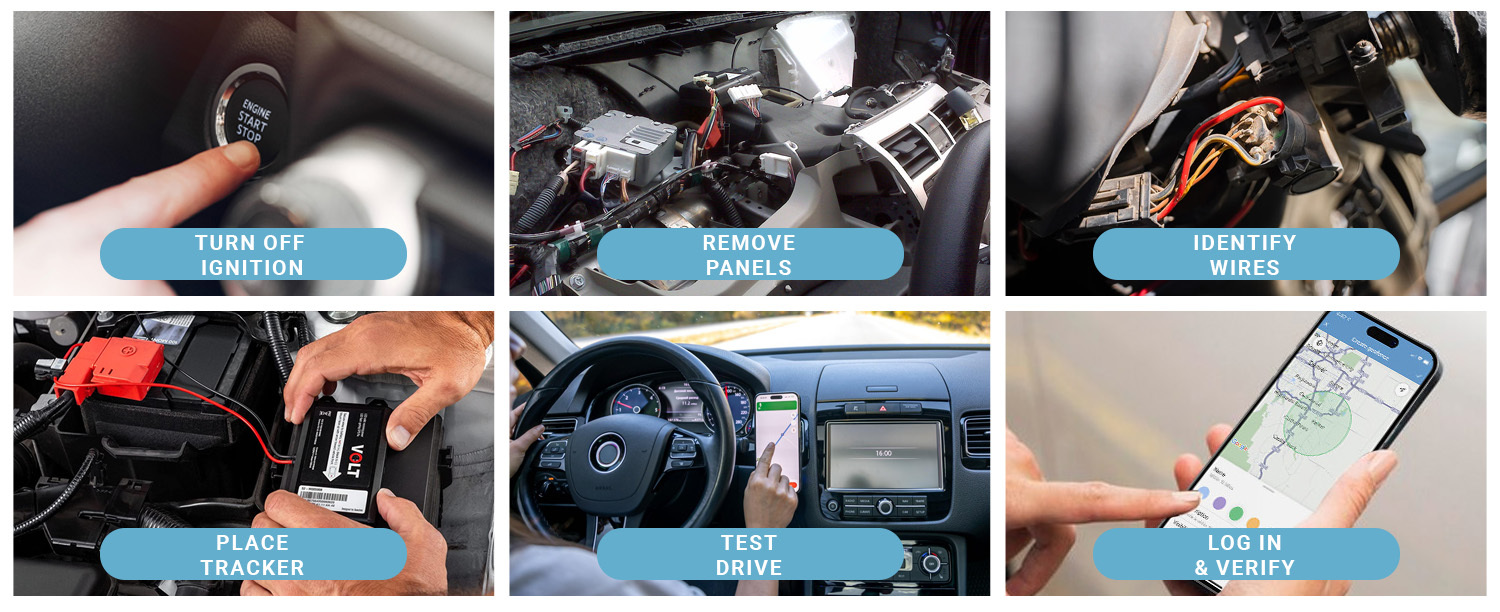
Step-by-step Removal Process
Removing a GPS tracker from your car can be done safely if you follow the right steps.
This guide helps you find and remove the tracker without damaging your vehicle.
Locating The Tracker
First, you need to find where the GPS tracker is hidden in your car.
- Check under the dashboard and near the steering column.
- Look inside the glove compartment and under seats.
- Inspect the trunk area and spare tire compartment.
- Examine wheel wells and bumpers for any unusual devices.
Disconnecting The Power Source
Most GPS trackers get power from the car’s battery or wiring.
Disconnecting power stops the tracker from sending signals.
| Power Source | How to Disconnect |
| Car Battery | Remove the negative terminal cable |
| Wiring Harness | Locate and unplug the tracker’s power wires |
| Cigarette Lighter Adapter | Unplug the device from the socket |
Physical Removal Techniques
Once you find and cut power to the tracker, you can remove it physically.
- Use a screwdriver to open any casing or housing.
- Gently pull out the device from its mounting place.
- Check for adhesive or tape holding the tracker and remove it carefully.
- Keep all screws and parts in case you need to reassemble components.
Precautions And Safety Tips
Removing a GPS tracker from your car requires care and attention. Safety and legal concerns must be kept in mind.
This guide explains how to avoid damage, understand the law, and handle suspicious devices safely.
Avoiding Damage To Vehicle
GPS trackers are often attached to sensitive parts of a car. Removing them without care can harm your vehicle.
Use tools designed for automotive work. Avoid pulling or cutting wires without knowing their function.
- Disconnect the car battery before starting
- Check the tracker’s location carefully
- Use plastic prying tools to avoid scratches
- Do not force parts that seem stuck
- Keep track of screws and clips to reinstall properly
Legal Considerations
Removing a GPS tracker may be illegal in some cases. Know your rights before taking action.
Trackers placed by law enforcement or employers may have legal protections. Removing them could cause problems.
- Check local laws about GPS devices on vehicles
- Contact authorities if you find an unknown tracker
- Get legal advice if unsure about your situation
- Do not remove trackers placed by courts or police
Handling Suspicious Devices
If you find a GPS tracker you did not install, treat it with caution. It may be part of illegal tracking.
Do not try to open or tamper with the device. Contact professionals or law enforcement to handle it safely.
- Take photos of the device and its location
- Avoid touching the tracker too much
- Report it to the police or a trusted expert
- Keep evidence if you plan to report stalking or theft
Credit: www.brickhousesecurity.com
Preventing Future Tracking
To keep your car safe from trackers, take several steps. Understanding these measures helps ensure your privacy.
Follow these guidelines to avoid unwanted tracking devices on your vehicle.
Regular Vehicle Inspections
Check your car often for any hidden devices. Regular inspections help you spot trackers early.
Look under the car and inside the trunk. Pay attention to unfamiliar wires or boxes.
- Inspect the undercarriage
- Check the wheel wells
- Look inside the vehicle’s interior
Using Signal Jammers
Signal jammers block GPS signals. They prevent trackers from sending data.
Using these devices can help maintain your privacy. Be aware of local laws regarding their use.
| Pros | Cons |
| Prevents data transmission | May be illegal in some areas |
| Easy to use | Can affect other devices |
Consulting Professionals
Seek help from professionals if unsure. Experts can find and remove hidden trackers safely.
They use advanced tools to detect devices. This ensures thorough removal of any trackers.
- Hire an experienced technician
- Use professional detection equipment
- Get expert advice on prevention
Frequently Asked Questions
How To Find A Hidden Gps Tracker In My Car?
Check common hiding spots like under seats, bumpers, and inside the glove box. Use a GPS detector to scan for signals. Physically inspect wires for unfamiliar devices. If unsure, seek professional help to locate hidden trackers accurately.
Can I Remove A Gps Tracker Without Damaging My Car?
Yes, most GPS trackers are designed for easy removal. Disconnect the device from the power source carefully. Avoid cutting wires unless you know the car’s electrical system. Use proper tools and follow instructions to prevent damage.
Is It Legal To Remove A Gps Tracker From My Vehicle?
Removing a GPS tracker is legal if you own the car. Avoid removing trackers installed by law enforcement or with legal permission. Always check local laws before removing any tracking device to ensure compliance.
How Much Time Does It Take To Remove A Car Gps Tracker?
Removing a GPS tracker usually takes 10 to 30 minutes. Time depends on the tracker’s location and installation type. Simple plug-and-play devices are quicker to remove than hardwired trackers.
Conclusion
Removing a GPS tracker from your car is possible with care and patience. Start by locating the device carefully. Use basic tools and stay safe while working. Check all possible spots where trackers hide. Take your time to avoid damaging your vehicle.
Knowing your rights about tracking helps too. Stay calm and follow the steps one by one. Now, you can protect your privacy better. Remember, always act legally and responsibly when handling trackers.







