
Have you ever looked at your tire and wondered what all those numbers and letters mean? Understanding tire size markings is easier than you think—and it can save you time, money, and even keep you safer on the road.
You’ll discover exactly how to read those codes, so you can choose the right tires with confidence. Keep reading, and soon you’ll unlock the simple secrets behind those mysterious tire markings.
Credit: www.michelin.ca
Tire Size Basics
Tire size markings help you find the right tire for your vehicle. Each number and letter tells you something important.
Knowing how to read these markings can keep you safe and improve your car’s performance.
What Tire Size Numbers Mean
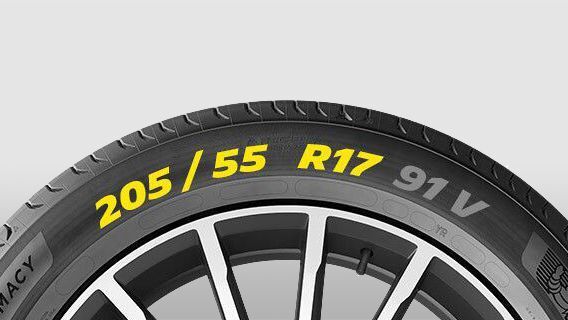
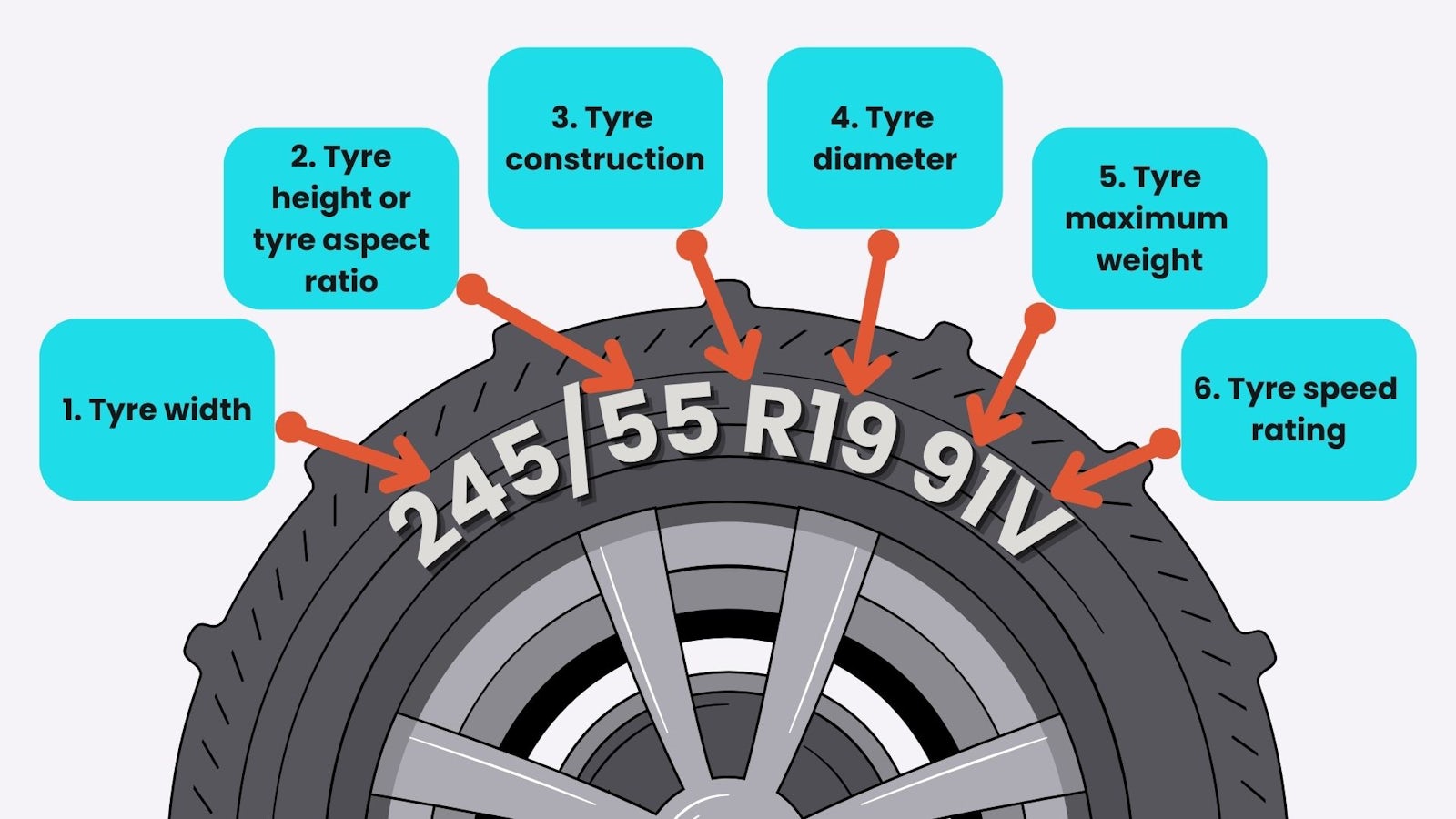
Tire size numbers show the tire’s width, height, and wheel size. For example, in size 205/55R16, each part means something special.
- 205– the tire width in millimeters.
- 55– the aspect ratio, which is the tire’s height as a percentage of its width.
- R– means the tire has radial construction.
- 16– the diameter of the wheel in inches.
Common Tire Size Formats
Tire sizes come in different formats. Some use letters to show their type, and others use numbers for size and speed rating.
| Format | Example | Meaning |
| Metric | 205/55R16 | Width / Aspect Ratio / Radial / Wheel Size |
| Alphanumeric | P215/75R15 | P = Passenger tire, then size info |
| Numeric | 31×10.50R15 | Overall diameter x width / Radial / Wheel Size |
Credit: www.carwow.co.uk
Breaking Down The Code
Reading tire size markings helps you pick the right tire for your vehicle. Each part of the code gives important details about the tire.
This guide explains the main parts of tire size codes and what they mean.
Understanding Width And Aspect Ratio
The first number in the tire code shows the tire’s width in millimeters. It measures the distance from sidewall to sidewall.
The aspect ratio comes after the width and is written as a percentage. It tells you the height of the sidewall compared to the width.
- Width example: 205 means 205 mm wide
- Aspect ratio example: 55 means sidewall height is 55% of width
- Lower aspect ratios mean shorter sidewalls
Decoding Rim Diameter
This number shows the rim diameter in inches. It tells you what size wheel fits the tire.
| Tire Code Part | Example | Meaning |
| Rim Diameter | 16 | Fits a 16-inch wheel |
| Width | 205 | 205 millimeters wide |
| Aspect Ratio | 55 | Sidewall height is 55% of width |
Load Index And Speed Rating
The load index number shows how much weight the tire can carry. Higher numbers mean more weight capacity.
The speed rating letter shows the maximum speed the tire can safely handle.
- Load index example: 91 means 615 kg per tire
- Speed rating example: V means up to 149 mph (240 km/h)
- Always match ratings to your vehicle’s requirements
Additional Markings To Know
Tire size markings show more than just size. They include extra codes about the tire’s quality and safety. These markings help you pick the right tire for your vehicle.
Understanding these codes is important. They tell you about the tire’s wear, grip, heat resistance, and when it was made. Here are some key markings to look for.
Treadwear, Traction, And Temperature Grades
These grades show how well a tire performs in different areas. They are part of a rating system used in the US to compare tires.
| Grade | What It Means | Scale |
|---|---|---|
| Treadwear | How long the tire lasts compared to a standard tire | Numbers like 100, 200, 300; higher means longer life |
| Traction | How well the tire stops on wet pavement | Grades: AA (best), A, B, C |
| Temperature | Heat resistance of the tire at high speeds | Grades: A (best), B, C |
Dot And Manufacturing Codes
DOT codes show that the tire meets safety standards. They also include details about the plant and date of manufacture.
- First two letters: Manufacturing plant code
- Next four numbers: Tire size code
- Last four digits: Week and year of production (e.g., 2519 means 25th week of 2019)
These codes help you check if a tire is safe and fresh. Avoid tires that are too old for better safety on the road.
Choosing The Right Tire Size
Reading tire size markings helps you pick tires that fit your vehicle well. The right size keeps your ride safe and smooth.
Tire size affects how your car handles, brakes, and saves fuel. Learn how to match tires to your vehicle and why size matters.
Matching Tires To Your Vehicle
Your vehicle needs tires that fit its design and weight. Check the owner’s manual or the tire placard inside the driver’s door for size details.
- Look for tire width, aspect ratio, and rim diameter on the sidewall.
- Choose tires with the correct load index for your vehicle’s weight.
- Use tires with the right speed rating for safe driving.
- Do not mix different tire sizes on the same axle.
Impact On Performance And Safety
Wrong tire size can cause poor handling, longer braking, and uneven wear. It may also affect fuel efficiency and cause damage to the vehicle.
| Aspect | Effect of Wrong Tire Size |
| Handling | Steering may feel loose or too tight |
| Braking | Stopping distance can increase |
| Fuel Efficiency | Higher rolling resistance lowers mileage |
| Safety | Risk of tire blowouts or loss of control |
Tips For Reading Tire Sizes Like A Pro
Tire size markings tell you important details about your tires. Knowing how to read them helps you pick the right tires.
Each number and letter on a tire means something specific. Learning these basics makes tire shopping easier and safer.
Using Online Tools And Resources
Many websites and apps can help you decode tire sizes. These tools break down the numbers and letters for you.
They also suggest tire options that fit your vehicle and driving style. This saves time and reduces mistakes.
- Enter tire size codes to get detailed info
- Compare different tires side by side
- Check tire reviews and ratings
- Find local dealers who stock your tire size
Consulting Manufacturer Recommendations
Tire makers give size guidelines for each vehicle. These recommendations ensure your tires fit well and work safely.
Look for the recommended tire size in your car’s manual or on a sticker inside the driver’s door. Stick to these sizes for best results.
- Check the owner’s manual for tire sizes
- Use the door jamb sticker for quick reference
- Ask a dealer or mechanic if unsure
- Avoid sizes that differ from recommendations

Credit: www.tomorrowstechnician.com
Frequently Asked Questions
What Do Tire Size Numbers Mean?
Tire size numbers show width, aspect ratio, and wheel diameter. For example, 205/55R16 means 205mm width, 55% height, and 16-inch wheel. These numbers help you choose the correct tire for your vehicle. Understanding them ensures proper fit and performance.
How To Read Tire Width And Aspect Ratio?
The first number is the tire width in millimeters. The second number is the aspect ratio, showing tire height as a percentage of width. For 205/55, the tire is 205mm wide and 55% as tall. This ratio affects ride comfort and handling.
What Does The Tire’s Load Index Indicate?
The load index shows the maximum weight a tire can carry. Higher numbers mean greater load capacity. This number is crucial for safety and tire longevity. Always choose tires with a load index matching your vehicle’s requirements.
How To Understand Tire Speed Rating Letters?
Speed rating letters represent the tire’s maximum safe speed. For example, “H” means up to 130 mph. These ratings ensure tire performance matches your driving needs. Never use tires with a lower speed rating than recommended.
Conclusion
Reading tire size markings helps you choose the right tires easily. Each number and letter tells you important details about the tire. Knowing these signs keeps you safe on the road. It also helps save money by picking the correct tire size.
Always check your tires before buying new ones. This small step makes a big difference. Understanding tire markings is simple with practice. Keep this guide handy when shopping for tires next time. Stay confident and informed about your vehicle’s tires.







