
Your car’s paint is more than just a color—it’s your vehicle’s first line of defense against dirt, scratches, and fading. Protecting it keeps your car looking fresh and helps maintain its value over time.
But how do you make sure your paint stays flawless, no matter the weather or road conditions? You’ll discover simple, effective tips to shield your car’s paint and keep it shining like new. Keep reading, and you’ll learn easy steps that anyone can follow to protect your investment and turn heads wherever you drive.
Choose The Right Car Wash Method
Protecting your car’s paint starts with choosing the right wash method. Dirt and grime can damage paint if not cleaned properly. Picking the best wash helps keep your car shiny and safe.
We will look at hand washing and automatic washes. Also, learn about the best cleaning products for your car’s paint.
Hand Washing Vs. Automatic Wash
Hand washing is gentle and lets you clean small spots well. You control the pressure and tools used. Automatic washes are fast but can sometimes scratch paint.
- Hand Washing:Uses soft cloths and sponges for gentle cleaning.
- Automatic Wash:Uses brushes or cloth strips that may cause scratches.
- Water Pressure:Hand washing uses moderate pressure; automatic washes have higher pressure.
- Control:Hand washing lets you focus on problem spots.
- Time:Hand washing takes longer than automatic washes.
Best Cleaning Products For Paint
Using the right products keeps your car paint safe. Harsh soaps can strip wax and damage the paint layer. Choose products made for cars only.
| Product Type | Purpose | Example |
| Car Wash Soap | Removes dirt without harming paint | pH-balanced soap |
| Clay Bar | Removes stuck contaminants gently | Auto detail clay bar |
| Wax | Protects paint and adds shine | Carnauba wax |
| Microfiber Towels | Dries and polishes without scratching | Soft microfiber cloth |
Credit: www.carzspa.com
Dry Your Car Properly
Drying your car well helps keep the paint safe from damage. Water left on the paint can cause marks and stains.
Using the right drying methods keeps your car looking clean and shiny for longer.
Avoiding Water Spots
Water spots happen when water dries on the paint and leaves minerals behind. These spots can dull the paint and cause stains.
Dry your car as soon as you finish washing it to stop water spots from forming. Try to dry in a shaded area to reduce quick drying from sun heat.
- Dry the car quickly after rinsing
- Work in the shade or early morning
- Use gentle, absorbent drying tools
- Avoid air drying to prevent spots
Effective Drying Tools
Choose drying tools that absorb water well and are soft on your car’s paint. This helps avoid scratches and streaks.
Microfiber towels and drying chamois are great choices. They pick up water fast and dry the car gently.
- Use clean microfiber towels to avoid dirt scratches
- Dry in sections to remove all water
- Replace or wash towels often for best results
- Soft drying mitts or chamois help reach curves and edges
Apply Quality Wax And Sealants
Protecting your car’s paint keeps it looking new longer. Applying wax and sealants adds a strong layer of defense. This layer guards against dirt, water, and sun damage.
Using quality products ensures better protection and shine. Regular application helps maintain the car’s finish and value.
Types Of Wax
There are several wax types for car paint protection. Each type offers unique benefits and lasts for different times.
- Carnauba Wax:Made from natural palm leaves. Gives a deep, warm shine. Lasts a few weeks.
- Synthetic Wax:Made from polymers. Lasts longer than natural wax. Easier to apply.
- Liquid Wax:Quick to apply and spread. Dries fast but may need frequent use.
- Paste Wax:Thick and durable. Offers strong protection but takes more effort to apply.
Choose wax based on your needs and how often you want to apply it.
Benefits Of Paint Sealants
Paint sealants protect car paint with a synthetic layer. This layer bonds tightly to the surface for long-lasting defense.
Sealants offer strong resistance to UV rays, acid rain, and dirt. They keep the paint glossy and reduce fading.
- Lasts longer than traditional wax
- Provides a smooth, shiny finish
- Repels water and dust effectively
- Easy to clean and maintain
Credit: 48detailing.com
Use Paint Protection Film
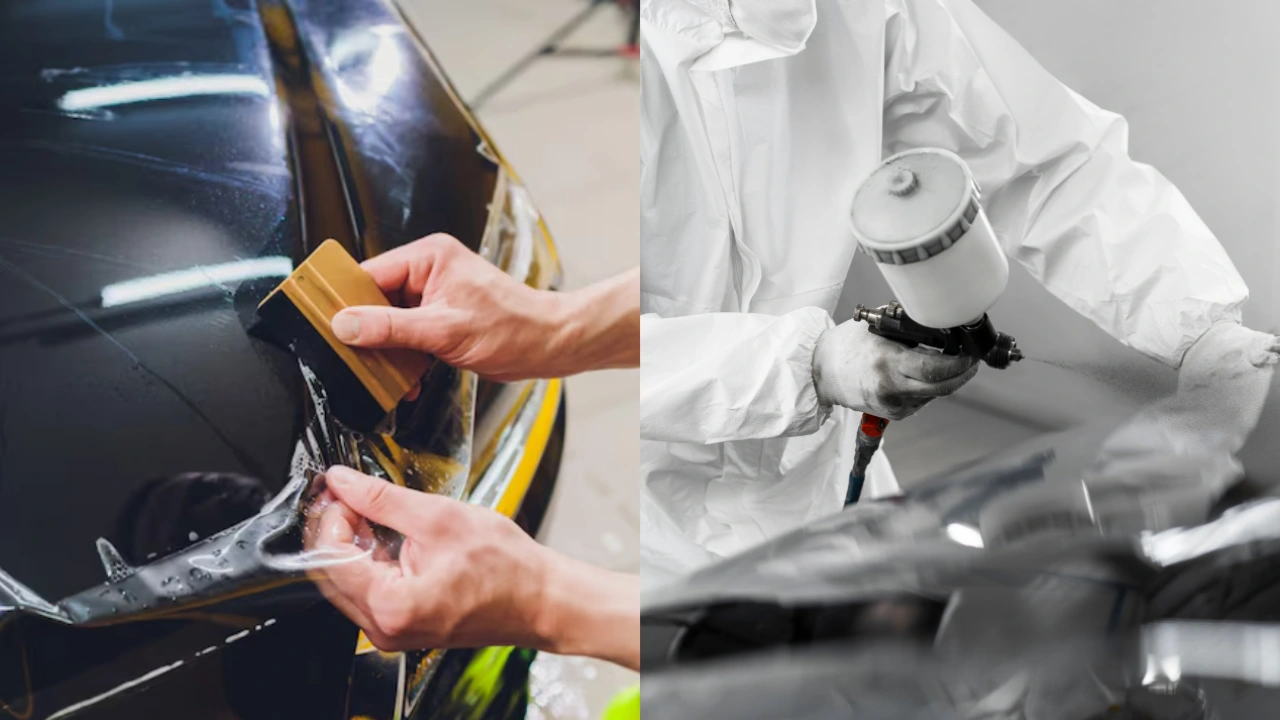
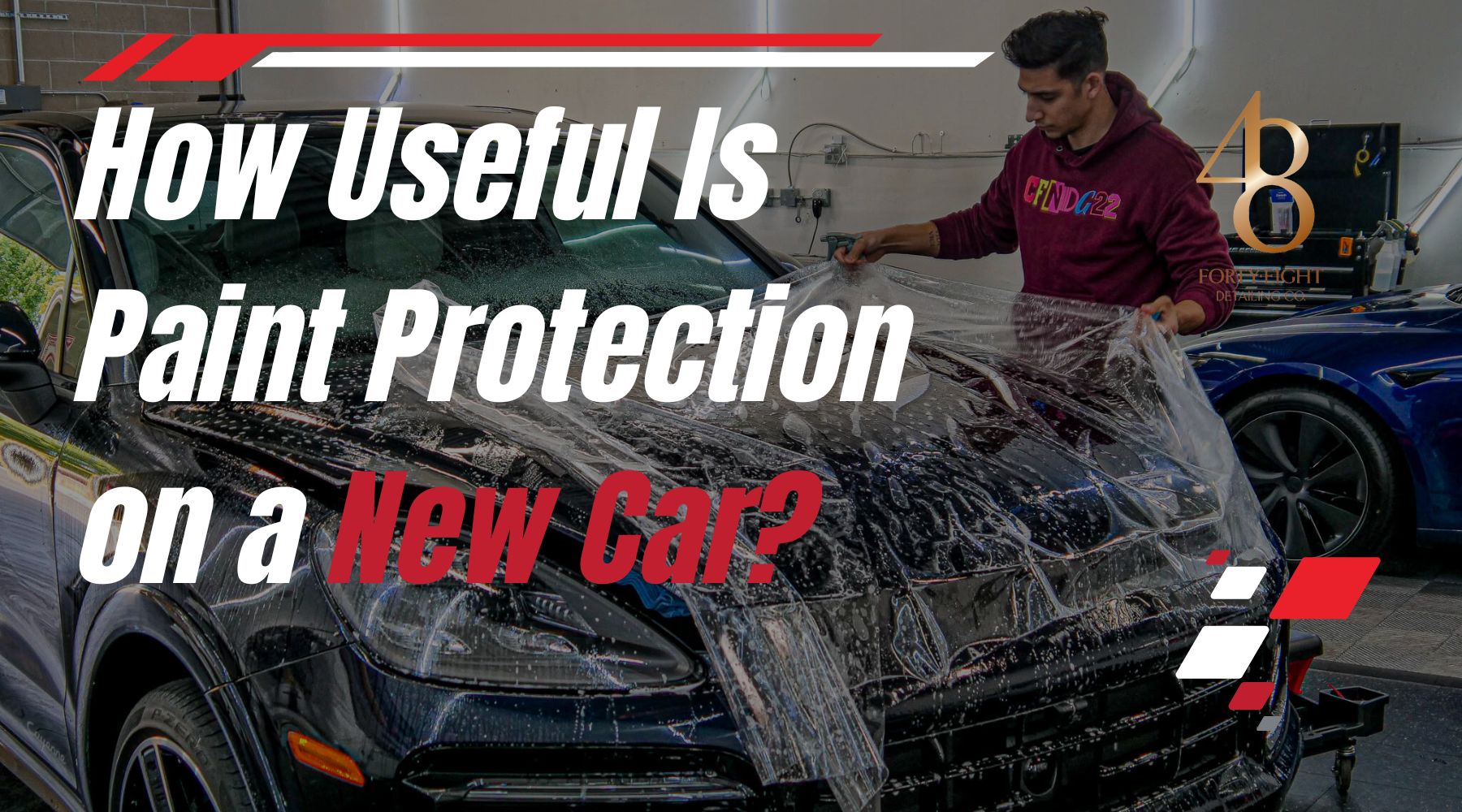
Paint protection film (PPF) is a clear layer that covers your car’s paint. It guards against scratches, chips, and stains.
This film keeps your car looking new by absorbing damage from small debris and road elements.
How It Works
Paint protection film acts as a shield over your car’s paint. It is made from a tough, clear urethane material.
- The film absorbs impacts from stones, bugs, and dirt.
- It prevents scratches caused by keys or branches.
- The surface is self-healing, which means minor scratches fade over time.
- It blocks harmful UV rays that can fade paint color.
Installation Tips
Proper installation ensures the film works well and lasts longer. Clean the car surface before applying the film.
| Tip | Description |
| Choose a clean place | Install in a dust-free area to avoid dirt under the film. |
| Use a professional | Experts can fit the film smoothly without bubbles. |
| Work slowly | Apply the film carefully to cover all edges and curves. |
| Allow curing time | Let the film set for 24-48 hours before washing the car. |
Park Smartly To Avoid Damage
Parking your car in the right place helps keep its paint in good shape. Poor parking choices can lead to scratches and fading.
Choosing spots with shade and safety reduces risks to your car’s exterior. Learn how to protect your car by parking smartly.
Shade And Shelter Benefits
Shade protects your car’s paint from sun damage. Direct sunlight can cause fading and cracking over time. Shelter from rain and bird droppings also keeps the paint clean.
- Park under trees or covered areas
- Use carports or garages if available
- Shade reduces heat buildup inside the car
- Protect paint from harmful UV rays
- Prevent damage from weather elements
Avoiding Hazardous Parking Spots
Some parking spots increase the chance of paint damage. Avoid spots near shopping carts, tight spaces, and areas prone to vandalism.
| Parking Spot | Risk Level | Reason |
| Next to shopping carts | High | Carts can roll and hit your car |
| Under trees (check for sap) | Medium | Sap can stain paint if not cleaned |
| Far from building entrances | Low | Less foot traffic and door dings |
| Tight parking spaces | High | Harder to avoid dents and scratches |
Fix Scratches And Chips Quickly
Keeping your car’s paint in good condition is important. Scratches and chips can ruin its appearance.
It’s crucial to address these issues quickly. This prevents further damage and maintains your car’s value.
Diy Repair Kits
DIY repair kits are convenient for minor scratches and chips. They are affordable and easy to use.
- Clean the affected area thoroughly.
- Apply the repair solution as instructed.
- Allow it to dry and buff the surface.
When To Seek Professional Help
Some scratches and chips may need expert care. Professional help ensures a perfect finish.
- The scratch is deep and exposes metal.
- The chip is large and noticeable.
- You lack the tools or confidence for DIY.
Maintain Regular Detailing
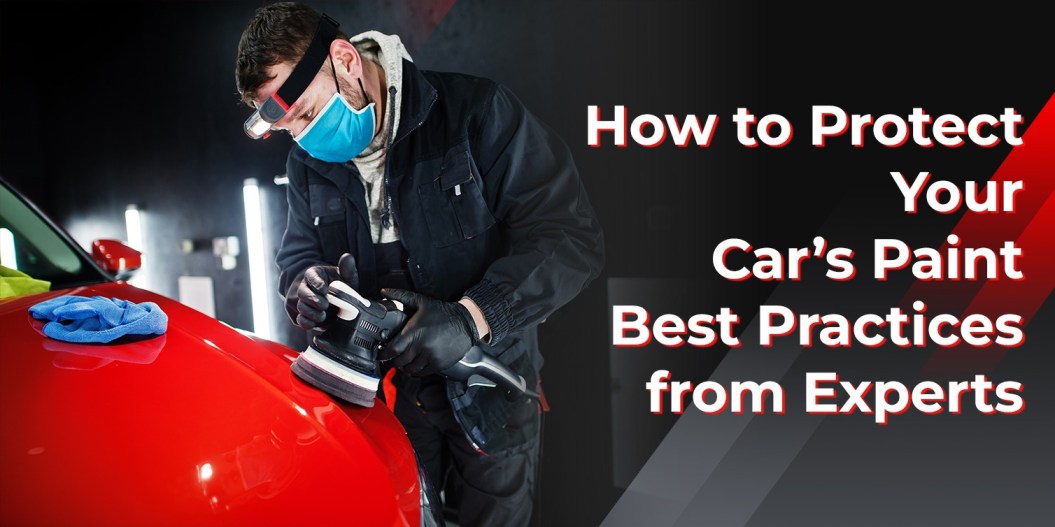
Protecting the paint on your car keeps it looking new and shiny. Regular detailing is key to this maintenance.
Detailing involves cleaning and protecting both the interior and exterior of your vehicle. It not only enhances appearance but also preserves the car’s value.
Interior And Exterior Care
Keeping your car’s paint in good condition involves caring for both the inside and outside. This protects it from damage and wear.
- Wash your car with a gentle soap to avoid scratches.
- Apply a high-quality wax to shield the paint.
- Vacuum and clean the interior regularly to prevent dust buildup.
- Use UV protectant sprays to prevent sun damage.
Frequency Of Detailing
How often you detail your car depends on usage and conditions. Regular intervals ensure long-lasting paint protection.
| Condition | Detailing Frequency |
| Daily Use | Every 2-3 months |
| Weekly Use | Every 4-6 months |
| Storage or Rare Use | Every 6-12 months |
Credit: carheroz.com
Frequently Asked Questions
How Often Should I Wax My Car To Protect Paint?
Wax your car every 3 to 4 months to maintain paint protection. Regular waxing adds a protective layer against UV rays, dirt, and moisture, keeping your paint shiny and durable.
What Products Are Best For Car Paint Protection?
Use quality car wax, sealants, or ceramic coatings. These products offer durable protection by shielding your paint from scratches, UV damage, and contaminants while enhancing shine and longevity.
Can Washing Methods Affect My Car’s Paint?
Yes, improper washing can cause scratches. Use a microfiber mitt, gentle car shampoo, and rinse thoroughly to avoid swirl marks and protect the paint’s finish.
Is Ceramic Coating Better Than Traditional Wax?
Ceramic coating offers longer-lasting protection than wax. It bonds chemically with paint, providing superior resistance to dirt, UV rays, and minor scratches, typically lasting years instead of months.
Conclusion
Protecting your car’s paint keeps it looking fresh and new. Regular washing removes dirt and prevents damage. Applying wax adds a strong layer of defense. Park in shaded areas to avoid sun harm. Small scratches can turn into big problems if ignored.
Take care of your car’s paint, and it will last longer. Simple steps make a big difference. Keep your car shining and safe every day. Your effort protects your car’s value and beauty.







