
Imagine driving for hours, enjoying the road, when suddenly your tire goes flat. It’s frustrating, time-consuming, and can ruin your entire trip.
But what if you could avoid this hassle altogether? Knowing how to prevent tire punctures on long trips isn’t just smart—it’s essential for your peace of mind and safety. You’ll discover simple, practical steps to keep your tires intact and your journey smooth.
Keep reading to learn how to protect yourself from unexpected stops and enjoy every mile without worry.
Credit: www.rhinousainc.com
Tire Inspection Before Travel
Checking your tires before a long trip keeps you safe on the road. It helps stop tire punctures and other problems.
Inspecting tires is quick but important. Look at pressure, damage, and tread depth before you start your journey.
Check Tire Pressure
Proper tire pressure lowers the risk of punctures. It also improves fuel efficiency and handling.
- Use a reliable pressure gauge to check each tire.
- Compare the reading to the car’s recommended pressure.
- Inflate or deflate tires to reach the correct level.
- Don’t forget to check the spare tire as well.
Look For Visible Damage
Inspect tires closely to find cuts, cracks, or bulges. These can cause sudden failure on the road.
- Check sidewalls for any cracks or bubbles.
- Look for sharp objects stuck in the tire surface.
- Make sure there are no deep cuts or tears.
- Remove small stones or debris from the tire grooves.
Examine Tread Depth
Tread depth affects grip and safety on wet roads. Low tread depth increases puncture risk.
| Measurement Method | Safe Depth (mm) | Action Needed |
| Penny Test | More than 1.6 | Tread is safe |
| Tread Depth Gauge | Above 2 | Good condition |
| Below 1.6 mm | Replace tire | High risk of puncture |
Credit: www.rhinousainc.com
Choose Quality Tires
Choosing the right tires helps prevent punctures on long trips. Good tires keep you safe and save time.
Quality tires handle rough roads better and reduce the chance of flats. They also last longer.
Select Durable Materials
Durable tires resist cuts and punctures. Look for tires made with strong rubber compounds.
Tires with extra layers or reinforced sidewalls give extra protection. These materials help avoid damage.
Consider Tire Type For Terrain
Choose tires made for the terrain you will drive on. Off-road tires work well on rough surfaces.
Highway tires are best for smooth roads. Using the right type lowers the risk of punctures and wear.
- All-terrain tires suit mixed road types
- Winter tires offer better grip in snow
- Summer tires perform well on dry roads
Replace Old Tires
Old tires have thinner tread and weaker materials. Replace them before a long trip.
Check tire age and wear regularly. New tires reduce the chance of blowouts and punctures.
Proper Loading And Weight Distribution
Proper loading and weight distribution help prevent tire punctures on long trips. They keep your tires safe by reducing stress and wear.
Carrying weight the right way improves your vehicle’s balance. This lowers the chance of damaging your tires on the road.
Avoid Overloading
Do not put more weight in your car than the limit. Overloading adds extra pressure on tires. This makes them more likely to get punctured.
Check your vehicle’s manual for the maximum load capacity. Always stay below that number to keep tires safe and last longer.
- Overweight tires heat up faster
- Excess weight can cause tire blowouts
- Heavy loads reduce tire traction and control
Balance The Load
Distribute the weight evenly across your vehicle. This balances the pressure on all tires. Uneven loads cause some tires to carry too much weight.
Put heavy items low and near the center of the car. Keep lighter items on top or at the edges to maintain stability.
- Even weight helps tires wear evenly
- Balanced load improves vehicle handling
- Reduces risk of tire damage from uneven pressure
Credit: slime.com
Driving Habits To Protect Tires
Long trips can put a lot of stress on your tires. Good driving habits help keep your tires safe and avoid punctures.
By watching how you drive, you can reduce the risk of flat tires. This keeps your trip smooth and safe.
Avoid Sharp Objects
Sharp objects like nails and glass can easily puncture your tires. Look ahead and avoid driving over debris on the road.
Check the road surface before driving over unfamiliar areas. Slow down or steer clear if you spot any sharp items.
Steer Clear Of Potholes
Potholes can damage tires by causing cuts or sidewall bulges. Always watch for potholes and try to avoid them.
If you cannot avoid a pothole, slow down before you hit it. This helps reduce the impact on your tires.
Drive At Safe Speeds
Driving too fast can increase the chance of tire damage. High speeds make it harder to react to road hazards.
Keep your speed within the limits and slow down on rough roads. This protects your tires and gives you more control.
Use Of Tire Sealants And Protectants
Tire punctures can ruin long trips. Using tire sealants and protectants helps avoid these problems. They keep your tires strong and safe.
Sealants fill small holes quickly. Protectants stop damage from sun and dirt. Together, they make tires last longer on the road.
Benefits Of Sealants
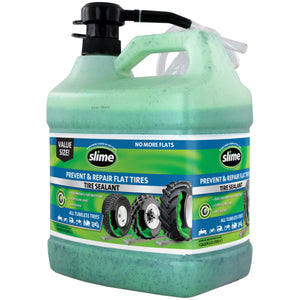
Tire sealants work inside your tires. They seal small holes caused by nails or sharp objects. This stops air from leaking out fast.
Sealants save time and money. They let you fix a flat tire without changing it right away. This is very helpful on long trips far from help.
- Seals punctures up to 1/4 inch (6 mm)
- Works automatically while driving
- Prevents sudden air loss
- Easy to apply and lasts for months
- Reduces chances of tire damage
When To Apply Protectants
Tire protectants help keep tires safe from outside damage. Apply them before trips, especially long ones. This protects tires from sun, dirt, and cracks.
Use protectants after cleaning tires. Make sure tires are dry. Applying protectants regularly keeps tires flexible and strong.
- Before long trips or heavy use
- After washing tires and drying them
- Every few months to maintain tire health
- When tires look dry or cracked
Emergency Preparedness
Long trips require planning to avoid tire punctures. Being prepared can save time and stress. Let’s explore key steps for tire care during your journey.
Knowing what to do in case of a puncture is crucial. Prepare yourself with the right tools and skills.
Carry A Spare Tire
A spare tire is essential for long trips. It helps you continue your journey without long delays.
Ensure your spare tire is in good condition. Check its pressure and tread before starting your trip.
- Inspect the spare tire regularly
- Keep it inflated to the recommended level
- Store it securely in your vehicle
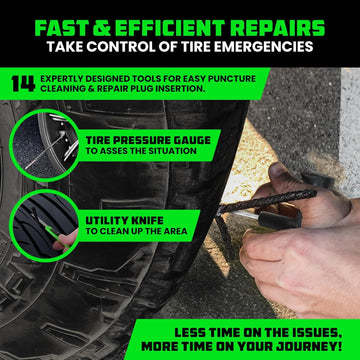
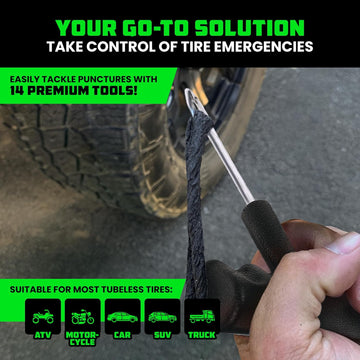
Pack A Tire Repair Kit
A tire repair kit can fix small punctures. It is a quick solution if you do not have a spare tire.
Choose a kit that includes patches, sealant, and an air compressor. These tools will help you handle minor issues on the road.
- Patch kit for small holes
- Tire sealant for quick fixes
- Portable air compressor to inflate tires
Know How To Change A Tire
Learning to change a tire is a valuable skill. It ensures you can handle a flat tire without help.
Practice changing a tire at home. This builds confidence and helps you act fast in emergencies.
| Tool | Use |
| Jack | Lift the car |
| Lug wrench | Remove and tighten bolts |
| Gloves | Protect your hands |
Frequently Asked Questions
How Can I Avoid Tire Punctures On Long Trips?
Regularly check tire pressure and tread depth before your trip. Avoid sharp objects and rough terrain. Carry a tire repair kit for emergencies.
What Maintenance Prevents Tire Punctures During Travel?
Inspect tires for cuts, cracks, and foreign objects. Rotate tires regularly to ensure even wear. Keep tires properly inflated as per manufacturer guidelines.
Are Tire Sealants Effective For Preventing Punctures?
Tire sealants can temporarily seal small punctures. They are useful for emergencies but not a permanent fix. Always carry a repair kit and spare tire.
How Does Tire Pressure Affect Puncture Risk?
Underinflated tires increase heat and wear, raising puncture risk. Overinflated tires are more prone to damage from road debris. Maintain recommended tire pressure for safety.
Conclusion
Preventing tire punctures makes long trips safer and less stressful. Check your tires often for damage or low pressure. Carry a repair kit and a spare tire just in case. Drive carefully to avoid sharp objects on the road. Small actions can save you time and money.
Stay prepared, stay alert, and enjoy your journey without worries. Safe travels start with good tire care.







