
Are you unsure about how to measure tire diameter accurately? Getting this measurement right is crucial whether you’re replacing tires, upgrading your vehicle, or just making sure everything fits perfectly.
A small mistake can lead to costly errors, poor performance, or even safety risks. You’ll discover simple, step-by-step methods that anyone can follow to measure tire diameter with confidence. By the end, you’ll have the clear knowledge you need to avoid guesswork and make smarter decisions for your vehicle.
Keep reading and take control of your tire measurements today!
Tools Needed
Measuring tire diameter accurately needs the right tools. This helps you get precise results every time.
Here are some common tools that make measuring easier and more reliable.
Measuring Tape
A measuring tape is a simple tool used to measure the tire diameter. It is flexible and easy to wrap around curved surfaces.
- Choose a tape with clear, easy-to-read markings.
- Make sure it is long enough to cover the tire.
- Use a steel tape for more durability and accuracy.
Caliper
A caliper helps measure the tire diameter with high precision. It is especially useful for smaller tires or parts of the tire.
| Type of Caliper | Use Case | Accuracy |
| Digital Caliper | Easy to read, fast measurement | Up to 0.01 mm |
| Vernier Caliper | No batteries, reliable | Up to 0.02 mm |
| Dial Caliper | Clear dial display | Up to 0.02 mm |
String And Ruler
You can use a string and a ruler if you do not have a tape or caliper. This method is simple but needs care to be accurate.
Follow these steps with string and ruler:
- Wrap the string around the tire’s outer edge.
- Mark the point where the string meets.
- Lay the string flat and measure the length with a ruler.
- Use the length to calculate the diameter.

Credit: www.cjponyparts.com
Preparing The Tire
Accurate tire diameter measurement starts with good preparation. You need to make sure the tire is ready for measuring.
This section covers three key steps to prepare the tire properly.
Clean The Tire Surface
Remove dirt and debris from the tire surface. A clean tire helps you see the edges clearly.
- Use a brush to remove mud and dust.
- Wipe with a damp cloth if needed.
- Check the tire for any stuck stones or objects.
Ensure Proper Inflation
Check the tire pressure before measuring. The tire should be inflated to the recommended level.
| Pressure Level | Reason |
| Underinflated | Can cause incorrect diameter reading |
| Overinflated | Makes tire shape less natural |
| Properly Inflated | Ensures accurate measurement |
Place Tire On A Flat Surface
Set the tire on a level ground before measuring the diameter. This avoids distortion in the reading.
Follow these tips for best results:
- Find a clean, flat floor.
- Place the tire upright, standing on its tread.
- Make sure the tire does not lean or wobble.
Measuring Tire Diameter
Measuring tire diameter is important for safety and performance. The diameter helps you find the right tire size for your vehicle or bike.
You can measure the tire diameter using simple tools. This guide shows three easy ways to get an accurate measurement.
Using A Measuring Tape
A measuring tape is a quick tool to measure tire diameter. Wrap the tape across the tire from one edge to the other.
Make sure the tape passes over the center of the tire for the widest point. Read the measurement in inches or centimeters.
Using A Caliper
A caliper gives very precise measurements. Use a large caliper that can open wide enough for the tire.
Place the caliper jaws on opposite edges of the tire. Slowly close the jaws until they touch the tire sides. Check the reading on the caliper scale.
Using String And Ruler Method
This method works if you do not have a measuring tape or caliper. Wrap a string around the tire’s outer edge.
Mark the point where the string meets. Lay the string flat and measure its length with a ruler. Divide this length by 3.14 to get the diameter.

Credit: www.hooperstireoutlet.com
Calculating Diameter From Circumference
Knowing the diameter of a tire is important for many reasons. You can find the diameter by measuring the circumference first. This method is simple and uses a basic formula.
We will explain how to measure the tire’s circumference and then use a formula to calculate the diameter. This helps you get an accurate tire size.
Measuring Circumference
To measure the circumference, wrap a flexible tape measure around the tire. Make sure the tape is flat and tight against the tire surface. Mark the point where the tape meets the start.
- Use a soft tape measure or string
- Wrap it evenly around the tire’s outer edge
- Mark the point where the tape or string completes one full circle
- Measure the length from the start to the mark using a ruler or tape
Applying The Formula
Once you have the circumference, use the formula to find the diameter. The formula divides the circumference by pi (π), which is about 3.14.
| Formula | Explanation |
| Diameter = Circumference ÷ π | Divide the measured circumference by 3.14 |
| Example: 100 cm ÷ 3.14 | Diameter equals about 31.85 cm |
This formula gives the diameter in the same units as your circumference measurement. Use this number to compare tire sizes or check if a tire fits your vehicle.
Common Measurement Mistakes
Measuring tire diameter is important for safety and performance. Many people make simple mistakes that give wrong results.
This guide covers common errors to avoid. Fixing these helps get accurate tire diameter measurements every time.
Incorrect Tire Positioning
Placing the tire in the wrong position causes false readings. The tire must lie flat on a level surface.
Standing the tire up or tilting it can change where you measure. Always ensure the tire is stable and even before measuring.
Inaccurate Tool Usage
Using the wrong tools or using them incorrectly leads to errors. Different tools have limits and must be handled with care.
- Do not use a soft measuring tape that can stretch.
- Use a rigid ruler or caliper for better accuracy.
- Measure across the tire’s widest points.
- Keep the tool straight and aligned with the tire.
- Double-check your measurements for consistency.
Ignoring Tire Deformation
Tires change shape under pressure or weight. Ignoring this deformation causes wrong diameter readings.
| Cause | Effect on Measurement |
| Weight on tire | Flattens tire, reduces diameter |
| Air pressure low | Tire bulges, increases width |
| Tire wear | Changes shape and size over time |
Tips For Precision
Measuring tire diameter accurately is important for vehicle performance. With the right methods, you can ensure precise results.
Follow these tips to get the most accurate measurements every time.
Repeat Measurements
Repeating measurements helps confirm accuracy. Take several readings and compare them.
- Measure the tire diameter once.
- Rotate the tire slightly and measure again.
- Take a third reading for confirmation.
Use Multiple Tools
Using different tools can increase measurement accuracy. Try using a tape measure and a caliper.
Record Results Carefully
Keeping a detailed record of your measurements is essential. Write down each result immediately.
| Measurement Attempt | Diameter (inches) |
| First | 23.5 |
| Second | 23.4 |
| Third | 23.5 |
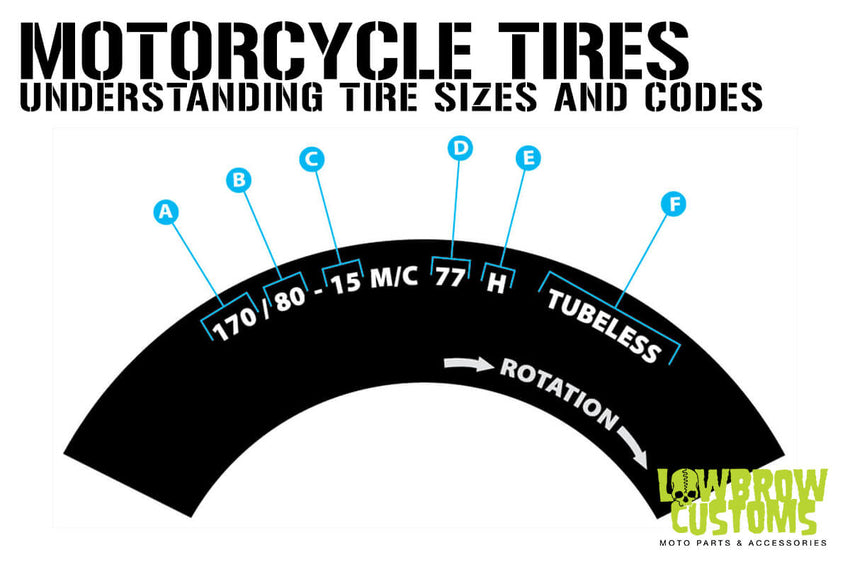
Credit: www.lowbrowcustoms.com
Frequently Asked Questions
How Do I Measure Tire Diameter At Home?
Use a tape measure to find the distance across the tire’s center. Measure from one edge to the opposite edge. Ensure the tire is fully inflated for accuracy. Repeat the measurement for confirmation.
What Tools Are Best For Measuring Tire Diameter?
A flexible tape measure or a ruler works best. For larger tires, a measuring wheel can help. Avoid rigid tools that can’t curve around the tire.
Why Is Accurate Tire Diameter Measurement Important?
It ensures proper vehicle performance and safety. Correct diameter affects speedometer readings and ride comfort. It also helps in selecting the right replacement tires.
Can I Measure Tire Diameter Without Removing The Tire?
Yes, measure while the tire is mounted and inflated. Measure from one sidewall edge to the other. Ensure the vehicle is on a flat surface.
Conclusion
Measuring tire diameter is simple with the right tools and steps. Always measure carefully to get correct results. Accurate size helps your vehicle run safely and smoothly. Check your measurements twice to avoid mistakes. Knowing how to measure saves time and money.
Practice a few times to build confidence. This skill helps in tire shopping and maintenance. Keep your tires in good shape for better driving. Measuring well makes a real difference in your ride.







