
If you want your car to run smoothly and avoid costly repairs, knowing how to measure your car belt tension is key. The right tension keeps your engine parts working perfectly without slipping or wearing out too fast.
But how do you check it? Don’t worry—you don’t need to be a mechanic. You’ll learn simple, step-by-step methods to measure your car belt tension using easy-to-find tools. By the end, you’ll feel confident keeping your car in top shape and saving money on repairs.
Let’s get started!

Credit: www.amazon.com
Types Of Car Belts
Car belts are important parts of your vehicle’s engine. They help run different systems and keep the engine working well. Knowing the types of car belts helps you measure their tension correctly.
This guide explains the main types of car belts: serpentine belts, V-belts, and timing belts. Each type has a special role and needs different tools to check the tension.
Serpentine Belts
Serpentine belts are long and flat. They wrap around many pulleys in the engine. These belts run accessories like the alternator, power steering pump, and air conditioner.
- Made of rubber with fabric reinforcement
- Single belt drives multiple parts
- Easier to install and replace
- Requires proper tension to avoid slipping
V-belts
V-belts have a trapezoidal shape that fits into pulley grooves. They are strong and used in older cars or specific engine parts. V-belts need manual tension adjustment and regular checks.
| Feature | Description |
|---|---|
| Shape | Trapezoidal cross-section |
| Function | Drives engine accessories |
| Tension | Adjusted by moving pulleys |
| Durability | Good for high torque loads |
Timing Belts
Timing belts have teeth that match gears on the engine. They keep the engine’s camshaft and crankshaft in sync. Proper tension is very important for timing belts to avoid engine damage.
Measuring timing belt tension often requires special tools and precise steps. Always follow the vehicle’s manual for the correct procedure.
Importance Of Belt Tension
Car belts need the right tension to work well. Too tight or too loose belts can cause problems. Measuring belt tension helps keep your engine running smoothly.
Using tools to check belt tension is a simple way to avoid damage. It also saves money by preventing costly repairs.
Effects On Engine Performance
The correct belt tension keeps engine parts moving properly. It improves fuel efficiency and power output. If the belt slips, your engine may lose power or stall.
- Maintains smooth operation of alternator and water pump
- Prevents overheating by ensuring proper coolant flow
- Reduces wear on engine components
- Improves battery charging by stabilizing the alternator
Signs Of Incorrect Tension
Wrong belt tension shows clear symptoms. These signs help you know when to measure and adjust the belt.
| Symptom | Cause | Effect |
| Squealing noise | Loose belt | Slipping and poor power transfer |
| Cracking or fraying | Too tight or old belt | Risk of belt breaking |
| Engine overheating | Water pump failure due to belt slip | Engine damage |
| Battery warning light | Alternator not charging | Battery drain |
Tools Needed For Measurement
Measuring car belt tension is important for safe and smooth vehicle operation. Using the right tools helps you check the belt tension accurately.
This guide explains three common tools used for measuring belt tension. Each tool has its own way to show if the belt is too tight or too loose.
Belt Tension Gauge
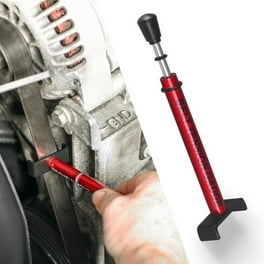
A belt tension gauge is a simple tool that measures the force on the belt. It helps you see if the belt has the correct tightness.
- Easy to use and read
- Shows tension in pounds or newtons
- Works well for most car belts
- Requires placing the gauge on the belt and applying pressure
Deflection Gauge
A deflection gauge measures how much the belt moves when pressed. This helps check if the belt is too loose or too tight.
| Deflection Amount | Meaning |
| Low (less movement) | Belt is too tight |
| Medium (normal movement) | Belt tension is correct |
| High (more movement) | Belt is too loose |
Digital Tension Meter
The digital tension meter gives a numeric reading of belt tension. It uses electronic sensors for precise measurement.
- Displays tension on a digital screen
- Easy to read and accurate
- Can store measurement data
- Usually more expensive than other tools
Preparing For Measurement
Before you measure car belt tension, it’s important to prepare properly. This ensures accurate and safe measurements.
Follow these steps to get ready for measuring the tension in your car’s belt system.
Safety Precautions
Staying safe is crucial when working on your car. Always take necessary precautions.
- Wear safety gloves to protect your hands.
- Ensure the car is on a flat surface.
- Turn off the engine and remove the keys.
- Let the engine cool down before starting.
Accessing The Belt
Proper access to the belt is required for an accurate tension measurement.
Open the hood of your car and locate the belt. You may need a flashlight to see clearly in dark areas.
| Tool | Purpose |
| Flashlight | To see the belt clearly |
| Wrench | To adjust components if needed |
| Screwdriver | To remove any covers |
Cleaning The Belt Surface
A clean belt surface is essential for correct tension readings. Dirt can affect the measurement.
Measuring Belt Tension Step-by-step
Measuring the tension of a car belt is important to keep the engine running smoothly. Too loose or too tight belts can cause problems. Using the right tool helps you get an accurate reading.
This guide shows you how to measure car belt tension using three common tools. Follow the steps carefully for each tool to get the best results.
Using A Belt Tension Gauge
A belt tension gauge measures the force needed to move the belt. It is simple and gives a direct tension reading. Place the gauge on the belt and apply pressure.
Read the value on the gauge to see if the tension matches the car’s specifications. Adjust the belt if the reading is too high or too low.
- Place the gauge on the belt at the midpoint between pulleys.
- Press the gauge until it touches the belt.
- Note the tension value shown on the gauge.
- Compare the value with the recommended tension.
- Adjust the belt tension if needed.
Using A Deflection Gauge
A deflection gauge measures how much the belt moves under a set force. This helps you check if the belt is too loose or tight. Apply pressure and measure the belt’s movement.
Use the deflection gauge at the belt’s longest span. Follow the force guidelines and compare the deflection to the car’s manual.
- Locate the longest span of the belt between pulleys.
- Apply the specified force with the gauge.
- Measure how much the belt deflects.
- Check if the deflection matches the recommended range.
- Tighten or loosen the belt if the deflection is off.
Using A Digital Tension Meter
A digital tension meter gives a fast and accurate belt tension reading. It uses sensors to measure the belt tension electronically. Place the meter on the belt and read the digital display.
Digital meters often have settings for different belt types. Use the correct setting for your car’s belt for best accuracy.
- Turn on the digital tension meter.
- Select the correct belt type if needed.
- Place the meter on the belt at the center of the longest span.
- Hold steady and read the tension value on the display.
- Adjust the belt to meet the recommended tension.
Interpreting Measurement Results
Measuring car belt tension is important for vehicle safety. Correct tension ensures the belt functions well.
Use a tension gauge to check if the belt is too tight or loose. Follow the manufacturer’s guide for accurate readings.
Recommended Tension Values
Different belts have specific tension values. Check your car’s manual for these numbers.
Keep the tension within the recommended range. This prevents the belt from slipping or breaking.
- V-belts: 10-20 kg
- Serpentine belts: 30-70 kg
- Timing belts: Refer to vehicle specifications
Adjusting For Wear And Stretch
Belts wear out and stretch over time. This affects their tension.
Adjust the tension when you notice wear. Use a tensioner tool for precise adjustments.
| Condition | Action |
| Worn belt | Replace with a new one |
| Stretched belt | Re-tension or replace |
Adjusting Belt Tension
Proper belt tension is essential for your car’s engine to run smoothly. Using the right tools helps you measure and adjust the tension correctly. This guide shows how to adjust belt tension safely and effectively.
Follow these steps carefully to loosen the tensioner, set the correct tension, and secure the adjustment. Each part ensures the belt works well and lasts longer.
Loosening The Tensioner
Start by locating the belt tensioner on your engine. Use a wrench or a special tensioner tool to turn the tensioner and release the belt tension. This step allows you to remove or adjust the belt safely.
- Find the tensioner pulley
- Place the tool on the tensioner bolt
- Turn the tool to loosen the tension
- Carefully slide the belt off
Setting Correct Tension
Use a belt tension gauge or a ruler to check the belt’s tightness. The belt should have a small amount of give but not be too loose. Proper tension prevents slipping and wear.
| Tool Used | Tension Range | Action |
| Belt Tension Gauge | 10-20 lbs | Adjust until gauge shows correct tension |
| Ruler (Deflection Method) | 1/4 inch per foot of belt length | Adjust belt to this deflection |
Securing The Adjustment
After setting the right tension, tighten the tensioner bolt securely. Check the belt again to confirm it stays tight. A loose bolt can cause the belt to slip or damage the engine.
- Tighten tensioner bolt with a wrench
- Double-check belt tension
- Start engine and observe belt movement
- Re-adjust if necessary
Common Mistakes To Avoid
Measuring car belt tension is important for safety and performance. Many people make errors that damage the belt or reduce its life.
Knowing common mistakes helps you keep the belt in good shape and avoid costly repairs.
Over-tightening Belts
Too much tension can cause belt wear and damage to engine parts. It may lead to belt cracking or bearing failure.
- Do not apply more force than recommended by the car manual.
- Use a proper tension gauge to get the exact tension value.
- Check the belt tension after some engine use to ensure it stays correct.
Ignoring Belt Condition
Belts can wear out, crack, or fray even if tension is correct. Ignoring belt condition can cause sudden failure.
| Problem | Effect | What to Do |
| Cracks on belt | Weakens belt strength | Replace belt immediately |
| Glazing or shiny spots | Slips on pulleys | Check tension and replace if needed |
| Frayed edges | May snap under load | Inspect regularly and replace |
Skipping Regular Checks
Not checking belt tension often causes unnoticed problems. Belts loosen over time and need adjustment.
Set a reminder to check belt tension every 5,000 to 10,000 miles or as your vehicle manual suggests.
Regular checks prevent breakdowns and save money on repairs.
Maintaining Belt Tension Over Time
Car belts need the right tension to work well. If the tension is wrong, belts wear out fast or slip. Checking and keeping belt tension helps your car run smoothly.
This guide shows how to keep belt tension using tools. Follow these tips to avoid belt problems and keep your car safe.
Routine Inspections
Inspect belts often to find issues early. Look for cracks, frays, or glazing on the belt surface. Check if the belt feels loose or too tight by pressing it with your finger.
- Look for visible damage on the belt
- Check belt tension using a tension gauge
- Listen for squealing noises from the belt
- Check belt alignment on pulleys
Replacing Worn Belts
Replace belts that show wear to avoid breakdowns. Use the right size and type for your car. Make sure new belts have proper tension after installation.
| Signs of Worn Belt | Recommended Action |
| Cracks or splits | Replace immediately |
| Glazing or shiny surface | Replace to improve grip |
| Loose tension | Adjust or replace belt |
| Squealing noise | Check tension and condition |
Using Quality Tools
Good tools make measuring belt tension easier and more accurate. Use a belt tension gauge or a digital meter. Avoid using guesswork or cheap tools that give wrong readings.
- Calibrate tools before use
- Follow tool instructions carefully
- Measure tension at the belt center span
- Take multiple readings for accuracy
- Keep tools clean and stored properly
Credit: www.walmart.com

Credit: www.youtube.com
Frequently Asked Questions
What Tools Are Needed To Measure Car Belt Tension?
You need a belt tension gauge or a digital tension meter. These tools provide accurate and easy-to-read measurements. A ruler and a screwdriver can help for basic checks but won’t give precise tension values.
How Do I Check Belt Tension With A Tension Gauge?
Place the gauge on the belt and apply force as instructed. Read the tension value displayed on the gauge. Compare it to the manufacturer’s recommended tension for accuracy.
Why Is Correct Car Belt Tension Important?
Proper tension prevents belt slipping and premature wear. It ensures efficient engine performance and avoids noise or damage. Incorrect tension can lead to engine overheating or accessory failure.
How Often Should Car Belt Tension Be Checked?
Check belt tension every 6 months or during routine maintenance. Frequent checks prevent unexpected belt failure and maintain vehicle reliability. Always inspect after belt replacement or adjustment.
Conclusion
Measuring car belt tension with the right tools keeps your engine running smooth. Proper tension stops slipping and prevents damage. Using simple tools makes the job easier and faster. Check the belt often to avoid costly repairs. Remember, safety and maintenance go hand in hand.
Taking time now saves trouble later. Keep your car in good shape by staying attentive. Small steps make a big difference for your vehicle’s health.







