
Have you ever been caught driving with a dirty windshield and realized your washer fluid was empty? It’s frustrating and can even be dangerous.
But what if you could make your own car window washer fluid quickly and cheaply? You’ll learn simple steps to create an effective washer fluid at home. By the end, you’ll save money, avoid last-minute store runs, and keep your windshield crystal clear every time you drive.
Let’s dive in and get your car ready for the road ahead!
Essential Ingredients
Making your own car window washer fluid is simple and cost-effective. Using the right ingredients keeps your windshield clean and clear. It also protects your car parts from damage.
Knowing what to use ensures the fluid works well in all weather. Choose ingredients that clean and prevent freezing. Below are the key components to consider.
Water Types To Use
Water is the main part of washer fluid. Using clean water helps avoid clogging and damage. Distilled or filtered water is best for this use.
Tap water may contain minerals that build up inside the system. These minerals can block the spray nozzles and reduce cleaning power.
- Distilled water has no minerals or impurities.
- Filtered water removes most particles and chemicals.
- Avoid hard tap water with high mineral content.
Common Cleaning Additives
Cleaning additives help remove dirt, bugs, and grime from windows. Simple household items can work well as cleaning agents.
Adding a mild detergent or liquid soap improves cleaning. Some people use rubbing alcohol or vinegar to boost dirt removal but use these carefully to avoid damage.
- Mild liquid dish soap cleans without harming paint.
- Isopropyl alcohol helps dry the windshield quickly.
- White vinegar can remove tough stains but use in small amounts.
Safe Antifreeze Options
Antifreeze prevents washer fluid from freezing in cold weather. Choose safe options to protect your car and the environment.
Common antifreeze ingredients include methanol and ethanol. Methanol is effective but toxic. Ethanol is safer and biodegradable. Use these carefully and in recommended amounts.
- Methanol works well in very cold temperatures but is toxic.
- Ethanol is safer and less harmful to the environment.
- Propylene glycol is a non-toxic alternative but less common.
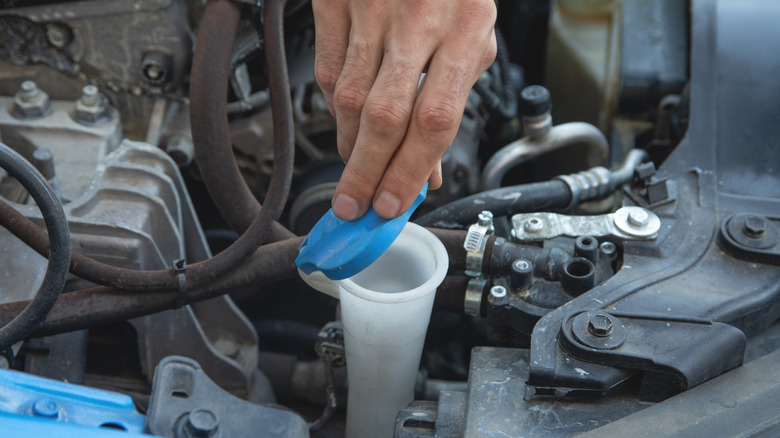
Credit: www.slashgear.com
Tools And Containers Needed
Making your own car window washer fluid needs some basic tools and containers. These help you measure, mix, and store the fluid safely.
Using the right equipment makes the process easier and prevents spills or mistakes.
Measuring Equipment
You need tools to measure liquids accurately. This ensures the right mix of ingredients for the washer fluid.
- Measuring cups with clear markings
- Measuring spoons for small amounts
- A funnel to pour liquids without spilling
- A digital scale for precise measurements (optional)
Mixing Containers
Mixing containers hold the ingredients while you combine them. Choose containers that are easy to clean and safe for liquids.
| Container Type | Material | Recommended Size |
| Bucket | Plastic | 1 to 2 gallons |
| Pitcher | Plastic or glass | 1 quart to 1 gallon |
| Measuring jug | Plastic or glass | 500 ml to 1 liter |
Storage Bottles
Storage bottles keep your washer fluid safe and ready to use. Pick bottles that seal well and have a nozzle or spout.
- Plastic bottles with screw caps
- Bottles with pour spouts for easy filling
- Opaque containers to protect fluid from sunlight
- Labels to mark the contents and date
Step-by-step Mixing Process
Making your own car window washer fluid is simple and cost-effective. You can mix it safely with a few household ingredients.
This guide explains the process in clear steps to help you prepare a reliable cleaning solution.
Preparing The Base Solution
Start by gathering distilled water and isopropyl alcohol. These form the main part of your washer fluid.
- Use 3 parts distilled water for purity.
- Mix 1 part isopropyl alcohol to prevent freezing.
- Choose 70% or higher alcohol concentration.
Adding Cleaning Agents
Add a small amount of liquid dish soap or car wash soap. This helps remove dirt and grime from your windshield.
| Ingredient | Amount |
| Distilled Water | 3 cups |
| Isopropyl Alcohol | 1 cup |
| Liquid Dish Soap | 1 teaspoon |
Mixing And Dilution Tips
Mix all ingredients gently to avoid foam. Use a clean container with a tight lid for storage.
Follow these tips for best results:
- Stir slowly to mix ingredients evenly.
- Store the fluid in a cool, dark place.
- Shake the container before each use.

Credit: 112.ua
Customizing For Weather Conditions
Making your own car window washer fluid lets you adjust it for different weather. Weather changes affect how well the fluid cleans and protects your windshield.
Adjusting the formula helps keep your windows clear and safe. You can add or reduce ingredients depending on the season.
Summer Formula Adjustments
In summer, dust and bugs are common on your windshield. Use a formula that removes grime without leaving streaks.
- Use more water to dilute the mixture for light cleaning
- Add a small amount of mild detergent for bug removal
- Include a few drops of vinegar to prevent hard water spots
- Avoid alcohol-based ingredients to reduce quick evaporation
Winter Formula Adjustments
Winter requires a formula that handles salt, ice, and snow. It must not freeze and should clean off grime fast.
| Ingredient | Purpose | Recommended Amount |
| Water | Dilutes mixture | 40% |
| Isopropyl Alcohol | Prevents freezing | 50% |
| Dish Soap | Removes salt and grime | 5% |
| White Vinegar | Stops streaks and fogging | 5% |
Handling Freezing Temperatures
Freezing temperatures need extra care to stop the fluid from freezing inside the tank. Add enough alcohol or antifreeze agent.
Tips for freezing weather:
- Use at least 50% isopropyl alcohol or methanol.
- Keep the fluid container sealed tightly to prevent evaporation.
- Test the fluid by placing some in the freezer before use.
- Replace the fluid regularly to maintain effectiveness.
Safety Tips And Precautions
Making your own car window washer fluid is helpful and saves money. You must follow safety rules to protect yourself and others.
Some ingredients can be harmful. Use care when handling chemicals and storing them at home.
Handling Chemicals Safely
Wear gloves and eye protection when mixing chemicals. Avoid touching your face during the process.
Work in a well-ventilated area to avoid breathing harmful fumes. Keep children and pets away from the workspace.
- Use measuring tools for accuracy
- Do not mix unknown chemicals
- Wash hands after handling fluids
Proper Storage Practices
Store your washer fluid in a sealed container. Label the container clearly to avoid confusion.
Keep the fluid in a cool, dry place away from direct sunlight. Avoid storing near heat or open flames.
- Use containers made of safe materials
- Keep out of reach of children and pets
- Do not store near food or drinks
Avoiding Common Mistakes
Do not use household cleaners not meant for cars. Some can damage your windshield or paint.
Do not fill the car reservoir with homemade fluid when the engine is hot. Let the car cool first.
- Check fluid mixture ratios carefully
- Do not overfill the washer fluid tank
- Test the fluid on a small area before full use
Testing And Using Your Fluid
Once you’ve made your own car window washer fluid, you need to ensure it works well. Testing and using the fluid properly will keep your windshield clear and safe.
Follow these steps to check the effectiveness, refill your reservoir, and know when to replace your fluid.
Checking Effectiveness
Testing your DIY fluid is simple. Spray a small amount on your car window and check if it cleans well. The fluid should remove dirt without leaving streaks.
If it cleans effectively, your fluid is ready to use. If not, you may need to adjust the ingredients or mix again.
Refilling Your Car Washer Reservoir
Keep your car washer reservoir full for best results. Open the hood of your car and locate the washer fluid reservoir. It usually has a cap with a windshield or wiper icon.
Pour your DIY fluid into the reservoir until it reaches the fill line. Close the cap tightly to prevent spills.
When To Replace Your Diy Fluid
Check your fluid regularly. If it smells strange or changes color, it might be time to replace it. New fluid ensures your windshield stays clean and clear.
Replace the fluid if it freezes in cold weather or doesn’t clean properly. Fresh fluid is always more effective.

Credit: www.youtube.com
Frequently Asked Questions
What Ingredients Are Needed To Make Washer Fluid?
You need distilled water, isopropyl alcohol, and liquid dish soap. These mix to clean and prevent freezing in your car’s washer system.
Can Homemade Washer Fluid Work In All Weather?
Yes, homemade fluid with alcohol resists freezing in cold weather. Adjust alcohol amount for extreme cold to keep your windshield clear.
How Do I Safely Store Homemade Washer Fluid?
Store the fluid in a sealed container at room temperature. Keep it away from heat and sunlight to maintain effectiveness.
Is Homemade Washer Fluid Safe For Car Paint?
Yes, if you use gentle dish soap and diluted alcohol. Harsh chemicals can damage paint, so stick to mild ingredients.
Conclusion
Making your own car window washer fluid saves money and time. You only need a few simple ingredients found at home. This DIY fluid cleans your windshield well and helps keep your view clear. Always store the fluid safely and refill your car reservoir as needed.
Clean windows mean safer driving and better visibility. Try this easy recipe and enjoy a clearer drive every day.







