
Have you ever felt uneasy, wondering if someone might be tracking your car without your knowledge? Finding a hidden GPS tracking device on your vehicle can bring peace of mind and protect your privacy.
You’ll learn simple, effective ways to locate any GPS tracker that might be attached to your car. By the end, you’ll know exactly what to look for and how to act, so you can take control of your safety and privacy.
Keep reading to discover the steps that could save you from unwanted surveillance.
Credit: www.brickhousesecurity.com
Signs Of A Gps Tracker
A GPS tracker on your car can be hidden well. It helps others know your location.
Look for signs that may show a tracker is installed. These signs help you find it early.
Unusual Wiring Or Devices
Check under the dashboard and around the car. Look for new wires or devices you do not recognize.
- Loose or extra wires near the fuse box
- Small boxes or devices hidden under seats
- Unfamiliar gadgets attached to the car frame
- Clips or tape holding wires in odd places
Battery Drain Issues
A GPS tracker uses power from your car battery. This can cause the battery to drain fast.
| Symptom | Possible Cause |
| Car battery dies quickly | Tracker drawing power even when car is off |
| Electrical system acts strange | Extra device interfering with circuits |
| Warning lights on dashboard | Connection issues due to added wiring |
Strange Sounds Or Signals
Some GPS trackers send signals that you can hear or detect. Listen carefully inside your car.
Signs to listen for:
- A faint clicking or buzzing sound from the dashboard
- Interference or static in the car radio
- Unexplained signal on your phone or GPS device
Common Tracker Locations
GPS tracking devices can be hidden in many places on a car. Knowing where to look helps you find one quickly.
Some spots are popular because they are out of sight and hard to reach. These spots keep the tracker safe and hidden.
Under The Vehicle
Many GPS trackers are attached under the car. They use magnets to stick to the metal parts.
Look near the frame, under the doors, or close to the gas tank area. Check for any small boxes or unusual objects.
Inside The Wheel Wells
The wheel wells are the spaces around the tires. Trackers can hide here because they are shielded by the wheels.
Check inside the plastic liners or behind the wheel arches. Use a flashlight to see better in dark areas.
Behind Bumpers
Some trackers are placed behind the front or rear bumpers. This area is hidden from view but easy to access.
Look carefully behind the bumper covers for any small devices or wires that do not belong.
Inside The Dashboard
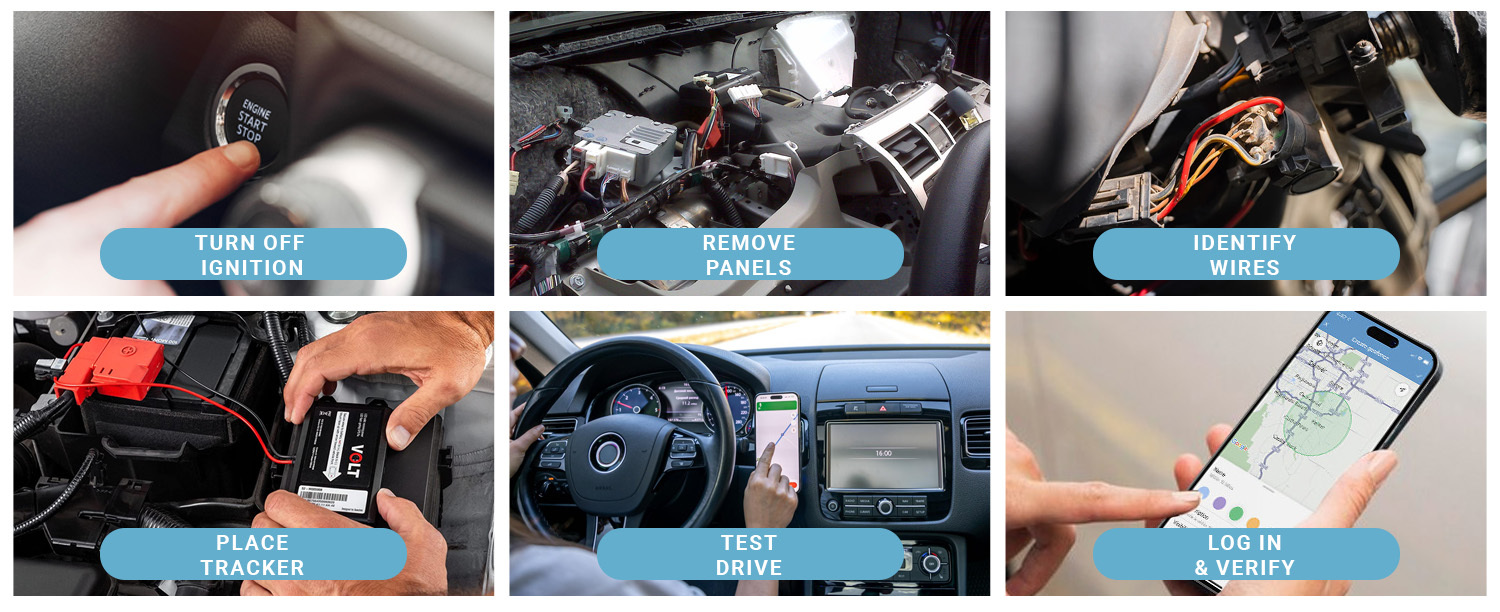
Trackers can be hidden inside the dashboard. This spot hides the device from outside and is near the car’s power source.
Removing panels or glove boxes may be needed. Watch for any small boxes or wires that seem out of place.
Under Seats
Under the seats is a common hiding place for GPS trackers. The space is small but easy to access.
Check beneath the driver’s and passenger’s seats. Look for any devices taped or clipped to the seat frame.
Tools To Detect Trackers
Finding a GPS tracking device on your car is possible with the right tools. These tools help you detect hidden trackers quickly.
We will explore three main tools: RF signal detectors, magnetic detectors, and smartphone apps. Each tool works differently to locate trackers.
Rf Signal Detectors
RF signal detectors scan for radio frequencies that GPS trackers use to send location data. They alert you when they find a signal nearby.
- Turn off your car’s engine before scanning.
- Slowly move the detector around the car’s exterior and interior.
- Focus on hidden areas like under the bumper or inside wheel wells.
- If the detector beeps or lights up, check the spot carefully.
Magnetic Detectors
Many GPS trackers attach to cars using magnets. Magnetic detectors sense these magnets, helping you find hidden devices.
| Detector Type | Use | Notes |
| Handheld Magnetometer | Scan car surface | Detects strong magnets |
| Magnetic Field Sensor | Inspect wheel wells | Detects weak magnets too |
| DIY Magnet Checker | Use near suspected spots | Less precise but affordable |
Smartphone Apps
Smartphone apps can scan for signals or help you find trackers using your phone’s sensors. They offer a simple way to check your car.
Popular features of these apps include:
- Detecting Bluetooth and Wi-Fi signals
- Scanning for unusual GPS activity
- Alerting when a new device connects nearby
Note: App accuracy varies. Use apps as a first step, not the only method.
Credit: www.brickhousesecurity.com
Step-by-step Search Process
Finding a GPS tracking device on your car is important for your privacy. You can do a careful search yourself. Follow these steps to check your vehicle thoroughly.
This guide shows you how to find a tracker using simple tools and methods. It covers visual checks, special devices, and professional help.
Visual Inspection
Start by looking closely at your car’s exterior and interior. Trackers are often small and hidden in unusual spots.
- Check under the car and wheel wells.
- Look inside the bumpers and under seats.
- Inspect the glove compartment and center console.
- Examine the engine bay and trunk areas.
- Look for wires or devices that seem out of place.
Use Detection Devices
Use a GPS signal detector or a bug detector to find active trackers. These devices pick up signals that GPS trackers send out.
- Turn off all electronics in your car.
- Turn on the detection device and scan around the vehicle.
- Focus on areas like the dashboard and under seats.
- If the device beeps or shows a signal, inspect that spot closely.
- Mark any suspicious device or wire for further check.
Check Vehicle Electronics
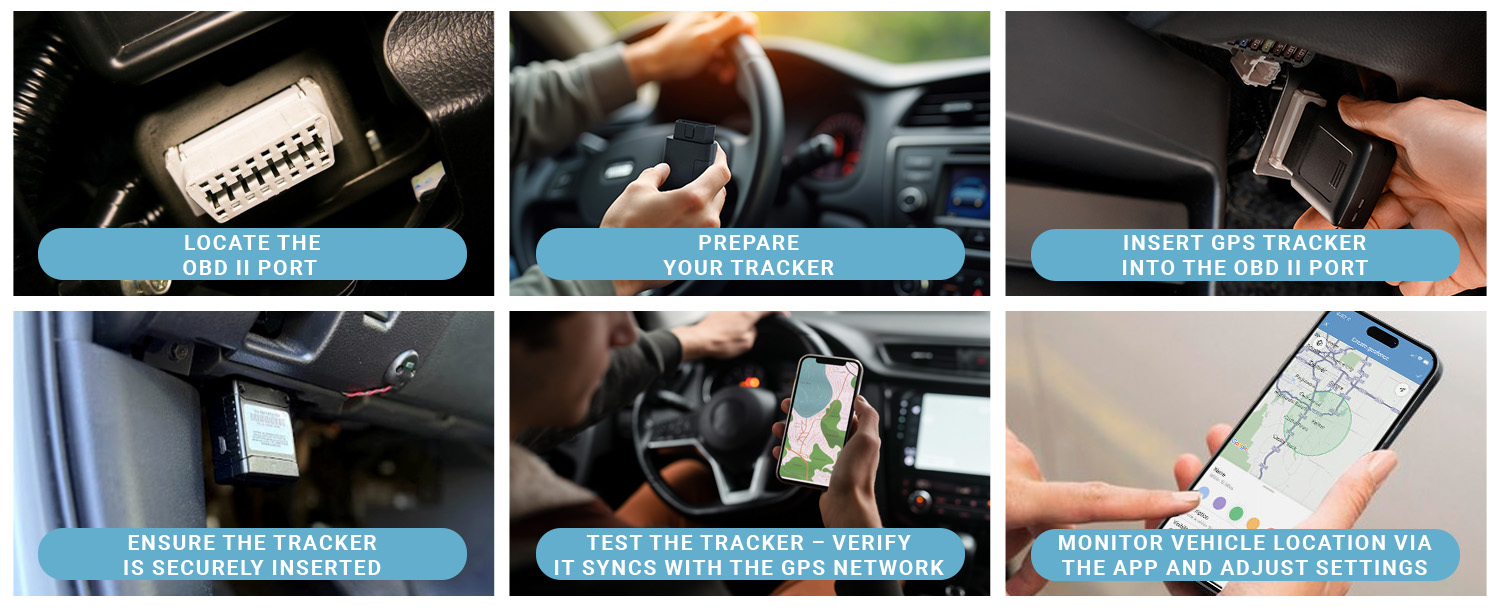
GPS trackers often connect to your car’s electronics for power. Look for unusual wiring or new devices near the battery or fuse box.
| Location | What to Look For |
|---|---|
| Fuse Box | Extra wires or devices not matching factory setup |
| Battery Area | New connectors or tape on wires |
| OBD Port | Devices plugged in that you do not recognize |
| Dashboard | Small boxes or unusual wiring |
Consult A Professional
If you cannot find the device or feel unsure, ask a professional. Mechanics and security experts have the tools and skills to find hidden trackers.
They can also help remove the device safely and check for other security risks in your vehicle.
Removing And Disabling Trackers
Finding a GPS tracking device on your car is only the first step. You need to remove or disable it safely. This guide helps you understand how to do it without damage.
Removing trackers requires care and awareness of legal rules. It is important to know when to get expert help.
Safe Removal Tips
First, turn off your car and work in a well-lit area. Wear gloves to protect your hands. Use tools like screwdrivers if needed.
- Locate the device by checking under the car, inside wheel wells, and beneath seats.
- Disconnect the power source if the tracker is wired to your vehicle.
- Remove any adhesive or mounting hardware holding the tracker in place.
- Keep the device in a safe place if you need to show it to authorities.
- Check your car for extra trackers to be sure none are left behind.
Legal Considerations
| Action | Legal Note |
| Removing a tracker on your own car | Usually legal if you own the vehicle |
| Removing a tracker placed by employer | May have restrictions based on contract |
| Removing someone else’s tracker | Could be illegal and punishable by law |
| Reporting suspicious trackers to police | Recommended and often required |
Check local laws before removing trackers. Some places require you to report tracking devices first.
When To Seek Help
If you find a tracker but feel unsure about removing it, ask for help. Experts can safely disable or remove devices.
- Contact local law enforcement if you suspect illegal tracking.
- Hire a professional to inspect your vehicle for hidden devices.
- Use a tracker detector device if you cannot locate the tracker yourself.
- Seek legal advice if you want to understand your rights fully.
Preventing Future Tracking
Locating a GPS tracking device on your car is crucial for privacy. Regular checks and some preventive measures can help keep your vehicle secure.
By following some simple steps, you can ensure that your car is not being tracked without your knowledge. Let’s explore these methods.
Regular Vehicle Checks
Regularly inspecting your vehicle can help you spot any unusual devices. Be thorough in your checks to ensure no hidden trackers are left unnoticed.
- Check under the car for any attached devices
- Inspect the wheel wells and bumpers
- Look inside the glove compartment and trunk
- Use a flashlight to check dark areas
Using Signal Jammers
Signal jammers can block the GPS signal, making it harder for a tracker to transmit data. Consider this option if you suspect tracking.
Ensure you understand local laws regarding signal jammers. Usage may be restricted in some areas.
Securing Your Vehicle
Keep your vehicle secure to prevent unauthorized access. This can deter anyone from placing a tracking device on your car.
| Security Measure | Benefit |
| Install a car alarm | Alerts you of unauthorized access |
| Park in well-lit areas | Deters potential trackers |
| Use a steering wheel lock | Makes tampering more difficult |

Credit: blog.eyespysupply.com
Frequently Asked Questions
How Can I Detect A Gps Tracker On My Car?
You can detect a GPS tracker by visually inspecting your car’s exterior and interior. Check under bumpers, wheel wells, and inside the dashboard. Use a GPS signal detector or a radio frequency (RF) scanner for a thorough search.
Where Are Gps Trackers Usually Hidden On Cars?
GPS trackers are commonly hidden under the car, inside wheel wells, beneath the dashboard, or within the engine compartment. They are placed in discreet spots to avoid detection while maintaining a clear signal to satellites.
Can I Locate A Gps Tracker Without Special Tools?
Yes, you can locate a GPS tracker without tools by carefully inspecting common hiding spots. However, using RF detectors or GPS signal finders is more effective and reliable for finding hidden trackers.
How Do Gps Trackers Affect My Car’s Battery?
GPS trackers usually draw minimal power and connect to the car’s battery or OBD-II port. Some have their own batteries, but prolonged use may slightly drain the car battery if not managed properly.
Conclusion
Finding a GPS tracker on your car is important for your safety. Check common spots like under the bumper or inside wheel wells. Use a strong magnet or a GPS detector to help. Stay calm and take your time while searching.
Knowing how to find these devices gives you control. Protect your privacy and keep your car secure. Stay aware and act quickly if you suspect tracking. Taking these steps can bring peace of mind. Your car’s safety matters most.







