
Have you ever felt uneasy, wondering if someone might be secretly tracking your car? Finding a hidden GPS tracker can be tricky, but it’s not impossible.
If you want to take control and protect your privacy, knowing how to locate a GPS tracker on your car is essential. This guide will walk you through simple, effective steps that anyone can follow. By the end, you’ll feel confident spotting trackers and keeping your vehicle—and your life—secure.
Keep reading to learn exactly what to look for and how to act fast.
Credit: spy-spot.com
Signs Of A Gps Tracker
GPS trackers can be hidden on vehicles to follow their location. Knowing the signs helps you find one on your car.
This guide explains common signs that show a GPS tracker might be installed on your vehicle.
Unusual Wires Or Devices
Look under your car and inside the engine area for strange wires or small boxes. These might be GPS trackers.
Trackers often connect to the car’s electrical system. Unfamiliar wires near the battery or under the dashboard are warning signs.
- Check under the dashboard and seats for hidden devices
- Look for wires that don’t match the car’s usual wiring
- Search near the battery and wheel wells
Battery Drain Issues
A GPS tracker uses power from your car battery. If you notice your battery drains faster than normal, a tracker may be the cause.
Battery problems can happen if a tracker is always on, even when the car is off.
- Car battery dies quickly or needs frequent charging
- Electrical components act strangely or lose power
- Battery warning lights appear without clear reasons
Interference With Electronics
GPS trackers send signals that can interfere with your car’s electronics. Radios or key fobs may work poorly.
Interference shows as static noise or weak signals in devices that use wireless communication.
- Car radio has static or sudden signal loss
- Keyless entry or remote start works inconsistently
- Other wireless devices in the car have poor reception

Credit: spytec.com
Common Gps Tracker Locations
Many cars have GPS trackers hidden for security or monitoring. Knowing where to look helps you find one fast.
These devices are small and placed in spots that are hard to see or reach. Let’s check common hiding places.
Under The Car
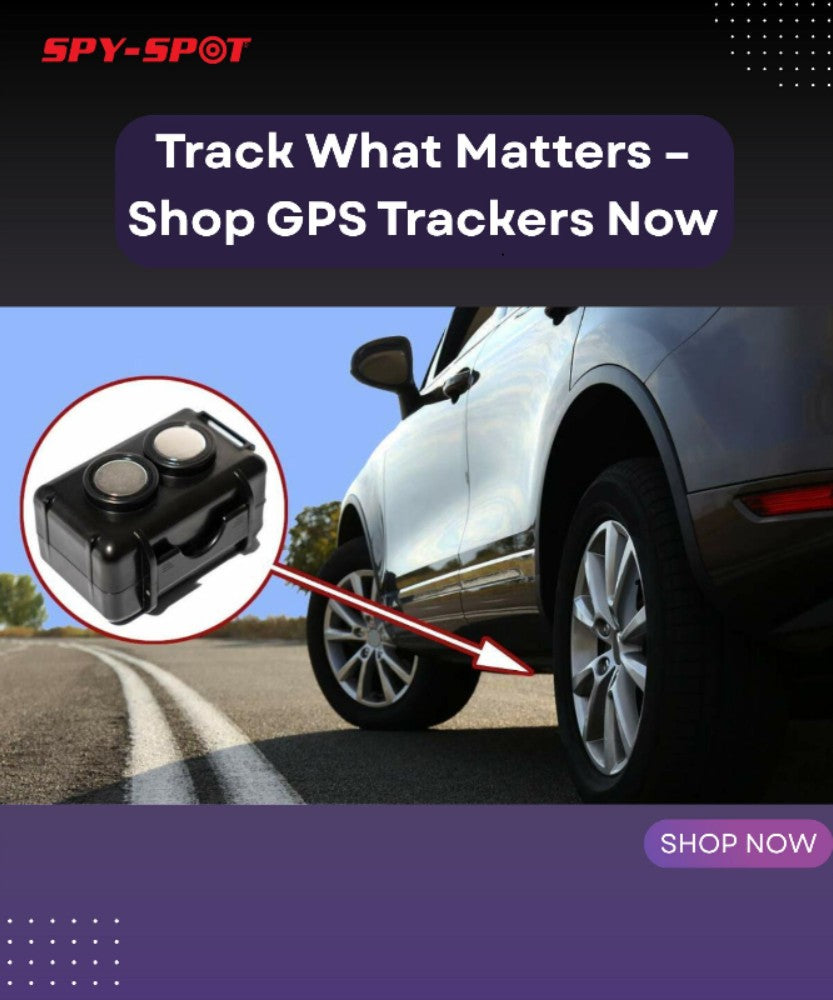
Under the car is a popular place for GPS trackers. They attach to the frame or undercarriage with magnets.
- Look along the metal frame below the vehicle.
- Check near the fuel tank or exhaust system.
- Use a flashlight to see dark areas clearly.
Inside Wheel Wells
Wheel wells offer protection from weather and visibility. Trackers can be taped or clipped inside.
| Location | Why It’s Used | How to Check |
| Front Wheel Wells | Easy to access and hide | Look behind the tire liner |
| Rear Wheel Wells | Less exposed to road debris | Inspect with a flashlight |
Behind Bumpers
Trackers fit behind plastic or metal bumpers. This spot keeps them out of sight and protects them from damage.
Check the bumper carefully by feeling for small boxes or wires. Use a mirror to see hidden parts.
Under Seats Or Dashboard
Inside the car, trackers may hide under seats or the dashboard. These spots keep devices safe and close to power.
- Lift the seats and look underneath.
- Use a flashlight to inspect under the dashboard.
- Check for unusual wires or small boxes.
Tools To Detect Gps Trackers
Finding a GPS tracker on your car can be tricky without the right tools. Several devices and apps can help you detect hidden trackers fast.
This guide covers three main tools: RF signal detectors, mobile apps, and physical inspection tools. Each has its use and benefits.
Rf Signal Detectors
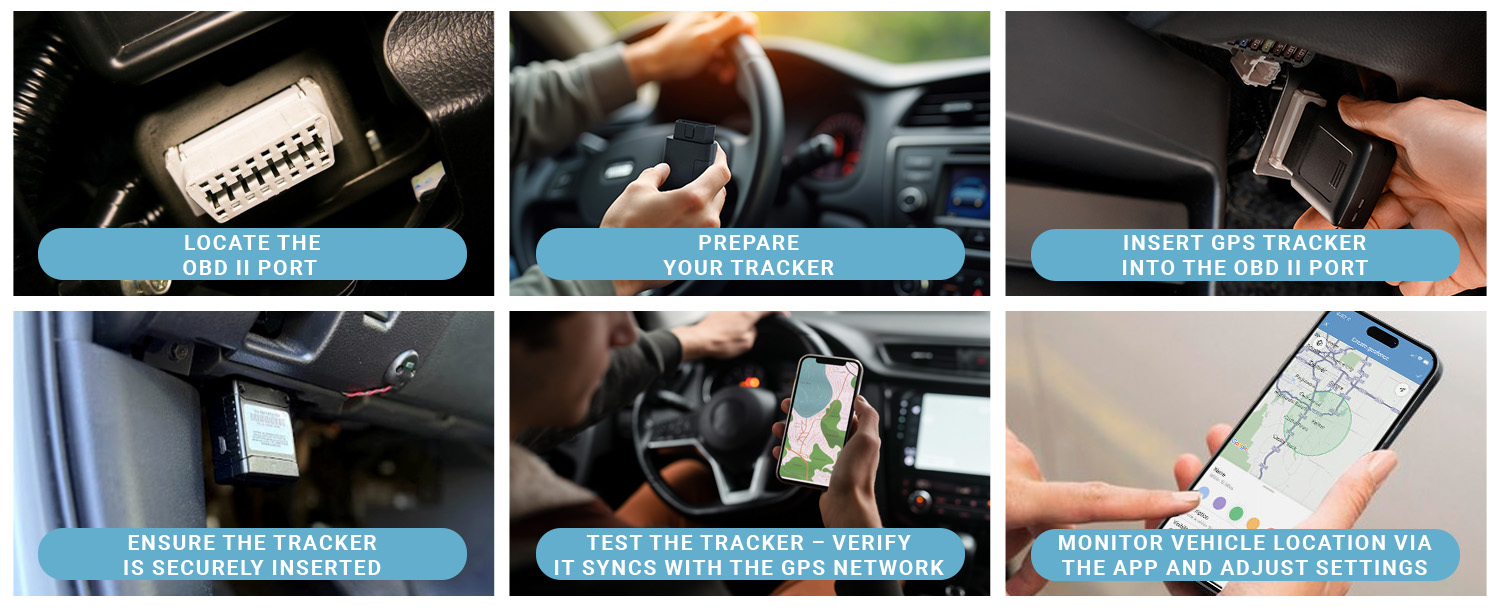
RF signal detectors scan for radio frequencies that GPS trackers emit. These devices alert you when they find signals used by trackers near your car.
- They pick up wireless signals from trackers.
- Easy to use with simple controls.
- Useful for scanning parked cars quickly.
- Some models show signal strength on a screen.
Mobile Apps
Mobile apps can help find GPS trackers by scanning for Bluetooth or Wi-Fi signals around your car. Many apps also detect unusual activity on your phone.
| App Type | Function | Limitations |
| Bluetooth Scanner | Detects nearby Bluetooth devices | Only finds Bluetooth trackers |
| Wi-Fi Analyzer | Shows Wi-Fi signals near your phone | Cannot detect non-Wi-Fi trackers |
| Signal Detector | Scans for various radio signals | Needs permissions and may not find all trackers |
Physical Inspection Tools
Physical tools help you check your car for hidden GPS trackers. You can use mirrors, flashlights, and screwdrivers during your search.
- Flashlight: Look into dark spaces and under the car.
- Small mirror: See behind panels and tight spots.
- Screwdriver: Remove covers or panels carefully.
- Gloves: Protect your hands during inspection.
Credit: www.brickhousesecurity.com
Step-by-step Search Process
Finding a GPS tracker on your car is important for your privacy. You can search carefully using simple steps.
This guide shows how to check your vehicle for hidden GPS devices in four clear ways.
Visual Inspection
Start by looking around your car closely. GPS trackers are often small and hidden in corners.
Check common places like under the bumper, inside wheel wells, and near the license plate.
- Look under the car and inside wheel arches
- Check the bumper and behind license plates
- Inspect inside the engine bay and under the hood
- Examine inside the car, under seats and dashboards
Using A Signal Detector
GPS trackers send signals to satellites or phones. A signal detector can find these signals near your car.
Turn on the detector and slowly move it around the car. Watch for any signal spikes or alerts.
- Use a detector that picks up GPS and cellular signals
- Scan all around your vehicle, inside and outside
- Pay attention to strong signal areas for hidden devices
- Repeat the scan at different times for accuracy
Checking Vehicle Panels
GPS trackers may hide behind vehicle panels or inside compartments. Remove panels carefully to inspect.
Look behind plastic trims, under seats, and inside glove compartments for unusual devices or wires.
- Remove panels gently to avoid damage
- Check for extra wires or small boxes
- Use a flashlight to see dark areas
- Pay attention to battery packs or antennas
Testing For Interference
GPS trackers can cause electronic interference. Listen for unusual sounds or check if car electronics act strangely.
Test your car’s radio and other electronics while moving. Interference may point to a hidden device nearby.
- Turn on the car radio and listen for static noises
- Check if electronic devices behave oddly near the car
- Drive slowly and notice any interference changes
- Use an interference detector for more precise results
What To Do If You Find A Tracker
Finding a GPS tracker on your car can be alarming. It is important to stay calm and act carefully. Knowing what steps to take helps protect your privacy and safety.
This guide explains how to remove the device safely, report it to authorities, and take preventive measures to avoid future tracking.
Removing The Device Safely
Do not remove the tracker right away. Removing it can cause damage or alert the tracker owner. Follow these steps to remove it safely:
- Wear gloves to avoid leaving fingerprints.
- Take photos of the device and its location.
- Use tools like a screwdriver if needed, but be gentle.
- Place the device in a sealed container or bag.
- Do not try to disable the tracker yourself.
Reporting To Authorities
Inform the police or local authorities after removing the tracker. Provide them with all the information you collected. This helps in investigating the issue.
| Information to Provide | Details |
| Location of the tracker | Where on the car it was found |
| Photos | Clear images of the device and surroundings |
| Date and time | When you found the tracker |
| Any suspicious activity | People or events around your car |
Preventive Measures
After dealing with the tracker, take steps to avoid future tracking. Protect your car and privacy with these tips:
- Regularly check your car’s exterior and undercarriage.
- Install a security camera or dashcam to monitor surroundings.
- Use a GPS tracker detector device for regular scans.
- Park in well-lit and secure areas.
- Inform family or friends if you notice suspicious behavior.
Frequently Asked Questions
How Can I Tell If My Car Has A Gps Tracker?
Look for small devices hidden under the car, inside the dashboard, or near wiring. Use a GPS detector or smartphone app to scan for signals. Check unusual wiring or battery drains as well.
Where Are Gps Trackers Usually Hidden On Cars?
Common hiding spots include under the vehicle, inside wheel wells, beneath seats, or near the engine bay. Trackers are often placed where they are hard to spot but still receive GPS signals.
Can I Locate A Gps Tracker Using My Smartphone?
Yes, some smartphone apps can detect GPS signals or Bluetooth devices. However, dedicated GPS detector devices provide more accurate location detection.
Is It Legal To Remove A Gps Tracker From My Car?
If you own the car, removing unauthorized trackers is usually legal. However, consult local laws or a legal expert to avoid complications.
Conclusion
Finding a GPS tracker on your car is possible with careful steps. Start by checking common hiding spots like under the bumper or inside wheel wells. Use a strong flashlight to spot small devices. A handheld scanner can also help detect signals.
Stay calm and patient during the search. Knowing how to find these trackers helps protect your privacy. Keep your car secure by checking regularly. Taking action early can save you from unwanted tracking. Simple tools and attention make a big difference.
Stay aware and keep control of your vehicle’s safety.







