
Looking to carry more gear on your next trip? Installing a roof rack on your car can open up a world of possibilities—extra space for bikes, luggage, or camping equipment.
But if you’ve never done it before, the process might seem tricky or overwhelming. Don’t worry. This guide will walk you through each step clearly and simply, so you can confidently add a roof rack yourself. By the end, you’ll be ready to hit the road with more freedom and convenience than ever before.
Keep reading to find out how easy it really is!
Choosing The Right Roof Rack
Installing a roof rack on your car can add extra space for gear and luggage. Choosing the right roof rack ensures safety and convenience.
Understanding the types of racks, your car’s roof size, and weight limits helps you pick the best option.
Types Of Roof Racks
There are several roof rack styles. Each fits different needs and car types. Knowing the options helps you decide.
- Raised Side Rails: Fixed rails that run along the roof edge.
- Flush Side Rails: Rails that sit flush with the roof surface.
- Fixed Points: Mounting locations built into the car roof.
- Bare Roof: No rails or points, requires special clamps.
Measuring Your Car Roof
Accurate measurements help find a roof rack that fits well. Measure width and length of the roof area you want to use.
| Measurement | How to Measure |
| Width | Measure from one side edge to the other |
| Length | Measure from front to back where the rack will sit |
| Height | Check clearance under garage or trees after installation |
Considering Weight Capacity
Each roof rack has a weight limit. Exceeding this can damage your car or cause accidents.
- Check the car manufacturer’s roof load limit.
- Look at the roof rack’s maximum weight capacity.
- Include the weight of the rack itself when planning loads.
- Distribute weight evenly to avoid stress on one area.

Credit: www.youtube.com
Gathering Necessary Tools
Installing a roof rack on your car needs the right tools. Having these tools ready saves time and makes the job easier.
Before starting, gather all tools and safety gear. This helps you work safely and efficiently.
Basic Tools Needed
You need some simple tools to install a roof rack. These tools help you attach the rack firmly and correctly.
- Screwdrivers (both flathead and Phillips)
- Socket wrench set
- Measuring tape
- Rubber mallet
- Allen wrenches (hex keys)
- Torque wrench
- Cleaning cloth
Using a torque wrench is important. It ensures bolts are tightened just right, not too loose or tight.
Safety Equipment
Safety gear protects you during the installation. Always wear the correct equipment to avoid injury.
- Safety glasses to protect your eyes
- Work gloves to protect your hands
- Non-slip shoes for good footing
- Step stool or ladder if your car is tall
Make sure your workspace is clear and well-lit. This reduces the chance of accidents while you work.
Preparing Your Car Roof
Installing a roof rack starts with preparing the car roof. A clean and checked surface helps the rack fit well.
Taking time to prepare your roof prevents damage and ensures safety during use.
Cleaning The Roof Surface
Clean the roof to remove dirt, dust, and debris. This helps the rack attach firmly and protects the car’s paint.
- Use a soft cloth or sponge with mild soap and water.
- Rinse thoroughly with clean water.
- Dry the roof with a soft towel to avoid water spots.
- Check for any sticky residue or bird droppings and remove them gently.
Checking For Roof Rails Or Mount Points
Look for factory roof rails or mount points. These make installation easier and provide strong support.
| Type | Description | Installation Note |
| Raised Roof Rails | Rails sit above the roof surface | Use clamps to attach rack |
| Flush Roof Rails | Rails sit close to the roof | May need special connectors |
| Fixed Mount Points | Pre-drilled holes covered by plastic caps | Remove caps to bolt rack |
| Bare Roof | No rails or mount points | Use a clamp-style rack |
Installing The Roof Rack
Installing a roof rack on your car helps you carry extra gear safely. It is important to follow the right steps to ensure the rack is secure.
This guide covers how to position the rack, secure the mounts, and tighten the fasteners properly.
Positioning The Rack
Place the roof rack bars evenly on the car’s roof. Make sure the bars line up with the mounting points on your vehicle.
Check that the rack does not block doors or windows. The bars should be centered for balance and safety.
Securing The Mounts
Attach the mounts to the designated spots on your car. Use the clamps or brackets included with the rack.
- Place each mount firmly on the roof rails or door frame.
- Check that rubber pads are in place to protect the car’s paint.
- Make sure mounts fit tightly without gaps.
- Do not force mounts into position.
Secure the mounts so they do not move when you shake the rack gently.
Tightening The Fasteners
Use the correct tools to tighten all screws, bolts, and nuts. Proper tightening keeps the rack stable on your car.
| Fastener | Recommended Torque |
|---|---|
| Mounting Bolts | 15-20 Nm |
| Crossbar Screws | 10-15 Nm |
| Clamp Nuts | 12-18 Nm |
After tightening, check all parts again before driving. Loose fasteners can cause damage or accidents.
Testing Stability And Security
After installing a roof rack on your car, checking its stability is very important. A secure roof rack keeps your gear safe and prevents accidents.
Testing the rack’s security helps you find any loose parts or weak spots. This step ensures your roof rack stays firmly attached while driving.
Performing A Shake Test
To perform a shake test, gently grab the roof rack and try to move it side to side. Check for any wobbling or movement.
Try pushing and pulling the rack in different directions. If it shifts or feels loose, you need to tighten it more.
- Hold the rack firmly with both hands.
- Move it left and right, front and back.
- Listen for any unusual noises or clicks.
- Note any parts that move or feel loose.
Adjusting For Tightness
If the shake test shows loose areas, tighten the rack’s clamps or bolts. Use the tools recommended by the manufacturer.
Check each attachment point and make sure it is firm but not overly tight. Too much force can damage your car or rack.
- Use a wrench or screwdriver for bolts and screws.
- Tighten clamps evenly on all sides.
- Do not overtighten to avoid damage.
- Repeat the shake test after tightening.
- Adjust again if you still feel movement.

Credit: www.youtube.com
Maintaining Your Roof Rack
Keeping your roof rack in good condition ensures safety and performance. Regular maintenance can extend its life.
Learn simple steps to keep your roof rack in top shape. Follow these tips for regular inspections and cleaning.
Regular Inspections
Inspect your roof rack for signs of wear and tear. Check all parts to ensure they are secure and in good condition.
- Examine bolts and fasteners for tightness
- Look for rust or corrosion on metal parts
- Check the rack’s alignment with your car
Cleaning And Lubrication
Regular cleaning prevents dirt build-up that can damage the rack. Lubrication keeps moving parts in smooth operation.
| Part | Action |
| Metal Bars | Clean with mild soap and water |
| Joints | Apply appropriate lubricant |
| Plastic Components | Wipe with a damp cloth |
By following these simple steps, you can ensure your roof rack stays in great condition for years to come.
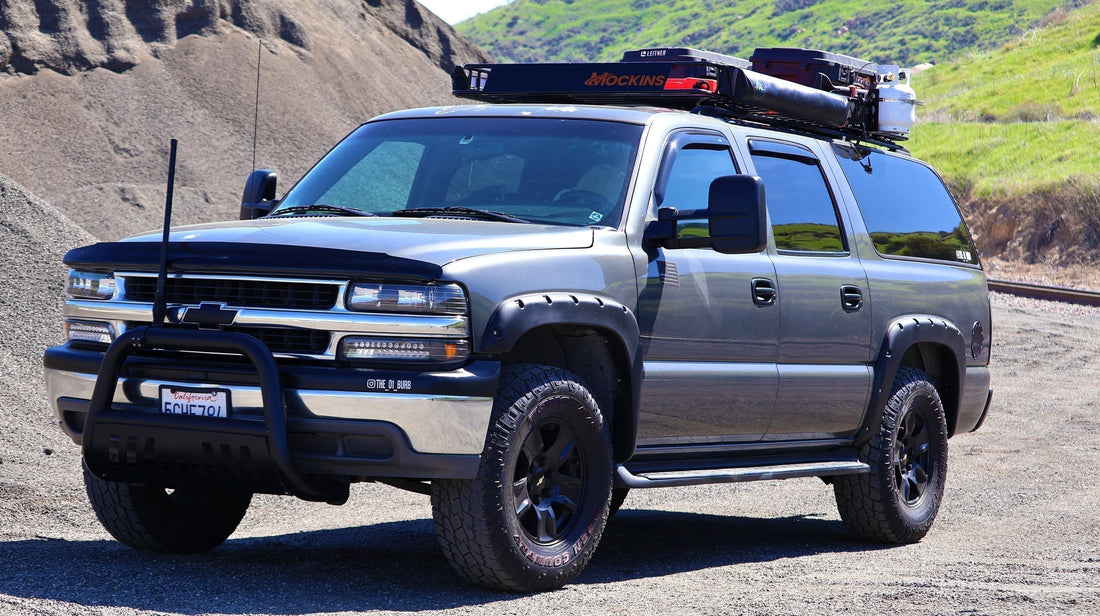
Credit: mockins.com
Frequently Asked Questions
What Tools Do I Need To Install A Roof Rack?
You need a screwdriver, wrench, measuring tape, and possibly a drill. Check your roof rack kit for specific tools. Having these ready ensures a smooth installation process and proper fitting on your car.
How Do I Choose The Right Roof Rack For My Car?
Check your car’s make, model, and roof type. Consider load capacity and rack compatibility. Choose a rack that fits securely and matches your transportation needs for safety and convenience.
Can I Install A Roof Rack Myself Safely?
Yes, with proper tools and instructions, DIY installation is safe. Follow the manufacturer’s manual carefully. Ensure all bolts are tight and the rack is stable before use to prevent accidents.
How Do I Maintain My Roof Rack After Installation?
Regularly check and tighten bolts. Clean the rack to prevent rust and dirt buildup. Inspect for damage after trips to ensure it stays secure and lasts longer.
Conclusion
Installing a roof rack on your car is simple and useful. It gives extra space for carrying things safely. Follow the steps carefully for a strong fit. Check all parts before you start. Tighten bolts well to avoid problems later.
Use the rack for trips, sports gear, or moving items. Keep your car clean and ready for adventures. You can do this yourself with just basic tools. Enjoy the freedom to carry more on every journey.







