
Is your car making strange noises every time you hit the road? Tire noise problems can be more than just annoying—they might signal a bigger issue that affects your safety and comfort.
But how do you know if the noise is coming from your tires or something else? If you want to stop guessing and start fixing, this guide will help you identify tire noise problems quickly and easily. By the end, you’ll know exactly what to listen for and what steps to take to keep your ride smooth and quiet.
Ready to find out what your tires are trying to tell you? Let’s dive in.

Credit: www.youtube.com
Common Tire Noise Types
Tire noise can make driving less comfortable. It may also signal tire problems.
Knowing the types of tire noise helps you find the cause fast. This guide covers common tire noise types.
Tread Pattern Sounds
Tread pattern sounds come from the tire’s surface touching the road. Different patterns create different noises.
Grooves and blocks in the tread can cause humming or buzzing sounds at certain speeds.
- Symmetrical tread usually makes less noise
- Aggressive tread patterns can be louder
- Worn tread increases noise levels
Sidewall Noise
Sidewall noise comes from the tire’s side hitting bumps or rough road edges. It may sound like thumping or knocking.
Damaged or weak sidewalls often cause this noise. Check for cracks, bulges, or cuts.
- Sidewall damage leads to louder noise
- Underinflated tires increase sidewall contact
- Proper tire pressure helps reduce noise
Uneven Wear Noise
Uneven tire wear causes irregular sounds while driving. It may sound like clicking, thumping, or humming.
Common causes include poor alignment, bad suspension, or unbalanced tires.
- Check tire tread for uneven spots
- Rotate tires regularly to avoid wear
- Fix alignment and balance to stop noise
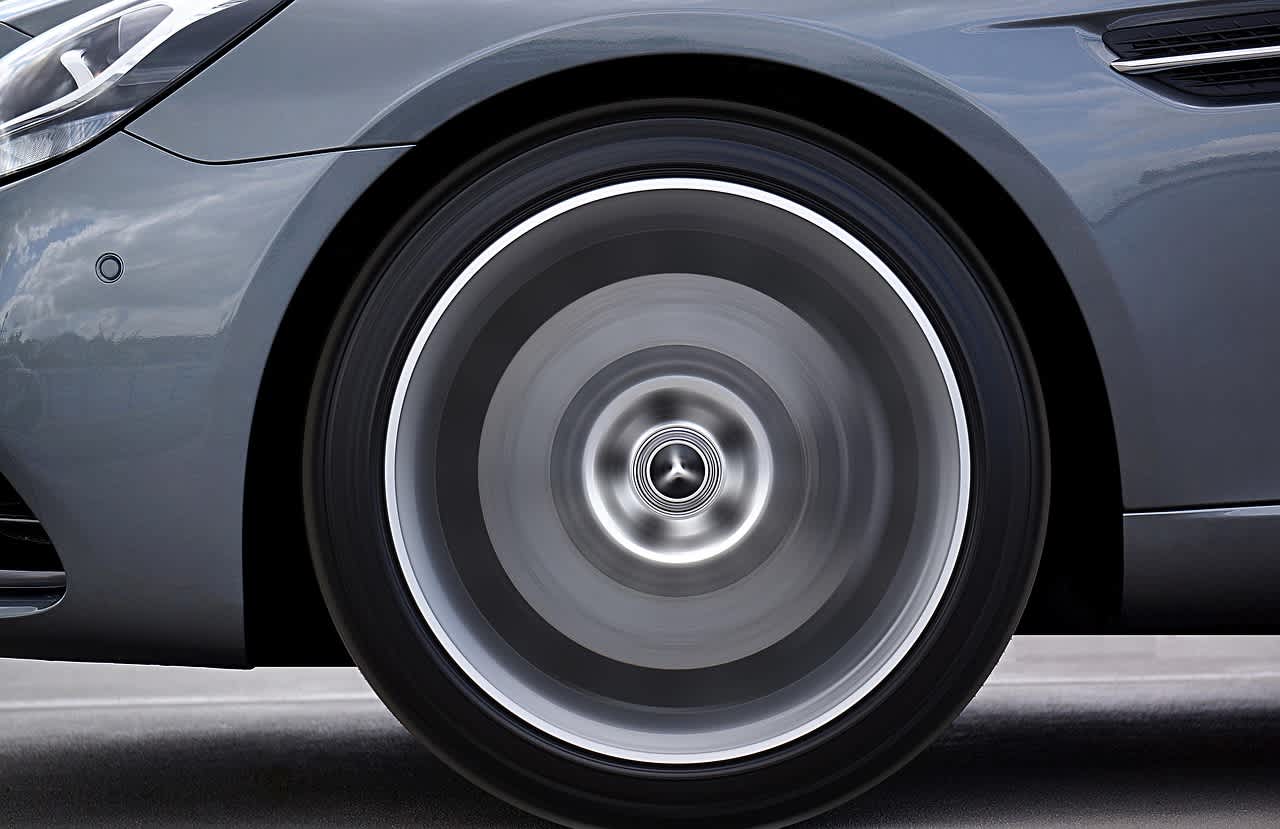
Credit: simpletire.com
Causes Of Tire Noise
Tire noise can make driving uncomfortable and distracting. It often signals a problem with your tires or wheels.
Knowing the causes helps you fix the issue and drive more safely.
Improper Tire Pressure
Incorrect tire pressure is a common cause of noise. Tires with too much or too little air do not roll smoothly.
- Under-inflated tires create extra friction on the road.
- Over-inflated tires cause a hard ride and louder noise.
- Both conditions wear tires unevenly, increasing noise over time.
Wheel Alignment Issues
Misaligned wheels cause tires to wear out unevenly. This wear leads to unusual sounds while driving.
| Alignment Problem | Effect on Tire Noise |
| Toe misalignment | Scraping or squealing sounds |
| Camber issues | Uneven tire wear and humming noise |
| Incorrect caster | Reduced control and vibration noise |
Damaged Or Worn Tires
Tires with damage or heavy wear often cause loud noise. Issues include cuts, bald spots, and tread separation.
- Worn tread reduces grip and causes a humming sound.
- Damaged sidewalls may produce thumping or knocking noises.
- Uneven wear patterns increase road noise and vibration.
Diagnosing Tire Noise
Tire noise can be annoying and may signal a problem. Finding the cause helps keep you safe on the road.
Some noises come from the tires, while others come from other parts of the car. Knowing how to check can save time and money.
Visual Inspection Techniques
Look closely at your tires for signs of wear or damage. Uneven wear can cause noise and affect driving.
Check the tire tread, sidewalls, and edges for cuts, cracks, or missing pieces.
- Look for bald spots or worn areas on the tread
- Check for bulges or cracks on the sidewalls
- Inspect for stones or debris stuck in the tread
- Make sure tires are properly inflated
Test Driving For Noise Patterns
Drive your car in different conditions to find when the noise happens. This helps locate the problem.
Notice if the noise changes with speed, road type, or steering direction.
- Drive at low and high speeds to hear changes
- Turn the steering wheel left and right to detect noise shifts
- Listen on smooth and rough roads
- Check if noise stops or starts when braking
Using Diagnostic Tools
Some tools help find tire noise sources more easily. A mechanic uses these tools for accuracy.
Sound level meters and vibration sensors can detect noise and its intensity.
- Sound level meters measure how loud the noise is
- Vibration sensors find areas with unusual shaking
- Pressure gauges check tire inflation
- Alignment tools ensure wheels are straight
Quick Fixes For Tire Noise
Tire noise can make driving annoying. It often means your tires need some care. Fixing tire noise can be easy and fast.
This guide covers simple ways to reduce or stop tire noise. These fixes help your ride feel smoother and quieter.
Adjusting Tire Pressure
Tire pressure affects how tires touch the road. Wrong pressure causes noise and wears tires fast.
Check your tire pressure with a gauge. Inflate or deflate tires to the car’s recommended level.
- Use the pressure number from the driver’s door sticker
- Check pressure when tires are cold
- Keep pressure even on all tires
Rotating Tires
Rotating tires means moving them to different positions on the car. This helps tires wear evenly.
Uneven wear causes noise and reduces tire life. Rotate tires every 5,000 to 7,000 miles for best results.
- Front tires move to the rear
- Rear tires move to the front
- Follow a rotation pattern for your tire type
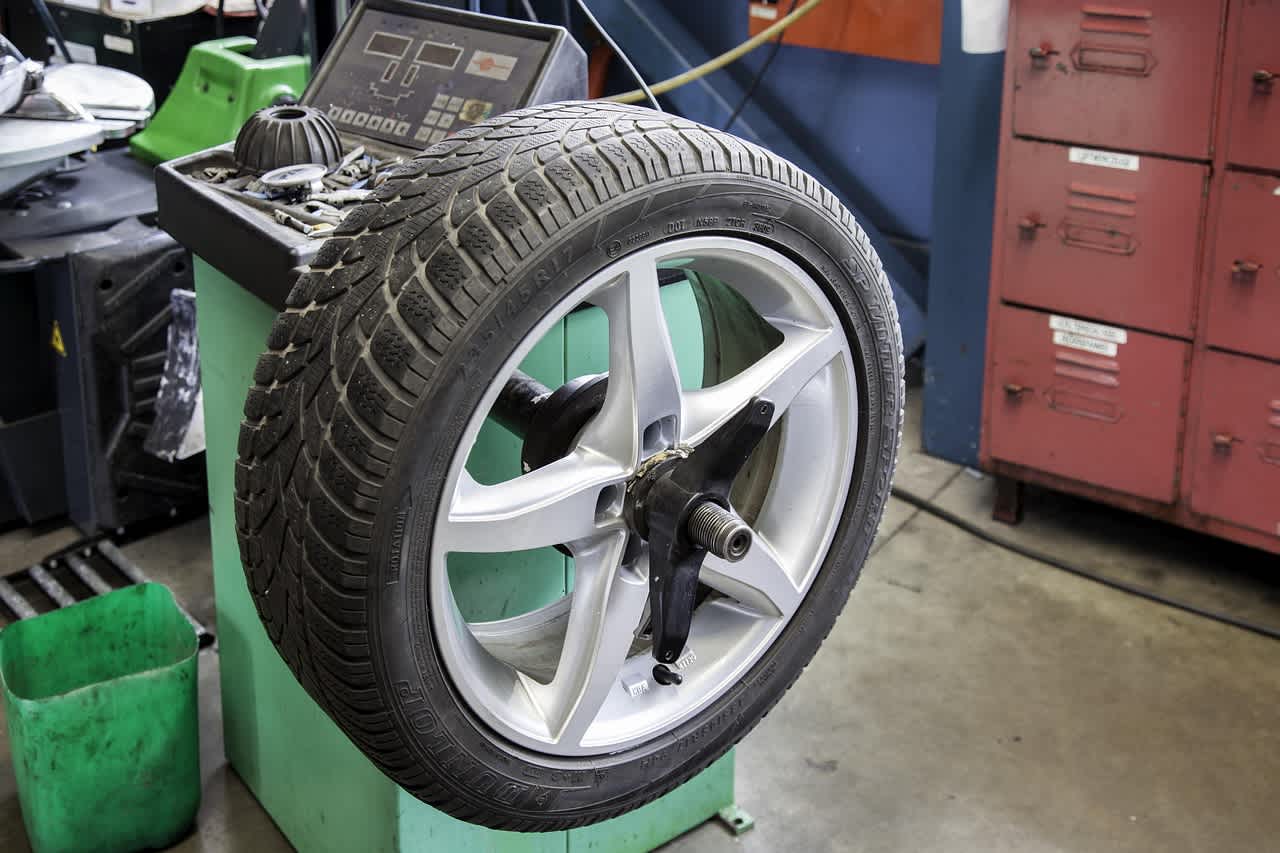
Balancing Wheels
Imbalanced wheels cause vibrations and noise while driving. Balancing fixes this by adding small weights.
Visit a mechanic to balance your wheels. Balanced wheels improve tire life and reduce noise.
- Wheel balancing uses a machine to find heavy spots
- Weights are added to balance the wheel
- Balance wheels every time you get new tires
When To Seek Professional Help
Tire noise can be annoying and may signal a bigger issue. Knowing when to consult an expert is crucial for safety.
Consulting a professional can save you money and prevent accidents. Look for persistent noises or handling problems.
Persistent Noise Issues
If noise continues after checking basic causes, seek expert help. Persistent noise might indicate a serious issue.
Ignoring ongoing noise can lead to costly repairs. It could affect your car’s performance and safety.
- Unusual humming sounds
- Continuous thumping noises
- Consistent squealing
Suspension And Steering Checks
Tire noise can be linked to suspension or steering problems. Professionals can assess these systems accurately.
Suspension or steering issues can make driving unsafe. Early detection helps keep you and your car safe.
- Check for uneven tire wear
- Listen for clunking sounds
- Observe any steering vibration
Tire Replacement Advice
Worn-out tires can cause noise and danger. Professionals can tell if you need new tires.
Replacing tires improves safety and comfort. It also reduces noise and enhances your driving experience.
| Sign | Action |
| Visible cracks | Replace tires |
| Low tread depth | Consult a professional |
| Bulges on sidewalls | Immediate replacement |
Credit: simpletire.com
Preventing Future Tire Noise
Tire noise can be annoying and distracting while driving. It often comes from wear, road conditions, or wrong tires.
Preventing tire noise helps keep your ride smooth and quiet. Regular care and smart choices reduce noise problems.
Regular Maintenance Tips
Check your tires often for uneven wear or damage. Keep them properly inflated to avoid extra noise and wear.
Rotate your tires every 5,000 to 7,000 miles. This helps them wear evenly and reduces noise from one spot.
- Inspect tire tread depth regularly
- Keep tire pressure at recommended levels
- Balance tires to avoid vibration
- Align wheels to prevent uneven wear
- Replace damaged or worn tires promptly
Choosing The Right Tires
Pick tires that match your vehicle and driving style. Some tires are quieter by design than others.
Look for tires with a good tread pattern. Tires with large blocks or aggressive tread make more noise.
- Choose tires labeled as quiet or low-noise
- Avoid tires with deep or aggressive tread
- Consider all-season tires for smooth rides
- Match tire size to manufacturer recommendations
Driving Habits To Avoid Noise
How you drive can affect tire noise. Avoid fast turns and sudden stops that increase tire wear.
Drive at steady speeds and avoid rough roads when possible. This lowers tire noise and extends tire life.
- Slow down on gravel or rough surfaces
- Brake gently to reduce tire skidding
- Avoid sharp turns and quick lane changes
- Keep consistent speed on highways
Frequently Asked Questions
What Causes Unusual Tire Noise While Driving?
Unusual tire noise often results from uneven tire wear, misalignment, or damaged tread. Road surface and tire type also affect noise levels. Regular tire inspections help identify issues early and maintain smooth, quiet rides.
How Can I Diagnose Tire Noise Problems Myself?
Listen for specific sounds like humming, squealing, or thumping. Check tire tread for uneven wear and inspect air pressure. Use these clues to identify if tires need rotation, balancing, or professional inspection.
When Should I Consult A Mechanic For Tire Noise?
Consult a mechanic if tire noise persists after basic checks. Sudden, loud noises or vibrations during driving require immediate professional evaluation to prevent safety risks and costly repairs.
Can Tire Pressure Affect Noise Levels?
Yes, improper tire pressure can cause excessive road noise and uneven wear. Maintaining correct tire pressure improves comfort, safety, and reduces noise. Check pressure monthly and before long trips.
Conclusion
Tire noise can signal important issues with your car. Knowing how to spot these sounds helps you stay safe. Pay attention to changes while driving. Strange noises often mean you need a tire check. Fixing problems early saves money and stress.
Regular tire care keeps rides smooth and quiet. Stay alert and take action when needed. Your tires deserve good attention for better performance. Keep your car running well and enjoy every trip.







