
Have you ever felt a strange vibration or heard an unusual noise while driving? It might be your tires having flat spots.
These flat spots can cause discomfort, reduce your tire’s lifespan, and even affect your safety on the road. Knowing how to identify tire flat spots early can save you time, money, and hassle. You’ll learn simple signs to look for and easy steps to check your tires.
Keep reading to make sure your ride stays smooth and safe every time you hit the road.
Causes Of Tire Flat Spots
Tire flat spots happen when a tire’s surface becomes uneven. This affects how the tire rolls on the road.
Flat spots can cause vibrations and reduce tire life. Knowing what causes them can help you avoid damage.
Sudden Braking Effects
Sudden or hard braking can make tires lock up. When tires stop spinning and slide on the road, flat spots form.
This sliding scrapes the tire surface unevenly. It can cause noise and vibration while driving afterward.
Extended Vehicle Parking
Leaving a vehicle parked for a long time can cause flat spots. The weight of the car presses the tire in one place.
The tire shape changes where it touches the ground. This can make a flat spot that stays until the tire warms up.
Improper Tire Storage
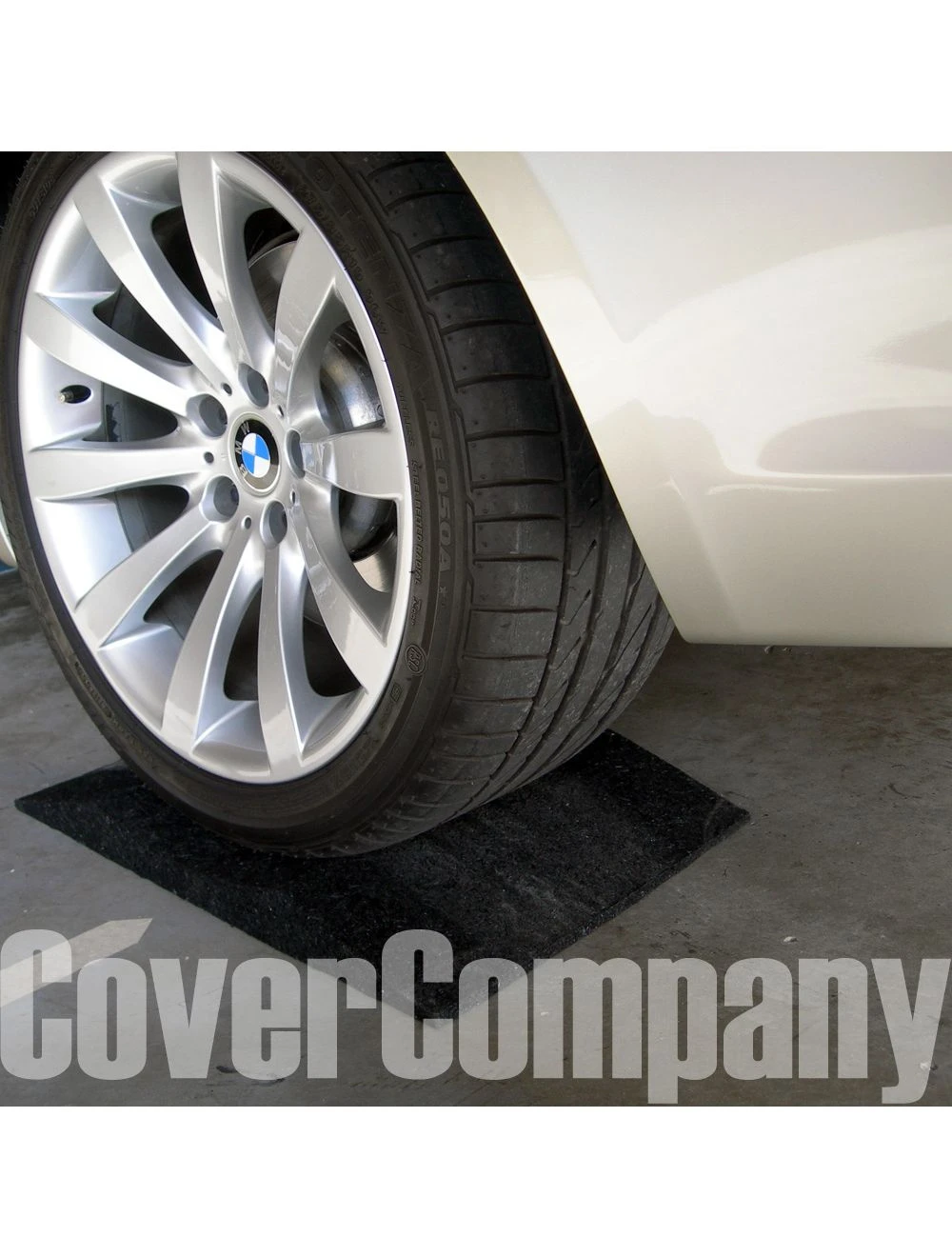
Storing tires the wrong way can lead to flat spots. Tires need to be stored off the ground and in a cool place.
Stacking tires or storing them under heavy objects causes pressure points. This pressure can deform the tire shape.
Credit: www.cover-company.com
Signs Of Tire Flat Spots
Tire flat spots happen when a tire stays in one position for a long time. This can cause part of the tire to become flat.
Flat spots affect how the tire rolls and can make driving unsafe. You can spot flat spots by paying attention to certain signs.
Vibrations While Driving
One common sign of flat spots is a vibration felt in the steering wheel or seat. The vibration usually happens at certain speeds.
This happens because the flat spot changes how the tire touches the road. The tire may hit the road unevenly as it spins.
Uneven Tire Wear Patterns
Flat spots cause uneven wear on the tire surface. You may notice some parts of the tire are more worn out than others.
Look closely at the tread. If you see patches that look different from the rest, flat spots might be the reason.
- Check the tire tread depth in multiple places
- Look for areas that are smooth or thin
- Compare wear on all tires for differences
Visible Tire Surface Damage
You can sometimes see flat spots directly on the tire. These appear as flat or shiny areas on the tread.
Flat spots may also look like scuffed or worn patches. Check your tires carefully for any unusual marks or damage.
Tools To Detect Flat Spots
Flat spots on tires can cause uneven rides and damage. Using the right tools helps find these flat spots early. This guide explains common tools to detect them.
Detecting flat spots early keeps your tires safe and your driving smooth. Let’s look at three main ways to check for flat spots on tires.
Tire Pressure Monitoring Systems
Tire Pressure Monitoring Systems (TPMS) alert drivers when tire pressure is low. Low pressure can cause flat spots to form over time. TPMS helps by showing pressure changes quickly.
- Monitors tire pressure in real-time
- Alerts when pressure drops below safe levels
- Helps prevent tire damage and flat spots
Visual Inspection Techniques
Visual checks help find flat spots by looking for unusual tire marks or shapes. Flat spots may appear as worn patches or uneven tread wear on the tire surface.
| Signs of Flat Spots | What to Look For |
| Uneven Tread | Worn patches on tire surface |
| Flat Areas | Sections that look flattened or smooth |
| Noise While Driving | Thumping or vibration sounds |
Professional Diagnostic Equipment
Experts use special machines to find flat spots that are hard to see. These tools measure tire balance and roundness with high accuracy.
Common professional equipment includes:
- Tire balancers that detect heavy spots
- Runout gauges measuring tire roundness
- Laser sensors for detailed tire scanning

Credit: www.familyhandyman.com
Preventing Tire Flat Spots
Tire flat spots happen when tires stay still too long in one position. The part touching the ground becomes flat and hard. This can make driving unsafe and uncomfortable.
Preventing flat spots helps keep your tires smooth and your ride safe. You can do this with a few easy habits.
Proper Parking Practices
Always park your vehicle on a flat, clean surface. Avoid parking on rough or hot pavement for long times. Use tire cradles or blocks to reduce pressure on one spot. If possible, move your vehicle a little every few days. This helps change the tire’s contact area and avoids flat spots.
Regular Tire Rotation
Rotating tires spreads wear evenly and prevents flat spots from forming. Follow a rotation schedule based on your car’s manual. Rotate tires every 5,000 to 7,000 miles to keep them balanced.
- Front tires go to the back
- Back tires go to the front
- Switch left and right sides if recommended
Maintaining Correct Tire Pressure
| Tire Pressure Tip | Why It Helps |
| Check pressure monthly | Keeps tire shape firm and stable |
| Use a reliable pressure gauge | Ensures accurate measurements |
| Inflate to manufacturer’s recommended level | Prevents over or under inflation |
| Adjust pressure for heavy loads | Reduces uneven wear and flat spots |
When To Replace Tires
Tire flat spots happen when tires stop rolling and stay still for a long time. This causes a flat area on the tire surface.
Knowing when to replace tires with flat spots keeps your car safe. Flat spots can affect driving and tire life.
Assessing Severity Of Flat Spots
Check how big and deep the flat spots are on your tires. Small flat spots may smooth out after driving.
Large or hard flat spots cause vibration and noise. These need tire replacement to avoid accidents.
- Small flat spots: minor and often fix by driving
- Medium flat spots: cause some vibration, watch closely
- Large flat spots: cause strong vibration, replace tire
Risks Of Driving On Flat-spotted Tires
Flat spots make your ride bumpy and noisy. This can reduce comfort and control while driving.
Driving on flat-spotted tires may damage suspension parts. It also increases the risk of tire blowouts.
- Increased vibrations hurt vehicle parts
- Reduced traction can cause slipping
- Higher chance of sudden tire failure
Consulting Tire Specialists
Tire experts can check flat spots and advise if replacement is needed. They use tools to measure tire damage.
Specialists also recommend the best tires for your driving needs and conditions. Always get their advice for safety.
Credit: www.michelin.ca
Frequently Asked Questions
What Causes Tire Flat Spots On Vehicles?
Tire flat spots occur when a vehicle sits still for long periods. The tire pressure presses the tire’s contact patch flat against the ground. This constant pressure deforms the tire’s shape, causing flat areas to develop on the tread.
How Can I Visually Identify Tire Flat Spots?
Look for uneven, flat patches on the tire surface. The affected area may appear worn or discolored. Tires may also produce vibrations or noise while driving, signaling flat spots.
Can Tire Flat Spots Affect Vehicle Safety?
Yes, flat spots reduce tire grip and cause vibrations. This leads to poor handling and increased stopping distances. Driving with flat-spotted tires can compromise safety, especially at high speeds.
How To Prevent Tire Flat Spots During Storage?
Inflate tires to the recommended pressure before storage. Use tire cradles or rotate the vehicle periodically. Storing the vehicle on jack stands also helps prevent flat spots.
Conclusion
Flat spots on tires affect your ride and safety. Check your tires often for any unusual marks or bumps. Catching flat spots early helps avoid bigger problems later. Keep your vehicle parked on soft surfaces when possible. Rotate your tires regularly to prevent uneven wear.
Proper care extends tire life and keeps driving smooth. Stay alert to how your car feels while driving. Small changes can point to flat spots forming. Taking simple steps protects your tires and your journey.







