
Have you ever noticed unwanted paint splatters ruining your car’s flawless finish? It’s frustrating, isn’t it?
You want your vehicle to look its best, but those stubborn paint spots just won’t come off. Don’t worry—you’re not alone, and there’s a way to fix it. You’ll discover simple, effective methods to get car paint off without damaging your car’s surface.
Keep reading, and you’ll learn how to restore your car’s shine quickly and safely.
Identify The Paint Type
Removing car paint requires knowing what kind of paint is on the surface. Different paints need different cleaning methods. Identifying the paint type helps you pick the best way to remove it safely.
Start by examining the paint carefully. Look at how it sits on the car’s surface and how it was applied. This information guides your next steps in removal.
Check For Spray Or Drip Paint
Spray paint usually forms a smooth, even layer. Drip paint has uneven spots or runs where the paint dropped. Checking this helps you understand how the paint was applied.
- Look for smooth, flat areas with no texture – likely spray paint.
- Spot any paint runs or thick drops – likely drip paint.
- Observe if paint covers the edges cleanly or has splashes beyond the main area.
- Check the paint color for uniformity; spray paint is usually consistent.
Test Paint Adhesion
Testing paint adhesion shows how strongly the paint sticks to the car. This helps decide what tools or chemicals to use for removal without hurting the car’s original paint.
| Test Method | What to Look For | What It Means |
|---|---|---|
| Press tape firmly on paint | Does paint peel off with tape? | Peeling means weak adhesion; paint may come off easily. |
| Scratch lightly with fingernail | Is paint soft or hard to scratch? | Soft paint is easier to remove; hard paint needs stronger methods. |
| Rub paint with cloth and solvent | Does paint dissolve or smear? | Dissolving paint reacts to chemicals; smearing paint needs gentle cleaning. |

Credit: www.youtube.com
Gather Essential Supplies
Removing car paint requires the right tools and materials. Gathering supplies before starting saves time.
Use safe products and proper gear to protect yourself and your car’s surface.
Choose The Right Cleaning Agents
Select cleaning agents made for car surfaces. Avoid harsh chemicals that can damage paint.
Some common cleaning agents work well to remove unwanted paint spots.
- Automotive bug and tar remover
- Rubbing alcohol or isopropyl alcohol
- Clay bar kits designed for cars
- Non-abrasive automotive polish
- Warm, soapy water for cleaning
Prepare Protective Gear
Wear protective gear to keep yourself safe from chemicals and debris. This prevents skin and eye irritation.
Use the right safety equipment before starting the paint removal process.
- Rubber or latex gloves to protect hands
- Safety goggles to shield eyes
- Long-sleeve shirt to cover arms
- Face mask if using strong chemicals
- Soft cloths for applying agents
Use Homemade Solutions
Removing car paint spots can be simple with items from your home. These solutions are gentle and easy to use.
They help clean without harming your car’s finish. Try these safe homemade ways first.
Apply Baking Soda Paste
Baking soda is a mild abrasive that can lift paint spots. Mix it with water to make a paste.
Apply the paste gently on the paint spot using a soft cloth. Rub in small circles to avoid scratches.
- Mix 2 parts baking soda with 1 part water
- Use a soft cloth to apply the paste
- Rub gently in circular motions
- Rinse with clean water and dry
Try Vinegar And Water Mix
Vinegar can dissolve paint residue safely. Mix equal parts vinegar and water in a spray bottle.
Spray the solution on the paint spot and let it sit for a few minutes. Wipe off with a clean cloth.
- Mix 1 cup vinegar with 1 cup water
- Spray on the affected area
- Wait 3 to 5 minutes before wiping
- Rinse and dry the surface

Credit: www.reddit.com
Apply Commercial Removers
Removing car paint can be tricky. Commercial removers make it easier. They help dissolve paint without damaging your car.
Using the right product is crucial. It saves time and protects your car’s surface.
Select Safe Paint Removers
Choose a remover safe for your car’s material. Read labels carefully to ensure compatibility.
Check if the remover is suitable for the type of paint. Some removers work best on certain paint types.
- Test on a small area first
- Check for any adverse reactions
- Use products designed for automotive use
Follow Application Instructions
Read the instructions before applying the remover. Follow the steps closely for best results.
Apply the remover evenly on the affected area. Use a soft cloth or brush for application.
- Wear gloves to protect your hands
- Avoid contact with your skin
- Work in a well-ventilated area
Try Mechanical Methods
Removing car paint can be done with mechanical methods. These methods use physical tools to take off the paint.
Mechanical methods are effective for small paint spots. They need care to avoid damage to the car’s surface.
Use Clay Bars
Clay bars help remove paint overspray and dirt from your car’s surface. They work by gently pulling off particles.
To use a clay bar, first wash the car. Then spray a lubricant on the area and rub the clay bar gently.
- Wash and dry the car
- Spray lubricant on the paint spot
- Rub the clay bar in a back-and-forth motion
- Wipe the area with a microfiber cloth
Light Sanding Techniques
Light sanding can remove stubborn paint spots. Use fine-grit sandpaper to avoid scratching the car.
Sand the affected area gently and evenly. Always keep the surface wet to reduce heat and damage.
- Choose 1500 to 2000 grit sandpaper
- Wet the sandpaper and the car surface
- Sand gently in circular motions
- Rinse and dry the area after sanding
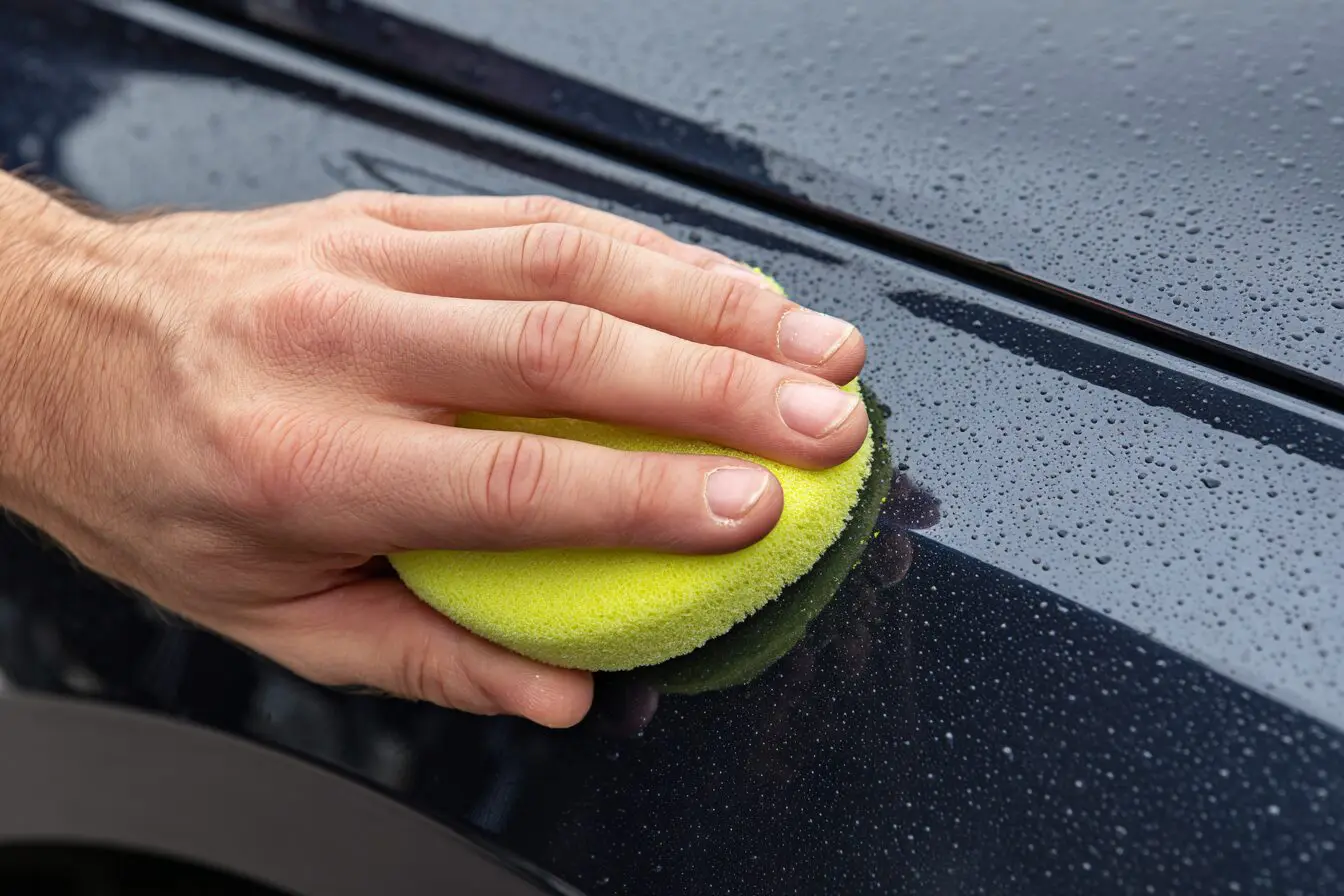
Credit: ehowtoget.com
Wash And Dry The Area
Removing car paint from surfaces starts with cleaning the affected area. Dirt and grime can cause scratches if not washed away first.
After washing, drying the surface properly helps prevent water spots and prepares it for further cleaning steps.
Use Car Wash Soap
Use a gentle car wash soap to clean the area. Avoid household soaps as they can damage the paint or finish.
- Mix car wash soap with water according to instructions
- Use a soft sponge or mitt to apply the soap mixture
- Gently scrub the affected area to remove dirt and paint residues
- Rinse thoroughly with clean water
Dry With Microfiber Cloth
Dry the area using a clean microfiber cloth. This type of cloth reduces the risk of scratching the surface.
| Drying Tips |
| Use light pressure when wiping |
| Blot excess water instead of rubbing hard |
| Use a fresh cloth if the first gets too wet |
| Dry in a shaded area to avoid spots |
Polish For A Shine
Removing car paint marks can leave your car’s surface dull. Using polish helps restore the shine.
Polish smooths the surface and brings back the car’s original gloss.
Choose Suitable Polish
Select a polish that fits your car’s paint type. Some polishes work better on clear coats.
Use a mild polish for light marks. Use a stronger polish for deeper scratches.
- Check the polish label for your paint type
- Use non-abrasive polish for delicate paint
- Choose polish with UV protection if possible
- Avoid harsh chemicals that can damage paint
Apply With Circular Motions
Use a soft cloth or applicator pad to apply polish. Work in small sections at a time.
Rub the polish in gentle circles. This helps spread it evenly and lifts paint marks.
- Apply moderate pressure without pressing too hard
- Keep moving in circular motions for best results
- Buff off excess polish with a clean microfiber cloth
- Repeat if needed for stubborn paint marks
Protect With Wax
Car paint can be tough to remove. Waxing your car helps shield the paint. It acts as a protective layer.
Using car wax reduces the risk of damage. A good wax can make paint removal easier.
Select Quality Car Wax
Choosing the right car wax is important. Look for wax that lasts long. It should provide a smooth finish.
Check for wax that offers UV protection. This helps in keeping your car’s paint safe from the sun.
- Long-lasting wax
- UV protection
- Easy application
Apply And Buff
Apply wax to your car in small sections. Use a soft cloth or applicator pad.
Buff the wax gently to a shine. This removes excess wax and leaves a smooth surface.
Prevent Future Paint Stains
Removing car paint stains is important, but stopping them from happening again is better. Taking simple steps helps keep your car clean and protected.
Preventing paint stains saves time and effort. It also keeps your car looking new for longer.
Park In Covered Areas
Parking in covered areas protects your car from paint splashes and spills. It also shields your car from dirt and dust that cause stains.
Covered parking reduces the chance of paint chips from nearby cars or falling objects. It is an easy way to keep your car’s paint safe.
Regular Car Maintenance
Cleaning your car regularly helps remove paint stains before they set. Use gentle car wash products that do not harm the paint.
Waxing your car creates a protective layer. This layer stops paint stains from sticking and makes cleaning easier.
- Wash your car every two weeks
- Use soft cloths or sponges
- Apply wax every three months
- Check for paint chips and fix them quickly
Frequently Asked Questions
How Can I Safely Remove Car Paint From Surfaces?
Use a commercial paint remover designed for cars. Apply gently with a soft cloth. Avoid harsh scrubbing to prevent damage.
What Household Items Remove Car Paint Effectively?
Rubbing alcohol or acetone can work. Test on a small area first. Use sparingly to avoid surface harm.
Can Car Paint Be Removed Without Damaging The Original Paint?
Yes, by using gentle, non-abrasive methods like clay bars or specialized removers. Always follow product instructions carefully.
How Long Does It Take To Remove Car Paint Stains?
It usually takes 10 to 30 minutes depending on the paint type and removal method used.
Conclusion
Removing car paint requires patience and the right tools. Start gently to avoid damage. Use safe products made for cars. Clean the area well after removal. Small spots need careful attention. Take your time for the best results. Protect your car’s surface afterward.
Regular care keeps your car looking good. You can handle paint removal with simple steps. Stay calm and work carefully to restore your car’s finish.







