
Have you noticed a strange bulge on your tire? This is not just an eyesore—it’s a serious safety risk.
Ignoring a tire bulge can lead to sudden blowouts, putting you and your passengers in danger. But don’t worry, you’re in the right place to learn how to fix this problem quickly and effectively. You’ll discover simple steps to identify, understand, and address tire bulges so you can get back on the road with confidence.
Keep reading to protect yourself and your vehicle before it’s too late.

Credit: www.reddit.com
Identifying Tire Bulges
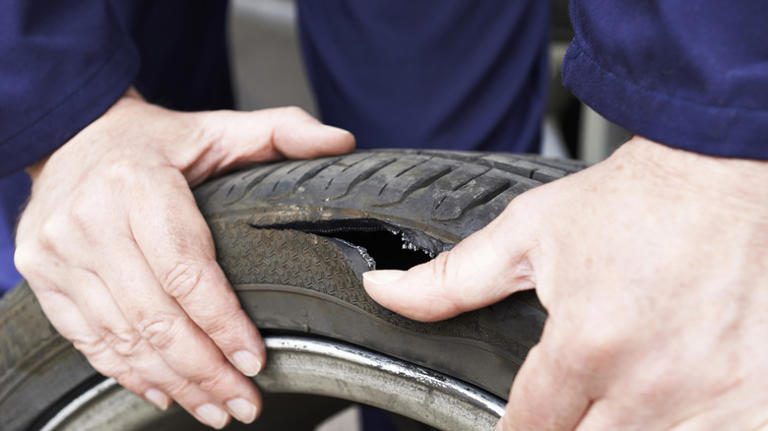
Tire bulges are bumps that appear on the tire surface. They signal internal damage that can be dangerous. Spotting bulges early helps keep you safe on the road.
This guide explains common types of bulges, their causes, and signs to watch for. Learn how to check your tires properly.
Types Of Bulges
Tire bulges come in different forms. Each type shows a different kind of damage inside the tire.
- Sidewall Bulges:These appear on the tire side and look like soft bubbles.
- Tread Bulges:Bulges on the tread surface that can affect driving safety.
- Bead Bulges:Found near the tire edge where it meets the wheel rim.
Common Causes
Understanding what causes tire bulges helps in prevention and early detection.
| Cause | Description |
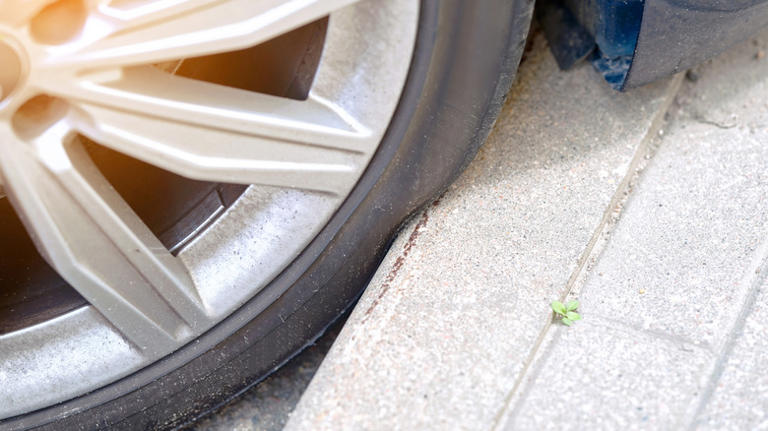
| Impact Damage | Hitting potholes or curbs can break tire cords. |
| Manufacturing Defects | Weak spots made during tire production. |
| Over or Under Inflation | Wrong air pressure stresses the tire walls. |
| Age and Wear | Old tires lose strength and develop bulges. |
Signs To Watch For
Look closely at your tires for these signs. They indicate bulges or related damage.
- Visible bumps or bubbles on the tire surface.
- Uneven tire wear or bald spots.
- Vibrations or wobbling when driving.
- Sudden loss of air pressure without a puncture.
- Cracks near the bulge area.
Credit: www.msn.com
Risks Of Driving With Bulges
Tire bulges are dangerous signs of tire damage. They happen when the tire’s inner layers break or weaken.
Driving with bulges can cause serious problems for you and your vehicle. It is important to understand the risks.
Safety Hazards
A bulge in a tire weakens its structure. This can lead to sudden tire failure on the road.
- Bulges increase the chance of tire blowouts while driving.
- Sudden blowouts can cause loss of vehicle control.
- Loss of control raises the risk of accidents and injuries.
- Bulged tires reduce the tire’s ability to grip the road.
- Poor grip affects braking and steering performance.
Potential Damage To Vehicle
Driving with tire bulges not only risks safety but also harms your vehicle’s parts.
| Damage Type | Effect |
| Suspension | Increased stress from uneven tire wear |
| Wheel Alignment | Misalignment causing uneven tire pressure |
| Steering System | Harder to steer, causing wear on steering components |
| Fuel Efficiency | Bulged tires cause drag, lowering gas mileage |
Inspecting Your Tires
Tire bulges are a safety concern that needs quick attention. Checking your tires regularly helps find bulges early.
Inspecting tires takes only a few minutes. Knowing what to look for can prevent accidents.
Visual Checks
Look closely at your tires for any unusual bumps or bulges. These often appear on the sidewall or tread area.
Also, check for cuts, cracks, or uneven wear. Bulges may be caused by internal damage to the tire.
- Stand in good light to see the tire clearly
- Run your hand along the tire surface to feel bumps
- Look for discoloration or soft spots on the tire
- Check both inner and outer sides of the tire
Using Tools For Inspection
Tire pressure gauges help check if tires hold correct air pressure. Low pressure can cause bulges.
A tire depth gauge measures tread wear. Worn tires are more prone to damage and bulges.
- Use a pressure gauge to check tire pressure monthly
- Use a tread depth gauge to ensure safe tread depth
- Keep a flashlight handy to inspect tire interiors
- Consider professional tools for detailed inspection
Credit: www.msn.com
Temporary Fixes For Bulges
Tire bulges are signs of damage and can be dangerous. You should fix them quickly to stay safe. Temporary fixes help you drive short distances to a repair shop.
This guide shows safe ways to handle tire bulges until you get a permanent fix.
Safe Driving Tips
Driving with a tire bulge needs care to avoid accidents. Follow these tips to drive safely for a short time.
- Drive slowly and avoid high speeds.
- Keep the tire pressure at the recommended level.
- Avoid sharp turns and sudden stops.
- Do not overload your vehicle.
- Check the bulge often for changes.
Using Tire Sealants
Tire sealants can stop small leaks near a bulge. They are not a permanent fix but can help in emergencies.
| Sealant Type | Use Case | Limitations |
| Liquid Sealant | Small punctures and slow leaks | Not for large bulges or sidewall damage |
| Foam Sealant | Temporary air retention | May affect tire balance |
Permanent Solutions
Tire bulges are a serious safety concern. They happen when the tire’s sidewall weakens. You need to fix this problem to avoid accidents.
Permanent solutions focus on replacing or repairing the tire properly. This ensures your vehicle stays safe on the road.
When To Replace Tires
If you see a bulge on your tire, replacement is often the safest choice. Bulges mean the tire structure is damaged.
- Replace tires immediately if the bulge is large or growing.
- Do not drive long distances with a bulging tire.
- Check for other damage like cuts or cracks on the tire.
- Use tires that match your vehicle’s size and speed rating.
Professional Repair Options
Only trained technicians should repair tires with minor damage. They have the right tools and skills.
| Repair Type | Description | Use Case |
| Patch | Seals punctures from inside the tire | Small holes on the tread area |
| Plug | Fills punctures from outside | Small holes in the tread, not sidewalls |
| Combination Repair | Uses both patch and plug | For more secure sealing of tread punctures |
| Sidewall Damage | No repair; tire must be replaced | Bulges or cuts on sidewall |
Never try to fix a bulge yourself. Sidewall damage cannot be safely repaired. Professional advice is crucial.
Preventing Future Tire Bulges
Tire bulges can cause serious safety issues. It’s important to know how to prevent them. Simple steps can help keep your tires in top condition.
Proper care and attention can save you from unexpected tire problems. Let’s look at some effective ways to prevent tire bulges.
Proper Inflation Techniques
Keeping your tires properly inflated is crucial. Check your tire pressure regularly to avoid bulges. Use a reliable gauge to measure the pressure.
Follow the manufacturer’s recommended pressure levels. This information is usually found on the driver’s side door or in the owner’s manual.
- Check tire pressure monthly
- Adjust pressure when tires are cold
- Use a quality tire gauge
Regular Tire Maintenance
Regular maintenance helps prevent tire bulges. Rotate your tires every 5,000 to 8,000 miles. This ensures even wear and extends tire life.
Inspect your tires for cuts, cracks, or uneven wear. Address any issues promptly to keep your tires safe and reliable.
- Rotate tires regularly
- Check for visible damage
- Balance tires when needed
Avoiding Road Hazards
Avoiding road hazards can prevent tire bulges. Steer clear of potholes and debris on the road. Drive cautiously over rough surfaces.
If you hit a pothole, check your tires for damage. Acting quickly can prevent further problems and ensure safety.
- Watch for potholes
- Avoid road debris
- Drive slowly on rough roads
Frequently Asked Questions
What Causes Tire Bulges On Car Tires?
Tire bulges happen due to impact damage, such as hitting potholes or curbs. This damages internal tire cords. Overloading tires or manufacturing defects can also cause bulges. Bulges indicate weakened tire structure and need immediate attention to avoid blowouts or accidents.
How Can I Safely Fix A Tire Bulge?
Tire bulges cannot be safely repaired. The best solution is to replace the tire immediately. Continuing to drive on a bulging tire risks sudden failure. Visit a professional tire shop to inspect and replace the damaged tire for safety.
Can Tire Bulges Be Prevented?
Yes, tire bulges can be prevented by avoiding potholes and rough roads. Maintain proper tire pressure and avoid overloading your vehicle. Regular tire inspections help detect early signs of damage. Using quality tires also reduces the risk of bulges forming.
How Dangerous Is Driving With A Tire Bulge?
Driving with a tire bulge is very dangerous. It weakens the tire’s structure and increases the risk of a blowout. A sudden blowout can cause loss of vehicle control and accidents. Replace bulging tires immediately to ensure road safety.
Conclusion
Tire bulges can cause serious safety problems. Always check your tires often for any signs of damage. Fixing or replacing a bulging tire keeps you safe on the road. Don’t wait until the bulge gets worse or causes a blowout.
Taking quick action saves money and stress later. Keep your tires properly inflated and balanced to avoid bulges. Stay alert and drive carefully to protect yourself and others. Safe tires mean safer journeys every time.







