
Your ABS light just turned on, and now you’re wondering what to do next. It’s easy to feel worried when that warning light pops up on your dashboard.
But don’t panic—fixing the ABS light doesn’t have to be complicated or expensive. You’ll discover simple steps you can take right now to understand why the light is on and how to fix it. Keep reading, and you’ll be back on the road with confidence in no time.
Common Causes Of Abs Light
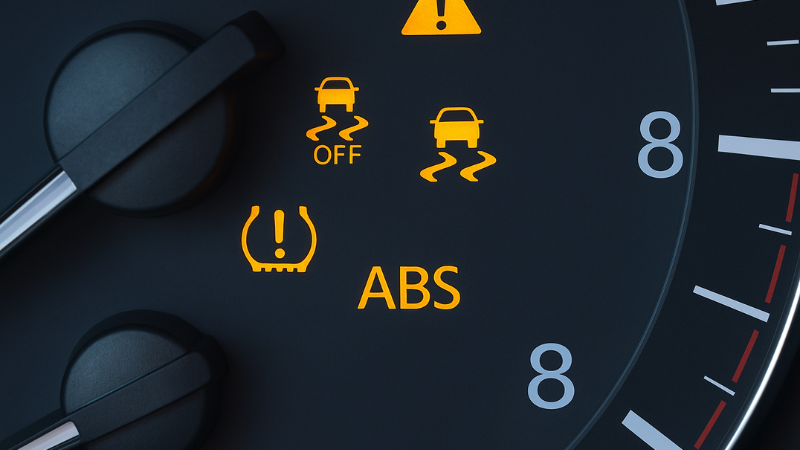
The ABS light on a car dashboard warns about problems with the anti-lock braking system. This system helps keep your car from skidding during sudden stops.
When the ABS light turns on, it means the system needs attention. Here are common reasons why this light may appear.
Faulty Wheel Speed Sensors
Wheel speed sensors send information about wheel rotation to the ABS system. Dirt, damage, or wiring issues can cause these sensors to fail.
Faulty sensors may cause the ABS light to come on and affect braking performance.
Damaged Abs Module
The ABS module controls the system by processing signals from sensors. Damage or corrosion can stop it from working properly.
Sometimes moisture or electrical faults cause the module to fail, triggering the ABS light.
Low Brake Fluid Levels
Brake fluid is essential for the braking system to work well. Low fluid can cause the ABS light to turn on.
- Check the brake fluid reservoir regularly.
- Refill with the right type of brake fluid as needed.
- Look for leaks that may reduce fluid levels.
Blown Abs Fuse
The ABS system has a fuse to protect its electrical parts. A blown fuse stops the ABS from working and lights up the warning.
Replacing the fuse often fixes this issue quickly.
Worn Brake Pads
Brake pads wear out over time and affect braking power. Some cars link worn pads to the ABS system, which can trigger the light.
| Symptom | Effect on ABS Light |
| Severely worn pads | ABS light may turn on |
| Brake noise or vibration | Possible ABS warning |
| Normal pad wear | No ABS light |

Credit: www.youtube.com
Tools Needed For Abs Light Diagnosis
The ABS light on your car signals a problem with the anti-lock braking system. To find the issue, you need the right tools. These tools help check the ABS system safely and accurately.
Using proper tools saves time and prevents damage. Below are the essential tools for diagnosing the ABS light.
Obd-ii Scanner
An OBD-II scanner reads trouble codes from your car’s computer. It identifies ABS faults by showing error codes. This tool plugs into the car’s OBD port under the dashboard.
Some scanners show live data like wheel speed and sensor signals. This helps pinpoint the ABS problem faster.
Multimeter
A multimeter measures electrical values like voltage, resistance, and continuity. Use it to test ABS sensors and wiring for faults or breaks.
- Check sensor resistance to see if it matches specifications
- Test wiring for open or short circuits
- Measure voltage at sensor connectors
Brake Fluid Tester
A brake fluid tester checks the quality of your brake fluid. Old or contaminated fluid can cause ABS issues. This tool tests moisture content in the fluid.
| Brake Fluid Condition | Moisture % | Action |
| Good | Below 3% | No change needed |
| Acceptable | 3% to 4% | Plan fluid change soon |
| Poor | Above 4% | Replace brake fluid immediately |
Basic Hand Tools
Basic hand tools help access ABS components during diagnosis. These include:
- Screwdrivers for removing panels
- Socket set to loosen bolts
- Pliers for gripping and pulling wires
- Flashlight to see in tight spaces
Step-by-step Abs Light Reset
The ABS light on your car dashboard shows there is a problem with the anti-lock braking system. Fixing it quickly helps keep your brakes safe. You can reset the ABS light yourself by following some simple steps.
This guide explains how to check brake fluid, clean sensors, reset the fuse, and clear error codes. Each step helps find and fix the cause of the ABS light.
Check And Refill Brake Fluid
Low brake fluid can trigger the ABS light. Open the hood and find the brake fluid reservoir. Check the fluid level against the marks on the container.
If the fluid is low, refill it with the correct type shown in your car manual. Do not overfill. After refilling, close the reservoir tightly and check if the ABS light goes off.
Inspect And Clean Wheel Sensors
Wheel sensors can get dirty or damaged, causing the ABS light to turn on. Locate each wheel sensor near the brakes. Look for dirt, mud, or metal debris on the sensor and its ring.
Use a soft brush or cloth to clean the sensors gently. Avoid using strong chemicals. Check sensor wires for damage or loose connections. Fix any issues before testing the ABS light again.
Reset Abs Fuse
The ABS fuse controls power to the ABS system. Locate the fuse box in your car, usually under the dashboard or hood. Find the ABS fuse by checking the fuse box cover or owner’s manual.
Remove the ABS fuse carefully and wait for about 10 seconds. Reinstall the fuse and start your car. This action can reset the ABS system and turn off the light if the fuse was the problem.
Use Obd-ii Scanner To Clear Codes
An OBD-II scanner reads error codes from your car’s computer. Plug the scanner into the OBD-II port, usually under the dashboard. Turn the ignition on but do not start the engine.
Use the scanner to read ABS-related codes. Write down the codes if you want to research them later. Use the scanner’s option to clear or reset the codes. This can turn off the ABS light.
Credit: carlightvision.com
When To Replace Abs Components
The ABS light on your car means there is a problem with the braking system. Ignoring this light can be dangerous. Knowing when to replace ABS parts helps keep your car safe.
ABS parts like the module, wheel speed sensors, or brake pads can wear out or fail. You should replace these parts if they cause the ABS light to stay on or affect braking.
Signs Of A Faulty Abs Module
The ABS module controls the anti-lock braking system. If it fails, the ABS light will turn on. You may feel the brakes lock up or act strangely.
Other signs include the brake pedal feeling soft or hard and the ABS not working in slippery conditions. If you see these, test the module and replace it if needed.
- ABS light stays on
- Brake pedal feels odd
- Brakes lock during stops
- ABS does not activate on slippery roads
Replacing Wheel Speed Sensors
Wheel speed sensors send information to the ABS module. Dirt, damage, or wiring problems can make sensors fail. This causes the ABS light to come on.
Replace sensors if they are cracked, broken, or do not send the right signals. Clean the sensor area before installing a new sensor for best results.
- Look for cracked or damaged sensors
- Check wiring for breaks or corrosion
- Clean sensor mounting area
- Install new sensor and test ABS light
Brake Pad Replacement Tips
Brake pads wear down over time and affect braking. Worn pads may cause the ABS light to come on if the system detects poor brake performance.
Replace brake pads before they get too thin. Use quality pads and check the rotors for damage when you replace them. Proper brake maintenance keeps the ABS working well.
- Check brake pad thickness regularly
- Replace pads if less than 3mm thick
- Inspect brake rotors for grooves or cracks
- Use recommended brake pad types for your car
Preventive Measures For Abs Issues
The ABS light on your car dashboard warns about problems in the anti-lock brake system. Fixing it early can keep you safe and save money.
Preventive care helps avoid ABS light issues. Simple steps can keep your brakes working well and your ABS system healthy.
Regular Brake System Maintenance
Check your brake pads, discs, and lines often. Worn parts can cause ABS problems. Replace brake pads if they are thin or damaged.
- Inspect brake pads and discs every 10,000 miles.
- Listen for squeaking or grinding noises.
- Replace worn or damaged parts immediately.
- Have a mechanic check brake lines for leaks.
- Test brakes regularly for proper function.
Keeping Sensors Clean
ABS sensors detect wheel speed. Dirt or debris on sensors can cause wrong readings and trigger the ABS light. Clean sensors gently with a soft cloth.
| Sensor Area | Cleaning Tips |
|---|---|
| Wheel Hubs | Remove dirt and rust with a brush |
| Sensor Rings | Wipe carefully without scratching |
| Sensor Connectors | Check for corrosion and clean contacts |
Monitoring Brake Fluid Levels
Brake fluid is vital for the ABS system to work well. Low fluid can cause ABS failure and light alerts. Check fluid levels monthly to avoid issues.
- Locate the brake fluid reservoir under the hood.
- Check the fluid level against the marks on the container.
- Add the correct brake fluid type if the level is low.
- Replace brake fluid every two years or as recommended.
- Look for leaks around brake lines and fittings.

Credit: www.youtube.com
Frequently Asked Questions
What Causes The Abs Light To Turn On?
The ABS light usually comes on due to faulty wheel sensors, low brake fluid, or a damaged ABS module. It indicates an issue with the anti-lock braking system that needs inspection.
How Can I Reset The Abs Light On My Car?
You can reset the ABS light by using an OBD-II scanner to clear error codes. Sometimes, disconnecting the battery for a few minutes may also reset the system.
Is It Safe To Drive With The Abs Light On?
Driving is possible but not recommended. The ABS system may not function during emergency braking, increasing the risk of wheel lockup and accidents.
How Do I Check The Abs Sensor Condition?
Inspect the ABS sensors for dirt, damage, or loose connections. Use a multimeter to test sensor resistance and ensure it meets manufacturer specifications.
Conclusion
Fixing the ABS light keeps your car safe on the road. Start by checking the brake fluid and wheel sensors. Clean or replace parts if needed. Use a scanner to read error codes for guidance. Don’t ignore the warning light; it signals important brake issues.
Regular maintenance helps prevent ABS problems. Stay calm and follow these steps carefully. Drive with confidence and keep your brakes in good shape. Safety always comes first.







