
Are you worried someone might be tracking your car without your permission? Finding a hidden GPS tracker on your vehicle can feel tricky, but it doesn’t have to be.
You’ll discover simple, step-by-step ways to locate any GPS device that could be attached to your car. By the end, you’ll know exactly what to look for and how to protect your privacy. Keep reading—your peace of mind is just a few minutes away.
Credit: spy-spot.com
Signs Of A Hidden Gps Tracker
Finding a hidden GPS tracker on your car can protect your privacy. Some signs may tell you if a tracker is present.
Look closely for unusual changes in your vehicle. These clues can help you spot a hidden device.
Unusual Battery Drain
A hidden GPS tracker often draws power from your car battery. You may notice your battery dying faster than usual.
- Car battery warning lights may appear
- Your vehicle might take longer to start
- Electrical devices may perform weakly
Unexpected Sounds
Some GPS trackers emit faint noises. These sounds can be heard when the car is quiet.
| Type of Sound | Possible Cause |
| Clicking | Tracker’s signal transmission |
| Buzzing | Active electronic device |
| Beeping | Low battery alert on tracker |
Changes In Vehicle Performance
A hidden GPS tracker may cause the car to behave oddly. Watch for any changes in how your vehicle drives.
- Engine may stall or hesitate
- Electrical systems might flicker
- Unexpected alerts on the dashboard

Credit: spacehawkgps.com
Common Gps Tracker Locations On Cars
GPS trackers are small devices that can be hidden in many parts of a car. Knowing where to look can help you find one if you suspect your vehicle has a tracker. These devices often have a power source and a clear signal path to satellites.
This guide covers common spots where GPS trackers are usually placed on cars. Each location has reasons for its popularity based on access and signal strength.
Under The Chassis
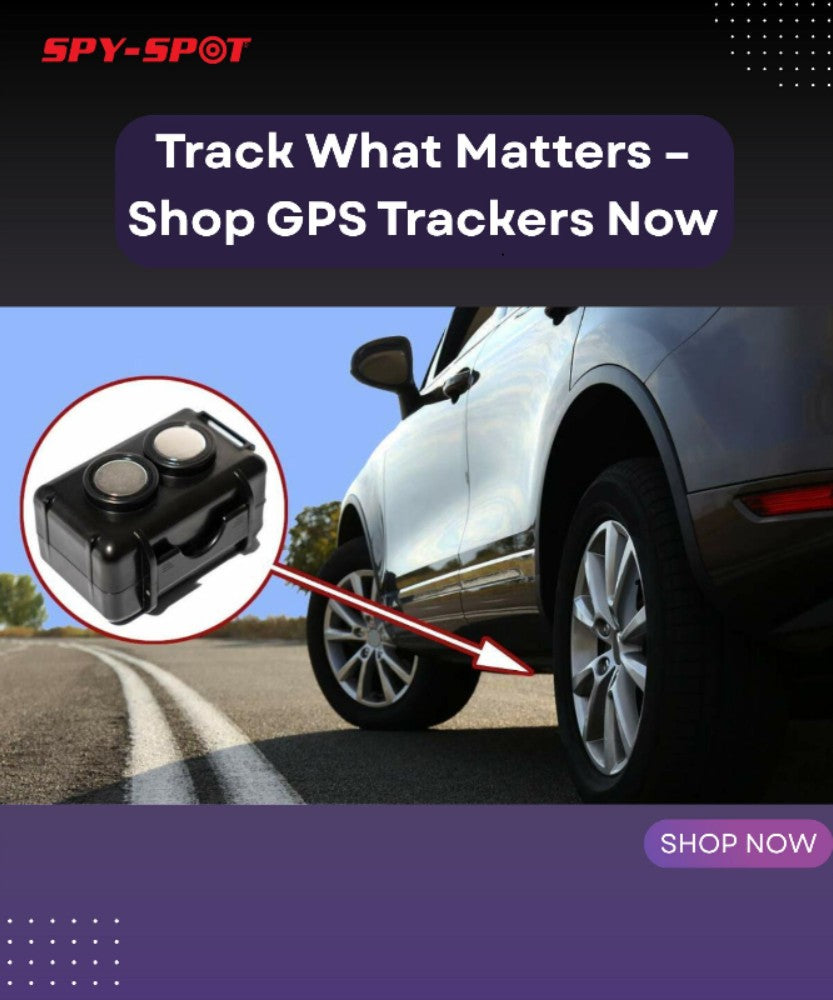
One of the most common places to hide a GPS tracker is under the car’s chassis. This area is less visible and offers a good space to attach a device. Trackers here are often magnetized to stick to metal parts.
- Look along the frame rails near the tires.
- Check close to the exhaust system for hidden devices.
- Use a flashlight to spot small boxes or wires.
Inside The Bumpers
Trackers can be hidden inside the front or rear bumpers. The plastic covers hide the device well, and the bumpers are easy to access. This spot keeps the tracker protected from water and dirt.
| Location | Advantages | Signs to Check |
| Front Bumper | Good satellite signal | Loose panels or screws |
| Rear Bumper | Hidden from view | Unusual weight or shape |
Underneath Seats
Inside the car, under the seats is a popular place for GPS trackers. This spot offers easy access to power from the car’s battery. The tracker can be taped or strapped under the seat frame.
Check these tips when looking under seats:
- Lift the seat and look for small boxes or wires.
- Feel for anything unusual under the carpet or seat rails.
- Inspect seat adjustment controls for hidden devices.
In The Engine Compartment
Some GPS trackers are placed in the engine compartment. This area has power sources and is less likely to be checked by owners. Trackers here must be heat resistant and well hidden.
- Look near the battery or fuse box.
- Check under plastic covers and near wiring harnesses.
- Be careful of hot surfaces and moving parts.
Tools To Detect Gps Trackers
Finding a GPS tracker on your car can protect your privacy and security. Different tools help you detect these hidden devices.
This guide covers three main tools: RF signal detectors, GPS tracker finder apps, and magnetometers with flashlights. Each tool works differently to locate trackers.
Rf Signal Detectors
RF signal detectors scan for radio frequencies that GPS trackers use to send data. These devices alert you when they detect signals from trackers nearby.
- Scan around your car slowly to catch signals.
- Check hidden spots like under the chassis or inside wheel wells.
- Use the detector’s signal strength meter to find the tracker’s exact location.
- Turn off other devices to avoid false signals.
Gps Tracker Finder Apps
Some smartphone apps help find GPS trackers by detecting unusual Bluetooth or cellular signals. These apps scan your car’s environment for suspicious devices.
| App Name | Platform | Key Feature |
| Tracker Detect | Android | Bluetooth scanning |
| Bluetooth Finder | iOS | Nearby device alerts |
| RF Detector | Android/iOS | Signal strength meter |
Magnetometers And Flashlights
GPS trackers often use magnets to attach to metal parts of your car. Magnetometers detect these magnets by measuring magnetic fields. Flashlights help you spot hidden devices during a physical inspection.
- Use a magnetometer to scan metal areas around your car.
- Turn off your car and use a flashlight in dark spaces.
- Check under bumpers, inside wheel wells, and near the engine.
- Look for small boxes or wires that seem out of place.
Step-by-step Detection Process
Finding a GPS tracker on your car helps protect your privacy. Some trackers are hidden well. You need to check carefully to find them.
This guide shows simple steps to detect a GPS tracker on your vehicle. Follow these steps to inspect your car closely.
Visual Inspection
Look carefully at the outside and inside of your car. Trackers are small and may be hidden in many places. Check areas that are dark and hard to see.
Common hiding spots include under the car, inside wheel wells, behind bumpers, and under seats. Use a flashlight to see better in tight spaces.
- Check under the car and bumpers
- Look behind the dashboard and under seats
- Inspect wheel wells and inside the trunk
- Use a flashlight for dark areas
Using Electronic Scanners
Electronic scanners can find GPS signals and radio frequencies. These devices help detect hidden trackers that send signals. Use a scanner to sweep your car for unusual signals.
Move the scanner slowly around the vehicle. Pay close attention to areas where wires and devices may be hidden. The scanner will alert you if it finds a signal.
- Use a GPS or RF signal scanner
- Scan around the car slowly
- Focus on hidden and covered areas
- Note any signal alarms from the scanner
Checking Vehicle Wiring
GPS trackers need power from your car’s wiring. Check wires under the dashboard and near the battery. Look for new or unusual wires that do not belong.
Trackers often connect to the car’s power system. Be careful when inspecting wires to avoid damage. If you find extra wires taped or connected oddly, they may belong to a tracker.
- Inspect wiring under the dashboard
- Check near the car battery
- Look for extra or taped wires
- Avoid cutting or damaging wires
Preventive Measures Against Hidden Trackers
Hidden GPS trackers can invade your privacy and track your car without permission. Taking preventive steps can help you stay safe and protect your vehicle.
Regular checks and smart habits reduce the risk of being tracked secretly. Learn key ways to spot and prevent hidden GPS trackers in your car.
Regular Vehicle Checks
Look over your car often to find any strange devices. Check under the car, inside wheel wells, and behind panels. Hidden trackers are small and can stick to metal parts.
- Inspect under the dashboard and seats
- Use a flashlight to look in dark areas
- Listen for unusual buzzing sounds
- Check for extra wires or magnets
Parking In Secure Locations
Park your car in safe, well-lit places. Secure parking reduces chances for someone to attach a tracker. Private garages or monitored lots are best choices.
Choose spots with security cameras or guards. Avoid leaving your car unattended in isolated areas for long times.
Using Signal Jammers
Signal jammers block GPS signals and prevent trackers from sending data. They work by disrupting tracker communication with satellites or cell towers.
| Type of Jammer | Range | Effectiveness |
|---|---|---|
| Portable Jammer | Up to 10 meters | Good for personal use |
| Vehicle Jammer | Inside car only | Blocks signals near the car |
| Fixed Jammer | Up to 50 meters | Used in private parking |

Credit: spytec.com
Frequently Asked Questions
How Can I Detect A Hidden Gps Tracker On My Car?
Use a GPS signal detector or scanner to find hidden trackers. Check common hiding spots like under the chassis, inside bumpers, or glove compartments carefully.
Where Are Gps Trackers Usually Placed On Vehicles?
Trackers are often placed under the car, inside wheel wells, or beneath seats. Look for unusual devices or wires in these areas.
Can My Phone Help Me Find A Gps Tracker?
Yes, use apps that detect Bluetooth or GPS signals nearby. These apps can reveal active trackers transmitting location data.
Is It Legal To Remove A Gps Tracker From My Car?
If you own the car, you can legally remove unauthorized trackers. Removing trackers placed by others without permission may have legal consequences.
Conclusion
Finding a GPS tracker on your car helps protect your vehicle. Check common hiding spots like under the dashboard or bumper. Use a GPS detector or smartphone app to assist your search. Stay patient and thorough during the process. Regularly inspecting your car gives peace of mind.
Knowing how to spot a tracker keeps you safe. Keep your vehicle secure with simple, smart steps.







