
Have you ever wondered if someone might be secretly tracking your car? Finding a GPS tracker hidden on your vehicle might sound tricky, but it’s easier than you think.
Knowing how to spot one can give you peace of mind and protect your privacy. You’ll learn simple, step-by-step ways to check your car for any hidden devices. Keep reading—what you discover could change how safe your car really is.
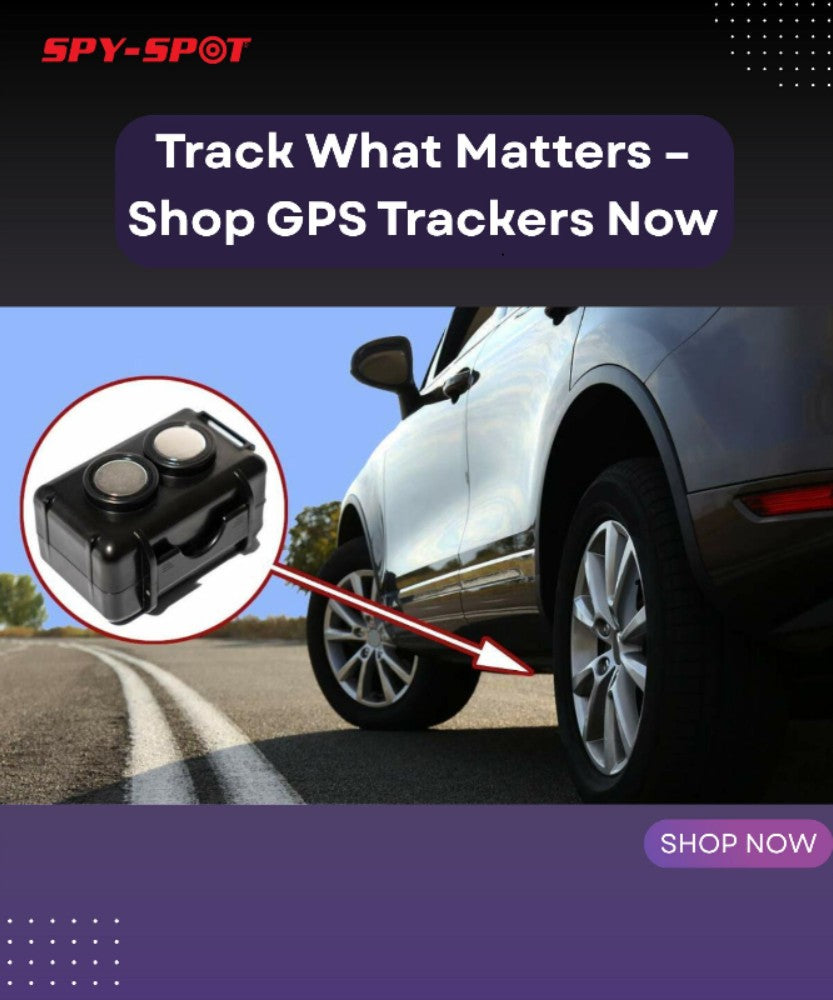
Credit: spy-spot.com
Signs Of A Hidden Gps Tracker
Many people worry about hidden GPS trackers on their cars. These devices can track your location without your knowledge. It is important to know the signs to find them.
Detecting a GPS tracker can help protect your privacy. Look for unusual things in and around your car that do not belong.
Unusual Wires Or Devices
Hidden GPS trackers often connect to your car’s electrical system. You might see extra wires that look out of place. These wires can be thin and hard to spot.
Check under the dashboard, inside wheel wells, and near the battery. Small black boxes or devices stuck with tape or magnets can be trackers.
- Look for wires that do not match factory wiring
- Search for small electronic boxes or devices
- Check areas with magnets or tape holding devices
Battery Drain Issues
A hidden GPS tracker uses your car’s battery for power. This can cause your battery to drain faster than usual. If your car battery dies often, a tracker might be the cause.
Watch for warning lights or dim lights inside your car. These signs may show that something is using extra power.
- Car battery dies faster than normal
- Warning lights on the dashboard
- Dim or flickering interior lights
Unfamiliar Beeping Sounds
Some GPS trackers make faint beeping or clicking sounds. These noises can come from hidden devices inside your car. You may hear them when the car is off or parked.
Listen carefully near the dashboard, under seats, or inside door panels. Beeping sounds can help you locate the tracker.
- Faint beeping or clicking sounds
- Sounds come from hidden places in the car
- Noise happens when the car is parked
Common Gps Tracker Locations
Many people want to find a GPS tracker on their car. These devices help track a vehicle’s location. They are small and easy to hide.
This guide will show common places where trackers are found. Checking these spots may help you find one on your car.
Under The Car
GPS trackers often hide under the car. They attach to the metal frame or under the bumper. This area is out of sight and hard to reach.
- Look near the wheel wells
- Check under the chassis
- Use a flashlight to see dark spots
- Watch for small boxes or magnets
Inside The Dashboard
Inside the dashboard is another common place. Trackers may be hidden behind or under the dash. They connect to the car’s power source here.
Finding a tracker here can be hard. You may need to remove panels carefully. Look for wires that seem out of place.
Behind Bumpers And Wheel Wells
Trackers hide behind bumpers and inside wheel wells. These spots protect the device from weather. They also keep it hidden from view.
| Location | Why Trackers Hide Here |
| Behind Front Bumper | Easy to attach and hidden |
| Behind Rear Bumper | Good for tracking rear movements |
| Inside Wheel Wells | Protected from damage and hidden |
Under Seats And Floor Mats
Trackers can be under seats or floor mats. These places are easy to reach but stay out of sight. Sometimes they are taped or glued down.
- Lift floor mats to check underneath
- Look under both front and back seats
- Check for unusual devices or wires
Tools To Detect Gps Trackers
Finding a GPS tracker on your car needs the right tools. These tools help you detect hidden devices that send signals.
Below are three common tools that can help you find GPS trackers fast and easy.
Rf Signal Detectors
RF signal detectors scan for radio waves sent by GPS trackers. They alert you if they find any unusual signals nearby.
- Turn off all devices that emit signals.
- Slowly move the detector around your car.
- Look for high signal readings near hidden spots.
- Check under seats, bumpers, and inside panels.
Magnetometers
Magnetometers detect magnetic fields from GPS trackers. Many trackers use magnets to attach to your car.
| Magnetometer Use | Details |
| Scan Areas | Wheel wells, chassis, undercarriage |
| Magnetic Strength | Higher reading means nearby magnet |
| Tip | Move slowly for accurate detection |
Smartphone Apps
Smartphone apps can help detect GPS trackers by scanning for signals or Bluetooth devices near your car.
Popular app features include:
- Detecting Bluetooth and Wi-Fi signals
- Identifying unknown devices nearby
- Showing signal strength and location
Apps are easy to use but may not find all trackers.
Step-by-step Detection Process
Finding a GPS tracker on your car can help protect your privacy. Some trackers are small and hidden well. You need to check carefully to find them.
This guide shows simple steps to detect a GPS tracker on your vehicle. Follow these steps to inspect your car thoroughly.
Visual Inspection
Look closely around your car for unusual devices. GPS trackers are often small boxes or devices with wires.
- Check under the car’s body and bumpers.
- Look inside wheel wells and behind panels.
- Inspect under the dashboard and seats.
- Examine the engine compartment carefully.
- Look for wires that seem out of place.
Use Electronic Detection Tools
Electronic devices can help find hidden GPS trackers. These tools detect signals or magnetic fields.
| Tool | Function | How to Use |
|---|---|---|
| RF Detector | Finds radio signals from trackers | Scan car slowly, listen for signals |
| Magnetometer | Detects strong magnets on devices | Move near areas where magnets may stick |
| Bug Detector | Finds hidden electronic devices | Scan areas with poor visibility |
Check For Magnetic Attachments
Many GPS trackers attach with magnets. Use a strong magnet or your hands to find these spots.
- Run your hand along the car’s metal frame.
- Look for metal objects that feel loose or out of place.
- Use a flashlight to inspect dark areas near magnets.
- Check the gas tank area and under the rear seats.
What To Do If You Find A Tracker
Finding a GPS tracker on your car can be alarming. You should act carefully and calmly.
Knowing the right steps helps protect your privacy and safety.
Contact Authorities
Report the tracker to the police right away. They can check if it was placed legally.
- Call your local police department
- Explain where and how you found the tracker
- Follow their instructions for next steps
- Do not remove or destroy the device before they arrive
Consult A Professional
Seek help from a security expert or private investigator. They can find more trackers.
| Professional | How They Help |
| Security Expert | Detect hidden trackers and advise on protection |
| Private Investigator | Trace the origin of the tracker and gather evidence |
| Mechanic | Inspect your car for unusual devices or wiring |
Document The Evidence
Keep records of the tracker and how you found it. This helps the authorities.
- Take clear photos of the tracker in place
- Note the date, time, and location
- Write down any suspicious activity or people
- Store the device safely without tampering

Credit: blog.eyespysupply.com
Preventing Future Tracking
Finding a GPS tracker on your car can be unsettling. It’s important to take steps to prevent future tracking. This guide will help you with regular checks and other measures.
By staying vigilant, you can protect your privacy and ensure your vehicle’s security. Let’s explore some practical methods.
Regular Vehicle Checks
Check your car regularly for unusual devices. Look under the car, inside the glove compartment, and beneath seats.
Use a flashlight to inspect dark areas. Pay attention to wires that seem out of place.
- Examine wheel wells
- Inspect the undercarriage
- Check the trunk
Secure Parking Options
Park in secure, well-lit areas. This reduces the chance of someone tampering with your car.
Consider using a garage or monitored parking lot. This adds an extra layer of security.
- Use gated parking lots
- Choose well-lit street parking
- Install a home garage security system
Use Gps Tracker Detectors Periodically
Invest in a GPS tracker detector. These devices can help you find hidden trackers.
Use the detector periodically to scan your vehicle. This helps identify any tracking devices early.
- Scan your car weekly
- Test the detector’s functionality regularly
- Follow the detector’s instructions carefully

Credit: spytec.com
Frequently Asked Questions
How Can I Detect A Gps Tracker On My Car?
To detect a GPS tracker, inspect your car’s exterior and interior carefully. Look for unusual devices or wires under seats, bumpers, or inside panels. Use a GPS tracker detector or a strong magnet to find hidden trackers. Regular checks help maintain your privacy and security.
Where Are Gps Trackers Usually Hidden On Cars?
GPS trackers are commonly hidden under the car’s chassis, inside wheel wells, or behind bumpers. They may also be placed under seats or inside the glove compartment. Knowing these common spots helps you perform thorough inspections and remove any unauthorized devices quickly.
Can I Find A Gps Tracker Using A Smartphone App?
Smartphone apps alone cannot detect GPS trackers directly. However, apps can help identify suspicious Bluetooth or Wi-Fi signals nearby. For accurate detection, specialized GPS tracker detectors are recommended. Combining tools ensures better chances of locating hidden trackers.
How Often Should I Check My Car For Gps Trackers?
It’s best to check your car for GPS trackers regularly, especially if you suspect surveillance. Monthly inspections help catch trackers early and protect your privacy. Frequent checks are crucial if you park in public or unsecured areas often.
Conclusion
Finding a GPS tracker on your car takes patience and care. Check common hiding spots like under the dashboard or wheel wells. Use a strong flashlight to spot small devices. Listen for unusual sounds or signals with a bug detector.
Remember, not every device is easy to find. Stay calm and keep searching methodically. Knowing the signs helps protect your privacy and safety. Stay aware and confident about your car’s security.







