
Have you ever wondered if there’s a GPS device hidden in your car? Maybe you want to check for one to protect your privacy, or perhaps you just want to know how to find it quickly and easily.
Knowing how to locate a GPS device in your car can save you from unwanted tracking and give you peace of mind. You’ll discover simple, effective ways to spot these devices—no technical skills needed. Keep reading, because what you learn here could change how you feel about your own car’s security.

Credit: spytec.com
Signs Of A Gps Device
If you suspect someone placed a GPS device on your car, you should look for signs carefully. These devices help track your location without your permission.
Finding a GPS device can be tricky. Some signs help you spot if your car has one attached.
Unusual Wires And Components
Look under the dashboard, near the fuse box, or around the engine. Strange wires that don’t seem to belong can be a sign.
Small boxes or gadgets attached to wires may be GPS trackers. They often blend in but can look out of place.
- Wires taped or tied in odd ways
- Unfamiliar electronic parts under seats or panels
- Loose or hanging cables near the car battery
Hidden Compartments
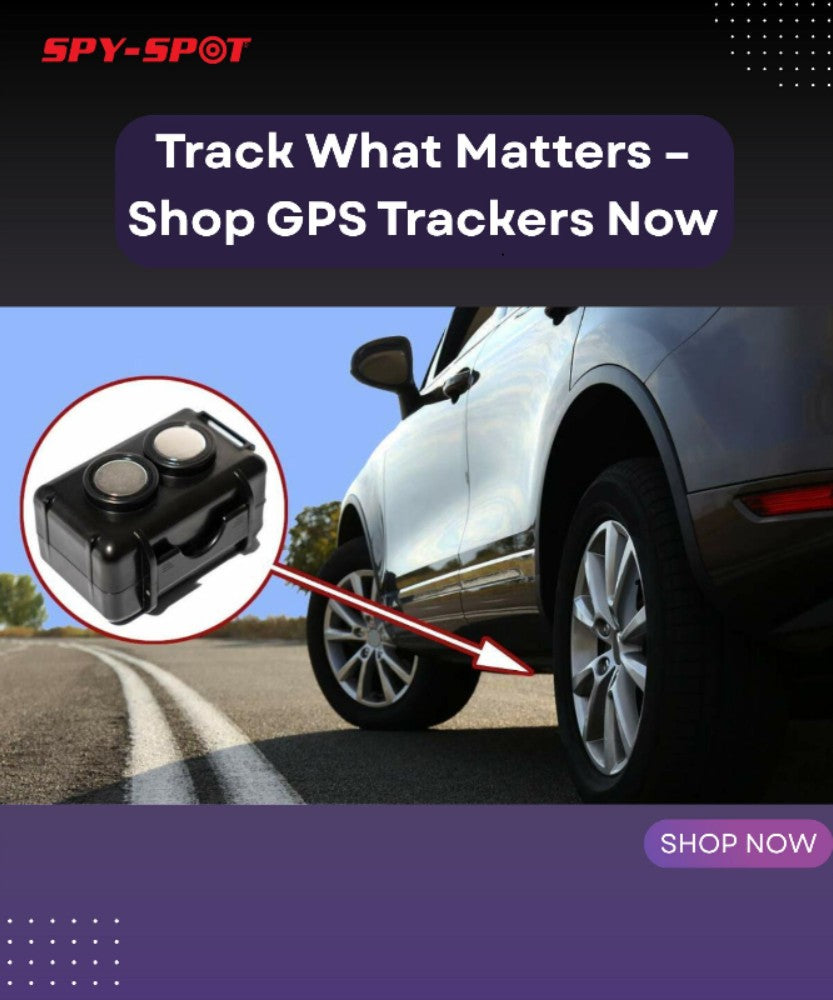
GPS devices are sometimes hidden inside the car’s body. Check wheel wells, bumpers, and under the car.
Look for small boxes or cases stuck with magnets or tape in hidden spots. These compartments may hold the device.
- Inside plastic covers or panels
- Underneath the dashboard or glove box
- Behind or under the seats
Frequent Battery Drain
If your car battery dies often without a clear cause, a GPS device might be using power. These devices need energy to work.
Check if the battery drains faster than normal, especially when the car is off. This could be a sign of a hidden tracker.
- Unexpected battery warning lights
- Battery loses charge quickly overnight
- Electrical accessories behaving oddly
Credit: spy-spot.com
Common Gps Device Locations
Many people want to find a GPS device hidden on their car. These devices track your movements secretly. Knowing where to look can help you find one quickly.
GPS devices are small and can be placed in many spots. Some places are more common because they hide the device well.
Under The Dashboard
The area under the dashboard is a popular spot for GPS devices. It is easy to access but not very visible. The device might be attached with tape or magnets.
Inside The Trunk
Some GPS trackers hide inside the trunk. They can be placed near the spare tire or behind the lining. This location keeps the device away from view and protected.
Beneath The Seats
Under the car seats is another common place for GPS devices. The device may be taped or stuck to the metal frame. It is a good spot because it is hard to see without moving the seat.
- Check under both front and back seats.
- Look for any unusual boxes or wires.
- Use a flashlight to see in dark areas.
Around The Wheel Wells
Wheel wells are hidden areas near the tires. GPS devices can be attached here with magnets. They are safe from water and dirt if placed well.
| Location | Pros | Cons |
| Under the Dashboard | Easy to access | Could be seen if looked closely |
| Inside the Trunk | Well hidden | Harder to reach |
| Beneath the Seats | Hidden from view | Requires moving seats |
| Around the Wheel Wells | Protected from elements | Needs a flashlight |
Tools To Help Locate Gps Devices
Finding a GPS device hidden in your car can be tricky. Special tools can help you detect and locate these devices quickly.
Using the right tools makes it easier to find GPS trackers. These devices send signals that you can detect with specific equipment.
Gps Signal Detectors
GPS signal detectors pick up signals sent by GPS trackers. They alert you when a GPS device is nearby.
These detectors usually have a screen or light that shows signal strength. The stronger the signal, the closer the tracker.
- Scan your car for active GPS signals
- Check hidden spots like under seats or bumpers
- Use the detector to narrow down the device’s location
Rf Scanners
RF scanners detect radio frequencies from electronic devices. Many GPS trackers use radio waves to send their location.
These scanners pick up a wide range of signals. They help find devices that send data wirelessly.
- Scan different frequencies to find hidden devices
- Use in quiet areas to avoid signal interference
- Listen for beeps or see lights that indicate signals
Magnetic Flashlights
Magnetic flashlights help you check hard-to-reach areas in your car. Many GPS devices attach with magnets.
Use the flashlight to look under the car and inside metal parts. The magnetic tip helps pick up small metal objects.
- Shine light into dark spaces to spot devices
- Use magnet to find metal parts of GPS trackers
- Check under bumpers, wheel wells, and chassis

Credit: blog.eyespysupply.com
Step-by-step Search Process
Finding a GPS device on your car can be important for privacy and security. You can do this by following a clear search process.
This guide helps you check your vehicle carefully. It covers visual checks, using tools, and checking power sources.
Visual Inspection
Start by looking around your car for any strange objects. GPS devices are often small and hidden in common places.
Check places like under the dashboard, inside the glove box, under seats, and near the wheels.
- Look for small boxes or devices attached with wires.
- Check under the car’s body and wheel wells.
- Inspect the engine bay and bumpers.
- Look inside the trunk and spare tire area.
Use Of Detection Tools
Use electronic tools to find hidden GPS devices. These tools can detect signals or electronic parts inside the car.
Common tools include RF (radio frequency) detectors and bug detectors. These devices alert you to hidden trackers.
- Turn off all electronics in the car before scanning.
- Slowly move the detector around the vehicle.
- Pay attention to areas with strong signals.
- Use the tool near wiring and metal parts carefully.
Checking Power Sources
Most GPS trackers need power to work. They connect to the car’s battery or other power sources.
Look for unusual wires or devices connected to the battery, fuse box, or OBD-II port.
- Check under the hood near the battery terminals.
- Inspect the fuse box for extra or modified wires.
- Look at the OBD-II port for attached devices.
- Be aware of any new or loose wiring inside the car.
What To Do If You Find A Gps Device
Finding a GPS device on your car can be alarming. It may mean someone is tracking your location without your permission. You need to act carefully and wisely.
This guide explains what steps to take if you find a GPS device on your vehicle. Follow these tips to protect your privacy and safety.
Documenting The Device
Start by taking clear photos of the GPS device. Capture different angles and its exact location on your car. Write down any numbers or codes on the device.
Keep a record of the date and time you found the device. This information can be useful for authorities later.
- Take close-up and wide photos
- Note the device’s position on the car
- Write down any serial or ID numbers
- Record the date and time of discovery
Contacting Authorities
After documenting, contact your local police. Explain that you found a GPS tracker on your vehicle. Provide them with the photos and notes you made.
Authorities can check if the device is linked to a crime or illegal tracking. Do not try to investigate on your own beyond documentation.
- Call the police or visit the station
- Give all evidence and information
- Follow their instructions carefully
- Do not remove the device before police arrive
Removing The Device Safely
Only remove the GPS device if authorities say it is safe. Use gloves to avoid leaving fingerprints. Handle the device carefully to preserve evidence.
Keep the device in a safe place and give it to the police. Do not try to use or destroy it yourself. Your safety and legal case depend on proper handling.
- Wear gloves before touching the device
- Remove it gently without damage
- Store it in a clean, safe container
- Give it to the police promptly
Preventing Unauthorized Gps Tracking
Unauthorized GPS tracking can be a concern for many car owners. It is important to know how to protect your vehicle from unwanted tracking devices.
This guide will help you find and prevent unauthorized GPS devices on your car.
Regular Vehicle Checks
Regularly checking your vehicle can help you find hidden GPS devices. Look for anything that seems out of place or newly added.
Check common hiding spots like the undercarriage, wheel wells, and trunk. Use a flashlight for better visibility in dark areas.
- Inspect the exterior and interior of your car
- Look under seats and in storage compartments
- Examine the engine bay for unusual devices
Installing Gps Jammers
GPS jammers can block signals from tracking devices. They prevent GPS devices from sending location data.
These devices are easy to install and can be a reliable way to protect your privacy. Make sure to follow legal guidelines in your area.
- Purchase a GPS jammer from a reputable source
- Install the jammer in your vehicle
- Ensure it covers the entire car’s area
Using Signal Blocking Cases
Signal blocking cases can prevent GPS devices from communicating. These cases are designed to block signals effectively.
Place any suspected GPS device inside a signal blocking case. This will stop it from sending your location data.
- Buy a signal blocking case that fits your needs
- Use it to store potential tracking devices
- Keep the case in your vehicle for quick access
Frequently Asked Questions
How Can I Detect A Hidden Gps Device In My Car?
To detect a hidden GPS device, visually inspect your car’s interior and undercarriage. Use a GPS detector or bug detector device. Check for unusual wires or battery packs. Listen for beeping sounds when the car is off. Professional services can also help locate hidden trackers accurately.
Where Are Gps Trackers Commonly Placed On Cars?
GPS trackers are commonly placed under the dashboard, inside wheel wells, or beneath the car’s body. They may also hide inside bumpers or under seats. These locations provide easy attachment points and protection from weather and tampering. Regularly inspect these areas to find any suspicious devices.
Can A Smartphone App Help Find A Gps Tracker?
Yes, some smartphone apps can scan for active GPS signals or Bluetooth devices. However, their effectiveness varies and they might miss hidden trackers. Combining app use with physical inspection improves chances of detection. For reliable results, consider professional GPS detection tools or services.
How To Remove A Gps Device Safely From My Car?
To remove a GPS device safely, first identify its exact location. Turn off the car and disconnect the device’s power source if accessible. Gently detach the device without damaging car components. If unsure, seek professional help to avoid harming your vehicle or voiding warranties.
Conclusion
Finding a GPS device in your car can be simple with the right steps. Check common hiding spots like under seats or dashboards. Use a GPS detector or smartphone app to help locate signals. Stay calm and take your time during the search.
Knowing how to find a GPS device keeps your privacy safe. Practice these tips regularly to protect your vehicle and peace of mind.







