
Have you ever felt uneasy knowing someone could track your car’s every move? If you want to take back control and protect your privacy, learning how to disable a GPS tracking device on your car is essential.
You’ll discover simple, effective steps that anyone can follow—no technical skills needed. Keep reading to find out how you can stop unwanted tracking and keep your location truly yours.
Types Of Gps Trackers
GPS tracking devices on cars come in different types. Each type works in a unique way. Knowing these types helps you understand how they operate.
Some trackers need a constant power source, while others use batteries or plug into the car’s system. Let’s explore the main types of GPS trackers used in vehicles.
Wired Trackers
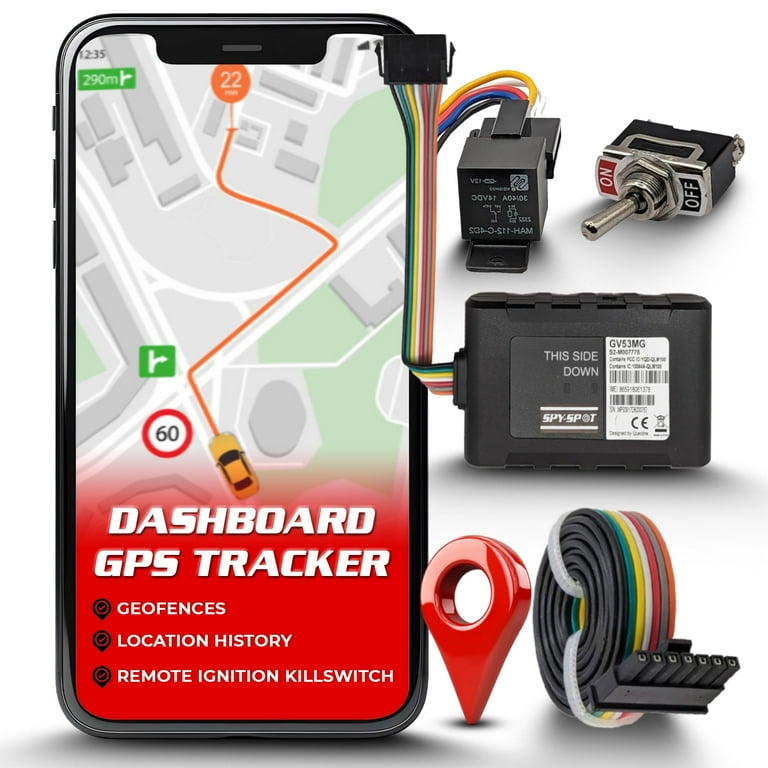
Wired GPS trackers connect directly to the car’s power supply. They are hidden inside the vehicle and get power from the car battery. These devices work all the time without needing recharging.
Because they need installation, wired trackers are harder to find. They are reliable for long-term tracking but require professional setup.
Battery-powered Trackers
Battery-powered GPS trackers run on internal batteries. You can place them anywhere in the car. They do not need to connect to the car’s power.
- Easy to install and move
- Need frequent battery charging or replacement
- Work well for temporary tracking
- Can be hidden in bags or under seats
Obd-ii Trackers
OBD-II GPS trackers plug into the car’s OBD-II port. This port is usually under the dashboard. The tracker gets power from the car and can read vehicle data.
| Feature | Description |
|---|---|
| Power Source | Car’s OBD-II port |
| Installation | Plug and play, no tools needed |
| Data Access | Vehicle speed, engine status, and location |
| Portability | Easy to remove and transfer |

Credit: www.jammermfg.com
Signs Of A Hidden Tracker
Hidden GPS trackers can be small and hard to spot. They may be placed on or inside your car without your knowledge.
Knowing the signs of a hidden tracker helps you find and disable it fast. This guide covers common clues to watch for.
Unusual Wires Or Devices
Look under your car, inside the wheel wells, and near the battery for extra wires or small boxes. These are common places for trackers.
- Loose wires that do not match your car’s setup
- Small black boxes attached with magnets
- Devices hidden inside the dashboard or seats
- Unfamiliar USB or power cables
Battery Drain Issues
A hidden GPS tracker uses your car’s battery to operate. You might notice your battery drains faster than usual.
| Symptom | Possible Cause |
| Car won’t start easily | Tracker drawing power when parked |
| Battery warning light | Electrical drain from extra device |
| Short battery life | Continuous power use by tracker |
Unexpected Location Updates
Your phone or computer may show location updates you did not expect. This can be a sign that a tracker is sending data.
Check for these clues:
- Your GPS app shows your car in places you did not visit.
- Frequent location updates even when the car is parked.
- Notifications from apps about new location sharing.
Locating The Gps Device
Finding a GPS tracking device on your car is the first step to disable it. These devices are often small and hidden well.
You need to search carefully to spot them. Some tools and tips can help make this job easier.
Visual Inspection Tips
Look closely around your car for anything unusual. GPS devices can be hidden inside or outside the vehicle.
Check for small boxes, wires, or magnetic attachments that do not belong to your car.
- Inspect under the dashboard and seats
- Check wheel wells and under the car
- Look near the battery and engine area
- Search inside bumpers and wheel arches
Using A Signal Detector
A signal detector can help find GPS devices by picking up their radio signals. These detectors scan for wireless signals in your car.
Turn off all electronic devices before scanning. Move the detector slowly around the car to catch any signals.
- Scan around the dashboard and seats
- Check near the car’s undercarriage
- Look close to the engine and trunk
- Listen for beeps or watch signal strength
Checking Common Hiding Spots
GPS trackers are often placed in spots that are hard to see. Knowing common hiding places helps you find them faster.
Look carefully in these areas as they are favorite hiding spots for trackers.
- Inside wheel wells behind mudguards
- Under the car near the fuel tank
- Behind or under the front and rear bumpers
- Underneath seats or inside seat cushions
- Near the OBD-II port under the dashboard
Credit: www.walmart.com
Disabling Wired Trackers
Wired GPS trackers connect directly to a car’s electrical system. You can stop them from working by cutting their power. This guide helps you disable these devices safely.
Always take precautions before handling a GPS tracker. Disconnecting power sources and removing the device need care to avoid damage or injury.
Disconnecting Power Sources
The tracker needs power to work. Most wired trackers connect to the car battery or fuse box. Find and disconnect these power sources to stop the tracker.
- Locate the car’s fuse box or battery terminals.
- Identify the wires linked to the GPS tracker. These are often thin and may be taped.
- Use a multimeter to confirm which wires supply power to the device.
- Carefully disconnect or cut the power wire to stop electricity flow.
- Cover any exposed wires with electrical tape to prevent shorts.
Removing The Device Safely
After power is cut, remove the GPS tracker carefully. Avoid damaging your vehicle’s wiring or parts.
| Action | Tip |
| Locate tracker | Check under dashboard or near fuse box |
| Disconnect wires | Use pliers or wire cutters gently |
| Remove mounting | Unscrew or unclip device carefully |
| Check wiring | Look for damage or loose connections |
| Secure wires | Use tape or wire connectors |
Handling Battery-powered Trackers
Battery-powered GPS trackers attach to cars to track their location. They work using small batteries that can last weeks or months. Knowing how to disable these trackers can protect your privacy.
Two common ways to stop these devices are removing or draining the battery and using signal jamming. Each method has different steps and tools needed.
Removing Or Draining The Battery
Most battery-powered trackers have a small battery compartment. Removing or draining the battery stops the device from working. This method is simple but requires finding the tracker first.
- Locate the GPS tracker on your car. Common places include under the chassis, inside wheel wells, or near the bumper.
- Use gloves to avoid leaving fingerprints.
- Open the battery compartment carefully, using a small screwdriver if needed.
- Remove the battery and store it safely.
- If removing the battery is hard, drain it by short-circuiting the terminals with a metal object.
- Check if the device powers off to confirm the battery is drained.
Disabling Via Signal Jamming
Signal jamming blocks the GPS signals the tracker needs to send data. This method stops tracking without opening the device. It needs special tools and may be illegal in some areas.
| Jamming Type | Frequency Range | Effect |
| GPS Jammer | 1.575 GHz (L1) | Blocks GPS satellite signals |
| Cellular Jammer | 800–1900 MHz | Blocks phone signals the tracker uses |
| Bluetooth Jammer | 2.4 GHz | Blocks short-range signals |
Dealing With Obd-ii Trackers
OBD-II trackers are small devices plugged into a car’s OBD-II port. They collect data like location and speed.
Disabling these trackers means finding the port and unplugging or covering the device properly.
Locating The Obd-ii Port
The OBD-II port is usually under the dashboard on the driver’s side. It looks like a trapezoid-shaped socket.
- Check below the steering wheel area.
- Look near the fuse box or pedals.
- The port is often within 2 feet of the driver’s seat.
- Use a flashlight if the area is dark.
Unplugging Or Covering The Device
Once you find the tracker, you can either unplug it or cover it to stop tracking.
| Method | Description |
| Unplugging | Disconnect the device from the OBD-II port to stop data collection. |
| Covering | Use a small box or case to block signals if unplugging is not possible. |
Legal And Safety Considerations
Disabling a GPS tracking device in your car requires thoughtfulness. Legal and safety factors are important to understand.
Knowing the rules and ensuring no harm to your car or privacy is essential.
Checking Local Laws
Local laws can vary greatly about tampering with GPS devices. Always research and understand the regulations in your area.
- Research state and local laws online.
- Consult with a legal expert if unsure.
- Ensure compliance to avoid penalties.
Avoiding Damage To The Vehicle
Disabling a GPS device incorrectly might harm your car. Follow guidelines to keep your vehicle safe.
| Action | Risk |
| Cutting wires | May affect car systems |
| Removing parts | Can void warranty |
| Unauthorized modifications | Potential legal issues |
Privacy Implications
Understanding privacy implications is vital. Consider how disabling a GPS device might affect your personal data.
Ensure that removing a GPS device does not expose you to privacy risks. Always protect your personal information.

Credit: www.amazon.com
Alternative Methods To Protect Privacy
Disabling a GPS tracking device on a car helps protect your privacy. There are several methods to consider for safeguarding your personal space.
Explore legal options and professional advice to ensure your privacy without breaking any laws.
Using Gps Signal Jammers Legally
GPS signal jammers can block tracking signals. It’s important to know the laws in your area before using them.
Legal use of jammers is restricted in many places. Always check local regulations to avoid penalties.
- Research local laws on GPS jamming
- Consider alternative privacy methods if jammers are illegal
- Consult legal advice if unsure about regulations
Consulting Professionals
Professionals can help you disable GPS tracking safely. They have the expertise to handle tracking devices legally.
Consulting experts ensures you do not damage your vehicle or break any laws. They provide tailored solutions.
- Find reputable professionals with experience in GPS systems
- Ask about legal and safe solutions for privacy
- Get a cost estimate before proceeding
Regular Vehicle Inspections
Regular inspections can help identify unwanted tracking devices. A thorough check ensures your car is free from unauthorized tracking.
Inspect your car with a trusted mechanic. They can spot hidden devices that you may not notice.
- Schedule regular vehicle check-ups
- Ask mechanics to check for tracking devices
- Remove any suspicious devices found
Frequently Asked Questions
How Can I Identify A Gps Tracking Device On My Car?
Look for small, unusual electronic devices under the dashboard or beneath the car. Check battery compartments, wiring, and magnets on metal surfaces. Use a GPS detector or smartphone app to scan for signals. Regularly inspect your vehicle to detect any unauthorized devices early.
Is It Legal To Disable A Gps Tracker On My Car?
Disabling a GPS tracker on your own vehicle is generally legal. However, disabling devices installed by employers or leasing companies may violate agreements or laws. Always verify your local laws and ownership rights before disabling any tracking device to avoid legal issues.
What Tools Do I Need To Disable A Gps Tracker?
Basic tools include screwdrivers, pliers, and wire cutters. A GPS signal jammer or detector can also help locate and disrupt the device. Ensure you have safety gear and knowledge of your car’s electrical system before attempting to disable any device.
Can Disconnecting The Car Battery Disable A Gps Tracker?
Yes, disconnecting the car battery can temporarily disable a GPS tracker. However, many trackers have backup batteries to continue working. This method is not foolproof and may cause vehicle issues, so use it cautiously and consider professional help.
Conclusion
Disabling a GPS tracking device can help protect your privacy. Always check your car carefully to find the device. Use simple tools like a magnet or screwdriver to disable it. Stay calm and work step by step. Remember, safety first—never damage your car’s wiring.
Knowing how to handle this issue gives you control. Keep your personal information secure and drive with peace of mind. Taking these steps is smart and easy to do. Stay aware and protect your vehicle today.







