
Have you ever felt like someone might be watching your every move through your own car? The idea of a hidden GPS tracker silently following you can be unsettling—and knowing how to find one is crucial.
You’ll learn simple, effective ways to detect a GPS tracker on your car. By the end, you’ll feel more in control and confident about your privacy. Keep reading to protect yourself and your vehicle from unwanted surveillance.
Signs Of A Hidden Gps Tracker
Finding a hidden GPS tracker on your car is important for your privacy. These devices can follow your location without your knowledge.
Knowing the signs helps you spot trackers early. Look closely at your car for unusual changes or problems.
Unusual Wiring Or Devices
Hidden GPS trackers often need power from your car. This means extra wires or devices may be attached to your vehicle.
Check under the dashboard, near the fuse box, or around the battery. Look for small boxes, wires, or magnets that seem out of place.
- Loose or extra wires near pedals or under seats
- Small black boxes attached with magnets
- Devices hidden in wheel wells or bumpers
Unexpected Battery Drain
GPS trackers use your car’s battery to work. If your battery drains faster than usual, a tracker might be the cause.
Watch for dimming lights or slow starts. These can mean extra power is being used by a hidden device.
- Car battery dies quickly without obvious reason
- Headlights or dashboard lights are dimmer
- Engine takes longer to start
Interference With Electronics
A GPS tracker can cause problems with your car’s electronics. Strange noises or interference might happen if one is nearby.
Listen for static sounds on your radio or check if your phone loses signal near your car. These may be signs of a tracker.
- Static or clicking sounds on the car radio
- Phone signal weakens close to your vehicle
- Other electronic devices act strangely near the car
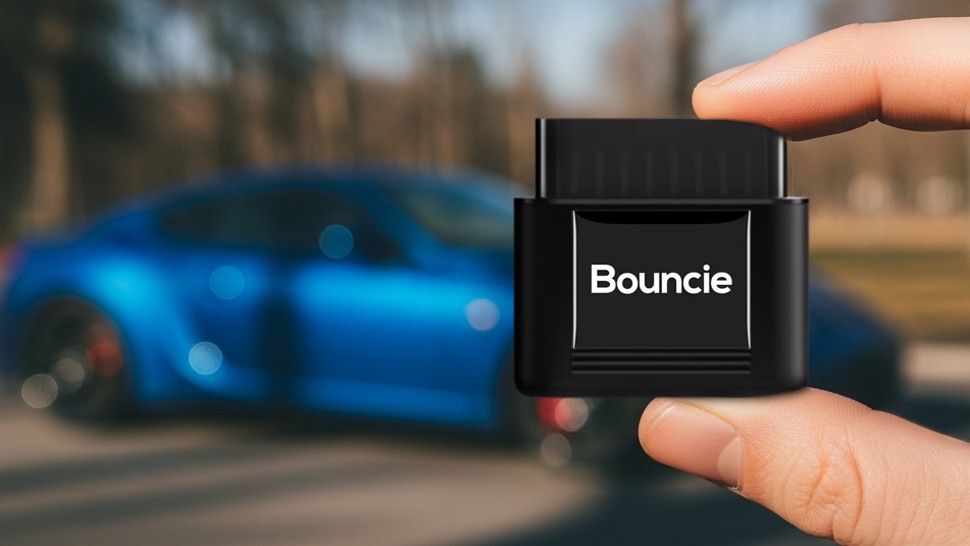
Credit: blog.bouncie.com
Common Gps Tracker Locations
GPS trackers can be hidden in many parts of a car. Knowing common spots helps you find them. This guide covers typical locations to check.
Look carefully in these areas. Some spots are easy to miss but often hold trackers.
Underneath The Vehicle
Many GPS trackers are placed under the car. They attach to the frame or near the gas tank. These spots keep the device hidden from view.
- Check the metal frame under the car
- Look near the exhaust system
- Inspect the area around the gas tank
- Use a flashlight to see dark spots
Inside The Dashboard
The dashboard hides many wires and parts. GPS trackers can connect to electrical systems here. They are often small and tucked behind panels.
| Dashboard Area | Possible Tracker Location |
| Behind glove compartment | Small device near wiring |
| Underneath steering wheel | Hidden behind plastic cover |
| Inside center console | Near power outlets or USB ports |
Behind Bumpers And Wheel Wells
Trackers often hide behind bumpers or inside wheel wells. These areas are hard to see and reach. The devices stick to metal or plastic parts here.
Common hiding spots behind bumpers and wheel wells include:
- Inside the front bumper near the license plate
- Behind the rear bumper, near the trunk
- In the wheel wells, attached to inner panels
Tools For Finding Gps Trackers
GPS trackers can be hidden on your car without your knowledge. Finding these devices helps protect your privacy and security.
Several tools can help you detect GPS trackers. These tools vary in how they work and what they find.
Using A Gps Detector
A GPS detector is a device that scans for signals from GPS trackers. It helps locate the tracker by detecting its signal.
These detectors work well if the tracker is active and sending signals. You just move the detector around your car to find the source.
- Turn off other electronic devices to reduce interference
- Scan all areas inside and outside the car
- Focus on hidden spots like under seats or bumpers
Employing A Radio Frequency Scanner
Radio frequency (RF) scanners detect wireless signals from GPS trackers. These signals usually operate on certain frequency bands.
Using an RF scanner, you can find devices that send data wirelessly. The scanner shows signal strength and frequency to help locate the tracker.
- Scan your car slowly and carefully
- Check frequency ranges commonly used by trackers
- Follow stronger signals to narrow down the location
Checking With A Magnetometer
A magnetometer detects magnetic fields. Many GPS trackers have magnets to hold them on metal parts of the car.
Using a magnetometer, you can find hidden trackers stuck to your car’s metal frame. It helps spot devices that are hard to see.
- Pass the magnetometer slowly over metal areas
- Check under the car and near wheel wells
- Mark spots with strong magnetic readings for closer inspection

Credit: www.amazon.com
Manual Inspection Tips
Finding a GPS tracker on your car can be tricky. A careful manual inspection helps you spot hidden devices.
Look closely at your car’s exterior and interior. Small trackers blend in well but leave clues.
Visual Search Techniques
Start by looking at places where a tracker might be easy to hide. Use good lighting and a flashlight.
Check under your car, bumpers, and wheel wells. Look for unusual boxes or wires that do not belong.
- Inspect bumpers and grills carefully
- Look around license plate screws and frames
- Use a flashlight to see dark areas
- Watch for fresh glue or tape marks
Physical Checks In Hidden Areas
Feel around areas where a tracker could be taped or clipped. Some devices are very small.
Check inside wheel wells, under seats, and in the glove box. Remove panels if possible to inspect better.
- Touch under the dashboard and seats for strange objects
- Remove plastic covers and look for wires
- Check inside the trunk and spare tire area
- Listen for any faint beeping or signals
Monitoring Vehicle Behavior
Watch for signs your car is being tracked. GPS trackers can affect how your vehicle acts.
Look for unusual battery drain or strange noises. Some trackers send data often and use power.
- Check if your car battery dies faster than normal
- Listen for clicking or buzzing sounds when car is off
- Notice if your engine or electronics act strange
- Observe any unexpected movement notifications if you use a car app
Preventing Future Tracking
Car GPS trackers can invade your privacy and track your movements. It is important to learn how to prevent this from happening again.
Taking simple steps can help you protect your car and stop unwanted tracking devices from being used on your vehicle.
Regular Vehicle Checks
Check your car often for strange devices or wires. Look under the seats, inside the glove box, and under the car.
Regular checks help you find trackers early before they collect much information.
- Inspect the dashboard and under the seats
- Check the wheel wells and bumpers
- Look for unusual wires or magnets
- Use a flashlight to see dark places
Installing Signal Jammers
Signal jammers can block GPS signals from trackers on your car. They stop the tracker from sending location data.
Use jammers carefully, as some places have rules against their use. Always check local laws before installing.
- Blocks GPS and cellular signals
- Helps protect your car’s location privacy
- Use only legal devices in your area
- Works best when active while driving
Consulting Professionals
Experts can help detect hidden GPS trackers you might miss. They use special tools to find devices fast.
Hiring a professional gives you peace of mind and better protection against future tracking.
- Use radio frequency detectors
- Get thorough vehicle inspections
- Learn how to protect your car better
- Receive advice on legal protections

Credit: blog.eyespysupply.com
Frequently Asked Questions
How Can I Find A Gps Tracker On My Car?
Check your car thoroughly for unusual devices. Look under seats, bumpers, wheel wells, and inside the glove box. Use a GPS detector or RF scanner to spot hidden trackers emitting signals.
What Tools Help Detect Gps Trackers Effectively?
RF detectors and GPS signal scanners help locate trackers. These tools pick up radio frequencies emitted by trackers. Smartphone apps can also assist but may be less reliable than dedicated devices.
Can A Gps Tracker Be Hidden Inside Car Parts?
Yes, trackers can be concealed inside panels, under seats, or within wiring harnesses. They are often small and camouflaged to avoid detection. Inspect all interior and exterior areas carefully.
How Do Gps Trackers Affect My Car’s Battery?
Most trackers draw minimal power to avoid detection. However, some models may drain the battery if they lack proper power management. Regularly monitor your battery health for unusual drains.
Conclusion
Detecting a GPS tracker on your car helps protect your privacy. Regularly check common hiding spots like under the bumper or inside the wheel wells. Use a GPS detector or a strong magnet to find hidden devices. Stay alert to unusual battery drains or strange noises in your vehicle.
Taking these simple steps gives you peace of mind and control. Keep your car safe by staying aware and acting quickly.







