
Have you ever wondered if someone is secretly tracking your car? Knowing how to detect a GPS tracker in your vehicle is crucial for protecting your privacy and peace of mind.
You might not realize it, but hidden trackers can follow your every move without you even noticing. This article will guide you step-by-step on how to find these devices quickly and easily. By the end, you’ll feel confident that your car is truly yours—and only yours.
Keep reading to learn the simple tricks that can save you from unwanted surveillance.
Signs Of A Hidden Gps Tracker
Finding a hidden GPS tracker in your car can be hard. These devices are small and placed in secret spots. Knowing the signs helps you detect them early.
Look for unusual changes in your car’s behavior or new objects you don’t recognize. These clues can lead you to a hidden tracker.
Unusual Devices Under The Car
Check under your car for small devices that look out of place. GPS trackers are often attached with magnets or tape to the frame.
Look for unfamiliar boxes, wires, or objects near the wheels or under the bumpers. These may be GPS trackers or their power sources.
- Use a flashlight to inspect hard-to-see areas.
- Feel for anything stuck or loose on the car’s underside.
- Look for wires that don’t connect to usual car parts.
Unexpected Battery Drain
GPS trackers need power, often from your car’s battery. If your car battery dies quickly, a hidden tracker may be the cause.
Notice if your car battery drains faster than normal without extra use. This can signal a device drawing power without your knowledge.
- Monitor how often you need to recharge or replace your battery.
- Check battery health regularly for signs of overuse.
- Consider a professional test if drains happen often.
Strange Sounds Or Lights
Hidden GPS trackers may emit faint sounds or blinking lights. These are usually very small but can be noticed if you pay close attention.
Listen for unusual beeps or humming noises inside the car. Also, look for tiny blinking LEDs under seats or dashboards.
- Turn off the car and listen carefully for any noises.
- Look under seats, inside glove compartments, and near vents for lights.
- Use a flashlight to spot any tiny blinking indicators.
Interference With Electronics
Hidden trackers can cause interference with your car’s electronics. This may show as static on radios or problems with GPS navigation.
If your car’s electronic devices act strange or glitch often, a hidden GPS tracker might be the cause.
- Notice if your radio has static or cuts out unexpectedly.
- Watch for GPS or Bluetooth devices disconnecting often.
- Check if car alarms or sensors behave abnormally.

Credit: spacehawkgps.com
Tools To Find Gps Trackers
GPS trackers can be hidden in cars to follow movements. Finding these devices is important for privacy and safety.
Several tools help detect GPS trackers. Each tool works in a different way to locate hidden devices.
Using A Gps Detector
A GPS detector scans for signals sent by GPS trackers. It helps find devices by picking up their location signals.
These detectors are easy to use. Move the detector around your car and watch for alerts indicating a GPS signal.
Rf Signal Detectors
RF signal detectors find radio signals from GPS trackers. They detect transmissions even when the tracker is off GPS mode.
Scan your car slowly with the RF detector. Check areas like under seats, bumpers, and inside the dashboard.
- Turn off all electronics in the car
- Move the detector near suspected spots
- Listen or watch for signal alerts
Smartphone Apps
Some apps use your phone’s sensors to find GPS trackers. They can detect unusual signals or Bluetooth devices nearby.
These apps are not always accurate but can help in early checks. Use them to scan your car before using other tools.
- Download a trusted signal detector app
- Scan your car slowly, focusing on hidden spots
- Check for devices connected via Bluetooth or Wi-Fi
Flashlight Inspection
A flashlight helps spot hidden GPS trackers by revealing small or camouflaged parts. Shine light into dark areas of your car.
Look under seats, inside vents, and behind panels. Small lights or wires may show up when illuminated.
- Use a bright flashlight or phone light
- Inspect seams, screws, and unusual objects
- Check areas where devices can be hidden easily
Step-by-step Search Process
Finding a hidden GPS tracker in your car takes careful checking. You need to look in many places on and inside the vehicle. This guide helps you search every area step by step.
Follow the process below to check the outside, inside, and under the car. Each step shows what to look for and how to spot a tracker.
Check The Exterior Of The Vehicle
Start by walking around the car and looking closely at the outside. Trackers often attach to metal parts or hide near the wheels.
- Inspect bumpers and wheel wells carefully.
- Look under the vehicle for small boxes or devices.
- Check near the license plate and under side mirrors.
- Use a flashlight to see hidden spots clearly.
Inspect The Interior Thoroughly
Next, open the doors and check inside the car. GPS trackers can hide under seats or inside the glove box.
- Remove floor mats and look underneath them.
- Check under and behind seats for small devices.
- Look inside the dashboard and center console.
- Examine the area around pedals for unusual wires or boxes.
Look Under The Hood And Chassis
Open the hood and check the engine area. Also, inspect the chassis underneath the car for any strange objects or wiring.
| Area | What to Check | Signs of GPS Tracker |
| Under Hood | Battery and Engine Parts | Small boxes or wires taped to parts |
| Chassis | Frame and Suspension | Unusual devices or loose wires |
| Wheel Wells | Near Tires | Hidden gadgets or magnets |
Examine Wiring And Electrical Components
Check the car’s wiring closely. Trackers need power, so they connect to electrical systems.
Look for these signs:
- New or extra wires that seem out of place
- Tape or connectors that look recent or different
- Wires running to unusual spots or small boxes
- Battery drains or electrical issues that are new

Credit: www.amazon.com
Preventing Future Tracking
Detecting a GPS tracker is only the first step. You must also prevent future tracking. Taking simple actions can protect your privacy and your vehicle.
Use these tips to keep your car safe from hidden trackers. Staying alert helps you avoid unwanted surveillance.
Regular Vehicle Inspections
Check your vehicle often for strange devices or wires. Pay attention to spots where trackers usually hide. These include under the car, inside wheel wells, and beneath seats.
- Look behind the bumper and under the chassis
- Inspect inside the glove box and center console
- Use a flashlight to see hidden areas clearly
- Check for unusual magnets or wires
Secure Parking Habits
Park your car in safe, well-lit places. Locked garages offer better protection than open streets. Avoid leaving your vehicle unattended for long periods in risky areas.
| Parking Location | Security Level |
| Locked Garage | High |
| Private Driveway | Medium |
| Street Parking (Well-lit) | Low |
| Street Parking (Dark Area) | Very Low |
Use Of Signal Jammers
Signal jammers can block GPS signals. They stop trackers from sending location data. Use jammers only where legal. Check local laws before buying or using them.
Important:Signal jammers can affect other devices. Use them carefully and responsibly.
Consulting Professional Services
Experts can help find hidden trackers. They use special tools and knowledge to detect devices you might miss. Hire a professional if you suspect constant tracking.
- Professional sweep for electronic trackers
- Vehicle security consultation
- Advice on anti-tracking devices
- Help with legal options if tracking is illegal
Legal Considerations
Detecting a GPS tracker in your car raises important legal questions. It is essential to know the laws that protect your privacy. These laws help you understand what to do if you find a suspicious device.
Not all tracking devices are illegal. Some are placed by car rental companies or employers. You should learn when a tracker is allowed and when it is not.
Know Your Privacy Rights
Your privacy rights depend on local laws. In many places, it is illegal to place a GPS tracker without the owner’s permission. This protects your personal freedom and security.
- You have the right to know if your car is being tracked.
- Unauthorized tracking may violate privacy laws.
- Consent is usually required to install a GPS tracker.
- Check your state’s laws on electronic tracking and monitoring.
When To Report Suspicious Devices
If you find a GPS tracker on your car and did not agree to it, you should report it. Authorities can help protect you and investigate the case.
- Confirm the device is a GPS tracker and not a part of your vehicle.
- Document the device with photos and notes.
- Contact local law enforcement to report the device.
- Follow their instructions and provide evidence.
- Do not remove the device before reporting it, unless advised.
Handling Unauthorized Trackers Legally
Removing a tracker without legal advice can cause problems. It is best to know your rights and act within the law.
| Action | Legal Consideration |
| Removing the tracker | May be legal if it is unauthorized, but check local laws first. |
| Reporting to police | Strongly recommended to ensure legal protection. |
| Contacting a lawyer | Useful for advice on privacy and property rights. |
| Monitoring the situation | Keep track of any further devices or suspicious activity. |
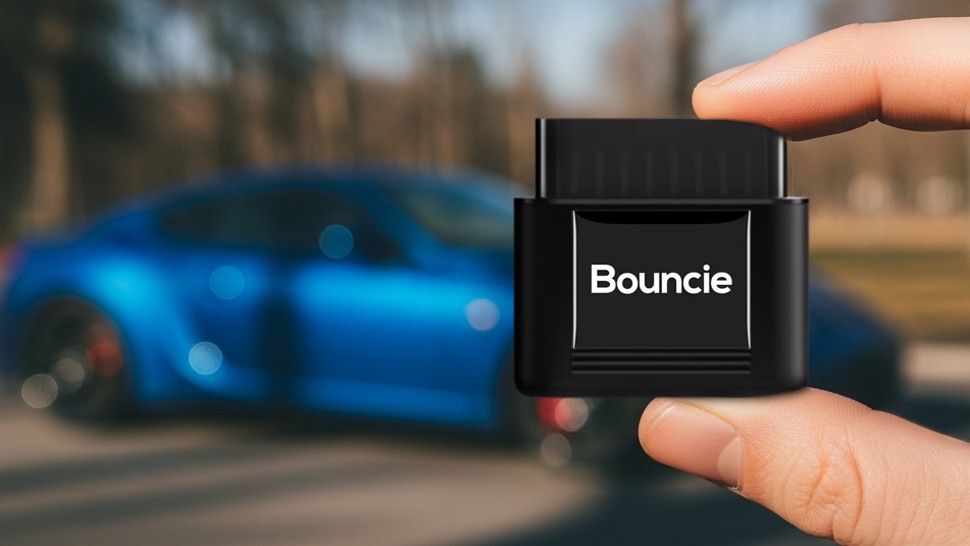
Credit: blog.bouncie.com
Frequently Asked Questions
How Can I Find A Hidden Gps Tracker In My Car?
To find a hidden GPS tracker, inspect the vehicle closely. Check under seats, inside bumpers, and near wiring. Use a GPS detector or a strong magnet to locate devices. Look for unusual wires or batteries as well.
What Tools Help Detect Gps Trackers In Cars?
Common tools include GPS signal detectors, RF scanners, and magnets. These tools identify signals or magnetic fields from trackers. A smartphone app can also help detect unusual Bluetooth or Wi-Fi signals nearby.
Can A Mechanic Help Detect Gps Trackers?
Yes, mechanics can inspect your car thoroughly. They have experience identifying hidden devices and unusual wiring. A professional inspection increases the chances of finding a tracker effectively.
How Often Should I Check For Gps Trackers?
Regular checks every few months are ideal. Also inspect after buying a used car or suspecting unauthorized tracking. Frequent checks help maintain your privacy and security.
Conclusion
Detecting a GPS tracker in your car is possible with patience. Check common hiding spots like under the dashboard or seats. Use a strong flashlight and a handheld RF detector for better results. Pay attention to strange wires or small devices you did not install.
Regularly inspect your vehicle to keep your privacy safe. Taking these simple steps helps you feel more secure while driving. Stay alert and protect your personal space every time you use your car.







