
Want your car to look brand new every time you step inside? Detailing your car is the secret to making it shine and feel fresh, both inside and out.
Whether you’re preparing for a special occasion or just want to enjoy that clean, crisp feeling every day, knowing how to detail a car can save you time and money. You’ll discover simple, step-by-step tips that anyone can follow to get professional results.
Ready to transform your ride and turn heads wherever you go? Let’s dive in!
Preparing Your Car
Detailing a car starts with good preparation. Taking time to prepare your car helps get the best results.
Proper preparation makes cleaning easier and protects your vehicle during the process.
Gathering Essential Supplies
Collect all tools and products before you start. Having everything ready saves time and keeps the work smooth.
- Microfiber towels for wiping and drying
- Car wash soap and buckets
- Wheel cleaner and brushes
- Clay bar and lubricant
- Car polish and wax
- Vacuum cleaner for inside cleaning
- Glass cleaner for windows
Choosing The Right Location
Pick a place that is shaded and flat. Avoid direct sunlight to prevent soap spots and streaks.
Make sure the area has good drainage and enough space to move around the car comfortably.
Assessing The Car’s Condition
Check the car carefully to know what needs special care. Look for dirt, scratches, and stains.
| Area | Condition to Check | Possible Solution |
|---|---|---|
| Exterior Paint | Scratches, oxidation, dirt | Polish, wax, or clay bar treatment |
| Wheels and Tires | Brake dust, grime, wear | Wheel cleaner and tire dressing |
| Interior Surfaces | Stains, dust, odors | Vacuum, shampoo, and deodorize |
| Glass | Smudges, water spots | Glass cleaner and microfiber cloth |
Exterior Cleaning Steps
Cleaning a car’s exterior keeps it looking fresh and protects the paint. Follow simple steps for a safe and thorough wash.
Use the right tools and products to avoid damage. Focus on each part carefully for the best results.
Pre-wash Rinse
Start by rinsing the car with water. This removes loose dirt and dust. Use a hose or pressure washer from top to bottom.
Foam Washing Techniques
Apply foam soap to the car’s surface. Let it sit for a few minutes to loosen grime. Use a foam cannon or foam gun for even coverage.
- Use car-specific foam soap
- Cover the entire car evenly
- Let foam dwell for 3–5 minutes
- Do not let foam dry on the paint
Hand Washing Tips
Wash with a soft sponge or mitt in gentle circles. Rinse the sponge often to avoid scratching. Use two buckets: one for soapy water, one for rinse water.
Wheel And Tire Cleaning
Clean wheels and tires separately. Use a brush to remove brake dust and dirt. Apply tire cleaner for a deep clean and shine.
| Tool | Purpose |
| Wheel brush | Scrub brake dust |
| Tire brush | Clean tire sidewalls |
| Wheel cleaner | Remove tough grime |
| Tire cleaner | Enhance tire appearance |
Drying Without Scratches
Use a clean microfiber towel to dry the car. Pat dry instead of rubbing. This prevents swirl marks and scratches on the paint.
Paint Correction
Paint correction improves a car’s shine by removing surface defects. It involves careful cleaning and polishing steps.
This process helps restore the original look of the paint and protects it from damage.
Identifying Swirls And Scratches
Look closely at the car’s surface under bright light. Swirls look like fine circular lines. Scratches are deeper and more visible.
Use your hand to feel for rough spots. This helps find areas that need correction.
Using Clay Bars
Clay bars remove dirt and contaminants from the paint’s surface. This step makes polishing more effective.
- Wash the car first to remove loose dirt.
- Spray a lubricant on the paint.
- Gently rub the clay bar over the paint.
- Check the clay for dirt and fold it often.
- Wipe the surface clean with a microfiber cloth.
Polishing For Shine
Polishing removes swirls and light scratches. Use a polish designed for your paint type.
| Polish Type | Best For |
| Light Polish | Minor swirls and dull paint |
| Medium Polish | Moderate scratches and swirls |
| Heavy Polish | Deep scratches and oxidation |
Applying Paint Sealant
Paint sealant protects the polished surface. It adds a layer that repels dirt and water.
Follow these tips for sealant application:
- Apply sealant on a cool, dry surface.
- Use a foam applicator pad for even coverage.
- Allow sealant to cure as per instructions.
- Buff off residue with a clean microfiber cloth.
- Reapply every few months for lasting protection.
Interior Detailing
Cleaning the inside of your car keeps it fresh and comfortable. Interior detailing focuses on every part inside the vehicle.
This process removes dirt, dust, and stains from seats, floors, and surfaces.
Vacuuming Thoroughly
Start by vacuuming all seats, floors, and mats. Use a crevice tool to reach tight spots.
Do not forget under the seats and between seat cushions. This removes loose dirt and crumbs.
Cleaning Upholstery And Carpets
Use a gentle cleaner made for fabric to clean seats and carpets. Spray the cleaner and scrub lightly with a brush.
Blot stains with a clean cloth and avoid soaking the fabric to prevent mold growth.
Treating Leather Surfaces
Use a leather cleaner to wipe down leather seats and surfaces. Clean in small sections to avoid drying out the leather.
Apply a leather conditioner after cleaning to keep the material soft and prevent cracks.
Detailing Dashboard And Consoles
Use a microfiber cloth and a gentle cleaner to wipe the dashboard, console, and vents. Avoid harsh chemicals that can damage surfaces.
Use small brushes or cotton swabs to reach buttons and tight areas for a thorough clean.
Window And Mirror Cleaning
Clean windows and mirrors inside with a glass cleaner and a lint-free cloth. Spray the cleaner on the cloth, not directly on the glass.
Wipe in a circular motion to remove smudges and streaks for clear visibility.
Engine Bay Cleaning
Cleaning the engine bay keeps your car in good shape. It removes dirt and grime that can cause problems.
Regular cleaning helps spot leaks and prevents rust. It also makes your engine look neat and cared for.
Safety Precautions
Always let the engine cool before cleaning. Hot parts can cause burns or damage when wet.
Cover electrical parts like the battery and fuse box with plastic bags. Avoid spraying water directly on these areas.
- Wear gloves and eye protection
- Work in a well-ventilated area
- Disconnect the battery if possible
- Keep a fire extinguisher nearby
Removing Debris
Start by removing loose dirt and leaves from the engine bay. Use a soft brush or compressed air.
Clear debris from vents and crevices. This helps water flow and stops clogging during washing.
- Use a soft brush for delicate parts
- Blow out debris with low-pressure air
- Remove large debris by hand
- Check under hoses and cables
Degreasing And Washing
Apply a degreaser to oily and dirty areas. Let it sit for a few minutes to break down grease.
Use a soft brush to scrub tough spots gently. Rinse the engine bay with low-pressure water to avoid damage.
- Choose a degreaser safe for engines
- Spray evenly on dirty surfaces
- Scrub with a soft brush, not hard tools
- Rinse carefully to avoid electrical parts
Drying And Protecting
Dry the engine bay using clean towels or air blowers. Removing moisture prevents rust and corrosion.
Apply a protectant to plastic and rubber parts. It keeps them flexible and stops cracking over time.
- Use microfiber towels for drying
- Use compressed air to reach tight spots
- Apply silicone-based protectant on plastics
- Avoid oily or greasy protectants

Credit: www.youtube.com
Final Touches
Final touches make your car shine. These small details can make a big difference. Ensure you finish with perfection for a fresh, clean look.
Focus on key areas like tires, glass, and interiors. This ensures a complete and thorough detailing job.
Tire Dressing Application
Tires can make your car look brand new. Apply tire dressing for a shiny, polished appearance. Use a clean sponge or applicator pad for even coverage.
Ensure the product is suitable for your tire type. This helps maintain the rubber and enhance the look.
- Clean tires before applying dressing
- Use circular motions for even application
- Let it dry for a polished finish
Glass Polishing
Clear windows improve visibility and appearance. Use a quality glass cleaner and microfiber cloth. Polish in a circular motion for best results.
Check for streaks and spots as you clean. A streak-free finish gives a professional look.
- Start with the inside glass first
- Wipe in circular motions
- Check under different lighting for streaks
Odor Elimination
Fresh smells create a pleasant driving experience. Use odor eliminators to remove bad smells. Choose natural scents for a fresh feel.
Ventilate the car after applying products. This helps the scent to set in evenly.
- Spray lightly on fabrics and carpets
- Leave windows down for ventilation
- Reapply as needed for lasting freshness
Inspecting For Missed Spots
Inspect your work for any missed areas. Look for dirt or streaks that need attention. Proper inspection ensures a flawless finish.
Check under good lighting conditions. This reveals spots you might have missed during detailing.
- Check mirrors and handles
- Look under seats and mats
- Inspect door jambs and trim
Maintenance Tips
Detailing a car keeps it looking new. Regular care preserves its value and appearance. Here are some easy maintenance tips.
Consistent attention to both the exterior and interior ensures your car stays in top shape. Simple routines can prevent costly repairs.
Regular Washing Schedule
Wash your car every two weeks. This removes dirt and grime that can damage the paint.
Use gentle soap and a soft sponge. Avoid harsh chemicals that strip wax.
- Wash in shade to prevent water spots
- Rinse thoroughly to remove all soap
- Dry with a clean microfiber towel
Protecting Paint Between Details
Apply a good wax every three months. This creates a barrier against pollutants.
Use a clay bar to remove contaminants. This keeps the paint smooth and shiny.
- Use sealant for long-lasting protection
- Park in a garage when possible
- Cover the car during harsh weather
Keeping Interior Fresh
Vacuum the interior regularly. Remove dirt and debris from seats and carpets.
Use a mild cleaner for surfaces. Avoid using too much water to prevent mold.
- Use air fresheners to keep a pleasant scent
- Clean windows for clear visibility
- Check for and remove stains quickly
Tools For Touch-ups
Keep a small kit for quick fixes. This can include a scratch remover and microfiber cloths.
Use touch-up paint for minor scratches. This prevents rust and maintains appearance.
- Carry a tire pressure gauge
- Have a basic toolset handy
- Include a glass cleaner for clear windows
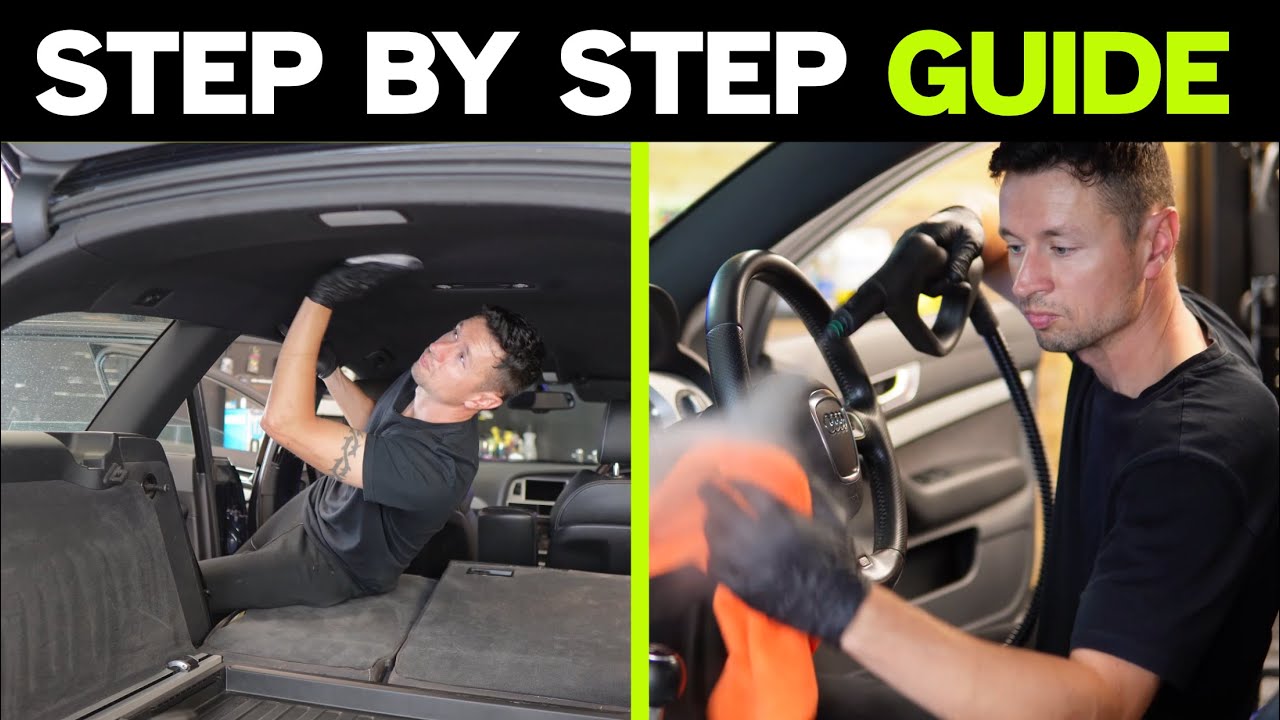
Credit: www.youtube.com
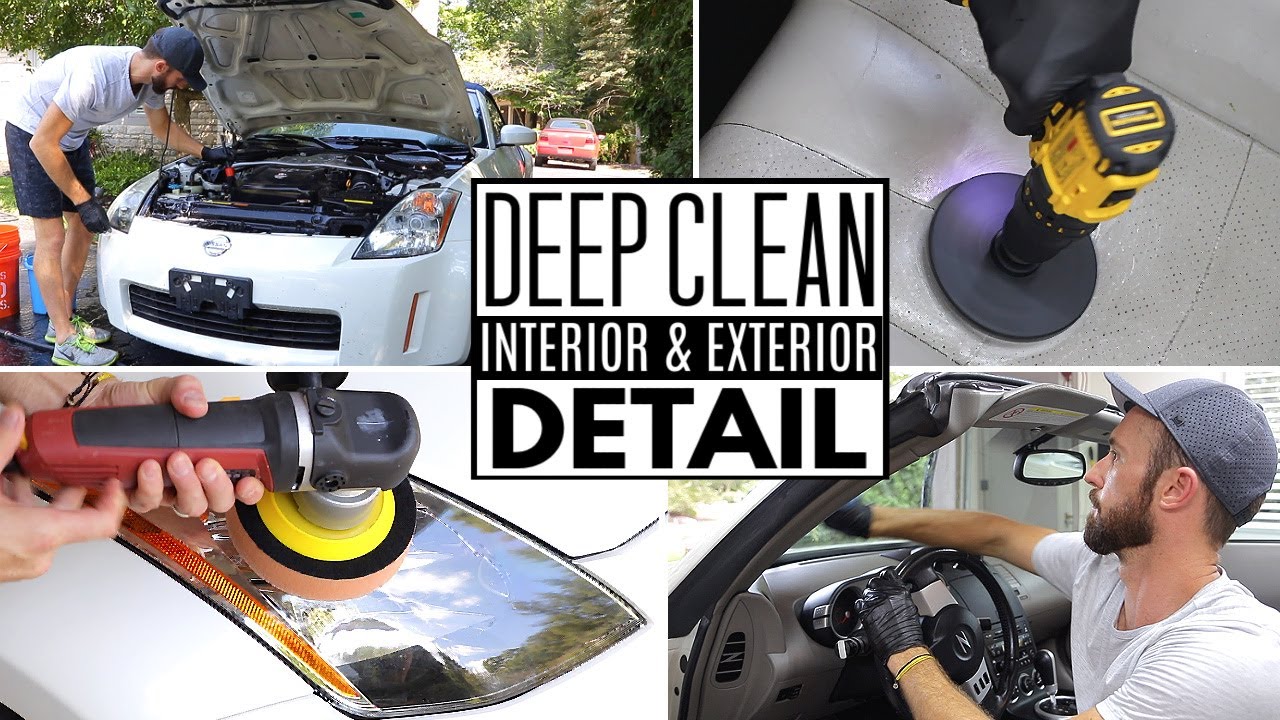
Credit: www.youtube.com
Frequently Asked Questions
What Tools Are Essential For Car Detailing?
Essential tools include microfiber cloths, car wash soap, wax, polish, clay bar, and vacuum. These help clean, polish, and protect your car efficiently.
How Often Should I Detail My Car?
Detail your car every 4 to 6 months. Regular detailing maintains paint, prevents damage, and keeps your vehicle looking new longer.
Can I Detail My Car At Home?
Yes, you can detail your car at home. Using proper products and techniques, you can achieve professional-level results safely and affordably.
What Is The Difference Between Washing And Detailing?
Washing cleans the car’s surface. Detailing involves deep cleaning, polishing, and protecting both interior and exterior for a thorough care.
Conclusion
Detailing a car takes time and care. Clean each part gently but well. Use the right tools and products for best results. A shiny, clean car feels good to drive. Regular detailing keeps your car looking new longer. Try these steps to keep your car fresh and bright.
Small efforts make a big difference in car care. Enjoy the process and the results you get. Your car deserves this kind of attention. Keep it clean, and it will thank you.







