
Your leather car seats add a touch of luxury to your ride, but keeping them spotless can be tricky. Dirt, sweat, and spills build up over time, making your seats look dull and worn out.
If you want your car interior to feel fresh and inviting every time you step in, you need to deep clean your leather seats the right way. In this guide, you’ll discover simple, effective steps to restore the beauty and softness of your leather, protect it from damage, and enjoy a cleaner, more comfortable drive.
Ready to make your leather seats look brand new? Let’s get started!
Credit: www.fibrenew.com
Preparing Your Car For Deep Cleaning
Deep cleaning leather car seats needs good preparation. It helps protect your car and get better results.
This guide covers three key parts before you start deep cleaning your leather seats.
Gathering Essential Cleaning Supplies
Before cleaning, collect all tools and products. Having everything ready saves time and prevents interruptions.
- Soft microfiber cloths
- Leather cleaner suitable for car seats
- Leather conditioner
- Soft brush for dirt removal
- Vacuum cleaner with brush attachment
- Plastic covers or towels to protect surfaces
- Spray bottle with water for dampening cloths
Protecting Interior Components
Cover parts that should not get wet or dirty. This keeps your car interior safe during cleaning.
| Component | Protection Method |
|---|---|
| Dashboard | Use plastic wrap or towels |
| Carpet | Place towels or mats |
| Electronics | Cover with plastic sheets |
| Door panels | Wrap with soft cloths |
Vacuuming Loose Dirt And Debris
Remove loose dirt before cleaning leather. Vacuuming stops dirt from scratching the leather.
- Use a vacuum with a soft brush attachment.
- Gently vacuum all seat surfaces and seams.
- Check for crumbs and dust under the seats.
- Empty the vacuum container to keep suction strong.
Choosing The Right Cleaner For Leather
Cleaning leather car seats needs care and the right products. Using the wrong cleaner can damage the leather.
This guide helps you pick the best cleaner. It covers types of cleaners, chemicals to avoid, and testing methods.
Types Of Leather Cleaners
Leather cleaners come in many forms. Some are made for specific leather types, like smooth or suede.
- Leather soaps: Mild and gentle for regular cleaning
- Leather conditioners: Clean and keep leather soft
- Foam cleaners: Easy to use and quick drying
- Natural cleaners: Use oils like coconut or olive oil
Avoiding Harsh Chemicals
Harsh chemicals can dry out or crack leather. Avoid cleaners with alcohol, bleach, or ammonia.
| Chemical | Effect on Leather |
| Alcohol | Dries and fades color |
| Bleach | Discolors and weakens leather |
| Ammonia | Causes cracking and stiffness |
| Acetone | Removes finish and causes damage |
Testing Cleaners On Hidden Areas
Always test a cleaner on a small, hidden area first. This shows if the cleaner harms the leather.
- Pick a spot under the seat or inside a seam
- Apply a small amount of cleaner
- Wait 10 minutes to check for color change or damage
- If safe, clean the rest of the seat
Step-by-step Deep Cleaning Process
Deep cleaning leather car seats keeps them soft and looking new. It removes dirt and stains that regular cleaning misses.
This guide shows you how to clean your leather seats carefully and effectively.
Applying Cleaner To The Seats
Start by choosing a leather cleaner made for car seats. Avoid harsh chemicals that can damage the leather.
- Spray or apply the cleaner evenly on a small seat section.
- Let the cleaner sit for a few minutes to loosen dirt.
- Use a soft cloth to spread the cleaner gently.
Gently Scrubbing Stubborn Stains
Use a soft brush to scrub tough stains on the leather. Do not press too hard to avoid scratching the surface.
| Type of Stain | Cleaning Method |
| Food or Drink | Use mild soap and water with soft brush |
| Oil or Grease | Apply leather cleaner and scrub gently |
| Ink or Dye | Use leather stain remover carefully |
Wiping Off Residue With Microfiber Cloths
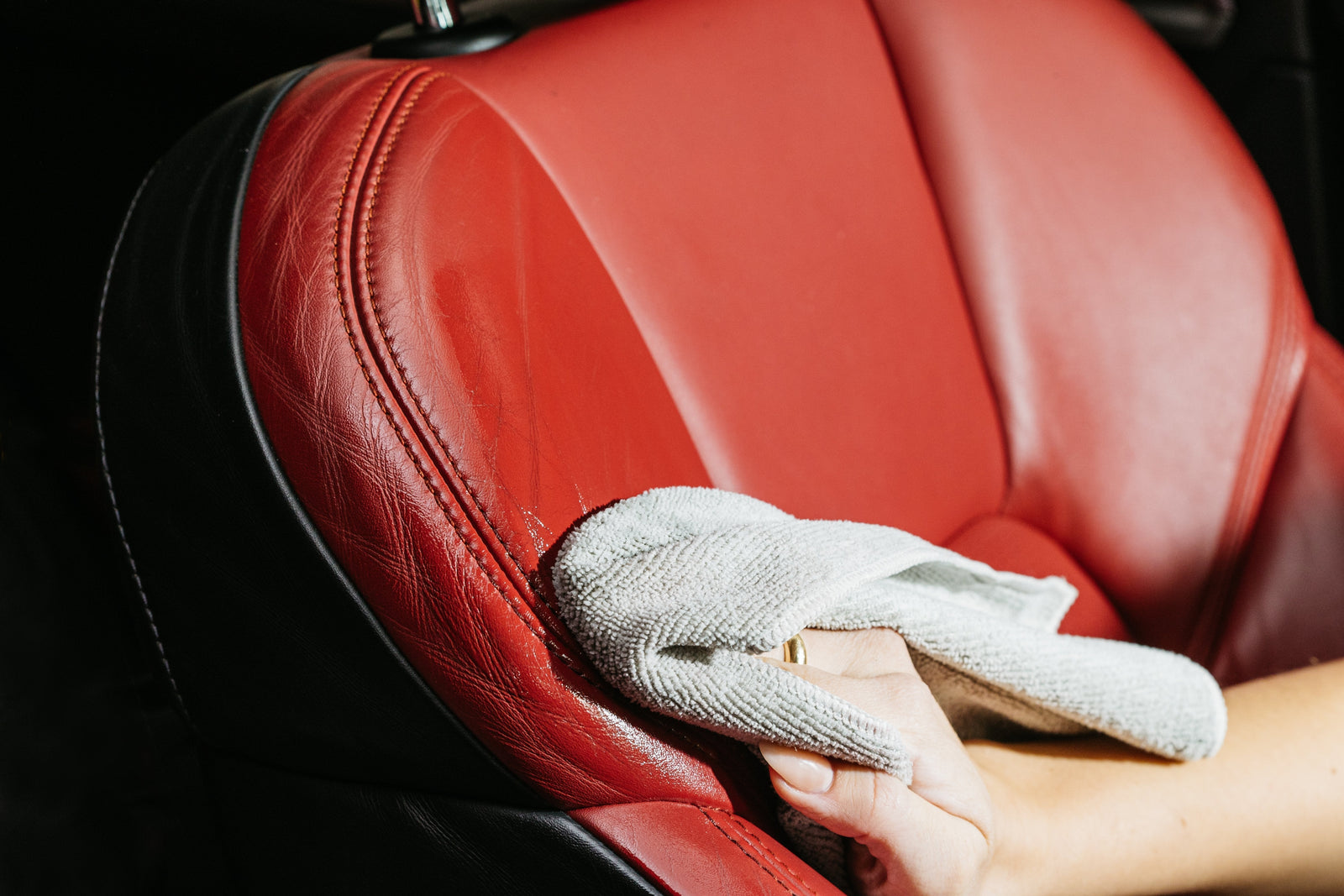
After scrubbing, wipe off all cleaner residue with a clean microfiber cloth. This prevents dirt from sticking again.
- Use a dry microfiber cloth to remove excess cleaner.
- Buff the leather to restore its shine.
- Repeat the process if any cleaner remains on the seat.
Conditioning Leather For Longevity
Leather car seats need regular care to stay soft and strong. Conditioning helps protect them from cracks and wear.
Using the right conditioner and applying it well keeps your leather looking new for years.
Selecting Leather Conditioner
Choose a conditioner made for car leather. Avoid products with harsh chemicals or dyes.
- Look for natural oils like lanolin or neatsfoot oil
- Pick a cream or lotion for deep hydration
- Check if it protects against UV rays and water
- Test on a small hidden spot first
Applying Conditioner Evenly
Apply conditioner with a soft cloth or sponge. Spread it in thin, even layers to avoid sticky patches.
| Application Tip | Details |
| Use clean cloth | Prevents dirt from scratching leather |
| Work in small sections | Ensures full coverage |
| Light pressure | Helps conditioner soak in without damage |
| Buff after application | Removes excess and adds shine |
Allowing Leather To Absorb Treatment
Let the leather rest after applying conditioner. This time lets oils sink deep into the material.
- Keep car doors open or windows down for airflow
- Wait at least 30 minutes before touching seats
- Avoid using the car seats during this time
- Repeat conditioning every 3 to 6 months
Maintaining Spotless Leather Seats
Leather car seats add style and comfort to your vehicle. Keeping them clean helps them last longer and look great.
Regular care prevents dirt and damage. Follow simple steps to keep your leather seats spotless.
Regular Cleaning Tips
Clean your leather seats often to stop dirt buildup. Use a soft cloth and gentle cleaner made for leather.
Wipe seats gently and avoid soaking the leather. Dry with a clean towel to keep seats fresh.
- Vacuum seats to remove dust and crumbs
- Use a mild leather cleaner for dirt
- Apply leather conditioner every few months
- Avoid harsh chemicals or abrasive cloths
Protecting Seats From Sun Damage
Sunlight can fade and crack leather. Protect your seats by blocking direct sun when parked.
Use window shades or park in shaded areas. This keeps leather soft and prevents damage from heat.
- Use sunshades on front and side windows
- Park in garages or shaded spots
- Apply leather protectant with UV blockers
- Keep car windows slightly open to reduce heat
Dealing With Spills And Stains Quickly
Clean spills right away to avoid stains. Blot liquids with a soft cloth without rubbing.
Use a leather cleaner for tough stains. Test cleaner on a small spot before full use.
- Blot spills immediately with a dry cloth
- Use a damp cloth for sticky spots
- Apply a leather-safe cleaner if needed
- Do not use water or soap directly on leather
Credit: www.leatherhoney.com
Common Mistakes To Avoid
Deep cleaning leather car seats is essential for maintaining their beauty. Many people make mistakes that can damage the leather. Here are some common errors to avoid.
Using Excessive Water
Water is not a friend to leather. Using too much water can cause stains and damage the material. Always use a damp cloth, not a soaked one.
- Water can cause discoloration
- Excess water might lead to mold
- Leather may crack if over-wet
Ignoring Manufacturer Recommendations
Each car seat may have specific cleaning instructions. Ignoring these can void warranties or harm the leather. Always read and follow the manufacturer’s guidelines.
Check the car manual for any specific cleaning advice. Use recommended products for the best results.
Overusing Cleaning Products
Using too many cleaning products can be harmful. These products can strip away natural oils in the leather, making it dry and brittle.
- Use minimal amounts of cleaner
- Test product on a small area first
- Choose products designed for leather

Credit: ethoscarcare.com
Frequently Asked Questions
How Often Should I Deep Clean Leather Car Seats?
Deep clean your leather seats every 3 to 6 months. Frequent cleaning prevents dirt buildup and maintains leather softness. Regular care extends seat life and keeps your car interior fresh and appealing.
What Products Are Safe For Cleaning Leather Car Seats?
Use pH-balanced leather cleaners or mild soap with water. Avoid harsh chemicals, bleach, or ammonia as they damage leather. Always test products on a small area before full application for best results.
Can I Use Household Cleaners On Leather Seats?
No, household cleaners often contain harsh ingredients that can dry out or discolor leather. Always choose products specifically designed for leather care to protect and preserve your seats.
How Do I Remove Stains From Leather Car Seats?
Blot stains immediately with a soft cloth. Use a leather cleaner and gently rub the stain in circular motions. Avoid soaking the leather to prevent damage and follow with a conditioner.
Conclusion
Deep cleaning leather car seats keeps them looking fresh and new. Regular care stops dirt and stains from building up. Use gentle cleaners and soft cloths for best results. Avoid harsh chemicals that can damage leather. Dry seats well to prevent moisture problems.
Clean seats improve your car’s comfort and value. A little effort goes a long way in seat care. Keep your car interior neat with simple steps. Your leather seats will thank you with lasting beauty.







