
Your car engine works hard every day, and it deserves some care in return. Cleaning your car engine isn’t just about making it look good—it helps your engine run cooler, lasts longer, and can even boost performance.
But if you’ve never done it before, the process might seem tricky or risky. Don’t worry—you’re about to discover simple, step-by-step tips to clean your engine safely and effectively. Keep reading, and you’ll learn how to give your engine the deep clean it needs without any stress or confusion.
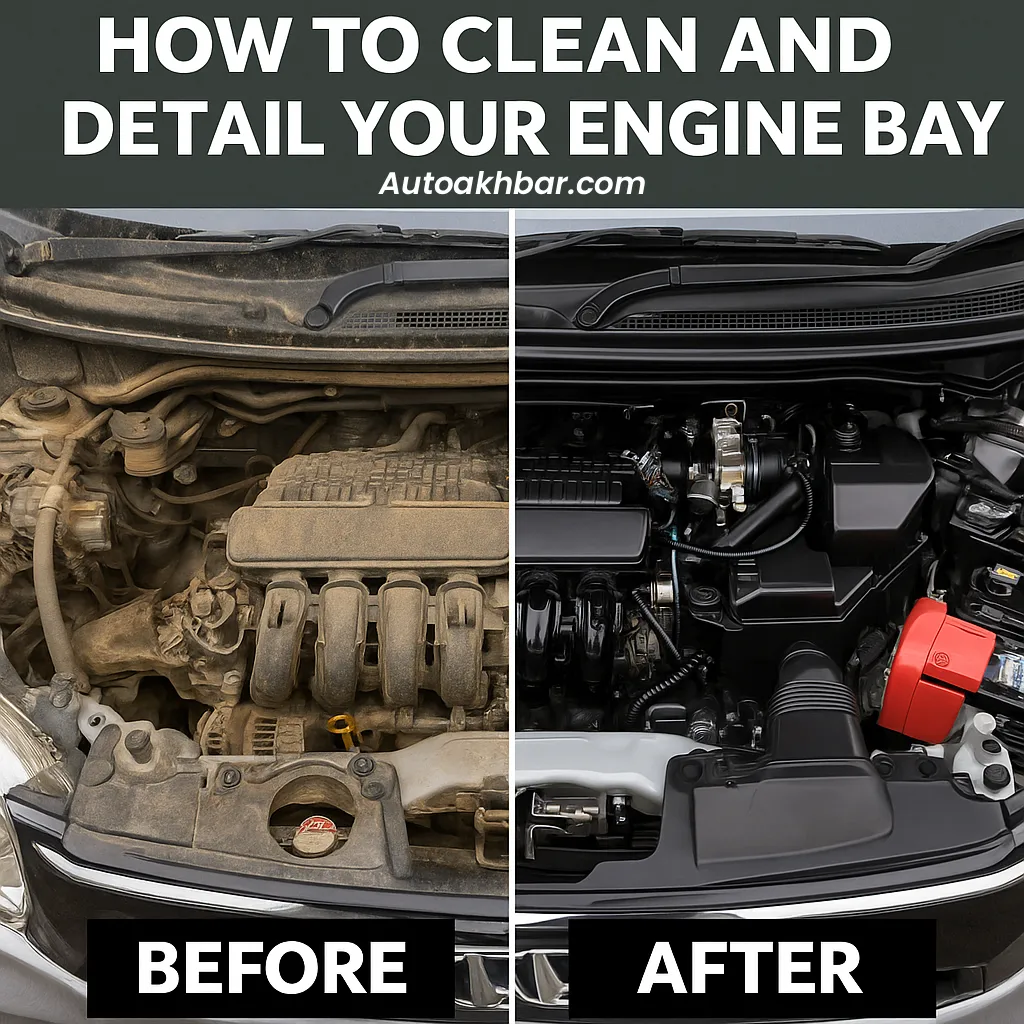
Credit: autoakhbar.com
Preparing Your Engine For Cleaning
Cleaning your car engine keeps it running well and looking good. Preparing the engine properly helps avoid damage.
Follow simple steps before you start to make the cleaning safe and easy.
Gathering Necessary Supplies
Get all the tools and materials before you begin. This saves time and makes cleaning smoother.
- Engine degreaser or cleaner
- Plastic bags and tape
- Soft brushes and cloths
- Spray bottle with water
- Gloves and safety glasses
- Air compressor or leaf blower (optional)
Ensuring Engine Is Cool
Wait until your engine is completely cool before cleaning. Hot engines can cause burns or damage.
Cleaning a hot engine can also cause water to evaporate too fast, leaving dirt behind.
Protecting Sensitive Components
Cover parts that should not get wet. This helps prevent electrical problems and corrosion.
- Use plastic bags to cover the battery and terminals
- Wrap the air intake and distributor with tape and plastic
- Protect exposed wiring and sensors carefully

Credit: www.youtube.com
Choosing The Right Cleaning Products
Cleaning your car engine needs the right products to avoid damage. Picking good items helps you clean safely and well.
Use products that match your engine type. This keeps parts working longer and looking clean.
Engine Degreasers
Engine degreasers remove tough oil and dirt. Choose water-based or solvent-based types. Water-based degreasers are safer for the environment.
- Check if the degreaser is safe for metal and plastic parts.
- Pick a product that works well on heavy grease.
- Read instructions to use the right amount and avoid damage.
- Use biodegradable degreasers if possible.
Brushes And Cloths
Use brushes and cloths to scrub and wipe the engine. Soft brushes avoid scratching parts. Microfiber cloths absorb dirt well.
| Type | Use | Material |
| Soft Brush | Gentle scrubbing | Nylon bristles |
| Stiff Brush | Heavy dirt removal | Plastic bristles |
| Microfiber Cloth | Wiping and drying | Microfiber fabric |
| Cotton Cloth | Light cleaning | Cotton fabric |
Water And Detergents
Use clean water to rinse the engine after cleaning. Mild detergents help remove grease without harm. Avoid harsh soaps that can damage parts.
Tips for using water and detergents:
- Use lukewarm water for better cleaning.
- Mix detergent with water in a bucket before use.
- Rinse thoroughly to remove all detergent.
- Dry engine parts with a clean cloth after rinsing.
Step-by-step Cleaning Process
Cleaning your car engine helps keep it running smoothly. Dirt and grime can cause damage over time. Follow these steps to clean your engine safely and effectively.
This guide breaks down the cleaning process into easy parts. Each section explains what you need to do for the best results.
Removing Loose Dirt And Debris
Start by clearing away loose dirt and leaves. Use a soft brush or compressed air to remove debris. This prevents scratches and helps the cleaner work better.
Applying Degreaser
Apply a degreaser to greasy and oily spots on the engine. Let it sit for a few minutes to break down the grime. Use a spray bottle for even coverage.
- Choose a degreaser safe for engines
- Wear gloves to protect your hands
- Avoid spraying on electrical parts
- Follow the product instructions carefully
Scrubbing Stubborn Areas
Use a soft brush or sponge to scrub tough spots. Work gently to avoid damaging wires and hoses. Repeat the degreaser application if needed for heavy stains.
Rinsing The Engine
Rinse the engine with low-pressure water to wash off the degreaser and dirt. Avoid high pressure to protect sensitive parts. Cover the air intake and electrical components before rinsing.
| Part | Protection Tip |
|---|---|
| Air Intake | Cover with plastic wrap or bag |
| Battery | Seal terminals with plastic wrap |
| Electrical Components | Use waterproof covers or tape |
Drying Techniques
Dry the engine using clean cloths or air blowers. Remove covers from protected parts after drying. Let the engine air dry fully before starting your car.
Safety Tips During Engine Cleaning
Cleaning your car engine helps keep it running well. It also makes your engine look good. Safety is very important during cleaning.
Engines have many parts that can be damaged if you are not careful. Follow safety tips to protect yourself and your car.
Avoiding Electrical Damage
Engines have many electrical parts that water can harm. Protect these parts to stop damage or short circuits.
Cover the battery, alternator, and fuse box with plastic bags. Do not spray water directly on electrical parts.
- Disconnect the battery before cleaning
- Use a low-pressure water spray
- Keep electrical connections dry
- Check wires for damage before cleaning
Handling Chemicals Safely
Engine cleaners and degreasers contain strong chemicals. Use them carefully to avoid skin or eye harm.
Wear gloves and safety glasses when using chemicals. Work in a well-ventilated area to avoid breathing fumes.
- Read the labels before use
- Do not mix different chemicals
- Keep chemicals away from children and pets
- Wash hands after handling chemicals
Proper Disposal Of Waste
Used water and leftover chemicals can harm the environment. Dispose of them the right way to protect nature.
Do not pour engine cleaning water into drains or soil. Collect waste and take it to a local disposal center.
- Use a bucket to catch dirty water
- Store leftover chemicals in labeled containers
- Find a hazardous waste disposal site nearby
- Follow local laws for chemical waste disposal
Maintaining A Clean Engine
Keeping your car engine clean helps it run better and last longer. Dirt and grease can cause problems if left unchecked.
Regular care of your engine keeps it in good shape. This guide shows easy ways to clean and protect your engine.
Regular Cleaning Schedule
Set a cleaning schedule to keep your engine free from dirt and grime. Clean it every few months or after long trips.
- Park the car in a cool, dry place before cleaning.
- Cover sensitive parts like the air intake and battery.
- Use a gentle engine cleaner spray and soft brush.
- Rinse carefully with low-pressure water.
- Dry the engine using a microfiber cloth or let it air dry.
Spot Cleaning Tips
Spot clean areas with oil or dirt buildup between full washes. This helps avoid bigger problems.
| Spot | Cleaning Method |
|---|---|
| Oil Stains | Apply degreaser and scrub gently with a brush. |
| Grease Buildup | Use warm soapy water and a cloth to wipe off. |
| Dust and Dirt | Use a soft brush or compressed air to remove. |
| Corrosion Areas | Clean with a vinegar solution and rinse well. |
Benefits Of Engine Cleanliness
A clean engine runs cooler and works more efficiently. It also helps find leaks or damages early.
- Improves fuel efficiency
- Reduces engine wear and tear
- Makes engine inspections easier
- Prevents costly repairs
- Maintains vehicle value

Credit: wat-erblast.com.au
Frequently Asked Questions
How Often Should I Clean My Car Engine?
Cleaning your car engine every 1 to 2 years is ideal. Regular cleaning prevents dirt buildup and maintains engine efficiency. Frequent cleaning depends on driving conditions and environment. Always check your owner’s manual for specific recommendations.
What Materials Do I Need To Clean A Car Engine?
You need a degreaser, plastic bags, a soft brush, water hose, and microfiber cloths. Wearing gloves and eye protection is important. Avoid harsh chemicals that damage engine components. Use products designed specifically for engine cleaning.
Can I Use A Pressure Washer To Clean My Engine?
Using a pressure washer is risky. High pressure can damage sensitive parts like wiring and sensors. Instead, use a gentle water spray combined with degreaser and brushes. Always cover electrical components before cleaning to avoid water damage.
Is It Safe To Clean A Hot Engine?
No, cleaning a hot engine is unsafe. Let the engine cool completely to prevent burns and damage. Cleaning a cold engine ensures degreasers work effectively and reduces risk of cracking due to temperature shock.
Conclusion
Cleaning your car engine keeps it running smooth and cool. Dirt and grease can cause problems over time. Regular cleaning helps spot leaks and worn parts early. Use safe products and gentle tools to protect your engine. Take your time and follow the steps carefully.
A clean engine means better performance and longer life. Small effort now can save big repair costs later. Keep your engine clean and enjoy a smoother ride. Simple care makes a big difference for your car.







