
Mold on your leather car seats isn’t just ugly—it can damage the material and even affect your health. If you’ve noticed those pesky black or green spots creeping in, you probably want a quick and safe way to get rid of them.
The good news? Cleaning mold off leather isn’t as hard as you might think. In this guide, you’ll learn simple steps to restore your seats and keep them looking fresh. Keep reading, and you’ll discover how to protect your car’s interior and breathe easier every time you drive.

Credit: www.youtube.com
Causes Of Mold On Leather Seats
Mold on leather car seats happens when conditions are right for mold to grow. Mold needs moisture, warmth, and time.
Knowing what causes mold helps you stop it early and keep your seats clean and safe.
Humidity And Moisture
High humidity makes leather seats damp. Moisture stays in the leather and creates a good home for mold.
Rain, wet clothes, or leaving windows open can add moisture inside your car.
- Wet weather increases moisture inside the car
- Leather absorbs water and stays damp
- Long damp periods help mold grow
Poor Ventilation
Cars without good airflow trap moisture inside. This makes the air inside damp and helps mold grow on leather seats.
Poor ventilation means the seats cannot dry well after getting wet.
- Closed windows block fresh air
- Blocked air vents stop air circulation
- Lack of airflow keeps leather damp
Spills And Dirt
Spilled drinks or food leave moisture and dirt on leather seats. This creates a perfect place for mold to start.
Dirt holds moisture and provides nutrients that help mold grow faster.
- Spills add moisture and food for mold
- Dirt traps moisture on the leather surface
- Not cleaning spills quickly causes mold
Safety Precautions Before Cleaning
Cleaning mold from leather car seats needs care to keep you safe. Mold can cause health problems if you do not take precautions.
Before you start, prepare your space and protect yourself properly. This will help you clean safely and well.
Wear Protective Gear
Always wear protective gear before cleaning mold. Mold spores can irritate your skin and lungs.
Use gloves, a mask, and eye protection. This gear stops mold spores from touching your skin and entering your body.
- Use rubber or latex gloves to protect your hands
- Wear an N95 mask to avoid breathing in spores
- Put on safety goggles to protect your eyes
Work In A Well-ventilated Area
Choose a place with good airflow when cleaning mold. Fresh air helps remove mold spores from the air.
Open car doors and windows. This lowers the chance of breathing in harmful spores and keeps the air fresh.
- Open all car doors and windows wide
- Use fans if possible to move air outside
- Avoid cleaning in small, closed spaces
Gathering Cleaning Supplies
Cleaning mold off leather car seats needs the right supplies. Using safe tools helps protect the leather.
Gather everything before you start to make the process smooth and quick.
Mild Soap And Water
Use mild soap mixed with water to clean mold gently. Avoid harsh soaps that can damage leather.
This mix helps remove mold without harming the seat’s surface or color.
Leather Cleaner Options
Leather cleaners are made to protect and clean leather safely. Choose one that suits your seat type.
Look for cleaners that say they are safe for car leather and can remove mold or mildew.
- pH-balanced leather cleaners
- Natural leather cleaning solutions
- Leather conditioners with cleaning agents
Soft Cloths And Brushes
Use soft cloths to avoid scratching the leather. Microfiber cloths work well for cleaning and drying.
Soft brushes can help remove mold from textured leather areas without damage.
- Microfiber cloths for wiping and drying
- Soft-bristled brushes for gentle scrubbing
- Old toothbrushes for tight seams
Step-by-step Mold Removal
Mold on leather car seats can cause damage and smell bad. It is important to clean it carefully. This guide shows easy steps to remove mold safely.
Follow these steps to protect your leather seats and keep them looking good. Use gentle cleaning methods to avoid hurting the leather.
Vacuuming Loose Mold
Start by removing loose mold spores from the leather surface. Use a vacuum cleaner with a soft brush attachment to avoid scratching the leather.
- Wear a mask to avoid breathing mold spores
- Use low suction power on the vacuum
- Gently vacuum the entire seat surface
- Dispose of the vacuum bag or clean the container after use
Applying Cleaning Solution
Apply a mold-cleaning solution made for leather. You can use a mix of equal parts water and rubbing alcohol or a commercial leather cleaner.
- Test the solution on a hidden spot first
- Use a soft cloth lightly dampened with the solution
- Apply gently without soaking the leather
- Work on small sections at a time
Wiping And Scrubbing
Remove mold stains by wiping and lightly scrubbing the leather. Use a soft brush or sponge to avoid damage.
| Tool | Purpose |
| Soft cloth | Apply cleaning solution |
| Soft brush | Gently scrub mold spots |
| Sponge | Wipe off residue |
Always wipe in a circular motion. Avoid pressing too hard on the leather surface.
Drying The Leather
After cleaning, dry the leather fully. Use a dry towel to absorb moisture and air dry the seats in a shaded area.
- Do not use direct heat or sunlight
- Keep car windows open for air circulation
- Allow several hours for complete drying
- Apply leather conditioner after drying to keep leather soft
Conditioning Leather After Cleaning
Cleaning mold off leather car seats can dry out the material. Conditioning leather helps keep it soft and strong. It also stops cracks and damage.
After cleaning, use a good conditioner to restore moisture. This step protects your seats and keeps them looking new.
Choosing The Right Conditioner
Pick a conditioner made for leather car seats. Avoid products with harsh chemicals or petroleum. These can harm the leather.
Look for conditioners that hydrate and protect. Cream or lotion types work well. Test the conditioner on a small spot first.
- Choose a pH-balanced formula for leather
- Avoid silicone-based conditioners
- Pick a product with natural oils
- Check product reviews for car leather use
Applying Conditioner Properly
Clean the seats fully before applying conditioner. Use a soft cloth or sponge to apply it evenly. Work in small sections.
Let the conditioner soak in for 10 to 15 minutes. Then, buff the seats with a dry cloth. This removes extra conditioner and shines the leather.
- Use circular motions while applying
- Do not over-apply; a thin layer is enough
- Allow time for leather to absorb conditioner
- Buff gently for a smooth finish
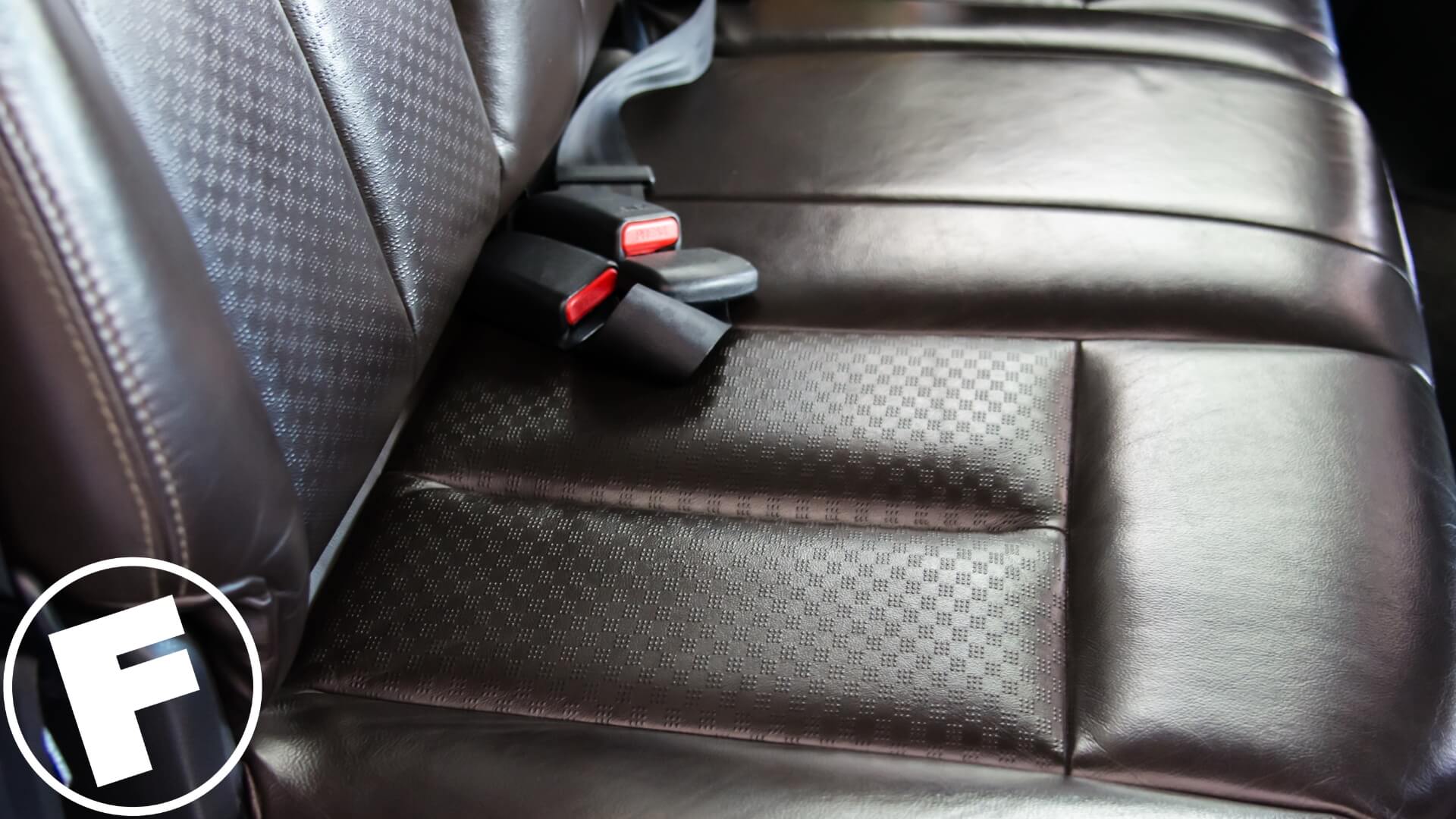
Credit: www.fibrenew.com
Preventing Mold Growth
Mold on leather car seats is unpleasant and can cause health issues. Keeping mold at bay involves simple and regular care. Here are some steps to help prevent mold from forming on your seats.
Controlling Moisture Levels
Moisture is a primary cause of mold on leather. Controlling it is key to prevention. Keep your car dry, especially during rainy seasons.
- Use a dehumidifier in your garage.
- Keep windows closed during rain.
- Fix any leaks in the car promptly.
Regular Cleaning Routine
Regular cleaning prevents dirt and moisture build-up. Clean your leather seats often using appropriate products.
Using Protective Covers
Protective covers are a simple way to guard against mold. They shield the leather from spills and moisture.
| Cover Type | Protection Level |
| Waterproof covers | High |
| Fabric covers | Medium |
| Plastic covers | Low |
When To Seek Professional Help
Mold on leather car seats can be a big problem. Sometimes, cleaning it yourself is not enough. Knowing when to get professional help is important for keeping your seats in good shape.
Professionals have the right tools and skills. They can clean mold deeply and safely. Here are some situations when you should consider calling them.
Mold Covers A Large Area
If mold covers a big part of your seat, cleaning it yourself can be tough. Large mold spots need special care to remove completely. Professionals can ensure the mold is gone for good.
- Experts use strong cleaning solutions
- They have equipment to reach deep mold
- Professionals know how to prevent mold return
Persistent Mold Odor
Mold can leave a strong smell that is hard to remove. If your car still smells after cleaning, it might be time to call a professional. They have methods to eliminate odors completely.
- Professionals use deodorizing techniques
- They can identify hidden mold causes
- Experts ensure no bad smells linger
Damage To Leather
Mold can damage leather if not treated correctly. If your leather looks cracked or discolored, it is best to get professional help. They can treat the leather and restore it as much as possible.
- Professionals can repair and restore leather
- They use products safe for leather
- Experts prevent further damage during cleaning
Health Concerns
If mold is causing health issues like allergies or breathing problems, get help fast. Professionals can safely remove mold and improve air quality in your car.
- Experts follow safety protocols
- They ensure complete mold removal
- Professionals improve car air quality

Credit: www.fresh-layer.com
Frequently Asked Questions
How Do I Safely Remove Mold From Leather Car Seats?
Use a mixture of equal parts water and rubbing alcohol. Dampen a cloth and gently wipe the moldy areas. Avoid soaking the leather. Dry the seats with a clean towel immediately after cleaning.
What Household Items Can Clean Mold On Leather Seats?
White vinegar and rubbing alcohol are effective for mold removal. Mix them with water for a gentle cleaning solution. These items kill mold without damaging leather surfaces when used properly.
How Often Should I Clean Mold From Leather Car Seats?
Clean mold as soon as you notice it to prevent damage. Regularly inspect and clean seats every 3-6 months. Frequent cleaning keeps leather healthy and mold-free.
Can Leather Conditioner Prevent Mold Growth On Car Seats?
Yes, using a leather conditioner helps maintain moisture balance. Conditioned leather resists mold growth by staying supple and less prone to cracking. Apply conditioner after cleaning for best results.
Conclusion
Cleaning mold off leather car seats protects your car’s look and health. Act quickly to stop mold growth. Use gentle cleaners and soft cloths to avoid damage. Dry the seats well to prevent mold’s return. Regular checks keep your seats fresh and safe.
A clean car feels nicer to drive. Keep these tips in mind for easy maintenance. Your leather seats will stay strong and mold-free. Simple steps make a big difference.







