
Leather car seats add a touch of luxury to your vehicle, but what happens when they develop holes? You might think cleaning them is impossible without making the damage worse.
The good news is, you can clean your leather seats safely and keep them looking great—even with holes. You’ll discover easy, effective ways to care for your leather seats without causing more harm. Keep reading to learn the simple steps that will help protect your investment and keep your car interior fresh and inviting.
Assessing Damage On Leather Seats
Leather car seats can get damaged over time. Small holes can cause bigger problems if not fixed.
Checking the damage helps you decide how to clean and repair the seats safely.
Identifying Types Of Holes
Look closely at the holes in your leather seats. Different holes need different care.
Some holes are small punctures, while others might be tears or worn spots.
- Puncture holes:Small and round, caused by sharp objects.
- Tears:Longer rips where the leather is split.
- Worn spots:Areas where leather has thinned or cracked.
Checking Seat Condition
Check the whole seat, not just the holes. Look for cracks, stains, and softness.
Soft leather might be weak and need gentle cleaning. Hard or cracked leather needs repair first.
- Feel the leather for softness or stiffness.
- Look for loose threads or peeling.
- Note any stains or dirt around holes.
- Check seat padding under the leather.

Credit: www.reddit.com
Gathering Repair Materials
Fixing holes in leather car seats needs the right materials. Getting these ready makes the repair easier.
Use good tools and supplies to get a smooth, clean fix. It helps the seat last longer and look better.
Essential Tools And Supplies
You need some basic tools to clean and repair leather seats with holes. These help you work carefully and safely.
- Leather cleaner to remove dirt and oils
- Soft cloths or sponges for cleaning
- Sandpaper or leather prep pad to smooth edges
- Leather glue or adhesive for patching holes
- Leather filler to fill small gaps
- Palette knife or spatula to spread filler
- Leather dye or colorant to match the seat
- Protective gloves to keep hands clean
- Fine brush for applying dye or glue
- Masking tape to protect areas around the hole
Choosing The Right Leather Filler
Leather filler is key to fixing holes well. Pick one that matches your seat type and color.
Look for fillers made for car leather. They stay flexible and do not crack easily after drying.
- Choose a filler that dries fast but allows smoothing
- Pick a color that closely matches your leather seat
- Opt for water-based fillers for easy clean-up
- Test filler on a small hidden spot before full use
Cleaning Leather Seats Before Repair
Cleaning leather seats is important before fixing holes. Dirt and oils can stop repair materials from sticking well.
Proper cleaning helps the repair last longer and look better. Use gentle products to protect the leather.
Using Gentle Leather Cleaners
Choose a leather cleaner made for delicate surfaces. Harsh chemicals can damage the leather further.
Apply the cleaner with a soft cloth. Avoid scrubbing hard, especially near the holes.
- Pick pH-balanced leather cleaners
- Use microfiber or soft cotton cloths
- Test cleaner on a small hidden area first
- Do not soak the leather with liquid
Removing Dirt And Oils
Dirt and oils build up from use and skin contact. They can block repair glue from bonding well.
Wipe the seats gently to lift dirt. Use a leather-safe degreaser if needed to remove oils.
- Start by vacuuming loose dirt
- Use a damp cloth with cleaner to wipe surface
- For oils, apply degreaser lightly
- Let seats dry completely before repair
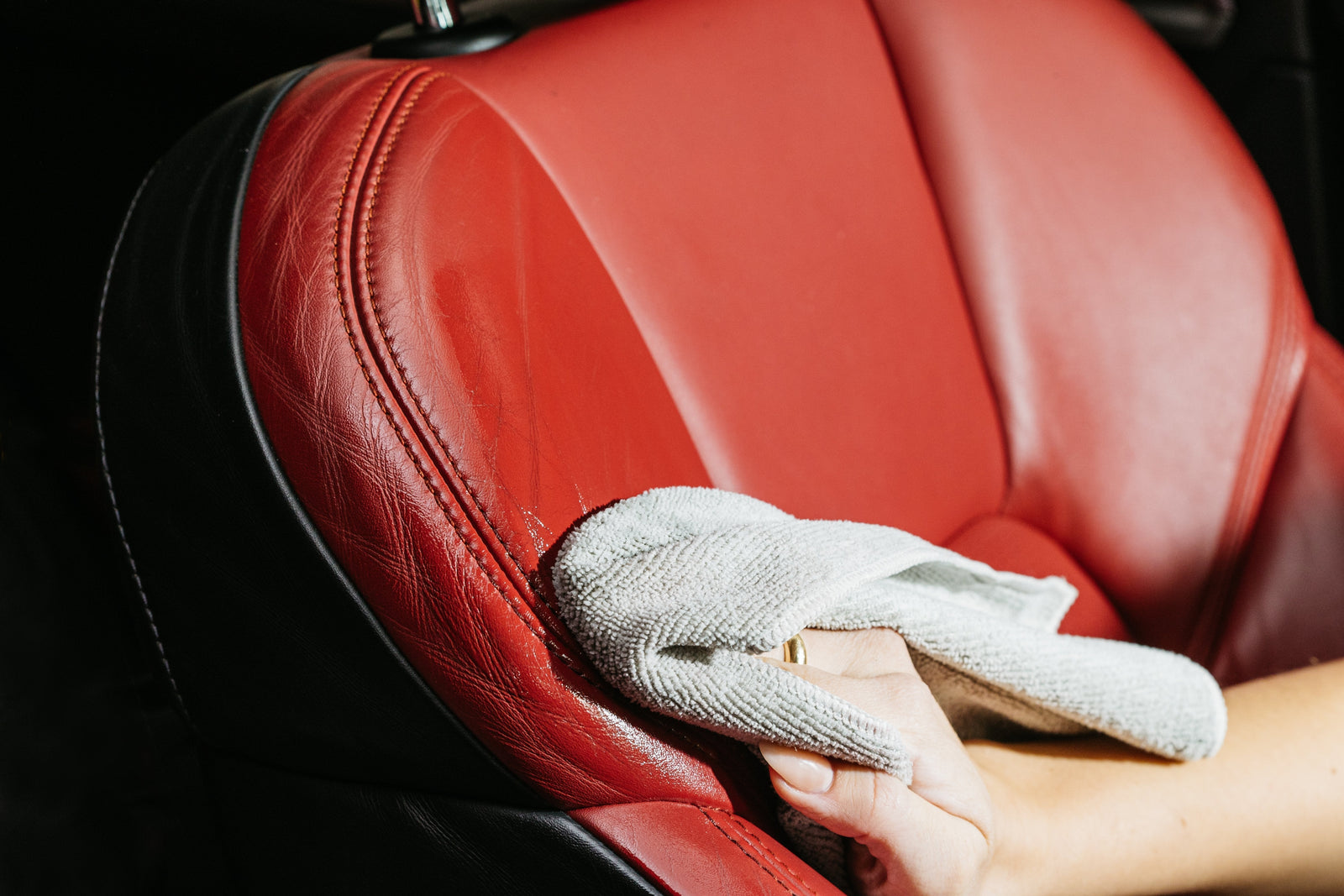
Credit: autosparkzone.com
Repairing Small Holes And Tears
Leather car seats can get small holes or tears over time. Fixing these issues quickly stops them from getting worse.
Using the right materials and steps helps keep your seats looking good and strong.
Applying Leather Filler
Leather filler fills in small holes and tears to restore the seat surface. Use a high-quality leather filler made for car seats.
Clean the damaged area before applying filler. Use a spatula or applicator to spread the filler evenly over the hole.
- Remove dirt and oils with a leather cleaner.
- Allow the area to dry completely.
- Apply the filler in thin layers.
- Let each layer dry before adding the next.
Smoothing And Blending Techniques
After the filler dries, smooth the area to match the seat’s texture. Use fine sandpaper or a soft cloth to gently smooth the surface.
Blend the repaired spot with the surrounding leather using a matching leather dye or colorant. This makes the repair less visible.
- Sand lightly for a smooth finish.
- Clean dust off before coloring.
- Apply color in thin coats.
- Allow color to dry fully between coats.
Fixing Larger Holes
Leather car seats with holes can be an eyesore. Fixing them takes patience and the right tools. Follow these steps to restore your seats.
Whether it’s a tiny tear or a big hole, fixing it yourself can save money. Here, we’ll focus on larger holes using patch kits and securing them properly.
Using Patch Kits
Patch kits are essential for repairing larger holes in leather seats. They often come with everything you need to fix the damage.
- Choose a patch that matches your seat color.
- Clean the area around the hole thoroughly.
- Cut the patch to size, leaving a small overlap.
After preparing the patch, carefully apply it over the hole. Ensure it is smooth and free of bubbles.
Securing And Sealing The Patch
Once the patch is in place, securing it is crucial for a lasting repair. Use the adhesive provided in your kit.
Let the adhesive dry completely. This might take a few hours, so patience is key. Once dry, your leather seat should look much better.
Color Matching And Finishing
Fixing leather car seats with holes needs careful color matching. This helps the repair look natural and blends with the rest of the seat.
After color matching, finishing the repair with a protective coating keeps the leather safe and clean for longer.
Selecting Leather Dye
Choose a dye that matches your car seat’s original color. Test the dye on a small hidden area first to see if it blends well.
- Use water-based dyes for easy cleaning and safety.
- Select dyes made for automotive leather.
- Mix dyes if needed to get the exact shade.
- Apply dye in thin layers for better color control.
- Let each layer dry before adding the next one.
Applying Protective Coating
After dyeing, apply a protective coating to seal the color and protect the leather from damage.
| Coating Type | Benefits | Application Tip |
|---|---|---|
| Matte Finish | Reduces shine, natural look | Use light, even coats |
| Satin Finish | Soft shine, smooth feel | Apply with soft cloth |
| Glossy Finish | High shine, vibrant color | Use spray for even layer |
Maintaining Repaired Leather Seats
Leather car seats with holes need special care. Regular maintenance keeps them in good shape.
Follow these tips to ensure your leather seats stay clean and damage-free.
Regular Cleaning Tips
Regular cleaning is essential for leather seats. It prevents dirt build-up and keeps them looking new.
- Use a soft brush to clean dust from the holes.
- Wipe with a damp cloth and mild soap.
- Avoid harsh chemicals that can damage leather.
- Dry seats with a soft towel to prevent water spots.
Preventing Future Damage
Preventing damage helps extend the life of your leather seats. Simple steps can make a big difference.
| Preventive Measure | Benefit |
| Use seat covers | Protects from spills and sun damage |
| Park in the shade | Reduces sun exposure |
| Avoid sharp objects | Prevents scratches and tears |

Credit: apexautopros.com
Frequently Asked Questions
How Do I Clean Leather Car Seats With Holes?
Use a gentle leather cleaner and soft cloth to clean around holes. Avoid soaking the area to prevent damage. Clean gently to maintain leather integrity and avoid expanding holes.
Can I Use Household Cleaners On Leather Car Seats?
No, household cleaners can damage leather. Use products specifically designed for leather care. These protect the leather’s texture and color, especially around holes.
How Do I Repair Holes Before Cleaning Leather Seats?
Fill small holes with a leather repair kit before cleaning. Repair ensures cleaner solutions don’t worsen damage. Follow kit instructions for best results.
What Tools Are Best For Cleaning Damaged Leather Seats?
Use a microfiber cloth and soft brush for gentle cleaning. Avoid abrasive tools that can enlarge holes or scratch leather surfaces.
Conclusion
Cleaning leather car seats with holes needs care and patience. Use gentle cleaners and soft cloths to avoid more damage. Fill small holes carefully with leather repair kits for best results. Regular cleaning keeps seats looking fresh and prevents dirt buildup.
Taking time to fix holes helps protect your car’s interior. Keep your leather seats clean to enjoy a nicer ride every day. Simple steps make a big difference in seat care. Try these tips and see how your seats improve.







