
Is your car struggling to start, or have you noticed a white, powdery buildup around your battery terminals? That’s corrosion, and it can stop your battery from working properly.
But don’t worry—cleaning a corroded car battery is easier than you think. You’ll discover simple, safe steps to get your battery back in shape fast. Keep reading, and you’ll save money, avoid frustrating breakdowns, and keep your car running smoothly.
Signs Of A Corroded Battery
A car battery can corrode over time. This can cause problems starting the car. It is important to spot signs early.
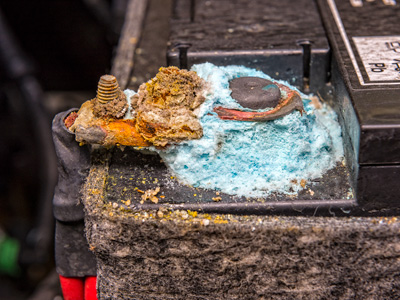
Corrosion usually appears around the battery terminals. It affects the battery’s performance and lifespan.
Visual Indicators
Look closely at the battery for any visible signs of corrosion. These signs help you know if cleaning is needed.
- White, green, or blue powdery deposits on terminals
- Crusty buildup around battery posts
- Leaking fluid near the battery caps
- Rust or discoloration on battery cables
- Swollen or cracked battery case
Performance Issues
Corrosion affects how well the battery works. It can cause different car problems.
| Issue | Effect on Car |
| Slow engine crank | Hard to start the car |
| Dim headlights | Lights appear weaker or flicker |
| Electrical problems | Radio or dashboard may not work properly |
| Battery warning light | Dashboard shows a battery alert |
Safety Precautions
Cleaning a corroded car battery can be dangerous without safety steps. Batteries contain acid that can hurt your skin and eyes.
Follow safety rules to protect yourself and work safely. Take time to prepare before starting the cleaning process.
Protective Gear
Wear the right gear to stop acid from touching your skin. Use gloves, glasses, and old clothes that cover your arms.
- Rubber gloves protect your hands from acid
- Safety goggles keep battery acid out of your eyes
- Long-sleeve shirts and pants cover your skin
- Closed shoes protect your feet from spills
Keep a towel or cloth nearby to wipe any splashes quickly. Avoid touching your face while cleaning.
Working In A Safe Environment
Work in a well-ventilated area to avoid breathing harmful gases. Fresh air helps keep you safe while cleaning the battery.
Keep flammable materials far from the battery. Sparks or flames can cause fire or explosion near the battery.
- Open windows or work outside
- Remove anything that can catch fire
- Keep a fire extinguisher nearby
- Have clean water ready to rinse acid spills
Tools And Materials Needed
Cleaning a corroded car battery requires specific tools and materials. Using the right items keeps the process safe and effective.
Below are the main supplies and tools you will need to clean your battery properly and maintain its performance.
Cleaning Supplies
These supplies help remove corrosion and dirt from the battery terminals and case.
- Baking soda – neutralizes battery acid
- Water – for mixing with baking soda and rinsing
- Old toothbrush or small wire brush – scrubs corrosion off
- Clean cloth or paper towels – for drying and wiping
- Protective gloves – to protect hands from acid and dirt
- Safety goggles – to protect eyes from splashes
Battery Maintenance Tools
These tools help you disconnect and check the battery safely during cleaning.
| Tool | Purpose |
| Wrench or socket set | Loosens battery terminal clamps |
| Wire brush or battery terminal cleaner | Removes corrosion from terminals and connectors |
| Multimeter | Checks battery voltage and condition |
| Battery terminal protector spray | Prevents future corrosion after cleaning |
Credit: www.batteriesplus.com
Step-by-step Cleaning Process
Cleaning a corroded car battery helps improve its performance. It also prevents damage to the battery and car.
This guide shows how to clean a car battery safely and effectively. Follow each step carefully to protect yourself and your car.
Disconnecting The Battery
Start by turning off the car and opening the hood. Locate the car battery and identify the terminals.
Always disconnect the negative terminal first. This prevents short circuits and sparks. Then disconnect the positive terminal.
- Wear gloves and safety glasses
- Use a wrench to loosen the negative terminal clamp
- Remove the negative cable
- Loosen and remove the positive cable
Removing Corrosion
Look for white, green, or blue powder on the battery terminals. This is corrosion and needs to be cleaned off.
Use a wire brush or an old toothbrush to scrub the corrosion gently. Be careful not to damage the battery terminals.
- Wear gloves to protect your skin
- Scrub all corroded areas thoroughly
- Remove loose corrosion with a cloth
Neutralizing Acid Residue
Corrosion comes from battery acid, which can harm your car and skin. Neutralize acid residue with a safe solution.
Mix baking soda with water to make a paste. Apply the paste to the corroded areas and let it sit for a few minutes.
- Mix 1 tablespoon of baking soda with 1 cup of water
- Use a brush to apply the mixture on corrosion
- Wait 5 minutes for the paste to neutralize acid
Rinsing And Drying
After neutralizing, rinse the battery with clean water to remove all residue. Avoid soaking the battery too much.
Use a clean cloth or towel to dry the battery. Make sure it is fully dry before reconnecting the terminals.
- Use a damp cloth or light water spray
- Dry terminals and battery surface carefully
- Check for any leftover corrosion before reconnecting
Preventing Future Corrosion
Corrosion on a car battery can cause problems and reduce its life. Taking simple steps can stop corrosion from coming back. Protecting the battery and checking it often helps keep it clean and working well.
This guide shows how to apply protective coatings and perform regular battery checks to prevent corrosion.
Applying Protective Coatings
Protective coatings block moisture and chemicals from reaching the battery terminals. They help stop corrosion before it starts. Use special sprays or grease made for car batteries.
- Clean the battery terminals with a brush before applying
- Use a battery terminal protector spray or petroleum jelly
- Apply a thin layer evenly over the terminals and cable ends
- Allow the coating to dry before closing the hood
- Reapply every few months or after cleaning the battery
Regular Battery Checks
Checking the battery regularly helps find early signs of corrosion. This lets you clean it quickly and avoid bigger problems. Look for white or green powder around the terminals.
| Check Item | What to Look For | Action |
| Battery Terminals | Powdery white or green buildup | Clean with baking soda solution |
| Battery Cables | Frayed or damaged wires | Replace cables if needed |
| Battery Case | Cracks or bulges | Replace battery |
| Voltage Level | Below 12.4 volts | Charge battery or test for replacement |

Credit: www.familyhandyman.com
When To Replace The Battery
Car batteries wear out over time. Knowing when to replace them is important. This ensures your car runs smoothly and avoids breakdowns.
Pay attention to signs of damage and lifespan indicators. These help decide if a new battery is needed.
Signs Of Irreversible Damage
Corrosion and leakage are major signs of damage. These can harm the battery and the car.
If you see cracks or swelling, the battery might be beyond repair. It’s best to replace it soon.
- Cracks in the battery case
- Excessive swelling
- Fluid leaks
- Heavy corrosion around terminals
Battery Lifespan Indicators
Most car batteries last three to five years. Age is a key indicator of battery health.
Frequent jump-starts or dim headlights can signal a weak battery. These are signs it may be time for a replacement.
- Battery older than three years
- Frequent need for jump-starts
- Dim headlights or electrical issues
- Slow engine crank

Credit: www.familyhandyman.com
Frequently Asked Questions
How Do I Clean Corrosion From A Car Battery?
To clean corrosion, disconnect the battery terminals first. Use a mixture of baking soda and water with a brush. Scrub the terminals gently, then rinse with water. Dry thoroughly before reconnecting the battery to prevent further corrosion.
What Causes Car Battery Corrosion?
Car battery corrosion is caused by acid leaks or moisture reacting with the battery terminals. Overcharging or old batteries can worsen corrosion. Corrosion appears as white or blue powdery deposits on the terminals, affecting the battery’s performance and electrical connections.
Can I Use Household Items To Clean Battery Corrosion?
Yes, household items like baking soda and water effectively clean battery corrosion. Baking soda neutralizes battery acid safely. Use a toothbrush or small brush to scrub. Always wear gloves and eye protection when handling battery corrosion to avoid injury.
How Often Should I Clean My Car Battery Terminals?
Check and clean your car battery terminals every 3 to 6 months. Frequent cleaning prevents corrosion buildup and maintains good electrical contact. Regular maintenance extends the battery life and ensures reliable vehicle starting performance.
Conclusion
Cleaning a corroded car battery keeps your vehicle running smoothly. It helps prevent starting problems and extends battery life. Simple tools and safe steps make the job easy. Regular checks stop corrosion from building up again. A clean battery means better power and fewer worries.
Take care of your battery, and your car will thank you. Small efforts now save bigger troubles later. Keep your car ready for every drive.







